Author: Godswill Chima

  • 125+ Yellowstone Trivia Questions and Answers

    125+ Yellowstone Trivia Questions and Answers

    Yellowstone National Park, located primarily in the U.S. state of Wyoming, is renowned for its stunning natural beauty and incredible geothermal features.

    It is the first national park in the world and attracts millions of visitors each year. But how much do you know about Yellowstone?

    From its diverse wildlife to its unique geological formations, Yellowstone is full of interesting facts and trivia that may surprise even the most avid park enthusiasts.

    Think you know everything there is to know about this iconic destination? Test your knowledge with some fun and fascinating Yellowstone trivia questions.

    Read Also: 250+ Best Holiday Trivia Questions and Answers (Easiest to Hardest)

    What is Yellowstone?

    Yellowstone National Park is a stunning natural wonder located primarily in the U.S. state of Wyoming, with parts extending into Montana and Idaho.

    It is known for its breathtaking geothermal features, including the iconic Old Faithful geyser that shoots water high into the air at regular intervals.

    The park is also home to diverse wildlife, such as bears, wolves, and bison, making it a popular destination for nature enthusiasts and photographers.

    In addition to its natural beauty, Yellowstone holds the distinction of being the first national park in the world, established in 1872.

    Its vast expanse covers over 2 million acres of wilderness, offering visitors opportunities for hiking, camping, and exploring unique geological formations like colorful hot springs and bubbling mud pots.

    Whether you’re seeking adventure or simply looking to unwind amidst nature’s splendor, Yellowstone has something for you.

    Read Also: 250+ Best 4th Grade Vacation Trivia Questions and Answers (Easiest to Hardest)

    Where is Yellowstone?

    Yellowstone National Park is located primarily in the state of Wyoming, with small sections extending into Montana and Idaho.

    It is known for its stunning natural beauty, including geysers, hot springs, waterfalls, and diverse wildlife.

    The park covers over 2 million acres and is a popular destination for outdoor enthusiasts, nature lovers, and families looking to explore the great outdoors.

    Visitors to Yellowstone can experience a wide range of activities, from hiking and camping to wildlife watching and scenic drives.

    If you are looking to learn some random country lifestyle, we have arranged some interesting Country Trivia Questions and Answers here for you.

    Can I visit Yellowstone National Park all year round?

    Yes, you can visit Yellowstone National Park all year round, but it’s essential to keep in mind that the park experiences distinct seasons, each offering its unique charm.

    Summer is the most popular time to visit due to the pleasant weather and abundant wildlife sightings.

    However, if you prefer fewer crowds and stunning winter landscapes, consider visiting during the colder months when the park transforms into a winter wonderland.

    Spring and fall are also great times to explore Yellowstone as they offer milder temperatures and opportunities to witness the changing colors of the foliage.

    Just be sure to check for any seasonal road closures or restrictions before planning your trip.

    Read Also: 250+ Best Taylor Swift Trivia Questions and Answers (Easiest to Hardest)

    What kind of wildlife can I expect to see in Yellowstone?

    In Yellowstone National Park, you can expect to see a wide variety of wildlife due to its diverse ecosystems.

    Some of the animals you may see include bison, elk, moose, and grizzly bears. These majestic creatures roam freely throughout the park, offering visitors a unique opportunity to observe them in their natural habitat.

    Additionally, Yellowstone is home to a rich bird population, with species such as bald eagles, ospreys, and various waterfowl making appearances around the park’s lakes and rivers.

    They also have smaller mammals like coyotes, foxes, and marmots as well.

    Children love animals. See how much your children know about animals with these Best Animal Trivia for Kids Questions

    Yellowstone Trivia Questions and Answers

    Yellowstone Trivia:

    1. In what year was Yellowstone National Park established?
      • Answer: 1872
    2. What is the name of the river that runs through Yellowstone National Park?
      • Answer: Yellowstone River
    3. What is the largest geyser in Yellowstone National Park?
      • Answer: Steamboat Geyser
    4. How many active geysers are there in Yellowstone?
      • Answer: Approximately 500
    5. What is the name of the supervolcano beneath Yellowstone?
      • Answer: The Yellowstone Caldera
    6. Which famous canyon is located in Yellowstone National Park?
      • Answer: The Grand Canyon of the Yellowstone
    7. What is the highest point in Yellowstone National Park?
      • Answer: Eagle Peak
    8. Which iconic animal is often associated with Yellowstone National Park?
      • Answer: Bison
    9. What are the four main types of thermal features found in Yellowstone?
      • Answer: Geysers, hot springs, mud pots, and fumaroles
    10. What is the approximate size of Yellowstone National Park in square miles?
      • Answer: 3,472 square miles
    11. What is the name of the largest hot spring in Yellowstone?
      • Answer: Grand Prismatic Spring
    12. Which Native American tribe has historical ties to Yellowstone?
      • Answer: The Shoshone-Bannock Tribes
    13. What is the name of the famous hotel located in Yellowstone National Park?
      • Answer: The Old Faithful Inn
    14. How many entrances does Yellowstone National Park have?
      • Answer: Five
    15. What geological feature is responsible for the vibrant colors seen in Yellowstone’s thermal features?
      • Answer: Thermophilic bacteria
    16. What is the name of the famous geyser that erupts at regular intervals in Yellowstone?
      • Answer: Old Faithful
    17. Which US states does Yellowstone National Park primarily occupy?
      • Answer: Wyoming, Montana, and Idaho
    18. What is the average temperature of Yellowstone Lake?
      • Answer: Around 41 degrees Fahrenheit (5 degrees Celsius)
    19. What is the name of the famous passageway for wildlife located in Yellowstone?
      • Answer: Lamar Valley
    20. How many waterfalls are there in Yellowstone National Park?
      • Answer: Hundreds, with the most famous being Lower Falls and Upper Falls of the Yellowstone River
    21. What is the name of the tallest active geyser in the world located in Yellowstone?
      • Answer: Steamboat Geyser
    22. Which famous artist depicted Yellowstone’s landscapes in his paintings?
      • Answer: Thomas Moran
    23. What is the name of the largest concentration of geysers in Yellowstone?
      • Answer: The Upper Geyser Basin
    24. Which species of bear can be found in Yellowstone National Park?
      • Answer: Grizzly bear and black bear
    25. What is the name of the famous hot spring terrace in Yellowstone?
      • Answer: Mammoth Hot Springs

    Season 4 Yellowstone Trivia Questions:

    1. When was Season 4 of Yellowstone released?
      • Answer: November 2021
    2. Who is the creator of Yellowstone?
      • Answer: Taylor Sheridan
    3. What is the name of the ranch in Yellowstone?
      • Answer: The Dutton Ranch
    4. Who plays the character of John Dutton?
      • Answer: Kevin Costner
    5. Which character becomes governor in Season 4?
      • Answer: Kayce Dutton
    6. Who is the leader of the Broken Rock Indian Reservation in Season 4?
      • Answer: Thomas Rainwater
    7. What happens to the character of Beth Dutton in Season 4?
      • Answer: She survives an assassination attempt.
    8. What is the name of the rival ranch in Season 4?
      • Answer: The Beck Brothers Ranch

    Random Yellowstone Trivia:

    1. What is the name of the geyser that erupts infrequently but can reach heights of up to 300 feet?
      • Answer: Steamboat Geyser
    2. How many different species of mammals inhabit Yellowstone National Park?
      • Answer: Over 60
    3. What is the average depth of Yellowstone Lake?
      • Answer: 140 feet
    4. What is the name of the river that forms the Upper and Lower Falls in Yellowstone?
      • Answer: Yellowstone River
    5. Which US president signed the bill into law creating Yellowstone National Park?
      • Answer: President Ulysses S. Grant
    6. What is the name of the most dangerous geyser in Yellowstone, known for its unpredictable eruptions?
      • Answer: Ear Spring
    7. How many species of fish are found in Yellowstone Lake?
      • Answer: 14 native and 3 non-native species
    8. What is the name of the famous wolf pack that roams Yellowstone?
      • Answer: The Lamar Canyon Pack
    9. What is the name of the volcanic eruption that created the Yellowstone Caldera?
      • Answer: The Lava Creek eruption
    10. Which famous outlaw is rumored to have hidden treasure in Yellowstone?
      • Answer: Butch Cassidy
    11. How many waterfalls are taller than 15 feet in Yellowstone?
      • Answer: Over 200
    12. What is the name of the highest peak in Yellowstone National Park?
      • Answer: Eagle Peak
    13. How many earthquakes occur in Yellowstone National Park each year, on average?
      • Answer: Around 1,000 to 3,000
    14. What is the name of the famous elk herd that winters in Yellowstone’s Lamar Valley?
      • Answer: The Northern Yellowstone Elk Herd
    15. What is the average snowfall in Yellowstone National Park during the winter months?
      • Answer: 150 inches
    16. Which Native American tribe considers Yellowstone National Park to be sacred land?
      • Answer: The Blackfeet Nation
    17. What is the name of the famous petrified tree located in Yellowstone?
      • Answer: The Specimen Ridge Petrified Tree
    18. What type of volcano is Yellowstone considered to be? – Answer: A supervolcano
    19. Which famous geologist played a crucial role in the establishment of Yellowstone National Park? – Answer: Ferdinand Hayden
    20. What is the name of the hot spring known for its striking blue color? – Answer: Morning Glory Pool
    21. How many waterfalls are in the Grand Canyon of the Yellowstone? – Answer: Two (Upper Falls and Lower Falls)
    22. What is the name of the hot spring that erupts continuously but with minor fluctuations? – Answer: Fountain Paint Pot
    23. Which famous US expedition explored the Yellowstone region in the early 19th century? – Answer: The Lewis and Clark Expedition
    24. What is the name of the geological feature that gives rise to geysers and hot springs in Yellowstone? – Answer: The Yellowstone Hotspot
    25. How many miles of roads are there in Yellowstone National Park? – Answer: Over 900 miles
    26. What is the name of the river that feeds Yellowstone Lake? – Answer: Yellowstone River
    27. Which famous landmark in Yellowstone is known for its multicolored terraces? – Answer: Mammoth Hot Springs
    28. What is the name of the largest geyser basin in Yellowstone National Park? – Answer: The Upper Geyser Basin
    29. Which famous American president signed the act that created Yellowstone National Park? – Answer: Ulysses S. Grant
    30. What is the name of the mountain range that runs through the northern part of Yellowstone National Park? – Answer: The Absaroka Range
    31. What is the name of the largest mammal in Yellowstone National Park? – Answer: The American Bison
    32. What geological feature is responsible for the creation of the many geysers found in Yellowstone? – Answer: The Yellowstone Caldera
    33. What is the name of the famous rock formation that resembles a castle and is located in Yellowstone National Park? – Answer: The Castle Geyser
    34. Which Native American tribe considers Yellowstone National Park to be sacred land? – Answer: The Blackfeet Nation
    35. What is the name of the famous hot spring in Yellowstone National Park that resembles a rainbow? – Answer: Grand Prismatic Spring
    36. What is the name of the valley in Yellowstone National Park that is famous for its wildlife viewing opportunities? – Answer: Lamar Valley
    37. Which famous explorer is credited with being the first European American to explore the Yellowstone region? – Answer: John Colter
    38. What is the name of the famous geothermal area in Yellowstone National Park that contains over 10,000 hydrothermal features? – Answer: The Norris Geyser Basin
    39. How many major waterfalls are there in Yellowstone National Park? – Answer: Two (Upper Falls and Lower Falls)
    40. What is the name of the river that flows through the Grand Canyon of Yellowstone? – Answer: Yellowstone River
    41. What is the name of the highest peak in Yellowstone National Park? – Answer: Eagle Peak
    42. What is the name of the volcanic eruption that formed the Yellowstone Caldera? – Answer: The Lava Creek eruption
    43. Which famous mountain pass is located at the eastern entrance of Yellowstone National Park? – Answer: Sylvan Pass
    44. What is the name of the thermal feature in Yellowstone National Park that is known for its bubbling mud? – Answer: Mud Volcano
    45. Which famous artist’s paintings helped persuade Congress to establish Yellowstone National Park? – Answer: Thomas Moran
    46. What is the name of the famous waterfall in the Grand Canyon of the Yellowstone that is twice the height of Niagara Falls? – Answer: Lower Falls
    47. What is the name of the river that flows out of Yellowstone Lake? – Answer: The Yellowstone River

    Next time you go on Christmas Vacation, You try out these trivia: Christmas Vacation Trivia Questions and Answers

    Yellowstone Trivia Team Names:

    1. Trivial Pursuits
    2. Houston, We Have an Answer
    3. Quizanthemums
    4. The Right Guess for the Job
    5. Quizmas Carolers
    6. Jeopardy Rejects
    7. The Wise Quackers
    8. Phil and the Blanks
    9. Running with Quizzes
    10. Bed, Bar and Beyond
    11. Trivia New Roman
    12. Keep Calm and Quiz On
    13. Smarty Pints
    14. Aiming for Second Place
    15. Quizzly Bears
    16. Smartinis
    17. Drinking Team with a Trivia Problem
    18. Dak to the Future
    19. It’s a Hard Gronk Life
    20. Alec Quizbec
    21. The Brainy Bunch
    22. The Minnie Van
    23. Quizney Princesses
    24. Colors of the Win
    25. Rub Lamp for Answer
    26. Monsters University Alumni
    27. The Lost Boys
    28. The Emperor’s New Quiz
    29. Beer Necessities
    30. A Whole Different Belle-Game
    31. The Credible Hulk
    32. The Mad Hatters
    33. Walt Quizney
    34. Lady and the Champs
    35. Just Keep Quizzing
    36. Mulan the Answers
    37. The Quizristocats
    38. Ariel-ly Good Team
    39. Geyser Gazers
    40. Bison Brigade
    41. Caldera Crusaders
    42. Steamboat Squad
    43. Hot Spring Heroes
    44. Grizzly Guardians
    45. Park Protectors
    46. Lamar Valley Legends
    47. Old Faithful Fanatics
    48. Prismatic Pack
    49. Wolf Watchers
    50. Bison Brothers

    Frequently Asked Questions

    Can I bring my pet to Yellowstone National Park?

    Pets are allowed in certain areas of the park but must be kept on a leash at all times for their safety and the safety of wildlife.

    How can I best prepare for my trip to Yellowstone National Park?

    Be sure to pack layers as weather can change quickly, bring plenty of water, snacks, and sunscreen, and familiarize yourself with park regulations.

    Are there any special events or programs happening in Yellowstone this season?

    Check the park’s website or visitor centers for information on ranger-led programs, special events, and educational opportunities happening during your visit.

    Conclusion

    Learning about Yellowstone National Park through trivia can be a fun and enriching experience.

    These 130 questions and answers offer a glimpse into the park’s history, geology, wildlife, and more.

    Whether you’re planning a visit or just want to test your knowledge, these trivia tidbits are sure to entertain and educate.

    So find some friends, challenge each other with these questions, and see who emerges as the ultimate Yellowstone expert.

    References

    Recommendations

  • 125+ Trivia Themes and Categories For your Night Games

    125+ Trivia Themes and Categories For your Night Games

    Trivia nights have become a popular social activity, but the same old categories like history, sports, and pop culture can get repetitive.

    There are endless possibilities for creative trivia themes that will appeal to a wide range of interests.

    By incorporating new and niche themes, you can add a fun twist to your trivia night and challenge your guests in new and exciting ways.

    So whether you’re hosting a themed event or just looking to switch things up, these unique trivia themes are sure to be a hit with your friends and family.

    Let’s quickly look at some of the most entertaining and engaging trivia themes you can incorporate into your next game night.

    Let’s go!

    What is Trivia Themes all about?

    Trivia Themes is a fun and engaging platform that offers a wide variety of trivia games based on different themes.

    Whether you’re just looking to test your general knowledge or you have a special interest in some particular area, there are trivia themes for you. Each game consists of multiple-choice questions that playfully challenge your memory and knowledge.

    The best part about Trivia Themes is that it’s perfect for both solo play and group gatherings.

    You can compete against yourself to beat your own high score or challenge your friends and family to see who knows the most about a particular theme. We have arranged some interesting Country Trivia Questions and Answers here for you.

    Read Also: 250+ Best Taylor Swift Trivia Questions and Answers (Easiest to Hardest)

    Can I play trivia themes on my mobile device?

    Yes, you can play trivia games on your mobile device.

    There are plenty of apps available on both iOS and Android that offer a wide variety of trivia themes to choose from.

    Playing trivia games on your mobile device is a great way to challenge yourself, test your knowledge, and have some fun in your free time.

    Plus, many of these apps allow you to compete with friends or other players around the world, adding an extra layer of excitement to the game.

    So go ahead and download a trivia app today to start playing and see how much you really know.

    Read Also: 250+ Best Holiday Trivia Questions and Answers (Easiest to Hardest)

    Are there any age restrictions to play the trivia themes?

    There are typically no age restrictions to play trivia games, as they are designed to be enjoyed by people of all ages.

    Playing trivia can be a great way for families to bond and have a good time together.

    However, some trivia themes may contain content that is more suitable for older players, such as questions related to specific historical events or pop culture references from certain periods.

    It’s always a good idea to check the recommended age range or content of a trivia theme before playing, especially if younger children will be participating.

    Generally, trivia games are meant to be inclusive and engaging for players of all ages, so don’t hesitate to join in on the fun.

    How long does it take to complete a trivia theme quiz?

    The time it takes to complete a trivia theme quiz can vary depending on the number of questions and the difficulty level of the quiz.

    On average, a trivia theme quiz with around 20-30 questions may take anywhere from 15 to 30 minutes to complete. However, if the quiz is more challenging or has a larger number of questions, it could take longer.

    It’s important to remember that the goal of a trivia theme quiz is to have fun and test your knowledge, so don’t worry too much about how long it takes to finish.

    Take your time, enjoy the process, and see how many questions you can answer correctly. Whether you finish quickly or take your time, the most important thing is to have a good time participating in the quiz.

    Trivia Themes and Categories For your Night Games

    General Trivia Themes:

    General trivia themes are like different types of games we can play. Just like how we have puzzles, coloring games, and memory games, trivia themes are like categories of questions we can answer. Here below are some of the general trivia themes you can play.

    1. Famous Landmarks Around the World
    2. Classic Literature
    3. Movie Quotes
    4. World Capitals
    5. Mythical Creatures
    6. Historical Events
    7. Famous Inventions
    8. Celebrity Baby Names
    9. Space Exploration
    10. Sports Records

    Fun Trivia Themes

    There are so many fun trivia themes to explore. One popular theme is 80s Pop Culture, where you can test your knowledge of iconic movies, music, and fashion from the decade. Here are some other fun trivia themes you can try.

    1. Cartoon Characters
    2. Weird Laws Around the World
    3. Unusual Food Facts
    4. Superheroes and Villains
    5. Internet Memes
    6. Strange Phobias
    7. Random Facts About Animals
    8. Urban Legends
    9. Bizarre World Records
    10. Strange Holidays

    Music Trivia Themes

    Here are a few examples of some music themes you can try out:

    1. Billboard Chart Toppers
    2. One-Hit Wonders
    3. Music Genres
    4. Band Origins
    5. Album Covers
    6. Song Lyrics
    7. Instruments
    8. Music Festivals
    9. Grammy Award Winners
    10. Famous Musician Nicknames

    Halloween Trivia Themes:

    Who knew Halloween could be so educational? Halloween trivia themes are a real treat for the brain, plus, you get to show off your spooky knowledge. Check out these here and engage your mind.

    1. Horror Movie Trivia
    2. Ghost Stories
    3. Costume History
    4. Supernatural Beings
    5. Halloween Candy Facts
    6. Haunted Places
    7. Urban Legends
    8. Famous Monsters
    9. Halloween Traditions Around the World
    10. Scary Movie Quotes

    Trivia Themes for Work:

    Work can honestly be so fun with these themes. These trivia themes are the ultimate brain break you didn’t know you needed. Check them out.

    1. Company History
    2. Office Jargon
    3. Business Acronyms
    4. Famous CEOs
    5. Workplace Safety
    6. Industry Specific Trivia
    7. Team Building Activities
    8. Office Gadgets
    9. Work From Home Tips
    10. Productivity Hacks

    Bar Trivia Themes:

    Bar trivia themes are like a box of chocolates – you never know what you’re gonna get, but you’ll definitely have fun trying to figure it out. Just give it a shot.

    1. Beer Trivia
    2. Cocktail Ingredients
    3. Bar Games
    4. Pub Trivia Classics
    5. Drinking Customs Around the World
    6. Alcohol Brands
    7. Famous Drunk Scenes in Movies
    8. Hangover Cures
    9. Drinking Songs
    10. Celebrity DUIs

    Carnival Conquest Trivia Themes:

    Some of these carnival trivia will prepare to test your knowledge and have a great time, even if you end up scratching your head more than answering correctly, still give it a short.

    1. Carnival Cruise Ship History
    2. Ports of Call
    3. Carnival Cruise Ship Trivia
    4. Cruise Ship Terminology
    5. Carnival Cruise Ship Amenities
    6. Cruise Ship Entertainment
    7. Cruise Ship Crew Facts
    8. Cruise Ship Safety Procedures
    9. Onboard Activities
    10. Carnival Cruise Ship Destinations

    January Trivia Themes:

    Try out some of these trivia themes for january.

    1. New Year Traditions
    2. January Birthstones
    3. Historical January Events
    4. Winter Sports
    5. January Holidays Around the World
    6. Famous January Birthdays
    7. January Weather Records
    8. New Year Resolutions
    9. January Zodiac Signs
    10. January Food Festivals

    February Trivia Themes:

    Here are some trivia for the month of February, you can check them out.

    1. Valentine’s Day History
    2. Black History Month
    3. February Birthdays of the Famous
    4. Groundhog Day Facts
    5. Winter Olympics Trivia
    6. Leap Year Traditions
    7. February Holidays Around the World
    8. Famous Love Stories
    9. Presidents’ Day Trivia
    10. Chocolate Trivia

    March Trivia Themes:

    FebruMarch trivia themes: bringing both love and frustration to your brain cells. Let’s see if you can survive the month with these:

    1. St. Patrick’s Day History
    2. March Madness Trivia
    3. Famous March Birthdays
    4. Spring Equinox Facts
    5. Mardi Gras Trivia
    6. March Holidays Around the World
    7. Women’s History Month
    8. March Weather Records
    9. Irish Mythology
    10. March Folklore

    April Trivia Themes:

    Here are some interesting April trivia you could try. You can be sure to learn a few new things.

    1. April Fools’ Day Pranks
    2. Easter Traditions
    3. April Birthstones
    4. Famous April Birthdays
    5. Tax Day Trivia
    6. April Holidays Around the World
    7. Arbor Day Facts
    8. Earth Day Trivia
    9. National Poetry Month
    10. April Weather Records

    May Trivia Themes:

    Here are some interesting May trivia you could try. You can be sure to learn a few new things.

    1. Cinco de Mayo History
    2. May Day Traditions
    3. May Birthstones
    4. Famous May Birthdays
    5. Mother’s Day Trivia
    6. Memorial Day History
    7. May Holidays Around the World
    8. Star Wars Day (May the Fourth) Trivia
    9. Spring Festivals
    10. Mayflower History

    June Trivia Themes:

    June has got some interesting trivia themes you could try out. Check them out below:

    1. Father’s Day History
    2. Summer Solstice Facts
    3. June Birthstones
    4. Famous June Birthdays
    5. LGBTQ+ Pride Month Trivia
    6. Juneteenth History
    7. June Holidays Around the World
    8. World Environment Day
    9. Famous June Weddings
    10. June Weather Records

    July Trivia Themes:

    Here are some interesting trivia themes for the month of July. You could try them out.

    1. Independence Day History
    2. Bastille Day Trivia
    3. July Birthstones
    4. Famous July Birthdays
    5. World UFO Day
    6. National Ice Cream Month
    7. July Holidays Around the World
    8. Shark Week Trivia
    9. Space Exploration Day
    10. July Weather Records

    August Trivia Themes:

    Find some interesting August Trivia Themes here. You could check them out.

    1. Back to School Trivia
    2. August Birthstones
    3. Famous August Birthdays
    4. International Cat Day
    5. National Relaxation Day
    6. August Holidays Around the World
    7. World Elephant Day
    8. Summer Olympics Trivia
    9. Perseid Meteor Shower
    10. August Weather Records

    Trivia Themes for September:

    Here are some interesting trivia themes for September. You can check them out

    1. Labor Day History
    2. September Birthstones
    3. Famous September Birthdays
    4. International Literacy Day
    5. Talk Like a Pirate Day
    6. September Holidays Around the World
    7. National Honey Month
    8. Hispanic Heritage Month Trivia
    9. September Equinox Facts
    10. September Weather Records

    October Trivia Themes:

    October has some interesting trivia themes for you and we have highlighted some of them for you.

    1. Oktoberfest Trivia
    2. Halloween History
    3. October Birthstones
    4. Famous October Birthdays
    5. World Vegetarian Day
    6. Breast Cancer Awareness Month
    7. October Holidays Around the World
    8. National Pizza Month
    9. Black Cat Trivia
    10. October Weather Records

    November Trivia Themes:

    Check out some of these notable trivia for the month of November. You can go wrong with any of them.

    1. Thanksgiving History
    2. November Birthstones
    3. Famous November Birthdays
    4. Movember Trivia
    5. Veterans Day History
    6. November Holidays Around the World
    7. National Novel Writing Month
    8. Native American Heritage Month
    9. World Kindness Day
    10. November Weather Records

    Trivia Themes for December:

    December has some interesting trivia themes for you and we have highlighted some of them for you. Check out some of them.

    1. Christmas Traditions
    2. Hanukkah History
    3. December Birthstones
    4. Famous December Birthdays
    5. Winter Solstice Facts
    6. December Holidays Around the World
    7. Kwanzaa Trivia
    8. New Year’s Eve History
    9. Festivus Trivia
    10. December Weather Records

    Read Also: 250+ Best 4th Grade Vacation Trivia Questions and Answers (Easiest to Hardest)

    Frequently Asked Questions

    Is there a leaderboard where I can see how I rank against other players?

    Yes, we have a leaderboard feature that displays top scores from players, allowing you to see how you stack up against others in real time.

    Do I need to create an account to play the trivia themes?

    While creating an account allows you to track your progress, it is not mandatory to enjoy playing the trivia themes.

    What types of trivia themes can I find?

    You can a wide range of trivia themes, including pop culture, sports, history, geography, and more!

    Conclusion

    So with these 200 trivia themes and categories at your disposal, your night games are sure to be filled with excitement and fun.

    Whether you prefer classic topics like history and literature or more quirky themes like pop culture and food, there is something for you.

    Get ready to challenge your friends and family with these interesting facts and see who will emerge as the ultimate trivia champion.

    Let the trivia games begin!

    References

    Recommendations

  • 60+ Patient Survey Questions PDF Templates

    60+ Patient Survey Questions PDF Templates

    In the healthcare industry, patient feedback plays a crucial role in improving the quality of care and overall patient satisfaction. Conducting patient surveys is a common way to gather this valuable information.

    However, crafting effective survey questions can be a challenge. Asking the right questions is essential to ensure accurate and relevant responses from patients.

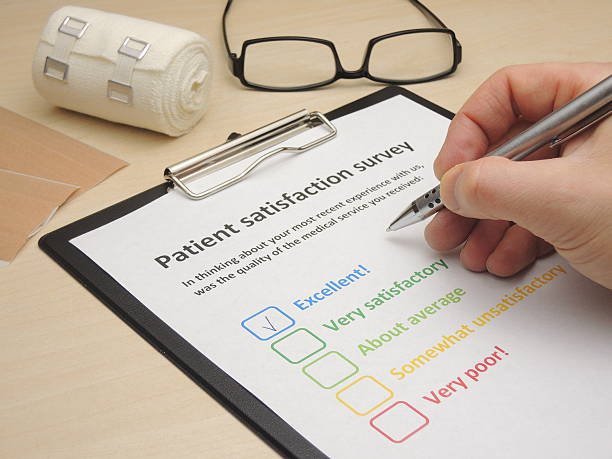
    In this article, we’ll be showing you some of the possible patient survey questions you can use to measure the quality of your services if you are a healthcare provider.

    Read Also: 250+ Best Taylor Swift Trivia Questions and Answers (Easiest to Hardest)

    What is a patient survey?

    A patient survey is a tool used by healthcare providers to gather feedback from their patients about their experiences with the care they receive.

    These surveys typically ask patients to rate various aspects of their experience, such as the quality of care, communication with healthcare providers, and overall satisfaction with the visit.

    The feedback collected from these surveys helps healthcare providers identify areas for improvement and make changes to better meet the needs of their patients.

    By participating in patient surveys, individuals have the opportunity to share their perspectives and contribute to the ongoing improvement of healthcare services. This feedback can lead to positive changes in how care is delivered.

    See also: 250+ Best Memorial Day Trivia Questions and Answers (Easiest to Hardest)

    What is the purpose of this patient survey?

    The purpose of the patient survey is to gather feedback and insights from patients about their experiences with healthcare providers, facilities, and services.

    By collecting this information, healthcare organizations can identify areas for improvement, measure patient satisfaction, and make informed decisions to enhance the quality of care they provide.

    Additionally, patient surveys help to ensure that the needs and preferences of patients are taken into account, ultimately leading to better patient-centered care.

    Furthermore, patient surveys also serve as a valuable tool for healthcare providers to understand how they can better communicate with and support their patients.

    This feedback can lead to improvements in the delivery of care, as well as helping to build trust and strengthen the patient-provider relationship.

    The main purpose of the patient survey is to empower patients by giving them a voice in shaping the future of their healthcare experiences.

    See also: 200+ Church Survey Questions to Ask Congregations | Sample Questionnaire

    How long does it take to complete a patient survey?

    The length of time it takes to complete a patient survey can vary depending on the specific survey and the individual taking it.

    Generally, most patient surveys are designed to be completed in 10–15 minutes, but some may take longer if they cover more detailed or complex topics. It’s important to set aside enough time to thoughtfully respond to each question and provide accurate feedback.

    Factors such as the number of questions, the complexity of the topics being covered, and the individual’s reading and typing speed can all impact how long it takes to complete a patient survey.

    Some surveys may also include open-ended questions that require more time for thoughtful responses.

    See also: 250+ Best Holiday Trivia Questions and Answers (Easiest to Hardest)

    Patient Survey Questions

    General Patient Survey Questions:

    1. How satisfied are you with the overall care you received?
    2. Did you feel listened to and respected by the healthcare provider?
    3. How would you rate the cleanliness of the facility?
    4. Were your appointments scheduled in a timely manner?
    5. Did you receive clear instructions regarding your treatment plan?
    6. Were your privacy and confidentiality maintained during your visits?
    7. Did you feel comfortable asking questions or expressing concerns?
    8. How would you rate the friendliness of the staff?
    9. Were the waiting times acceptable to you?
    10. Did you feel adequately informed about the potential risks and benefits of your treatment?
    11. How likely are you to recommend this healthcare provider to others?
    12. Did you feel involved in the decision-making process regarding your care?
    13. Were your financial concerns addressed satisfactorily?
    14. Did you experience any difficulties accessing the services you needed?
    15. Overall, how would you rate your experience as a patient?

    Patient Survey Questions in Healthcare:

    1. How satisfied are you with the accessibility of healthcare services?
    2. Were you treated with dignity and respect by all healthcare professionals?
    3. Did you receive adequate information about preventive care measures?
    4. How would you rate the communication between different healthcare providers involved in your care?
    5. Were your cultural and religious beliefs respected during your treatment?
    6. Did you experience any barriers to accessing healthcare services?
    7. How would you rate the effectiveness of the treatment you received?
    8. Were you involved in setting health-related goals for yourself?
    9. Did you feel supported in managing your chronic conditions?
    10. How satisfied are you with the coordination of care between different healthcare settings (e.g., primary care, specialists)?
    11. Were you able to access interpreter services if needed?
    12. Did you receive education about managing your medications safely?
    13. How would you rate the availability of after-hours care options?
    14. Were you informed about community resources that could support your health and well-being?
    15. Did you receive assistance with navigating the healthcare system when needed?

    Hospital Patient Survey Questions:

    1. How satisfied are you with the responsiveness of hospital staff to your needs?
    2. Were you provided with sufficient information about your rights as a patient?
    3. How would you rate the coordination of care during your hospital stay?
    4. Did you feel safe and secure during your time in the hospital?
    5. Were you involved in discharge planning and decision-making?
    6. Did you receive clear explanations about your diagnosis and treatment plan?
    7. How satisfied are you with the pain management strategies used during your hospitalization?
    8. Were your dietary preferences and restrictions accommodated?
    9. Did you feel supported emotionally during your hospital stay?
    10. How would you rate the cleanliness and comfort of your hospital room?
    11. Were you informed about potential risks and complications associated with your procedures or surgeries?
    12. Did you experience any communication barriers with hospital staff?
    13. How satisfied are you with the availability of amenities and support services (e.g., wifi, social services)?
    14. Were your family members or caregivers involved in your care as much as you desired?
    15. Did you receive clear instructions about follow-up care after discharge?

    Dental Patient Survey Questions:

    1. How satisfied are you with the quality of dental care you received?
    2. Were you treated respectfully by the dental staff?
    3. How would you rate the comfort of the dental office environment?
    4. Did you receive clear explanations about your dental diagnosis and treatment options?
    5. Were your dental appointments scheduled in a convenient manner?
    6. Did you experience any pain or discomfort during your dental procedures?
    7. How satisfied are you with the cleanliness and hygiene practices of the dental office?
    8. Were your financial responsibilities explained to you clearly before treatment?
    9. Did you feel involved in decisions about your dental treatment plan?
    10. How would you rate the effectiveness of the dental treatment you received?
    11. Were you provided with information about maintaining good oral hygiene?
    12. Did you experience any difficulties with dental insurance claims or billing?
    13. Were your concerns addressed promptly and satisfactorily?
    14. Did you receive instructions on managing any post-treatment discomfort or side effects?
    15. How likely are you to continue receiving dental care at this practice?

    Orthodontic Patient Survey Questions:

    1. How satisfied are you with the progress of your orthodontic treatment?
    2. Were your treatment goals discussed and understood by both you and the orthodontist?
    3. How would you rate the comfort of wearing orthodontic appliances?
    4. Did you receive clear instructions on caring for your braces or aligners?
    5. Were your appointments scheduled at convenient times for you?
    6. Did you experience any pain or discomfort associated with your orthodontic treatment?
    7. How satisfied are you with the communication between you and your orthodontist?
    8. Were any concerns or questions you had addressed to your satisfaction?
    9. Did you receive information about dietary habits to maintain during treatment?
    10. How would you rate the friendliness and professionalism of the orthodontic staff?
    11. Were you provided with information about potential treatment duration and outcomes?
    12. Did you feel involved in decisions about your orthodontic treatment plan?
    13. Were you satisfied with the progress evaluations and adjustments made during your treatment?
    14. Did you experience any difficulties with broken appliances or emergencies?
    15. How likely are you to recommend this orthodontic practice to others?

    GP Patient Survey Questions:

    1. How satisfied are you with the accessibility of your general practitioner (GP)?
    2. Were you able to schedule appointments with your GP on time?
    3. How would you rate the communication between you and your GP?
    4. Did you feel your GP listened to your concerns and addressed them appropriately?
    5. Were you provided with clear explanations about your health conditions and treatment options?
    6. How satisfied are you with the continuity of care provided by your GP?
    7. Did you feel rushed during your appointments with your GP?
    8. Were your preventive healthcare needs discussed and addressed during your visits?
    9. Did you feel comfortable discussing sensitive or personal health issues with your GP?
    10. How would you rate the effectiveness of the treatment and advice provided by your GP?
    11. Were you involved in decisions about referrals to specialists or other healthcare providers?
    12. Did you receive information about community resources or support services relevant to your health needs?
    13. How satisfied are you with the coordination of care between your GP and other healthcare providers?
    14. Were your GP’s office hours convenient for you?
    15. Did you receive reminders about upcoming appointments or preventive screenings from your GP’s office?

    See also: 20 Frequently Asked Facility Management Interview Questions

    Frequently Asked Questions

    Will I receive anything for completing the patient survey?

    As a token of appreciation, you may be entered into a drawing for a prize upon completion of the survey.

    Can I provide additional comments in the patient survey?

    Absolutely! We encourage detailed feedback and suggestions in the comments section.

    How will my feedback be used from the patient survey?

    Your feedback will be used to make improvements and enhancements to our services based on your experiences.

    Conclusion

    The patient survey questions play a crucial role in improving the quality of healthcare services by providing valuable insights into patient experiences and satisfaction.

    By asking thoughtful and relevant questions, healthcare providers can better understand their patients’ needs and preferences, leading to more personalized care and improved outcomes.

    Additionally, actively listening to patient feedback and taking action based on survey results demonstrates a commitment to patient-centered care.

    It is also important for healthcare organizations to regularly review and update their survey questions to ensure they capture the most relevant information.

    References

    Recommendations

  • 50+ Bad Survey Questions You Must Avoid in Your Questionnaire

    50+ Bad Survey Questions You Must Avoid in Your Questionnaire

    Surveys play a crucial role in gathering insights and data for various purposes, from market research to customer feedback. However, the effectiveness of a survey heavily relies on the quality of the questions asked.

    Have you ever participated in a survey and felt frustrated or confused by the questions being asked? Asking bad survey questions can not only lead to inaccurate data but also affect the overall success of your research.

    In this article, we will explore the common mistakes researchers make when crafting survey questions and provide tips on how to avoid them.

    Read Also: 250+ Best 4th Grade Vacation Trivia Questions and Answers (Easiest to Hardest)

    Why are bad survey questions a problem?

    Bad survey questions can be a problem for several reasons.

    Firstly, they can lead to inaccurate or misleading data, which can in turn result in poor decision-making.

    If the questions are confusing, biased, or unclear, respondents may provide answers that do not truly reflect their opinions or experiences. This can undermine the validity and reliability of the survey results.

    Moreover, bad survey questions can also lead to low response rates and respondent dissatisfaction. If the questions are irrelevant or poorly constructed, respondents may become frustrated and disengaged, leading to incomplete surveys or even survey abandonment.

    This can impact the overall quality of the data collected and make it challenging to draw meaningful conclusions from the survey results.

    Therefore, ensuring that survey questions are well-designed and carefully crafted is essential for obtaining accurate and valuable insights.

    Can bad survey questions affect response rates?

    Yes, bad survey questions can affect response rates. When survey questions are unclear, confusing, or irrelevant, respondents may feel frustrated and be less motivated to complete the survey.

    They may also provide inaccurate or incomplete responses, which can compromise the quality of the data collected.

    To improve response rates, it’s important to ensure that survey questions are well-crafted and easy to understand. Use clear language, avoid leading or biased questions, and keep the survey focused on relevant topics.

    Read Also: 250+ Best Holiday Trivia Questions and Answers (Easiest to Hardest)

    How can I identify bad survey questions?

    One way to spot a bad survey question is to look for ambiguity or vagueness. If the question is open to interpretation or could be understood in multiple ways, it may lead to inconsistent responses and unreliable results.

    Additionally, watch out for leading or biased questions that push respondents toward a specific answer. These can skew the data and compromise the survey’s validity.

    Another red flag for bad survey questions is complexity. If a question is overly complicated or convoluted, it may confuse respondents and lead to inaccurate responses.

    Keep an eye out for jargon or technical language that might not be easily understood by all participants.

    Please read: 200+ Best US History Trivia Questions That You’ll Love
    What should I do if I’ve already used bad survey questions in my research?

    If you have made some errors in creating your survey, here’s how to remedy the situation.

    The first step is to acknowledge that the survey questions may not have been ideal, and that’s okay. Take a moment to reflect on what went wrong and why the questions were not effective. This self-awareness will help you avoid making the same mistake in future research.

    Next, consider reaching out to participants who completed the survey and explaining that you’ve identified some issues with the questions.

    You can express your gratitude for their participation and assure them that their feedback is still valuable. If possible, you could also consider conducting follow-up interviews or focus groups to gather more nuanced insights.

    Remember, mistakes are opportunities for growth, so use this experience as a learning opportunity for improving your future research endeavors.

    Read Also: 250+ Best Taylor Swift Trivia Questions and Answers (Easiest to Hardest)

    Bad Survey Questions You Must Avoid in Your Questionnaire

    General Bad Survey Questions

    1. Do you like surveys?
    2. Are you a human?
    3. Are you over 18? (Unless necessary)
    4. What is your social security number?
    5. How much money do you make?
    6. Are you married?
    7. What is your IQ?
    8. Are you happy with your weight?
    9. Do you have any health problems?
    10. What’s your political affiliation?
    11. How many times do you use the bathroom per day?
    12. Are you a morning person?
    13. Do you like the color blue?
    14. Do you have any pets?
    15. What’s your favorite TV show?
    16. Do you like breathing?
    17. How many hours of sleep do you get?
    18. Have you ever been to prison?
    19. Do you like pineapple on pizza?
    20. What’s your favorite number?
    21. Are you a cat or dog person?
    22. Do you believe in aliens?
    23. Do you wear socks to bed?
    24. What’s your favorite season?
    25. Do you like cheese?
    26. How often do you floss?
    27. What’s your favorite type of weather?
    28. Do you prefer Coke or Pepsi?
    29. Do you believe in ghosts?
    30. How many siblings do you have?
    31. Do you like chocolate?
    32. Are you afraid of clowns?
    33. Do you like to dance?
    34. How often do you clip your toenails?
    35. Do you believe in Bigfoot?
    36. What’s your favorite smell?
    37. Do you prefer showers or baths?
    38. How often do you change your underwear?
    39. Do you like surprises?
    40. What’s your favorite flavor of ice cream?
    41. Do you believe in luck?
    42. Are you afraid of spiders?
    43. What’s your favorite type of tree?
    44. Do you believe in fate?
    45. Do you prefer texting or calling?
    46. How many cavities have you had?
    47. Do you like rainbows?
    48. What’s your favorite type of cheese?
    49. Do you believe in astrology?
    50. Are you afraid of heights?
    51. How often do you trim your fingernails?
    52. Do you believe in karma?
    53. Do you like sushi?
    54. What’s your favorite type of bread?
    55. Are you a morning or night showerer?
    56. Do you believe in Santa Claus?
    57. What’s your favorite type of fruit?
    58. Do you like spicy food?
    59. Are you afraid of the dark?
    60. How often do you shave your legs?
    61. Do you believe in love at first sight?
    62. What’s your favorite type of vegetable?
    63. Do you believe in destiny?
    64. Are you afraid of snakes?
    65. How often do you brush your teeth?
    66. Do you believe in the Loch Ness Monster?
    67. What’s your favorite type of meat?
    68. Do you believe in soulmates?
    69. Are you afraid of public speaking?
    70. How often do you change your bed sheets?
    71. Do you believe in the Bermuda Triangle?
    72. What’s your favorite type of pasta?
    73. Do you believe in telekinesis?
    74. Are you afraid of thunderstorms?
    75. How often do you eat fast food?
    76. Do you believe in the power of crystals?
    77. What’s your favorite type of candy?
    78. Do you believe in deja vu?
    79. Are you afraid of flying?
    80. How often do you eat vegetables?
    81. Do you believe in the Illuminati?
    82. What’s your favorite type of cake?
    83. Do you believe in the concept of time travel?
    84. Are you afraid of needles?
    85. How often do you eat fruits?
    86. Do you believe in the existence of mermaids?
    87. What’s your favorite type of pie?
    88. Do you believe in the law of attraction?
    89. Are you afraid of ghosts?
    90. How often do you eat dessert?
    91. Do you believe in the existence of vampires?
    92. What’s your favorite type of cookie?
    93. Do you believe in alien abductions?
    94. Are you afraid of zombies?
    95. How often do you eat snacks?
    96. Do you believe in the existence of werewolves?
    97. What’s your favorite type of chocolate?
    98. Do you believe in the power of positive thinking?
    99. Are you afraid of werewolves?
    100. How often do you eat junk food?
    1. Have you ever been diagnosed with a mental illness?
    2. How often do you experience anxiety or depression?
    3. Do you think you have a split personality?
    4. Have you ever had suicidal thoughts?
    5. How often do you have nightmares?
    6. Are you satisfied with your level of intelligence?
    7. Do you think you have unresolved childhood traumas?
    8. Have you ever been addicted to drugs or alcohol?
    9. Do you often feel like people are watching you?
    10. How often do you engage in self-harming behaviors?

    Other Bad Questions You Should Avoid

    1. Leading Questions: Questions that suggest a particular answer or bias the respondent. Example: “Don’t you agree that our product is the best on the market?”
    2. Double-Barreled Questions: Questions that ask about more than one issue at a time, making it difficult for respondents to answer accurately. Example: “Do you find our website easy to navigate and visually appealing?”
    3. Ambiguous Questions: Questions that are unclear or open to interpretation. Example: “How often do you exercise?” (Exercise could mean different activities to different people.)
    4. Loaded Questions: Questions that contain emotionally charged or controversial language. Example: “Do you still support policies that harm the environment?”
    5. Biased Questions: Questions that steer respondents toward a particular response through wording or context. Example: “Considering the economic benefits, do you support outsourcing jobs overseas?”
    6. Assumptive Questions: Questions that assume facts not in evidence. Example: “How much do you enjoy using our new and improved app?” (Assumes the respondent finds the app enjoyable.)
    7. Overly Complex Questions: Questions that are overly long, convoluted, or difficult to understand. Example: “In relation to the current market trends and your personal financial goals, how likely are you to invest in a diversified portfolio over the next fiscal quarter?”
    8. Invasive Questions: Questions that pry into personal or private matters unnecessarily. Example: “How much do you weigh?”
    9. Hypothetical Questions: Questions that ask respondents to speculate about situations they may not have experienced. Example: “How would you feel if you lost your job tomorrow?”
    10. Irrelevant Questions: Questions that have no bearing on the survey’s objectives or the respondent’s experiences. Example: “What’s your favorite type of music?” in a survey about customer satisfaction with a mobile phone service.

    Frequently Asked Questions

    Are there any common mistakes to avoid when writing survey questions?

    Yes, such as using jargon, assuming knowledge, or asking leading questions.

    How can I improve my survey question writing skills?

    Practice writing clear and unbiased questions, and seek feedback from others.

    Can bad survey questions harm the reputation of my organization?

    Yes, they may create a negative impression of your company’s professionalism and competence.

    Conclusion

    The importance of well-crafted survey questions cannot be overstated. Bad survey questions can lead to inaccurate data, misinterpretation, and ultimately flawed decision-making.

    Researchers and organizations must invest time and effort into designing clear, unbiased, and relevant survey questions to ensure the reliability and validity of their data.

    Let’s commit to improving our survey question skills and striving for excellence in gathering meaningful data that truly reflects the needs and opinions of our target audience.

    References

    Recommendations

  • Survey Ranking Questions | Guide, Examples and Template

    Survey Ranking Questions | Guide, Examples and Template

    Survey ranking questions are a common tool used in market research to gather data and insights from respondents. These questions ask individuals to rank a set of options in order of preference or importance.

    Effective ranking questions can provide valuable information that can help businesses make informed decisions and strategically position themselves in the market.

    In this article, we will explore the importance of survey ranking questions and provide tips on how to create effective and insightful ranking questions for your surveys. We’ll also show you some examples of survey ranking questions you can use.

    Whether you are conducting market research, customer satisfaction surveys, or employee feedback surveys, understanding ranking questions can greatly enhance the success of your data collection efforts.

    Read Also: 250+ Best Taylor Swift Trivia Questions and Answers (Easiest to Hardest)

    What is a survey ranking?

    A survey ranking is a method used to measure and compare the opinions or preferences of a group of people on a particular topic or set of options.

    It typically involves asking respondents to rate or rank items based on their personal preferences, experiences, or perceptions. The results are then compiled and analyzed to determine the overall ranking of the items being surveyed.

    For example, in a customer satisfaction survey, respondents may be asked to rank various aspects of a product or service, such as price, quality, and customer support. The survey ranking would then provide insights into which aspects are most important to customers and how they perceive each one relative to the others.

    Survey rankings can be valuable tools for businesses, organizations, and researchers looking to understand public opinion and make informed decisions based on the feedback received.

    Generally, survey rankings offer a structured way to gather and analyze data on people’s preferences and perceptions.

    What is the use of survey ranking?

    Survey ranking serves several important purposes. Firstly, it helps organizations gather valuable feedback and insights from their customers or stakeholders. By ranking different options or attributes, survey respondents can provide clear indications of their preferences, which can inform decision-making and improve products, services, or processes.

    Additionally, survey ranking can help identify trends and patterns within a dataset. By analyzing the rankings given by different respondents, researchers can uncover common themes or areas of consensus, which can be used to guide strategic planning and resource allocation.

    Again, survey ranking is a powerful tool for understanding opinions and priorities, driving continuous improvement, and making informed business decisions.

    Again, by understanding how different options are ranked by respondents, businesses can gain valuable insights that can help them improve products, services, or policies based on the feedback received from the survey rankings.

    How does survey ranking differ from other types of surveys?

    Survey ranking differs from other types of surveys in that it focuses on asking respondents to prioritize or rank a list of items, options, or attributes.

    Unlike traditional surveys that ask for opinions or ratings on individual items, survey ranking requires participants to compare and order the provided options based on their preferences or importance.

    This type of survey is particularly useful when you want to understand the relative significance or preference of different elements within a given set.

    One key advantage of survey ranking is that it provides more nuanced insights into people’s preferences and priorities compared to other types of surveys.

    This can be especially helpful in decision-making processes, product development, and market research, where understanding the relative importance of different features or attributes is important.

    Read Also: 250+ Best Holiday Trivia Questions and Answers (Easiest to Hardest)

    How many items can be included in a survey ranking question?

    The number of items that can be included in a survey ranking question depends on the complexity and length of the survey.

    Generally, it’s best to keep the number of items manageable for respondents to provide thoughtful and accurate responses. A good rule of thumb is to limit the number of items to around 5-7 to prevent survey fatigue and ensure high-quality data.

    However, if you have a specific reason for including more items in a ranking question, such as comprehensive feedback or detailed analysis, you can consider breaking down the question into smaller sections or using advanced survey design techniques to maintain respondent engagement.

    Ultimately, it’s important to balance thoroughness with respondent experience when determining the number of items in a survey ranking question.

    Survey Rankings Questions

    General Survey Ranking Questions:

    1. On a scale of 1 to 10, how satisfied are you with our customer service?
    2. How likely are you to recommend our product/service to a friend or colleague? (1 being least likely, 10 being most likely)
    3. How would you rate the ease of use of our website/platform? (1 being very difficult, 10 being very easy)
    4. Rate the quality of the product/service you received. (1 being poor, 10 being excellent)
    5. How responsive do you find our support team when you have an issue or question? (1 being not responsive at all, 10 being extremely responsive)
    6. How would you rate the value for money of our product/service? (1 being poor value, 10 being excellent value)
    7. How satisfied are you with the variety of options available? (1 being very dissatisfied, 10 being very satisfied)
    8. How likely are you to purchase from us again in the future? (1 being not likely at all, 10 being extremely likely)
    9. Rate the overall performance of our product/service. (1 being very poor, 10 being excellent)
    10. How well do we meet your expectations? (1 being not at all, 10 being completely)
    11. How would you rate the speed of delivery of our product/service? (1 being very slow, 10 being very fast)
    12. How satisfied are you with the accuracy of our product/service descriptions? (1 being very dissatisfied, 10 being very satisfied)
    13. How would you rate the user interface of our mobile app? (1 being very poor, 10 being excellent)
    14. How satisfied are you with the level of customization available for our product/service? (1 being very dissatisfied, 10 being very satisfied)
    15. Rate the reliability of our product/service. (1 being very unreliable, 10 being very reliable)
    16. How well do we handle and resolve complaints or issues? (1 being very poorly, 10 being very well)
    17. How likely are you to engage with our brand on social media? (1 being not likely at all, 10 being extremely likely)
    18. How satisfied are you with the communication you receive from us? (1 being very dissatisfied, 10 being very satisfied)
    19. How would you rate the accuracy of our billing/invoicing? (1 being very inaccurate, 10 being very accurate)
    20. How satisfied are you with the level of personalization in our communication? (1 being very dissatisfied, 10 being very satisfied)

    Google Survey Ranking Questions:

    1. How would you rate the ease of use of Google’s search engine? (1 being very difficult, 10 being very easy)
    2. How satisfied are you with the relevance of search results provided by Google? (1 being very dissatisfied, 10 being very satisfied)
    3. Rate the speed of Google’s search engine. (1 being very slow, 10 being very fast)
    4. How would you rate the accuracy of Google Maps for navigation? (1 being very inaccurate, 10 being very accurate)
    5. How satisfied are you with the features available on Google Drive? (1 being very dissatisfied, 10 being very satisfied)
    6. How well does Google Photos meet your needs for storing and organizing photos? (1 being not at all, 10 being completely)
    7. How satisfied are you with the performance of Gmail? (1 being very dissatisfied, 10 being very satisfied)
    8. How would you rate the security features of Google accounts? (1 being very poor, 10 being excellent)
    9. How satisfied are you with the quality of video calls on Google Meet? (1 being very dissatisfied, 10 being very satisfied)
    10. How likely are you to recommend Google’s suite of products to others? (1 being not likely at all, 10 being extremely likely)

    Product Comparison Survey Ranking Questions:

    1. How does Product A compare to Product B in terms of overall quality? (1 being Product A is much worse, 10 being Product A is much better)
    2. Which product offers better value for money, Product A or Product B? (1 being Product A is much worse value, 10 being Product A is much better value)
    3. Rate the user interface of Product A compared to Product B. (1 being Product A is much worse, 10 being Product A is much better)
    4. How does the customer service of Product A compare to that of Product B? (1 being Product A has much worse customer service, 10 being Product A has much better customer service)
    5. Which product would you recommend to a friend or colleague, Product A or Product B? (1 being definitely recommend Product B, 10 being definitely recommend Product A)
    6. How do the features of Product A compare to those of Product B? (1 being Product A has much worse features, 10 being Product A has much better features)
    7. Rate the reliability of Product A compared to Product B. (1 being Product A is much less reliable, 10 being Product A is much more reliable)
    8. How satisfied are you with the packaging of Product A compared to Product B? (1 being much less satisfied with Product A, 10 being much more satisfied with Product A)
    9. Which product provides a better user experience, Product A or Product B? (1 being Product A provides a much worse user experience, 10 being Product A provides a much better user experience)
    10. Overall, how do you rate Product A compared to Product B? (1 being much worse, 10 being much better)

    Analyzing Survey Ranking Questions

    1. How effectively do you believe this survey captured your overall experience?
    2. How clear were the survey instructions and questions?
    3. Rate the length of the survey in terms of being too short or too long.
    4. How likely are you to provide detailed feedback in open-ended questions in future surveys?
    5. How well do you feel the survey addressed your specific concerns or needs?
    6. How satisfied are you with the range of options provided in the survey questions?
    7. Rate the overall organization and flow of the survey.
    8. How likely are you to participate in future surveys from this organization/company?
    9. How accurately do you believe the survey reflects the broader sentiment or experiences of the target population?
    10. How likely are you to recommend improvements for future surveys to make them more effective?

    Read Also: 250+ Best 4th Grade Vacation Trivia Questions and Answers (Easiest to Hardest)

    How To Write Survey Ranking Questions

    Writing ranking questions in a survey involves asking respondents to prioritize items based on their preferences or opinions. Here’s how you can structure a ranking question:

    1. Introduction: Begin with a brief explanation of the purpose of the ranking question and any instructions needed for respondents to understand how to complete it.
    2. Item List: Present the list of items or options that respondents will rank. Each item should be clear and concise.
    3. Ranking Scale: Provide clear instructions on how respondents should rank the items. You can use a scale of 1 to 5, with 1 being the most preferred and 5 being the least preferred, or you can ask respondents to rank the items in order from 1 to N, where N is the number of items listed.
    4. Example: Offer an example of how to rank the items if necessary, especially if the ranking system is unconventional.
    5. Response Format: Specify the format for respondents to input their rankings. This could be checkboxes, drop-down menus, or simply asking them to list the items in order of preference.
    6. Optional: Neutral Option: Consider including a “neutral” option if you want to allow respondents to indicate that they have no preference or opinion on a particular item.
    7. Optional: Forced Ranking: If you want respondents to provide a distinct rank for each item without ties, you can use a forced ranking format where they can’t assign the same rank to multiple items.
    8. Thank You: Conclude with a thank you message and any further instructions for proceeding with the survey.

    Frequently Asked Questions

    Is it necessary to provide explanations for each ranked item in a survey?

    Providing explanations is not necessary, but it may help clarify the reasoning behind respondents’ rankings and provide valuable insights.

    Are there any limitations to using survey ranking questions?

    While survey ranking can provide valuable data, it may not capture nuanced opinions or reasons behind preferences as effectively as other types of questions.

    Can survey ranking be used in employee satisfaction surveys?

    Yes, using survey ranking questions can help organizations understand what aspects of their workplace are most important to employees and prioritize areas for improvement.

    Conclusion

    Survey ranking questions are a valuable tool for gathering quantitative data and understanding respondent preferences.

    By using these types of questions, researchers can gain insights into what is most important to their audience and make informed decisions based on the results.

    However, it’s important to carefully construct ranking questions to ensure that they are clear and easy for participants to understand.

    Additionally, analyzing the data from ranking questions requires attention to detail and thoughtful interpretation to draw meaningful conclusions.

    As you design your next survey, consider incorporating well-crafted ranking questions to get valuable insights from your audience.

    References

    Recommendations

  • 125+ Must Ask Market Research Survey Questions With Sample Template

    125+ Must Ask Market Research Survey Questions With Sample Template

    To make informed business decisions, market research is quite important. And a key component of market research is conducting surveys.

    However, crafting effective survey questions is not as easy as it may seem. It requires careful thought and consideration to gather accurate and valuable data that can drive your business forward.

    Market research surveys provide businesses with insights into market trends, customer satisfaction, product feedback, and much more. However, if the survey questions are poorly designed or ambiguous, the results may not be reliable or useful.

    It is essential to ensure that the questions are clear, concise, and relevant to obtain accurate and reliable data.

    In this article, we will show you some tips for developing market research survey questions and provide you that will drive your market research efforts forward.

    Read Also: 250+ Best Taylor Swift Trivia Questions and Answers (Easiest to Hardest)

    What is a market research survey?

    A market research survey is a tool used to gather information from a targeted group of people to understand their preferences, behaviors, and opinions related to a specific product, service, or industry.

    These surveys can be conducted through various methods, such as online questionnaires, phone interviews, or in-person focus groups. The data collected from these surveys helps businesses make informed decisions about their marketing strategies, product development, and overall business operations.

    By asking participants a series of carefully crafted questions, market research surveys provide valuable insights into consumer trends, competitive landscape, and potential growth opportunities.

    The results of these surveys are then analyzed to identify patterns and trends that can guide companies in making strategic decisions.

    Market research surveys serve as a crucial tool for businesses to better understand their target audience and stay ahead in the competitive marketplace.

    What is the purpose of market research surveys?

    Market research surveys serve the important purpose of gathering valuable insights and feedback from consumers.

    By conducting these surveys, businesses can better understand their target audience’s preferences, behaviors, and needs. This information helps companies make informed decisions about product development, marketing strategies, and overall business operations.

    Additionally, market research surveys enable businesses to stay competitive by keeping up with industry trends and consumer demands. By staying attuned to the changing market landscape, companies can adapt their offerings to meet customer expectations and maintain a strong position in the market.

    Market research surveys are a crucial tool for businesses to gain a deeper understanding of their customers and make data-driven decisions that drive success.

    Read Also: 250+ Best Holiday Trivia Questions and Answers (Easiest to Hardest)

    What types of questions are typically asked in market research surveys?

    In market research surveys, you can expect to encounter a variety of question types aimed at understanding consumer preferences, behaviors, and opinions.

    Common question types include demographic questions to gather information about the respondent’s age, gender, income level, and location. Then there are multiple-choice questions that ask about brand awareness, product usage, and purchase intent.

    Open-ended questions may also be included to allow respondents to provide detailed feedback and insights in their own words.

    Likewise, Likert scale questions are often used to measure attitudes and opinions on a scale from strongly agree to strongly disagree.

    Additionally, ranking questions might be employed to understand which features or attributes are most important to consumers when making purchasing decisions.

    How long does it take to complete a typical market research survey?

    The length of time it takes to complete a typical market research survey can vary depending on the complexity and length of the survey.

    Generally, most market research surveys take anywhere from 5 to 20 minutes to complete. Shorter surveys may take only a few minutes, while longer and more detailed surveys can take up to 20 minutes or more.

    Factors such as the number of questions, type of questions, and level of detail required will all contribute to the overall completion time.

    However, many companies strive to keep their surveys concise and engaging to ensure that respondents are willing to participate and provide valuable feedback.

    Read Also: 250+ Best 4th Grade Vacation Trivia Questions and Answers (Easiest to Hardest)

    Market Research Survey Questions

    General Market Research Survey Questions:

    1. How often do you purchase [product/service]?
    2. What factors influence your purchasing decisions?
    3. What brands do you typically prefer?
    4. How satisfied are you with current market offerings?
    5. How likely are you to recommend [product/service] to others?
    6. What improvements would you like to see in [product/service]?
    7. How do you typically find out about new products/services?
    8. What features are most important to you when choosing [product/service]?
    9. How much are you willing to pay for [product/service]?
    10. How would you rate your overall experience with [product/service]?
    11. Have you tried competing products/services? If so, how do they compare?
    12. What obstacles prevent you from purchasing [product/service]?
    13. How do you prefer to shop for [product/service]?
    14. Are there any specific brands you trust more than others?
    15. What do you like/dislike about current market trends?
    16. How important is customer service when choosing a [product/service]?
    17. Do you prefer to buy online or in-store?
    18. What are your expectations regarding product/service quality?
    19. How do you stay informed about industry news and trends?
    20. Are there any emerging technologies or innovations that interest you?

    New Product Market Research Survey Questions:

    1. How likely are you to try a new [product/service]?
    2. What features would make you interested in a new [product/service]?
    3. What price range would you consider reasonable for a new [product/service]?
    4. How do you feel about trying new brands?
    5. What channels do you trust for information about new products/services?
    6. Would you be more likely to try a new product if it offers a free trial/sample?
    7. What concerns do you have about trying new products/services?
    8. How important is innovation to you when trying new products/services?
    9. Are there any specific types of new products/services you’re particularly interested in?
    10. How much research do you typically do before trying a new product/service?
    11. What would make you hesitant to try a new product/service?
    12. How much influence do online reviews have on your decision to try a new product/service?
    13. Do you prefer to be an early adopter or wait until a product/service is established in the market?
    14. How likely are you to switch from your current brand to a new one?
    15. What motivates you to try new products/services?
    16. How important is brand reputation when trying new products/services?
    17. Are there any specific features or benefits you’re looking for in a new product/service?
    18. How much risk are you willing to take when trying a new product/service?
    19. Would you be more likely to try a new product if it’s endorsed by a celebrity or influencer?
    20. What would convince you to become a loyal customer of a new product/service?

    Classic Market Research Survey Questions:

    1. How satisfied are you with the quality of [product/service]?
    2. How likely are you to repurchase [product/service]?
    3. How long have you been using [product/service]?
    4. What do you like most about [product/service]?
    5. What do you like least about [product/service]?
    6. How does [product/service] compare to similar products/services you’ve used?
    7. What improvements would you suggest for [product/service]?
    8. How often do you use [product/service]?
    9. What made you choose [product/service] over alternatives?
    10. How reliable do you find [product/service]?
    11. How responsive is [product/service] to your needs?
    12. What features of [product/service] do you find most valuable?
    13. How likely are you to recommend [product/service] to others?
    14. How does the price of [product/service] compare to its value?
    15. How well does [product/service] meet your expectations?
    16. How satisfied are you with the customer service provided by [product/service]?
    17. What improvements would make you more likely to continue using [product/service]?
    18. How likely are you to switch from [product/service] to a competitor?
    19. How has your perception of [product/service] changed over time?
    20. How likely are you to forgive any issues or mistakes made by [product/service]?

    B2B Market Research Survey Questions:

    1. What industry do you operate in?
    2. What role do you play in the decision-making process for purchasing [product/service]?
    3. How familiar are you with our company and its offerings?
    4. How satisfied are you with the level of support provided by our company?
    5. What factors are most important to you when choosing a vendor/partner?
    6. How would you rate the quality of our products/services compared to competitors?
    7. How likely are you to recommend our products/services to other businesses?
    8. What improvements would you like to see in our products/services?
    9. How well do we understand your business needs?
    10. How responsive are we to your inquiries and requests?
    11. What challenges do you face when working with our company?
    12. How would you rate the value for money of our products/services?
    13. What would make you more likely to continue doing business with us?
    14. How satisfied are you with the communication from our company?
    15. How likely are you to explore new products/services offered by our company?
    16. How does our company compare to other vendors/partners you’ve worked with?
    17. How important is flexibility in our products/services to your business?
    18. How do you perceive our company’s reputation in the industry?
    19. How do you prefer to engage with our company (e.g., in-person meetings, online communication)?
    20. How well do our products/services align with your long-term business goals?

    Restaurant Market Research Survey Questions:

    1. How often do you dine out?
    2. What type of cuisine do you prefer when dining out?
    3. What factors influence your choice of restaurant?
    4. How important is the ambiance/atmosphere of a restaurant to you?
    5. What are your dietary preferences/restrictions?
    6. How likely are you to try a new restaurant?
    7. What do you consider when evaluating the quality of a restaurant’s food?
    8. How do you typically find out about new restaurants?
    9. What makes you loyal to a particular restaurant?
    10. How important is the price range of a restaurant to you?
    11. How satisfied are you with the service provided by restaurants?
    12. What improvements would you like to see in restaurants?
    13. How likely are you to recommend a restaurant to others?
    14. How do you prefer to make restaurant reservations?
    15. How often do you order takeout/delivery from restaurants?
    16. How important is the location of a restaurant to you?
    17. What do you look for in online reviews of restaurants?
    18. How do you feel about restaurant loyalty programs?
    19. What factors would make you less likely to return to a restaurant?
    20. How does the availability of healthy options influence your choice of restaurant?

    Honeybook Market Research Survey Questions:

    1. How familiar are you with Honeybook’s services?
    2. How satisfied are you with your experience using Honeybook?
    3. What features do you find most valuable in Honeybook?
    4. How likely are you to recommend Honeybook to others?
    5. What improvements would you suggest for Honeybook’s platform?
    6. How does Honeybook compare to other similar platforms you’ve used?
    7. How easy is it to navigate and use Honeybook’s interface?
    8. How well does Honeybook meet your business needs?
    9. How responsive is Honeybook’s customer support team?
    10. How reliable do you find Honeybook’s services?
    11. How satisfied are you with the pricing structure of Honeybook?
    12. What challenges do you face when using Honeybook?
    13. How important is integration with other tools/platforms to you?
    14. How likely are you to continue using Honeybook in the future?
    15. How do you stay informed about updates and new features in Honeybook?
    16. How well does Honeybook streamline your workflow?
    17. What would make you consider switching from Honeybook to a competitor?
    18. How do you perceive Honeybook’s reputation in the industry?
    19. How has Honeybook helped improve your business operations?
    20. How likely are you to explore additional features/services offered by Honeybook?

    Primary Market Research Survey Questions for Products:

    1. What factors influence your decision to purchase a product?
    2. How do you discover new products?
    3. How important is brand reputation when choosing a product?
    4. What specific features do you look for in a product?
    5. How do you prefer to shop for products?
    6. What motivates you to try a new product?
    7. How much research do you typically do before buying a product?
    8. What are your expectations regarding product quality?
    9. How likely are you to repurchase a product?
    10. What role does price play in your decision to buy a product?
    11. How important is customer service when considering a product?
    12. How satisfied are you with the variety of products available in the market?
    13. What factors would make you hesitate to buy a product?
    14. How often do you replace or upgrade products?
    15. How do you prioritize different product attributes (e.g., quality, price, design)?
    16. What channels do you trust for product recommendations?
    17. How much influence do online reviews have on your product purchases?
    18. How important is sustainability/environmental impact when choosing a product?
    19. How likely are you to try a new product from a brand you haven’t heard of?
    20. How do you perceive the value of products compared to their price?

    Fitness Market Research Survey Questions:

    1. How often do you exercise per week?
    2. What type of exercise do you prefer (e.g., cardio, strength training, yoga)?
    3. What are your fitness goals?
    4. How satisfied are you with your current fitness routine?
    5. What factors influence your choice of fitness activities?
    6. How important is convenience when it comes to fitness options?
    7. What barriers prevent you from exercising more frequently?
    8. How do you prefer to track your fitness progress?
    9. How likely are you to try new fitness trends or workouts?
    10. What motivates you to stay consistent with your fitness routine?
    11. How do you prefer to receive fitness-related information (e.g., apps, social media, in-person classes)?
    12. What equipment do you use or have access to for your workouts?
    13. How do you feel about virtual/online fitness classes?
    14. How important is social interaction in your fitness routine?
    15. What are your preferences regarding gym memberships vs. at-home workouts?
    16. How satisfied are you with the variety of fitness options available to you?
    17. How much do you typically spend on fitness-related expenses?
    18. How do you measure the effectiveness of your workouts?
    19. How likely are you to invest in personal training or coaching?
    20. What would make you more likely to stick to a fitness routine long-term?

    How to Design Survey Questions for Market Research

    Designing effective survey questions for market research involves several key steps to ensure the data collected is reliable, valid, and actionable. Here’s a guide to help you craft survey questions effectively:

    1. Define your objectives: Clearly outline the goals of your market research. What information are you trying to gather? What decisions will be made based on the survey results? Understanding your objectives will guide the design of your survey questions.
    2. Identify your target audience: Determine who will be taking the survey. Consider demographics such as age, gender, location, income, etc. Tailor your questions to be relevant and understandable to your target audience.
    3. Keep it concise: Avoid lengthy or complex questions that may confuse or overwhelm respondents. Keep questions clear, concise, and easy to understand. Use simple language and avoid jargon.
    4. Use a mix of question types: Incorporate a variety of question types to gather different types of data. Common question types include multiple-choice, rating scales, yes/no questions, open-ended questions, etc.
    5. Start with demographic questions: Collect basic demographic information such as age, gender, occupation, income, etc. This data can be useful for segmenting and analyzing responses later on.
    6. Avoid leading questions: Ensure that your questions are neutral and unbiased. Avoid leading or loaded language that could influence respondents’ answers.
    7. Ensure scalability: If you plan to compare responses across different groups or time periods, ensure that your survey questions are scalable and consistent.
    8. Pilot test your survey: Before launching your survey, pilot test it with a small group of respondents to identify any potential issues with question clarity, relevance, or survey flow.
    9. Consider the order of questions: Arrange your questions in a logical order to maintain respondent engagement and flow. Start with easy, non-threatening questions before moving on to more sensitive or complex topics.
    10. Include skip logic: Use skip logic to customize the survey experience based on respondents’ answers. Skip irrelevant questions based on previous responses to streamline the survey and improve respondent experience.
    11. Provide clear instructions: Clearly explain the purpose of the survey, how to answer questions, and any specific instructions or requirements. This helps ensure that respondents understand what is expected of them.
    12. Test for understanding: After drafting your survey questions, review them to ensure that they are clear, unambiguous, and likely to elicit the desired responses.

    By following these steps, you can design survey questions that effectively gather the market insights you need for your research.

    Frequently Asked Questions

    Will participating in market research surveys result in spam emails or phone calls?

    No, reputable market research companies do not sell participants’ contact information and you should not receive unwanted communication as a result of participation.

    Can I trust the results of market research surveys to make business decisions?

    Yes, well-designed and conducted market research surveys provide reliable data that can be used to make informed business decisions.

    Can I earn rewards for participating in market research surveys?

    Yes, many market research surveys offer incentives such as cash rewards, gift cards, or entry into prize drawings for completing the survey.

    Conclusion

    Market research survey questions are a crucial tool for businesses to gain insights into consumer preferences, behaviors, and needs.

    By asking the right questions, companies can make informed decisions about product development, marketing strategies, and customer service improvements. It’s important to craft survey questions that are clear, concise, and relevant to the target audience to obtain accurate and useful data.

    Additionally, analyzing the results of market research surveys can provide valuable information for identifying trends and opportunities in the marketplace.

    So, next time you’re designing a market research survey, take the time to carefully consider your questions and how they can help your business better understand its customers and improve its offerings.

    References

    Recommendations

  • 100+ Training Survey Questions for Quality Feedback With Samples

    100+ Training Survey Questions for Quality Feedback With Samples

    Training is an essential part of any organization’s development and success. But how do you know if your training programs are effective? Are you getting feedback from your employees and measuring the impact of the training?

    To ensure that your training efforts are on the right track, conducting a training survey can provide you with valuable insights.

    In this article, we will explore the importance of training survey questions and how they can help you improve your training programs.

    Read Also: 250+ Best 4th Grade Vacation Trivia Questions and Answers (Easiest to Hardest)

    What is a Training Survey?

    A training survey is a tool used to gather feedback from participants about their experience in a training program. It typically includes questions about the content, delivery, and overall effectiveness of the training.

    A training survey serves as a valuable tool for continuous improvement and ensuring that training programs are aligned with the goals and objectives of both the organization and its employees.

    Read Also: 250+ Best Holiday Trivia Questions and Answers (Easiest to Hardest)

    What is the purpose of a training survey?

    The purpose of a training survey is to gather feedback from participants about their learning experiences.

    By collecting input on the effectiveness of the training, organizers can identify areas for improvement and make adjustments to future sessions.

    This feedback helps ensure that the training program meets the needs of the participants and delivers valuable content.

    Additionally, training surveys provide an opportunity for participants to share their thoughts and suggestions, allowing organizers to tailor future training to better suit their audience.

    The ultimate goal of a training survey is to enhance the overall quality and impact of the training program by incorporating participant feedback into its development and delivery.

    Can I skip any questions in the training survey?

    Yes, in most training surveys, you should have the option to skip questions if you don’t feel comfortable answering them or if they don’t apply to you.

    It’s important for the survey to accurately reflect your thoughts and experiences, so feel free to skip any questions that don’t resonate with you.

    However, keep in mind that skipping too many questions could impact the overall quality of your feedback.

    Try to answer as many questions as possible to provide a comprehensive view of your training experience. If there are specific questions you’re unsure about, consider reaching out to the survey administrator for clarification.

    Read Also: 250+ Best Taylor Swift Trivia Questions and Answers (Easiest to Hardest)

    How long does it take to complete a training survey?

    The time it takes to complete a training survey can vary depending on the length and complexity of the survey, as well as the individual’s familiarity with the subject matter.

    Typically, a training survey can take anywhere from 5 to 20 minutes to complete. Shorter surveys may only require a few minutes of your time, while more in-depth surveys with multiple questions and open-ended responses may take longer.

    Factors such as the respondent’s reading speed, comprehension, and willingness to provide thoughtful answers also play a role in how long it takes to complete a training survey.

    Additionally, some surveys may include interactive elements or multimedia content that can affect the completion time.

    It’s just important to allocate enough time and focus to provide accurate and valuable feedback in a training survey.

    General Training Survey Questions:

    1. How satisfied are you with the overall quality of the training?
    2. Did the training meet your expectations?
    3. How would you rate the organization and structure of the training sessions?
    4. Were the training materials clear and easy to understand?
    5. Did you find the training relevant to your job role?
    6. How likely are you to recommend this training to a colleague?
    7. Did the training improve your knowledge and skills?
    8. Were the training facilities comfortable and conducive to learning?
    9. How engaging was the training delivery?
    10. Do you have any suggestions for improving future training sessions?

    Pre-Training Survey Questions:

    1. What are your current skill levels in the subject matter?
    2. What specific topics or areas would you like the training to cover?
    3. What are your expectations from this training?
    4. Have you undergone similar training before? If yes, please specify.
    5. What challenges or obstacles do you anticipate in applying the training to your job role?
    6. How do you prefer to learn (e.g., hands-on, visual aids, group discussions)?
    7. What are your main objectives for attending this training?
    8. Do you have any prior experience related to the training topic?
    9. What do you hope to achieve by the end of the training?
    10. Are there any particular areas you feel confident or lacking in regarding the training content?

    Post-Training Survey Questions:

    1. How confident do you feel in applying the skills/knowledge gained from the training to your job role?
    2. What aspects of the training did you find most beneficial?
    3. Were there any areas of the training that you found challenging to grasp?
    4. Do you feel the training adequately prepared you for real-world applications?
    5. How do you plan to implement what you learned in your day-to-day work?
    6. Did the training meet your learning objectives?
    7. Have you noticed any immediate improvements in your performance as a result of the training?
    8. What additional resources or support would aid in reinforcing the training concepts?
    9. Do you have any suggestions for follow-up sessions or ongoing support?
    10. How likely are you to apply for further training or development opportunities based on your experience with this training?

    Training Survey Questions for Employees:

    1. How well did the training align with your job responsibilities and goals?
    2. Did the training address any specific challenges you face in your role?
    3. Were there opportunities during the training to interact with colleagues or share experiences?
    4. Did the training encourage collaboration and teamwork among employees?
    5. How relevant do you think the training content is to your day-to-day tasks?
    6. Did the training provide actionable strategies or techniques that you can implement immediately?
    7. How supportive was your manager/supervisor in facilitating your participation in the training?
    8. Did the training foster a positive learning environment within the team?
    9. How would you rate the overall impact of the training on your professional growth?
    10. Do you feel more confident in your abilities after completing the training?

    Leadership Training Survey Questions:

    1. To what extent did the training enhance your leadership skills?
    2. Did the training cover relevant topics for your current or aspiring leadership role?
    3. How would you rate the effectiveness of the training in developing leadership qualities?
    4. Were there any particular leadership theories or models discussed that resonated with you?
    5. Did the training provide practical strategies for leading teams and managing conflicts?
    6. How confident do you feel in applying the leadership principles learned in the training?
    7. Were there opportunities to practice leadership skills during the training?
    8. Did the training address the importance of emotional intelligence in leadership?
    9. How likely are you to recommend this training to other aspiring leaders?
    10. What additional support or resources would further enhance your leadership development journey?

    Technology Training Survey Questions:

    1. How comfortable are you with the technology/tools covered in the training?
    2. Did the training adequately address your technical skill gaps?
    3. Were the demonstrations or hands-on exercises helpful in understanding the technology?
    4. How likely are you to apply the newly acquired technical skills in your job role?
    5. Did the training provide sufficient practical examples or case studies relevant to your work environment?
    6. Were there any areas of the technology that you feel require further clarification or practice?
    7. How would you rate the trainer’s expertise in the technology being taught?
    8. Did the training cover the latest advancements or updates in the technology field?
    9. How well did the training accommodate different skill levels among participants?
    10. Do you feel more confident in utilizing the technology after completing the training?

    Sales Training Survey Questions:

    1. How relevant do you think the sales training content is to your role?
    2. Did the training provide effective sales techniques and strategies?
    3. Were there opportunities to practice sales scenarios or role-play during the training?
    4. How likely are you to implement the sales tactics learned in the training?
    5. Did the training address common challenges faced by sales professionals in your industry?
    6. Were the sales training materials engaging and easy to understand?
    7. How would you rate the trainer’s ability to convey sales concepts effectively?
    8. Did the training incorporate feedback or coaching sessions to improve sales skills?
    9. How well did the training align with your sales targets and objectives?
    10. Do you feel more equipped to handle customer interactions after completing the training?

    Virtual Training Survey Questions:

    1. How satisfied were you with the virtual training platform used for the sessions?
    2. Did the virtual training sessions effectively replicate the experience of in-person training?
    3. Were there any technical issues or challenges you encountered during the virtual training?
    4. How engaging were the virtual training materials and presentations?
    5. Did the virtual format hinder or enhance your learning experience?
    6. Were the virtual breakout sessions or group activities effective in promoting interaction among participants?
    7. How would you rate the facilitator’s ability to manage virtual training sessions?
    8. Did the virtual training allow for adequate opportunities for questions and discussions?
    9. How likely are you to participate in future virtual training sessions?
    10. Do you have any suggestions for improving the virtual training experience?

    Agile Training Survey Questions:

    1. How well did the training cover the principles and practices of Agile methodology?
    2. Were the Agile concepts explained clearly and comprehensively?
    3. Did the training provide practical examples of Agile implementation in real-world projects?
    4. How likely are you to apply Agile methodologies in your current or future projects?
    5. Were there any aspects of Agile that you found particularly challenging to grasp?
    6. Did the training address the role of collaboration and communication in Agile teams?
    7. How would you rate the effectiveness of Agile tools and techniques introduced during the training?
    8. Did the training foster a mindset of adaptability and continuous improvement?
    9. How well did the training prepare you for working in Agile environments?
    10. Do you feel more confident in your ability to contribute to Agile teams after completing the training?

    Manager Training Survey Questions:

    1. How relevant do you think the manager training content is to your leadership role?
    2. Did the training cover essential managerial skills such as communication, delegation, and team building?
    3. Were there practical exercises or case studies that helped reinforce managerial concepts?
    4. How likely are you to implement the management techniques learned in the training?
    5. Did the training address common challenges faced by managers in your organization?
    6. How effective was the training in enhancing your leadership capabilities?
    7. Were there opportunities for peer learning or sharing best practices during the training?
    8. How would you rate the trainer’s ability to provide valuable insights and guidance for managers?
    9. Did the training promote a culture of accountability and responsibility among managers?
    10. Do you feel better equipped to handle managerial responsibilities after completing the training?

    Social Media Training Survey Questions:

    1. How relevant do you think the social media training content is to your professional role?
    2. Did the training cover a wide range of social media platforms and strategies?
    3. Were there practical exercises or case studies that helped illustrate social media concepts?
    4. How likely are you to implement the social media techniques learned in the training?
    5. Did the training address the latest trends and updates in the social media landscape?
    6. How effective was the training in improving your understanding of social media analytics and metrics?
    7. Were there opportunities for hands-on practice with social media tools or platforms?
    8. How would you rate the trainer’s expertise in social media marketing and management?
    9. Did the training provide actionable tips for creating engaging content and building a social media presence?
    10. Do you feel more confident in your ability to leverage social media for professional purposes after completing the training?

    Sunday School Teacher Training Survey Questions:

    1. How relevant do you think the Sunday school teacher training content is to your role?
    2. Did the training cover important aspects of teaching methods and child development?
    3. Were there practical activities or demonstrations that helped enhance your teaching skills?
    4. How likely are you to implement the teaching strategies learned in the training?
    5. Did the training address challenges specific to Sunday school teaching, such as managing diverse age groups or lesson planning?
    6. How effective was the training in improving your understanding of biblical principles and teachings?
    7. Were there opportunities for peer learning or sharing best practices during the training?
    8. How would you rate the trainer’s ability to provide valuable insights and guidance for Sunday school teachers?
    9. Did the training promote a supportive and nurturing environment for teacher development?
    10. Do you feel better equipped to handle the responsibilities of a Sunday school teacher after completing the training?

    Frequently Asked Questions

    Can I provide additional comments in the training survey

    Absolutely! We encourage you to share any additional comments or suggestions at the end of the survey.

    Who should participate in the training survey?

    Anyone who has participated in our training programs is encouraged to participate and share their valuable feedback.

    How can I access the training survey?

    You will receive an email with a link to access the survey, or you may find it on our website’s homepage under Training Survey.

    Conclusion

    Creating effective training survey questions is essential for gathering valuable feedback from participants.

    By asking clear, specific questions that align with the training objectives, organizations can gain insights into the impact of their programs and identify areas for improvement.

    It’s important to consider the diverse needs and perspectives of trainees when designing survey questions to ensure a comprehensive understanding of their experiences.

    Additionally, utilizing both quantitative and qualitative questions can provide a well-rounded view of the training’s effectiveness.

    Ultimately, investing time and effort into crafting thoughtful survey questions will lead to more meaningful data that can drive positive change in training programs.

    References

    Recommendations

  • Top 50+ Demographic Survey Questions With Examples

    Collecting demographic information is essential for various purposes, such as market research, academic studies, and planning community services. However, creating effective demographic survey questions can be challenging.

    If your survey does not ask the right questions or fails to capture the necessary information, it can yield misleading results.

    This article explores the importance of demographic survey questions and provides tips on how to design them effectively. It also highlights some examples of demographic survey questions you should incorporate in your questionnaire.

    What is demography?

    Demography is the study of human populations, focusing on their size, structure, and distribution. It helps us understand how populations change over time due to factors such as birth rates, death rates, and migration.

    By analyzing demographic data, we can gain insights into social and economic trends, as well as make informed decisions about resource allocation and public policy.

    In essence, demography provides a comprehensive understanding of the dynamics that shape our societies and how they evolve.

    It’s a fascinating field that offers valuable insights into the complexities of human population dynamics and their impact on various aspects of our world.

    Read Also: 250+ Best Holiday Trivia Questions and Answers (Easiest to Hardest)

    What is the purpose of demographic survey?

    The purpose of demographic surveys is to gather information about the characteristics of a population, such as age, gender, income, education level, and more.

    This data helps organizations and businesses better understand their target audience and make informed decisions about products, services, and marketing strategies.

    By analyzing demographic information, companies can tailor their offerings to meet the specific needs and preferences of different customer segments.

    Demographic surveys also play a crucial role in shaping public policy and allocating resources. Governments and non-profit organizations use this data to identify areas of need within communities and develop programs that address social and economic disparities.

    Understanding the demographics of a population allows for more effective planning and implementation of initiatives that aim to improve the quality of life for all members of society.

    Read Also: 250+ Best Taylor Swift Trivia Questions and Answers (Easiest to Hardest)

    Can I skip questions on a demographic survey that I don’t want to answer?

    Yes, you can skip questions on a demographic survey that you don’t want to answer. Surveys are designed to gather information, but it’s important to respect your privacy and comfort levels.

    Feel free to skip any questions that make you uncomfortable or that you simply don’t want to answer. Your participation in the survey should be voluntary and should not require you to disclose information that you’re not comfortable sharing.

    It’s always a good idea to provide as much information as you feel comfortable with, as it helps researchers gain a better understanding of different demographics.

    However, if there are specific questions that you prefer not to answer, don’t hesitate to skip them. Your privacy and comfort are important, and the survey organizers should respect your decision to skip certain questions.

    Read Also: 250+ Best 4th Grade Vacation Trivia Questions and Answers (Easiest to Hardest)

    How to Write Demographic Survey Questions

    When writing demographic survey questions, it’s important to start by considering the specific information you need to gather.

    Think about the purpose of your survey and what demographic data will be most relevant. For example, if you’re conducting market research for a new product, you might want to ask about age, gender, income level, and location.

    Once you’ve identified the key demographic categories, make sure your questions are clear and easy to understand.

    Avoid using jargon or technical language that could confuse respondents. Keep the questions simple and straightforward to ensure accurate and useful data.

    Finally, consider the format of your survey questions. Multiple-choice or drop-down options can make it easier for respondents to provide accurate information, while open-ended questions may offer more nuanced insights.

    Be thoughtful in crafting your demographic survey questions to ensure you gather the most valuable data for your needs.

    General Demographic Survey Questions

    1. Gender
      • Example: What is your gender?
      • Possible answers:
        • Male
        • Female
        • Non-binary/third gender
        • Prefer not to say
    2. Age
      • Example: What is your age?
      • Possible answers:
        • Under 18
        • 18-24
        • 25-34
        • 35-44
        • 45-54
        • 55-64
        • 65 or over
    3. Ethnicity/Race
      • Example: Which of the following best describes your ethnicity or race?
      • Possible answers:
        • White/Caucasian
        • Black/African American
        • Hispanic/Latino
        • Asian/Pacific Islander
        • Native American/Alaska Native
        • Mixed race
        • Other
        • Prefer not to say
    4. Education
      • Example: What is the highest level of education you have completed?
      • Possible answers:
        • No schooling completed
        • Some primary/elementary school
        • Completed primary/elementary school
        • Some secondary/high school
        • Completed secondary/high school
        • Some college or university
        • Completed college or university
        • Postgraduate degree
    5. Household Income
      • Example: What is your total annual household income before taxes?
      • Possible answers:
        • Less than $25,000
        • $25,000 – $49,999
        • $50,000 – $74,999
        • $75,000 – $99,999
        • $100,000 – $149,999
        • $150,000 or more
        • Prefer not to say
    6. Marital Status
      • Example: What is your marital status?
      • Possible answers:
        • Single
        • Married
        • Divorced
        • Widowed
        • Separated
        • Prefer not to say
    7. Employment Status
      • Example: What is your current employment status?
      • Possible answers:
        • Employed full-time
        • Employed part-time
        • Self-employed
        • Unemployed
        • Student
        • Retired
        • Other
        • Prefer not to say
    8. Location
      • Example: What is your current location?
      • Possible answers:
        • City
        • Suburb
        • Rural area
        • State/Province
        • Country
    9. Language
      • Example: What is your primary language?
      • Possible answers:
        • English
        • Spanish
        • Mandarin
        • Hindi
        • Arabic
        • Bengali
        • Portuguese
        • Russian
        • Japanese
        • Other
    10. Religion
      • Example: What is your religion?
      • Possible answers:
        • Christianity
        • Islam
        • Hinduism
        • Buddhism
        • Judaism
        • Sikhism
        • Atheism
        • Agnosticism
        • Other
        • Prefer not to say
    11. Sexual Orientation
      • Example: What is your sexual orientation?
      • Possible answers:
        • Heterosexual
        • Homosexual
        • Bisexual
        • Pansexual
        • Asexual
        • Other
        • Prefer not to say
    12. Disability Status
      • Example: Do you have any disabilities?
      • Possible answers:
        • Yes, physical disability
        • Yes, cognitive or learning disability
        • Yes, sensory disability
        • Yes, mental health condition
        • Yes, chronic illness
        • Yes, other
        • No
        • Prefer not to say
    13. Parental Status
      • Example: Do you have children?
      • Possible answers:
        • Yes, living with me full-time
        • Yes, living with me part-time
        • Yes, but not living with me
        • No
    14. Veteran Status
      • Example: Have you ever served in the military?
      • Possible answers:
        • Yes, currently serving
        • Yes, in the past
        • No
    15. Household Composition
      • Example: How many people live in your household?
      • Possible answers:
        • 1
        • 2
        • 3
        • 4
        • 5 or more
    16. Occupation
      • Example: What is your current occupation?
      • Possible answers:
        • Healthcare
        • Education
        • Technology
        • Retail
        • Finance
        • Hospitality
        • Manufacturing
        • Government
        • Other
    17. Housing
      • Example: What type of housing do you reside in?
      • Possible answers:
        • House
        • Apartment/Flat
        • Condominium
        • Townhouse
        • Mobile Home
        • Other
    18. Access to Technology
      • Example: Do you have access to the internet at home?
      • Possible answers:
        • Yes, broadband
        • Yes, through mobile data
        • Yes, dial-up
        • No
    19. Transportation
      • Example: What is your primary mode of transportation?
      • Possible answers:
        • Car
        • Public transit
        • Bicycle
        • Walking
        • Other
    20. Household Language
      • Example: What language is predominantly spoken in your household?
      • Possible answers:
        • English
        • Spanish
        • Mandarin
        • Hindi
        • Arabic
        • Bengali
        • Portuguese
        • Russian
        • Japanese
        • Other
    21. Immigration Status
      • Example: What is your immigration status?
      • Possible answers:
        • Citizen
        • Permanent Resident
        • Visa Holder
        • Asylum Seeker
        • Undocumented
        • Other
    22. Religious Affiliation
      • Example: Which religious group or denomination do you identify with?
      • Possible answers:
        • Catholic
        • Protestant (specify denomination if applicable)
        • Sunni Muslim
        • Shia Muslim
        • Orthodox Christian
        • Jewish (specify denomination if applicable)
        • Other
    23. Caregiver Status
      • Example: Are you currently a primary caregiver for a family member or loved one?
      • Possible answers:
        • Yes, for a child
        • Yes, for an elderly relative
        • Yes, for a person with a disability
        • Yes, for someone with a chronic illness
        • No
    24. Employment Industry
      • Example: In which industry do you currently work?
      • Possible answers:
        • Healthcare
        • Education
        • Technology
        • Retail
        • Finance
        • Hospitality
        • Manufacturing
        • Government
        • Transportation
        • Other
    25. Digital Literacy
      • Example: How would you rate your level of digital literacy?
      • Possible answers:
        • Very high
        • High
        • Moderate
        • Low
        • Very low

    These additional questions can provide more detailed insights into the demographics and characteristics of survey participants.

    Demographic Survey Questions for College Students:

    1. Field of Study
      • What is your current field of study?
        • Engineering
        • Business
        • Humanities
        • Sciences
        • Arts
        • Social Sciences
        • Other
    2. Year of Study
      • Which year are you currently in?
        • Freshman
        • Sophomore
        • Junior
        • Senior
        • Graduate student
    3. Housing
      • Where do you reside during the academic year?
        • On-campus dormitory
        • Off-campus apartment
        • With family
        • Fraternity/Sorority house
        • Other
    4. Extracurricular Activities
      • Are you involved in any extracurricular activities?
        • Yes
          • Student government
          • Sports team
          • Clubs or organizations (specify)
          • Volunteer work
        • No
    5. Student Employment
      • Do you have a part-time job while attending college?
        • Yes, on-campus
        • Yes, off-campus
        • No
    6. Internship Experience
      • Have you completed any internships during your college career?
        • Yes
        • No
    7. Student Debt
      • Do you have student loan debt?
        • Yes
        • No
    8. Scholarship Recipient
      • Have you received any scholarships to help finance your education?
        • Yes
        • No
    9. Preferred Learning Environment
      • What is your preferred learning environment?
        • In-person lectures
        • Online classes
        • Hybrid (mix of in-person and online)
        • Independent study
    10. Career Aspirations
      • What are your career aspirations after graduation?
        • Employment
        • Graduate school
        • Entrepreneurship
        • Other

    Employee Demographic Survey Questions:

    1. Job Title
      • What is your current job title?
        • Manager
        • Specialist
        • Analyst
        • Associate
        • Assistant
        • Executive
        • Other
    2. Years with the Company
      • How long have you been working for this company?
        • Less than 1 year
        • 1-2 years
        • 3-5 years
        • 6-10 years
        • More than 10 years
    3. Department
      • Which department do you work in?
        • Human Resources
        • Marketing
        • Sales
        • Finance
        • Operations
        • IT
        • Customer Service
        • Other
    4. Work Schedule
      • What type of work schedule do you have?
        • Full-time
        • Part-time
        • Shift work
        • Remote work
        • Flextime
    5. Employee Benefits
      • Are you currently enrolled in any employee benefits programs?
        • Health insurance
        • Retirement plan (401k, pension)
        • Paid time off (vacation, sick leave)
        • Employee assistance program
        • Other
    6. Training and Development
      • Have you participated in any training or development programs offered by the company?
        • Yes
        • No
    7. Performance Evaluation
      • How frequently do you have performance evaluations?
        • Quarterly
        • Semi-annually
        • Annually
        • Other
    8. Job Satisfaction
      • On a scale of 1 to 5, how satisfied are you with your current job?
        • 1 (Very dissatisfied)
        • 2
        • 3 (Neutral)
        • 4
        • 5 (Very satisfied)
    9. Career Growth
      • Do you see opportunities for career growth within the company?
        • Yes
        • No
    10. Employee Feedback
      • Do you feel that your opinions and ideas are valued by management?
        • Yes
        • No

    Business Demographic Survey Questions:

    1. Industry
      • What industry does your business operate in?
        • Retail
        • Technology
        • Healthcare
        • Finance
        • Hospitality
        • Manufacturing
        • Other
    2. Business Size
      • How many employees does your business have?
        • 1-10 employees
        • 11-50 employees
        • 51-200 employees
        • 201-500 employees
        • 501+ employees
    3. Years in Operation
      • How long has your business been in operation?
        • Less than 1 year
        • 1-5 years
        • 6-10 years
        • 11-20 years
        • More than 20 years
    4. Customer Base
      • Who are your primary customers?
        • Consumers
        • Businesses
        • Government
        • Other organizations
    5. Revenue
      • What is your approximate annual revenue?
        • Less than $1 million
        • $1 million – $10 million
        • $10 million – $50 million
        • $50 million – $100 million
        • More than $100 million
    6. Geographic Reach
      • Where is your business located?
        • Local
        • Regional
        • National
        • International
    7. Business Goals
      • What are the primary goals of your business?
        • Increase revenue
        • Expand market share
        • Improve customer satisfaction
        • Reduce costs
        • Other
    8. Competitive Landscape
      • How would you describe the competitive landscape in your industry?
        • Highly competitive
        • Moderately competitive
        • Not very competitive
    9. Marketing Channels
      • Which marketing channels do you utilize to reach your target audience?
        • Social media
        • Email marketing
        • Search engine optimization (SEO)
        • Content marketing
        • Traditional advertising (TV, radio, print)
        • Other
    10. Business Challenges
      • What are the main challenges your business is currently facing?
        • Economic downturn
        • Competition
        • Regulatory compliance
        • Technology adoption
        • Other

    Customer Demographic Survey Questions:

    1. Age Group
      • What is your age group?
        • Under 18
        • 18-24
        • 25-34
        • 35-44
        • 45-54
        • 55-64
        • 65 or older
    2. Gender
      • What is your gender?
        • Male
        • Female
        • Non-binary/third gender
        • Prefer not to say
    3. Location
      • Where are you located?
        • City
        • Suburb
        • Rural area
        • State/Province
        • Country
    4. Income Level
      • What is your approximate annual household income?
        • Less than $25,000
        • $25,000 – $49,999
        • $50,000 – $74,999
        • $75,000 – $99,999
        • $100,000 or more
    5. Education
      • What is your highest level of education?
        • High school or equivalent
        • Some college or associate degree
        • Bachelor’s degree
        • Graduate or professional degree
    6. Occupation
      • What is your occupation?
        • Student
        • Professional/Managerial
        • Skilled Trades
        • Service Industry
        • Homemaker
        • Retired
        • Other
    7. Family Status
      • What is your family status?
        • Single
        • Married
        • Divorced
        • Widowed
        • Living with partner
        • Other
    8. Technology Adoption
      • How comfortable are you with using technology?
        • Very comfortable
        • Comfortable
        • Neutral
        • Uncomfortable
        • Very uncomfortable
    9. Product Usage
      • How often do you use our product/service?
        • Daily
        • Weekly
        • Monthly
        • Occasionally
        • Never used
    10. Purchase Intent
      • How likely are you to purchase our product/service again in the future?
        • Very likely
        • Likely
        • Neutral
        • Unlikely
        • Very unlikely

    Demographic Survey Questions for Software Testing:

    1. Experience Level
      • How many years of experience do you have in software testing?
        • Less than 1 year
        • 1-3 years
        • 4-6 years
        • 7-10 years
        • More than 10 years
    2. Certifications
      • Do you hold any software testing certifications?
        • ISTQB (International Software Testing Qualifications Board)
        • CSTE (Certified Software Tester)
        • CSQA (Certified Software Quality Analyst)
        • Other
    3. Testing Methodologies
      • Which testing methodologies are you familiar with?
        • Waterfall
        • Agile
        • Scrum
        • Kanban
        • DevOps
        • Other
    4. Types of Testing
      • What types of testing have you conducted?
        • Functional testing
        • Performance testing
        • Security testing
        • Usability testing
        • Regression testing
        • Other
    5. Tools and Technologies
      • Which testing tools and technologies are you proficient in?
        • Selenium
        • JIRA
        • HP Quality Center
        • LoadRunner
        • Appium
        • Postman
        • Other
    6. Team Collaboration
      • How do you collaborate with your team during testing?
        • In-person meetings
        • Virtual meetings
        • Communication tools (Slack, Microsoft Teams)
        • Collaboration platforms (JIRA, Trello)
    7. Automation vs Manual Testing
      • Do you primarily perform automated or manual testing?
        • Automated
        • Manual
        • Both
    8. Challenges in Testing
      • What are the main challenges you face in software testing?
        • Tight deadlines
        • Lack of resources
        • Changing requirements
        • Communication issues
        • Other
    9. Continuous Learning
      • How do you stay updated with the latest trends and developments in software testing?
        • Online courses
        • Webinars
        • Conferences
        • Reading industry publications
        • Other
    10. Career Goals
      • What are your career goals in the field of software testing?
        • Advancement to senior roles
        • Specialization in a specific testing area
        • Transition to management
        • Other

    Frequently Asked Questions

    Who uses the data collected from demographic surveys?

    The data collected from demographic surveys is used by businesses, government agencies, non-profit organizations, researchers, and academic institutions to better understand and serve specific populations.

    How will my information from the demographic survey be used

    Your information will be used for statistical analysis and reporting purposes only and will not be shared with any third parties without your consent.

    Are there any incentives for completing a demographic survey?

    Some organizations may offer incentives such as gift cards or entry into prize drawings for completing their demographic surveys as a thank-you for your participation.

    Conclusion

    Demographic survey questions are a crucial tool for gaining insights into the characteristics and preferences of a specific population.

    By asking the right questions, organizations can better understand their target audience, make informed decisions, and tailor their products or services to meet specific needs.

    It is important to consider the wording and format of these questions to ensure accurate and reliable data collection.

    Additionally, demographic surveys can help identify trends and patterns that may impact future strategies.

    As we continue to gather valuable information through demographic surveys, let’s strive to use this data responsibly and ethically to create positive outcomes for individuals and communities alike.

    References

    Recommendations

  • 250+ Secret Santa Survey Questions With Printable Templates

    250+ Secret Santa Survey Questions With Printable Templates

    The tradition of Secret Santa is a fun way to exchange gifts within a group without breaking the bank. But how do you ensure that everyone gets a gift they actually want? The key lies in the Secret Santa survey questions you ask beforehand.

    Without proper communication and understanding of individual preferences, it can easily become a guessing game to find the perfect gift. That’s where a well-designed Secret Santa survey comes in.

    To make the Secret Santa experience more enjoyable and meaningful, it is important to ask the right questions in your survey. By gathering information about interests, hobbies, and preferences, you can ensure that every participant receives a gift that they will truly appreciate.

    In this article, we will explore the most important Secret Santa survey questions that will help you create a memorable gift exchange event.

    Read Also: 250+ Best Taylor Swift Trivia Questions and Answers (Easiest to Hardest)

    What is Secret Santa?

    Secret Santa is a fun holiday tradition where a group of people exchange gifts randomly and anonymously.

    Each participant draws the name of another person in the group and then buys a gift for that person without revealing their identity.

    The goal is to surprise and delight each other with thoughtful presents, adding an element of mystery and excitement to the gift-giving process.

    The tradition of Secret Santa is often used in workplaces, social groups, or among friends and family during the holiday season.

    It’s also a fantastic way to exchange gifts without putting financial pressure on anyone, as participants can set a budget for their gifts to ensure fairness and inclusivity.

    Read Also: 250+ Best Holiday Trivia Questions and Answers (Easiest to Hardest)

    How does the Secret Santa survey work?

    The Secret Santa survey is a fun and easy way to organize a gift exchange among a group of friends, family, or colleagues.

    To get started, the organizer creates a survey with questions about each participant’s preferences, such as favorite colors, hobbies, and interests.

    Once everyone has completed the survey, the organizer uses the information to match each person with a Secret Santa recipient.

    After the matches are made, participants receive the name of their Secret Santa recipient and can start shopping for a thoughtful gift based on the information provided in the survey.

    The element of surprise adds to the excitement as everyone exchanges gifts during a festive gathering or virtual event.

    It’s a great way to spread holiday cheer and show appreciation for one another creatively and enjoyably.

    Can I participate in the Secret Santa survey anonymously?

    Yes, you can participate in a Secret Santa survey anonymously. When filling out the survey, simply refrain from including any personal identifying information or details that could reveal your identity.

    You can use a pseudonym or only provide general information about your preferences to keep your participation anonymous.

    By participating anonymously, you can still enjoy the fun of giving and receiving gifts without revealing your identity to your Secret Santa recipient.

    Just be sure to follow any specific instructions provided by the survey organizer to ensure that your anonymity is maintained throughout the process.

    Read Also: 250+ Best 4th Grade Vacation Trivia Questions and Answers (Easiest to Hardest)

    What kind of information should I provide in the survey?

    When filling out a Secret Santa survey, it’s important to provide information that will help your gift-giver select something thoughtful and personalized.

    Start by sharing your interests, hobbies, and favorite activities. Do you love reading, cooking, or hiking? Let your Secret Santa know.

    Additionally, consider including details about your favorite colors, scents, or flavors to give them some inspiration.

    Lastly, don’t forget to mention any specific items or experiences you’ve been wanting to try. The more information you provide, the better chance your Secret Santa will find the perfect gift for you.

    250+ Secret Santa Survey Questions

    General Information:

    1. What is your full name?
    2. What is your email address?
    3. What is your phone number?
    4. What is your mailing address?
    5. What is your favorite color?
    6. What are your hobbies or interests?
    7. What is your clothing size?
    8. What is your favorite type of cuisine?
    9. What is your favorite type of music?
    10. Do you have any dietary restrictions or food allergies?
    11. Do you have any pets?

    Holiday Preferences:

    12. What is your favorite holiday tradition?

    1. Do you have a favorite holiday movie or book?
    2. How do you typically spend the holidays?
    3. Do you prefer a quiet holiday season or a bustling one?
    4. Do you have any specific holiday decorations you love?
    5. Are there any holiday activities you dislike?

    Gift Preferences:

    1. Do you prefer practical gifts or sentimental ones?
    2. Do you prefer handmade gifts or store-bought ones?
    3. Do you have a preferred color scheme for gifts?
    4. Are there any particular brands or stores you like?
    5. Do you collect anything?
    6. Are there any items you do not want to receive?
    7. How do you feel about receiving gag gifts?

    Personal Preferences:

    1. 26. What is your favorite book or genre?
    2. Do you prefer coffee or tea?
    3. Are you a morning person or a night owl?
    4. What is your favorite type of dessert?
    5. Are you more introverted or extroverted?
    6. Do you enjoy outdoor activities?
    7. What is your favorite type of weather?
    8. Are you a sports fan? If so, which teams do you support?
    9. Do you have any favorite TV shows or movies?
    10. Are you a gamer? If so, what types of games do you enjoy?

    Work and Professional Life:

    1. What is your occupation?
    2. Do you have a favorite type of office supply or stationery?
    3. Are there any professional skills or certifications you’re working towards?
    4. Do you have a preferred work-from-home setup or office decor?
    5. What is your favorite part of your job?

    Travel and Adventure:

    1. Do you enjoy traveling? If so, what is your dream destination?
    2. Are there any specific travel accessories you need or want?
    3. Do you prefer beach vacations or mountain getaways?
    4. Have you ever gone on a spontaneous trip? If so, where did you go?
    5. Do you have any travel tips or hacks to share?

    Tech and Gadgets:

    1. Are you a tech enthusiast? If so, what’s your favorite gadget?
    2. Do you prefer iOS or Android?
    3. Are you into smart home devices? If so, which ones do you own?
    4. What is your favorite app or software?
    5. Do you have any old tech gadgets you can’t bear to part with?

    Food and Drink:

    1. What is your favorite cuisine?
    2. Are you a foodie? If so, what’s the best meal you’ve ever had?
    3. Do you enjoy cooking or baking? If so, what’s your specialty?
    4. Are there any food or drink items unique to your region that you love?
    5. Do you have a favorite restaurant or cafe?

    Fitness and Health:

    1. Do you have a preferred workout routine or fitness activity?
    2. Are you training for any specific fitness goals or events?
    3. What are your favorite healthy snacks?
    4. Do you have any dietary preferences, such as vegan or gluten-free?
    5. How do you like to relax and de-stress?

    Music and Entertainment:

    1. What genres of music do you enjoy listening to?
    2. Do you play any musical instruments?
    3. Have you attended any memorable concerts or live events?
    4. Do you have a favorite song or album?
    5. Do you enjoy dancing? If so, what’s your favorite dance style?

    Books and Reading:

    1. What are your favorite genres of books?
    2. Do you prefer fiction or non-fiction?
    3. Who are your favorite authors?
    4. Are there any books you’ve been wanting to read?
    5. Do you have a favorite bookstore?

    Fashion and Style:

    1. How would you describe your fashion sense?
    2. Are there any fashion trends you particularly like or dislike?
    3. Do you have a favorite clothing brand or designer?
    4. Are you into accessories like jewelry, scarves, or hats?
    5. What’s your go-to outfit for a special occasion?

    Home and Decor:

    1. How would you describe your interior decorating style?
    2. Do you have any favorite home decor stores?
    3. Are there any specific items you’re looking to add to your home?
    4. Do you enjoy DIY projects or crafting?
    5. What’s your favorite room in your home?

    Arts and Crafts:

    1. Do you have any artistic hobbies like painting, drawing, or pottery?
    2. Have you ever taken an art class or workshop?
    3. Do you have a favorite artist or art movement?
    4. Are there any art supplies you’re running low on?
    5. Have you created any artwork you’re particularly proud of?

    Pets and Animals:

    1. Do you have any pets? If so, what are their names and breeds?
    2. Are there any pet accessories or toys your furry friend needs?
    3. Do you enjoy spending time outdoors with your pet?
    4. Have you ever adopted a pet from a shelter or rescue organization?
    5. Do you have any funny or heartwarming pet stories to share?

    Gaming and Hobbies:

    1. What types of games do you enjoy playing?
    2. Do you have a favorite board game or card game?
    3. Are you into tabletop RPGs or miniature gaming?
    4. Do you collect any gaming memorabilia or merchandise?
    5. Have you ever designed your own game or gaming scenario?

    Outdoor Activities:

    1. Do you enjoy outdoor sports like hiking, biking, or skiing?
    2. Have you ever gone camping or backpacking?
    3. Do you have a favorite national park or nature reserve?
    4. Are there any outdoor gear or equipment you’re in need of?
    5. Do you prefer solo outdoor adventures or group activities?

    DIY and Crafting:

    1. What types of DIY projects do you enjoy?
    2. Do you have a favorite crafting technique or medium?
    3. Have you ever repurposed or upcycled something into a new creation?
    4. Are there any crafting supplies you’re running low on?
    5. Do you enjoy attending crafting fairs or workshops?

    Technology and Gadgets:

    1. Are you a tech enthusiast? If so, what’s your favorite gadget?
    2. Do you prefer iOS or Android devices?
    3. Are you into smart home technology? If so, what devices do you own?
    4. What’s your favorite app or software tool?
    5. Do you have any old gadgets or electronics you can’t bear to part with?

    Gardening and Plants:

    1. Do you have a green thumb? If so, what types of plants do you grow?
    2. Do you prefer indoor or outdoor gardening?
    3. Are there any specific plants or flowers you’d like to add to your garden?
    4. Have you ever tried your hand at growing fruits or vegetables?
    5. Do you have any gardening tips or tricks to share?

    Cooking and Baking:

    1. Do you enjoy cooking or baking? If so, what’s your specialty?
    2. Are there any specific recipes you’ve been wanting to try?
    3. Do you have a favorite cookbook or cooking website?
    4. Are there any kitchen gadgets or tools you’re in need of?
    5. Have you ever hosted a memorable dinner party or potluck?

    Travel and Adventure:

    1. Do you enjoy traveling? If so, what’s your dream destination?
    2. Are there any specific travel accessories you need or want?
    3. Do you prefer beach vacations or mountain getaways?
    4. Have you ever gone on a spontaneous trip? If so, where did you go?
    5. Do you have any travel tips or hacks to share?

    Fitness and Exercise

    1. What’s your preferred workout routine or exercise activity?
    2. Are you training for any specific fitness goals or events?
    3. What are your favorite post-workout snacks or meals?
    4. Do you have any dietary preferences or restrictions related to fitness?
    5. How do you like to relax and unwind after a workout?

    Music and Entertainment:

    1. What genres of music do you enjoy listening to?
    2. Do you play any musical instruments?
    3. Have you attended any memorable concerts or live events?
    4. Do you have a favorite song or album?
    5. Do you enjoy dancing? If so, what’s your favorite dance style?

    Books and Reading

    What are your favorite genres of books?

    1. Do you prefer fiction or non-fiction?
    2. Who are your favorite authors?
    3. Are there any books you’ve been wanting to read?
    4. Do you have a favorite bookstore?

    Fashion and Style:

    1. How would you describe your fashion sense?
    2. Are there any fashion trends you particularly like or dislike?
    3. Do you have a favorite clothing brand or designer?
    4. Are you into accessories like jewelry, scarves, or hats?
    5. What’s your go-to outfit for a special occasion?

    Home and Decor:

    1. How would you describe your interior decorating style?
    2. Do you have any favorite home decor stores?
    3. Are there any specific items you’re looking to add to your home?
    4. Do you enjoy DIY projects or crafting?
    5. What’s your favorite room in your home?

    Arts and Crafts:

    1. Do you have any artistic hobbies like painting, drawing, or pottery?
    2. Have you ever taken an art class or workshop?
    3. Do you have a favorite artist or art movement?
    4. Are there any art supplies you’re running low on?
    5. Have you created any artwork you’re particularly proud of?

    Pets and Animals:

    1. Do you have any pets? If so, what are their names and breeds?
    2. Are there any pet accessories or toys your furry friend needs?
    3. Do you enjoy spending time outdoors with your pet?
    4. Have you ever adopted a pet from a shelter or rescue organization?
    5. Do you have any funny or heartwarming pet stories to share?

    Gaming and Hobbies:

    1. What types of games do you enjoy playing?
    2. Do you have a favorite board game or card game?
    3. Are you into tabletop RPGs or miniature gaming?
    4. Do you collect any gaming memorabilia or merchandise?
    5. Have you ever designed your own game or gaming scenario?

    Outdoor Activities:

    1. Do you enjoy outdoor sports like hiking, biking, or skiing?
    2. Have you ever gone camping or backpacking?
    3. Do you have a favorite national park or nature reserve?
    4. Are there any outdoor gear or equipment you need?
    5. Do you prefer solo outdoor adventures or group activities?

    DIY and Crafting:

    1. What types of DIY projects do you enjoy?
    2. Do you have a favorite crafting technique or medium?
    3. Have you ever repurposed or upcycled something into a new creation?
    4. Are there any crafting supplies you’re running low on?
    5. Do you enjoy attending crafting fairs or workshops?

    Technology and Gadgets:

    1. Are you a tech enthusiast? If so, what’s your favorite gadget?
    2. Do you prefer iOS or Android devices?
    3. Are you into smart home technology? If so, what devices do you own?
    4. What’s your favorite app or software tool?
    5. Do you have any old gadgets or electronics you can’t bear to part with?

    Gardening and Plants:

    1. Do you have a green thumb? If so, what types of plants do you grow?
    2. Do you prefer indoor or outdoor gardening?
    3. Are there any specific plants or flowers you’d like to add to your garden?
    4. Have you ever tried your hand at growing fruits or vegetables?
    5. Do you have any gardening tips or tricks to share?

    Cooking and Baking:

    1. Do you enjoy cooking or baking? If so, what’s your specialty?
    2. Are there any specific recipes you’ve been wanting to try?
    3. Do you have a favorite cookbook or cooking website?
    4. Are there any kitchen gadgets or tools you need?
    5. Have you ever hosted a memorable dinner party or potluck?

    Travel and Adventure:

    1. Do you enjoy traveling? If so, what’s your dream destination?
    2. Are there any specific travel accessories you need or want?
    3. Do you prefer beach vacations or mountain getaways?
    4. Have you ever gone on a spontaneous trip? If so, where did you go?
    5. Do you have any travel tips or hacks to share?

    Fitness and Exercise:

    1. What’s your preferred workout routine or exercise activity? Are you training for any specific fitness goals or events?
    2. What are your favorite post-workout snacks or meals?
    3. Do you have any dietary preferences or restrictions related to fitness?
    4. How do you like to relax and unwind after a workout?

    Music and Entertainment:

    1. What genres of music do you enjoy listening to?
    2. Do you play any musical instruments?
    3. Have you attended any memorable concerts or live events?
    4. Do you have a favorite song or album?
    5. Do you enjoy dancing? If so, what’s your favorite dance style?

    Books and Reading

    1. What are your favorite genres of books?
    2. Do you prefer fiction or non-fiction?
    3. Who are your favorite authors?
    4. Are there any books you’ve been wanting to read?
    5. Do you have a favorite bookstore?

    Fashion and Style:

    1. How would you describe your fashion sense?
    2. Are there any fashion trends you particularly like or dislike?
    3. Do you have a favorite clothing brand or designer?
    4. Are you into accessories like jewelry, scarves, or hats?
    5. What’s your go-to outfit for a special occasion?

    Home and Decor:

    1. How would you describe your interior decorating style?
    2. Do you have any favorite home decor stores?
    3. Are there any specific items you’re looking to add to your home?
    4. Do you enjoy DIY projects or crafting?
    5. What’s your favorite room in your home?

    Arts and Crafts

    1. Do you have any artistic hobbies like painting, drawing, or pottery?
    2. Have you ever taken an art class or workshop?
    3. Do you have a favorite artist or art movement?
    4. Are there any art supplies you’re running low on?
    5. Have you created any artwork you’re particularly proud of?

    Pets and Animals:

    1. Do you have any pets? If so, what are their names and breeds?
    2. Are there any pet accessories or toys your furry friend needs?
    3. Do you enjoy spending time outdoors with your pet?
    4. Have you ever adopted a pet from a shelter or rescue organization?
    5. Do you have any funny or heartwarming pet stories to share?

    Gaming and Hobbies:

    1. What types of games do you enjoy playing?
    2. Do you have a favorite board game or card game?
    3. Are you into tabletop RPGs or miniature gaming?
    4. Do you collect any gaming memorabilia or merchandise?
    5. Have you ever designed your own game or gaming scenario?

    Outdoor Activities:

    236. Do you enjoy outdoor sports like hiking, biking, or skiing?

    1. Have you ever gone camping or backpacking?
    2. Do you have a favorite national park or nature reserve?
    3. Are there any outdoor gear or equipment you need?
    4. Do you prefer solo outdoor adventures or group activities?

    DIY and Crafting:

    1. What types of DIY projects do you enjoy?
    2. Do you have a favorite crafting technique or medium?
    3. Have you ever repurposed or upcycled something into a new creation?
    4. Are there any crafting supplies you’re running low on?
    5. Do you enjoy attending crafting fairs or workshops?

    Technology and Gadgets:

    1. Are you a tech enthusiast? If so, what’s your favorite gadget?
    2. Do you prefer iOS or Android devices?
    3. Are you into smart home technology? If so, what devices do you own?
    4. What’s your favorite app or software tool?
    5. Do you have any old gadgets or electronics you can’t bear to part with?

    Frequently Asked Questions

    Can I request specific items or gifts in the survey?

    It’s encouraged to provide general preferences rather than specific requests to keep the element of surprise intact

    How will I know who I’m giving a gift to through the Secret Santa survey?

    You will receive an email or notification with the name of the person you’re assigned to give a gift to.

    What if I have additional questions about the Secret Santa survey?


    Feel free to contact our support team for any further assistance or clarification.

    Conclusion

    Conducting a Secret Santa survey can greatly enhance the gift-giving experience and promote a sense of community and joy during the holiday season.

    By asking thoughtful and creative questions, participants can ensure that their gifts are meaningful and appreciated.

    Additionally, the survey process allows for better organization and coordination, reducing the likelihood of duplicate or unwanted gifts.

    It also provides an opportunity for everyone to feel included and valued within the group. So why not give it a try this year? Start by creating a list of engaging survey questions and watch as your Secret Santa exchange becomes even more special.

    References

    Recommendations

  • 33+ Meeting Survey Questions To Boost Audience Engagement

    33+ Meeting Survey Questions To Boost Audience Engagement

    Meetings are a fundamental part of any organization’s workflow, but they can also be a major source of frustration and inefficiency.

    In fact, a study conducted by Harvard Business Review found that executives spend an average of 23 hours per week in meetings, with 71% of them considering a significant portion of those meetings to be unproductive.

    Effective meetings start with asking the right questions. By framing the discussion around specific goals and objectives, and using targeted survey questions, you can ensure that your meetings are purposeful, efficient, and result-oriented.

    In this article, we will explore the importance of well-crafted survey questions in meetings and how they can transform your meeting experience for the better. We’ll also show you some examples of meeting survey questions you can use before and after starting a meeting.

    Let’s get started!

    Read Also: 250+ Best Taylor Swift Trivia Questions and Answers (Easiest to Hardest)

    What is the purpose of a meeting survey?

    The purpose of a meeting survey is to gather feedback and insights from participants in order to improve future meetings.

    By asking questions about the effectiveness of the meeting, the relevance of the topics discussed, and the overall experience, organizers can gain valuable information to make necessary adjustments for future gatherings.

    Meeting surveys also provide an opportunity for participants to express their thoughts and suggestions, fostering a culture of open communication and continuous improvement within the organization.

    Additionally, meeting surveys help to measure participant engagement and satisfaction, allowing organizers to identify areas for improvement and address any concerns or issues that may have arisen during the meeting.

    This feedback can be instrumental in shaping the agenda, format, and structure of future meetings, ensuring that they are productive, engaging, and valuable for all involved.

    Ultimately, the purpose of a meeting survey is to create a platform for constructive feedback and collaboration that leads to more effective and successful meetings in the future.

    Read Also: 250+ Best 4th Grade Vacation Trivia Questions and Answers (Easiest to Hardest)

    Can I create my own custom questions for a meeting survey?

    Yes, you can create your own custom questions for a meeting survey. Many survey platforms and tools allow you to customize the questions to fit your specific needs.

    Whether you want to gather feedback on a recent meeting, gauge attendees’ satisfaction, or gather suggestions for improvement, customizing your survey questions can help you get the insights you’re looking for.

    When creating custom questions for a meeting survey, consider the specific information you want to gather and the goals of the survey. Tailoring your questions to align with these objectives will ensure that you collect relevant and actionable feedback from meeting participants.

    Additionally, make sure to keep your questions clear and concise to encourage maximum participation and thoughtful responses.

    When is the best time to send out a meeting survey?

    The best time to send out a meeting survey is typically 1-2 weeks before the scheduled meeting. This allows participants enough time to respond and ensures that their feedback can be incorporated into the meeting agenda.

    Sending the survey too far in advance may result in participants forgetting to respond, while sending it too close to the meeting date may not leave enough time for thoughtful responses.

    It’s also important to consider the day of the week and time of day when sending out the survey. For example, sending it on a Monday morning might get lost in a busy inbox, while sending it on a Thursday afternoon may catch people at a less hectic time.

    Ultimately, it’s best to aim for a time when participants are likely to have some free moments to consider their responses thoughtfully.

    How do I analyze the results of a meeting survey?

    Analyzing the results of a meeting survey can provide valuable insights into the effectiveness of your meetings and help identify areas for improvement.

    Start by reviewing the overall feedback and identifying any recurring themes or trends. Look for common issues or suggestions that participants have mentioned, such as time management, agenda clarity, or participation levels.

    Next, consider segmenting the data based on different demographics or participant groups to gain a more nuanced understanding of the feedback. For example, you might compare responses from different departments, seniority levels, or meeting formats to see if any specific patterns emerge.

    Finally, use the survey results to create an action plan for addressing any identified issues and improving future meetings.

    By taking a thoughtful approach to analyzing the survey data, you can make meaningful changes that enhance the overall meeting experience for everyone involved.

    Read Also: 250+ Best Holiday Trivia Questions and Answers (Easiest to Hardest)

    Meeting Survey Questions To Boost Audience Engagement

    General Meeting Survey Questions:

    1. On a scale of 1-10, how satisfied are you with the overall organization and structure of this meeting?
    2. Did the meeting agenda effectively address the topics you were expecting to discuss?
    3. How likely are you to recommend similar meetings to your colleagues or peers?
    4. Were the meeting objectives clearly communicated and achieved?
    5. Did you feel that your input was valued during the meeting?
    6. Were the meeting materials (slides, handouts, etc.) helpful in understanding the content?
    7. How would you rate the duration of the meeting? Too short, too long, or just right?
    8. Were there any technical or logistical issues that hindered your participation in the meeting?
    9. Did the meeting facilitator effectively manage discussions and keep the meeting on track?
    10. What suggestions do you have for improving future meetings?

    Pre-Meeting Survey Questions:

    1. Are there any specific topics or questions you hope will be addressed during the meeting?
    2. How prepared do you feel for the upcoming meeting?
    3. Do you have any concerns or reservations about the meeting agenda?
    4. What outcomes or decisions do you hope will result from this meeting?
    5. Is there anything you would like to share with the meeting organizer or facilitator before the meeting begins?
    6. How important is this meeting to your current projects or responsibilities?
    7. Are there any particular challenges you anticipate facing during the meeting?
    8. Do you have any suggestions for improving the effectiveness of future pre-meeting communications?
    9. How would you rate your level of excitement or enthusiasm for this meeting?
    10. Is there anything else you would like to add before the meeting starts?

    Post-Meeting Survey Questions:

    1. Did the meeting achieve its stated objectives?
    2. Were the action items and next steps clearly defined during the meeting?
    3. How likely are you to follow through on the commitments made during the meeting?
    4. Did the meeting outcome align with your expectations?
    5. Were there any unresolved issues or topics that should be addressed in future meetings?
    6. How well do you think the meeting facilitated collaboration and teamwork?
    7. Did you feel that your time was well spent in this meeting?
    8. What was the most valuable takeaway from the meeting for you?
    9. How would you rate the overall effectiveness of this meeting?
    10. Do you have any additional comments or feedback about the meeting?

    Team Meeting Survey Questions:

    1. How would you rate the level of participation from all team members during the meeting?
    2. Did the meeting foster a sense of unity and cohesion within the team?
    3. Were team goals and priorities effectively communicated and reinforced during the meeting?
    4. Did the meeting provide a platform for open and honest communication among team members?
    5. How well do you think conflicts or disagreements were addressed during the meeting?
    6. Were decisions made during the meeting supported by consensus among team members?
    7. Did the meeting enhance your understanding of your role within the team and its objectives?
    8. How would you rate the level of engagement and energy within the team during the meeting?
    9. Were action items and responsibilities clearly assigned to team members?
    10. What suggestions do you have for improving team meetings in the future?

    Post Virtual Meeting Survey Questions:

    1. How would you rate the technical quality of the virtual meeting platform used?
    2. Did you encounter any challenges accessing or participating in the virtual meeting?
    3. Were the virtual meeting features (e.g., chat, polling, breakout rooms) effectively utilized?
    4. How would you rate the overall engagement level of participants during the virtual meeting?
    5. Did the virtual meeting format impact your ability to collaborate or communicate effectively?
    6. Were you able to maintain focus and attention during the virtual meeting?
    7. How would you rate the facilitator’s ability to manage discussions and interactions in the virtual environment?
    8. Did the virtual meeting adequately replicate the experience of an in-person meeting?
    9. What suggestions do you have for improving the virtual meeting experience in the future?
    10. How likely are you to participate in future virtual meetings?

    Employee Meeting Survey Questions:

    1. How would you rate the relevance of the meeting topics to your role and responsibilities?
    2. Did the meeting provide valuable insights or information relevant to your work?
    3. How well do you think the meeting addressed employee concerns or feedback?
    4. Were opportunities for professional development or growth discussed during the meeting?
    5. Did the meeting contribute to a positive and supportive work culture?
    6. How well do you feel your contributions and opinions were valued during the meeting?
    7. Were any changes or initiatives discussed during the meeting that will impact your work?
    8. How would you rate the level of transparency and communication during the meeting?
    9. Did the meeting foster a sense of belonging and connection among employees?
    10. What additional topics or areas would you like to see addressed in future employee meetings?

    Zoom Meeting Survey Questions:

    1. How would you rate the audio and video quality during the Zoom meeting?
    2. Did you encounter any difficulties joining or accessing the Zoom meeting?
    3. Were the Zoom meeting controls easy to use and navigate?
    4. How well did the Zoom meeting facilitate interaction and engagement among participants?
    5. Were breakout rooms utilized effectively during the Zoom meeting?
    6. Did you experience any distractions or interruptions during the Zoom meeting?
    7. How would you rate the overall experience of participating in a Zoom meeting?
    8. Were you able to effectively communicate and collaborate with other participants during the Zoom meeting?
    9. Did the Zoom meeting format impact your ability to focus and participate actively?
    10. What suggestions do you have for improving the Zoom meeting experience in the future?

    Post Sales Meeting Survey Questions:

    1. Did the meeting provide valuable insights or information relevant to your sales role?
    2. How well do you think the meeting addressed customer needs or market trends?
    3. Were sales strategies or tactics discussed during the meeting that you found particularly useful?
    4. Did the meeting provide clarity on sales targets or objectives?
    5. How well do you feel your input and feedback were incorporated into the meeting discussions?
    6. Were any challenges or obstacles to achieving sales goals addressed during the meeting?
    7. Did the meeting provide opportunities for skill development or sales training?
    8. How would you rate the effectiveness of the meeting in motivating you to achieve sales targets?
    9. Were any changes or updates to products or services discussed during the meeting?
    10. What additional support or resources do you need to succeed based on the discussions in the meeting?

    Frequently Asked Questions

    Are meeting surveys anonymous?

    Meeting surveys can be anonymous if you choose that option, which may encourage more honest feedback from participants.

    How do I analyze the results of a meeting survey?

    You can analyze the results of a meeting survey using online survey tools or by manually reviewing responses to identify common themes and areas for improvement.

    Can I share the results of a meeting survey with participants?

    Yes, sharing the results of a meeting survey with participants demonstrates transparency and allows them to see how their feedback has been used.

    Conclusion

    Using well-crafted meeting survey questions can greatly enhance the productivity and effectiveness of your meetings.

    By gathering feedback from participants, you can identify areas for improvement and make necessary adjustments to ensure future meetings are more successful.

    Additionally, asking targeted questions can help you gauge participant engagement and satisfaction, ultimately leading to a more positive meeting experience for everyone involved.

    Remember to carefully consider the specific goals and objectives of each meeting when designing your survey questions, and be open to adjusting them as needed.

    Give it a try and see the positive impact it can have on your next meeting.

    References

    Recommendations