Category: Blog

Your blog category

  • 10 Frequently Asked ABUTH Interview Questions In Nigeria

    10 Frequently Asked ABUTH Interview Questions In Nigeria

    Ahmadu Bello Teaching Hospital Zaria was established in 1967 to serve the newly established medical school. In 2018, it conducted the first open heart surgery in the country.

    Affectionately nicknamed “Abuth,” this medical behemoth stands as a beacon of healthcare excellence in Nigeria. With over 1,200 beds, cutting-edge technology, and a dedicated team of medical professionals, ABUTH is one of the excellent breeding grounds for the best health professionals in Nigeria.

    To join this team of professionals, you must pass the ABUTH interview. And, getting familiar with these 10 Frequently Asked ABUTH Interview Questions In Nigeria beforehand will improve your chances.

    Why ABUTH Interview

    Over 3, 500 medical students graduate across schools of medicine in the nation. Abuth is known to be one of the best breeding grounds for the compulsory one-year internship.

    However, it lacks the facility to accommodate all its applicants. Hence, an interview is organized to select the best picks for the teaching hospital to groom.

    Also, experts seeking to join the team of professionals at Abuth must prove their spot by scaling the interview process.

    Whether you are looking for an internship ground for pharmaceutical, nursing, research assistant or IT expert, ABUTH interview is an important task you must pass before being accepted.

    Read Also: 20 Frequently Asked Bukka Hut Interview Questions

    10 Frequently Asked ABUTH Interview Questions In Nigeria

    Depending on what role you are applying for, ABUTH interview questions are designed to test your knowledge and skills before acceptance. Only those who scale through the written interview will be invited for the next stage.

    You should expect the following questions in your ABUTH interview:

    General ABUTH Interview Questions

    #1. Why Should We Hire You?

    Go beyond generic answers. Research Abuth’s mission, values, and specific achievements within your desired department. Demonstrate a genuine understanding of their contributions and align them with your personal goal.

    2. How many years of experience do you have?

    Go beyond just years and quantify your impact by mentioning relevant achievements and successes. This showcases your value and provides concrete evidence of your capabilities. If you have zero years of experience, shift the conversation towards your future contributions.

    3. How much do you think you deserve?

    Instead of stating a specific salary figure, redirect the conversation toward your understanding of the position’s responsibilities and the market value for similar roles in your location and experience level.

    Emphasize what you bring to the table and let the interviewer know you’re open to discussing a mutually agreeable compensation package.

    4. What is Your Greatest Strength and weakness?

    Self-awareness is key. Don’t shy away from your weaknesses, but frame them as areas for improvement and highlight your proactive approach to professional development. As for your strengths, provide concrete examples of how you’ve utilized them to achieve success.

    5. Tell me about yourself and your career aspirations.

    This seemingly simple question is your opportunity to shine. Craft a concise yet compelling narrative that highlights your relevant skills, experiences, and achievements.

    Remember, Abuth seeks not just medical expertise, but also strong communication, teamwork, and a genuine passion for patient care.

    Read Also: 20 Frequently Asked Flutter Interview Questions

    #6. Show research skills you have learned.

     Describe your skills in assessing the credibility of sources, considering factors like author expertise, bias, publication date, and methodology.

    Highlight your ability to analyze information objectively, identify key points, and draw meaningful conclusions.

    #7. What can you do as an assistant graduate?

    Highlight your relevant skills to the role. Focus on research and publication, administrative and technical support, and communication skills.

    #8. What do you enjoy about physiotherapy?

    Highlight your eagerness toward directly improving the lives of your patients. Focus on how you enjoy learning and staying up-to-date on the latest developments and how you find your work intellectually stimulating.

    #9. What is the Role of the Pharmacist in the hospital?

    Ensure you focus on the core roles of pharmacists in hospitals. Focus on medication dispensing and distribution, clinical expertise and education, and medication management and optimization duties of pharmacists. Share relevant experiences if you have worked in such roles before.

    #10. What Programming language do you know and why do you like it?

    List out all the programming languages you have learned. Select your favorite and give functional reasons why you love one of them.

    Read Also: 15 Frequently Asked Nahco Oral Interview Questions In Nigeria

    ABUTH Nursing School Interview Questions

    1. Which of the following organs or cell components are common to both the sporophyte and the gametophyte of a fern?

    A. rhizoids
    B. roots
    C. chloroplasts
    D. leaves

    2. In which of the following organisms does a single cell perform all the functions of movement, nutrition, growth, excretion, and photosynthesis?

    A. paramecium
    B. euglena
    C. amoeba
    D. spirogyra

    3. In which of the following organisms would glycogen be stored?

    A. spirogyra
    B. clamydomonas
    C Rattus
    D. magnifera

    4. The most successful group of animals in terms of diversity of species is

    A. Mollusca
    B. Arthropoda
    C. mammalian
    D. playthehelminthes

    5. Flame cells are the

    A. excretory system of the worm
    B. excretory and respiratory system of earthworms
    C. excretory system of flatworm
    D. excretory system of flatworms

    Read Also: 20 Frequently Asked Call Center Agent Interview Questions in Nigeria

    How to Prepare for ABUTH Interview

    Preparing for the interview will improve your chances of passing and getting a spot. So, do the following to prepare for ABUTH interview:

    • Do your research. 

    Learn as much as you can about ABUTH, its mission, values, and the specific department you are applying to. This will help you tailor your answers to the interview questions and demonstrate your genuine interest in the position.

    • Review common medical interview questions. 

    There are a number of common questions that are asked in medical interviews, such as “Tell me about a time you had to deal with a difficult patient” or “Why are you interested in working at ABUTH?”. Practice your answers to these questions so that you can give clear and concise responses.

    • Prepare examples of your skills and experiences.

    Be prepared to provide specific examples of times when you have used your skills and experience to solve problems or achieve success. This will help the interviewers to see how your qualifications can benefit ABUTH.

    • Dress professionally.

    Make a good first impression by dressing professionally for your interview. This means wearing neat and clean clothes that are appropriate for a business setting.

    • Ask questions.

    Show your interest in the position by asking thoughtful questions about the role and the department. This will also help you to learn more about the job and decide if it is a good fit for you.

    How to Apply to Ahmadu Bello University Teaching Hospital

    To get an opportunity to interview at ABUTH, you must send in an application online. Each application cost N6,200.

    Follow the steps below to apply:

    1. Log into www.apply.abuth.gov.ng
    2. CLICK ON SIGNUP
    3. CREATE YOUR PROFILE: write down your choosen LogIn ID and PASSWORD
    4. Click CHECK FORMS ON SALE or APPLY HERE
    5. From the list of currently open programmes, choose by Clicking APPLY on the right end
    6. Click APPLY
    7. A transaction page will be displayed; Click GENERATE RRR at the bottom left of the page
    8. NOTE: paying online activates your account imediately.
      (I) To pay online (Master/Visa/Internet Banking) CLICK on PayViaREMITA and follow the online guide. (After paying just refresh your page and continue from step-12)
      (II) To pay through a Bank Branch, print your Transaction-slip or copy the RRR Number and proceed to any Commercial bank of your choice (Make sure the RRR Number appears on the slip before printing and going to the bank)
    9. After payment come back to the portal https://apply.abuth.gov.ng
    10. Click on LOGIN and enter the LOGIN ID and PASSWORD you created at step-3
    11. Fill in all your details (Biodata, contact details, Next of kin, Qualifications(OLevel & ALevel)
    12. Click on MY FORMS from your profile menu and select SUBMIT APPLICATION on the right
    13. Make sure you agree with terms and conditions by checking the box at the bottom of your submit-form details, then Finally Submit

    Frequently Asked Questions

    How long does it take to hear back after the interview? 

    The timeframe can vary depending on the department and workload, but expect to wait at least a few weeks.

    Do I need connections to get hired at Abuth?

    While connections can be helpful, merit, skills, and a strong performance during the interview ultimately hold the key

    Who is the director of Abuth?

    Prof. Ahmed Hamidu is the Chief medical director of Abuth.

    Conclusion

    Interviews are important part of recruitment in Abuth. Either as a student or to join the team of professionals, you are likely to sit for an interview.

    Practicing with these 10 frequently asked Abuth interview questions will improve your chances of scaling through. Read up these questions and the best answers to them.

    References

    Recommendations

  • 20 Frequently Asked Flutter Interview Questions

    20 Frequently Asked Flutter Interview Questions

    If you’re a developer, would you like to learn how to create natively compiled desktop, web, and mobile applications using only one codebase with Flutter, Google’s UI toolkit? 

    Knowing the answers to frequently asked interview questions is crucial, whether you’re getting ready for a job interview or want to learn more about Flutter development. 

    We’ve collected 20 commonly asked flutter interview questions in this post, covering various subjects from performance optimisation and best practices to widget hierarchy and state management. 

    As we examine these thought-provoking questions meant to test your expertise and problem-solving abilities in cross-platform app development, be ready to dive into the world of Flutter. 

    Regardless of your experience level, this thorough guide will provide the knowledge and skills you need to confidently and skillfully ace any Flutter interview.

    Table of contents

    Flutter: What Is It?

    Google developed the open-source Flutter UI (User Interface) software development kit. Its purpose is to create natively built desktop, web, and mobile applications from a single codebase. 

    Utilising a vast array of pre-built widgets and the Dart programming language, Flutter enables developers to construct aesthetically pleasing and incredibly efficient applications.

    What are Flutter’s fundamental ideas?

    Among the fundamental ideas of Flutter are:

    Widgets: Everything in Flutter is a widget, including layouts, complete screens, and structural components like text and buttons. Building pieces for the UI are called widgets.

    Stateless and Stateful Widgets: Widgets in Flutter can be classified as either stateless or stateful. While stateful widgets can modify and save state information, stateless widgets are unchangeable and do not change over time.

    UI Layout: Flutter makes use of an adaptable widget tree-based layout framework. The hierarchical arrangement of widgets makes it possible to create intricate and adaptable user interface layouts.

    Hot Reload: With the help of the hot reload functionality, developers can see instantaneously how changes they make to the code are reflected in the app without restarting or losing their current state.

    Material Design and Cupertino Widgets: To design UIs that adhere to the Material Design (for Android) and Cupertino (for iOS) principles, Flutter provides two sets of widgets that give both platforms a native appearance and feel.

    Asynchronous Programming: Asynchronous programming is supported by Dart, the programming language used in Flutter, which enables developers to manage tasks like obtaining data from the internet without interfering with the user interface.

    Read Also: 30 Frequently Asked Interview Questions For Sales Representative

    Why are Questions about Flutter crucial in Interviews?

    Interview questions for Flutter are essential for evaluating a candidate’s competency and comprehension of the Flutter framework. They support the assessment of a candidate’s breadth of knowledge, aptitude for solving problems, and ability to apply Flutter principles practically.

    Flutter interview questions are crucial for the following reasons:

    • Evaluation of Knowledge: They allow the interviewer to determine how well-versed the candidate is in the fundamental ideas of Flutter, including layout, state management, widgets, and UI creation.
    • Recognising Problem-Solving Ability: Interview questions ask applicants to troubleshoot Flutter difficulties or find solutions to real-world problems. This demonstrates their aptitude for troubleshooting and coming up with workable fixes.
    • Assessment of Best Practices: Best practices, performance optimisation strategies, and Flutter architectural patterns are frequently discussed in questions. Candidates who can write scalable, maintainable code and adhere to industry standards are identified with the aid of this evaluation.
    • Verification of Practical Experience: Interview questions focusing on prior work or Flutter experiences help verify a candidate’s actual use of the framework when creating apps.
    • Understanding of Communication abilities: During an interview, candidates’ ability to clarify difficult ideas or walk through a problem-solving process in Flutter indicates their communication abilities, which are essential in a team-based development setting.
    • Differentiation of Skill Levels: Interview questions can help choose the best applicant for the job by allowing you to tell apart candidates with different experience levels, from novices to seasoned developers.

    20 Frequently asked Flutter Interview Questions

    Here are some common Flutter Interview Questions and Answers:

    1. What is Flutter, and how does it differ from other cross-platform frameworks?

    Flutter is an open-source UI software development toolkit created by Google. It allows developers to build natively compiled mobile, web, and desktop applications from a single codebase. Flutter uses a reactive framework, allowing for a flexible and expressive user interface design. It differs from other cross-platform frameworks because it doesn’t rely on web views or OEM widgets. Instead, Flutter uses its high-performance rendering engine to create visually rich and customisable UIs.

    2. Explain the difference between StatelessWidget and StatefulWidget in Flutter.

    • StatelessWidget: Represents a widget that does not require a mutable state. It means the device’s configuration cannot change after it’s built. Stateless widgets are used for UI elements, such as static text, icons, or containers, that don’t change over time.
    • StatefulWidget: This represents a widget that can maintain its state and update its appearance in response to user interactions or when data changes. It consists of two classes: the StatefulWidget itself, which is immutable, and a corresponding State class that holds the mutable state. StatefulWidget widgets are used for dynamic UI elements, like forms, animations, or components that change based on user input.

    3. What is the purpose of the “pubspec.yaml” file in a Flutter project?

    The “pubspec.yaml” file in a Flutter project is a YAML file used for declaring dependencies, metadata, assets, and other configurations for the Flutter app. It specifies the name, version, author, description of the app, and the dependencies required by the app. Developers use this file to manage dependencies by identifying external packages for their Flutter project.

    Read Also: 20 Frequently Asked Call Center Agent Interview Questions in Nigeria

    4. How does hot reload work in Flutter, and why is it beneficial for developers?

    Hot reload in Flutter is a feature that allows developers to instantly view changes made to the code in the running app without restarting the entire application. When a developer changes and saves the code, Flutter’s hot reload injects the updated code into the Dart Virtual Machine.

    This means developers can see the effects of their code changes almost instantly in the app, retaining the app’s state. It significantly speeds up the development process, enhances productivity, and allows quick UI, layout, and functionality experimentation.

    5. Describe the widget tree and widget lifecycle in Flutter.

    Widget Tree: In Flutter, the widget tree represents the hierarchical structure of widgets that make up the UI. Each device is a building block and is organised in a parent-child relationship. When Flutter renders a UI, it traverses this tree starting from the root widget, which is usually MaterialApp or CupertinoApp and builds the UI by composing devices down the tree.

    6. What are keys in Flutter, and when would you use them?

    Keys in Flutter are identifiers for widgets. They help Flutter identify devices, especially when widgets in a list are being updated, added, or removed.

    Keys are crucial when maintaining state across widget rebuilds or reordering items in a list without losing shape. They provide a way for Flutter to differentiate between widgets that might look identical but have different identities.

    State management in Flutter refers to how the application’s state is managed and updated throughout the app’s lifecycle. There are various techniques for managing the state in Flutter:

    • setState(): Used with StatefulWidgets to rebuild the UI when the state changes.
    • Provider: A simple and efficient state management solution using the Provider package allows propagating changes through the widget tree.
    • Bloc (Business Logic Component): Implements reactive programming using the Bloc package, separating business logic from UI components.
    • GetX is a lightweight state management solution that uses the GetX package, focusing on simplicity and performance.

    Each technique or package has its advantages and is chosen based on the complexity of the app and developer preference.

    Read Also: 30 Frequently Asked Interview Questions For Sales Representative

    8. What is the purpose of Dart’s “async” and “await” keywords? How are they used in Flutter?

    • Async/await in Dart are used for asynchronous programming. “async” marks a function as asynchronous, allowing the function to use the “await” keyword inside it. “await” is used to pause the execution of code until an asynchronous operation completes, allowing the code to continue execution after the awaited operation finishes. In Flutter, these keywords are used extensively when dealing with asynchronous tasks like fetching data from a server, reading files, or performing time-consuming operations without blocking the UI thread. This helps maintain a responsive user interface while handling long-running operations in the background.

    9. Describe the role of the MaterialApp and Scaffold widgets in a Flutter app.

    • MaterialApp: MaterialApp is a fundamental widget in Flutter that sets up the Material Design visual components and behaviours in an app. It configures the app’s theme, routes, title, and more. It typically serves as the root widget of a Flutter app and provides features like navigation management through named routes, theme customisation, and access to global app properties.
    • Scaffold: Scaffold is a widget that implements the basic Material Design visual layout structure for an app’s UI. It provides a scaffold or layout structure that includes app bars, drawers, floating action buttons, bottom navigation bars, and more. Scaffold acts as a structural layout widget, allowing developers to create common app layouts following the Material Design guidelines easily.

    10. What are Flutter plugins, and how do they extend the functionality of a Flutter app?

    Flutter plugins are packages or libraries encapsulating platform-specific code written in languages like Java or Kotlin for Android and Objective-C or Swift for iOS. These plugins enable Flutter apps to access native platform functionalities and unavailable APIs through Flutter’s core framework.

    Plugins extend the functionality of a Flutter app by providing access to device-specific features such as camera access, GPS, Bluetooth, sensors, and more. They bridge the gap between Flutter’s cross-platform code and native platform capabilities.

    11. Explain the differences between BoxDecoration and BoxDecorationImage in Flutter.

    • BoxDecoration: BoxDecoration is a class in Flutter used to describe the decoration of a box, typically used for widgets like Container. It allows developers to apply various visual effects like colours, gradients, borders, shadows, and shapes to the box.
    • BoxDecorationImage: BoxDecorationImage is a property within BoxDecoration that specifically deals with images. It allows developers to set an image as a background or as a decoration within a box. With BoxDecorationImage, you can specify the image, its alignment, repeat behavior, and how it should be displayed within the box.

    Read Also: 20 Frequently Asked Collection Officer Interview Questions And Answers

    12. How does Flutter handle layout, and what are some of the main layout widgets?

    Flutter handles layout using a rich set of layout widgets that help developers arrange and structure the UI. Some main layout widgets in Flutter include:

    • Row and Column: Used for arranging widgets horizontally (Row) or vertically (Column).
    • Container: Provides a basic layout structure and allows for customisation like padding, margins, alignment, and decoration.
    • Stack: Stacks widgets on each other, allowing for overlapping elements.
    • ListView and GridView: Used for creating scrollable lists or grids of widgets.
    • Expanded and Flexible: Widgets that allow children widgets to expand or flex within a layout are useful for responsive designs.
    • Wrap: Arrange widgets in a line and wrap them to the next line if there’s not enough space horizontally.

    These layout widgets help developers create versatile and responsive UI designs in Flutter by arranging and organising widgets in different ways based on the app’s requirements.

    Read Also: 20 Frequently Asked Bukka Hut Interview Questions

    13. Describe the use of MediaQuery in Flutter and its significance.

    MediaQuery in Flutter retrieves information about the current app’s media or display characteristics, such as screen size, orientation, and more. It provides a way to make your app responsive and adaptable to different screen sizes and devices.

    MediaQuery allows developers to access the device’s dimensions and dynamically adjust the UI layout or components based on these characteristics.

    For instance, it helps create adaptive designs, handle responsive forms, or apply different styles based on screen size or device properties.

    14. What is the purpose of the Flutter “Navigator”, and how do you navigate between screens or routes?

    The Navigator in Flutter manages a stack of routes (screens) in an app and facilitates navigation between these screens. It allows users to move from one screen to another by pushing or popping routes onto or off the stack. To navigate between screens using Navigator:

    • Pushing a Route: Use Navigator.push() to move to a new screen by adding it to the stack.
    • Popping a Route: Use Navigator.pop() to remove the current screen from the stack and return to the previous screen.
    • Named Routes: Define named routes in MaterialApp’s routes parameter, enabling navigation using Navigator.pushNamed().

    Navigator simplifies screen management in Flutter apps, allowing for a structured and organised approach to screen transitions.

    Read Also: 14 Frequently Asked Alerzo Interview Questions

    15. Explain the concept of Flutter’s “Hero” animations and when you might use them.

    Hero animations in Flutter are used for seamless transitions between two screens by animating shared elements. When the same widget (e.g., an image, icon, or text) exists on both the source and destination screens with a Hero tag, Flutter automatically animates the transition between the two screens, making the shared element smoothly morph from its initial position to its final place.

    This animation can be visually appealing and provides continuity between screens, especially when transitioning between details and lists or galleries.

    Hero animations are beneficial when creating visually engaging and immersive user experiences during screen transitions, emphasising the relationship between elements across different screens.

    16. How does Flutter handle platform-specific code or integrations (iOS and Android)?

    Flutter uses a platform channel mechanism to handle platform-specific code or integrations for iOS and Android. This mechanism allows Flutter to communicate with native code written in Java/Kotlin for Android and Objective-C/Swift for iOS. Developers use platform channels to call native APIs or functionalities not directly supported by Flutter’s framework.

    Using platform channels involves creating and invoking methods in Dart that communicate with corresponding native code written for each platform. Flutter apps can access device-specific functionalities like sensors, cameras, Bluetooth, or platform-specific UI components through these channels, ensuring seamless integration between Flutter’s cross-platform framework and native platform capabilities.

    Read Also: 20 Frequently Asked Questions for Waitress Interview

    17. Describe the testing approach in Flutter. What types of tests can you perform in a Flutter app?

    Testing in Flutter encompasses various types of tests to ensure the reliability and functionality of an app:

    • Unit Tests: Tests individual functions or methods in isolation to verify correctness.
    • Widget Tests: Tests UI components (widgets) to validate their behaviour and appearance.
    • Integration Tests: Tests the app’s functionality by interacting with multiple widgets and components.
    • End-to-End Tests: Tests the app’s behaviour from the user’s perspective, simulating real user interactions across multiple screens.

    These tests can be performed using Flutter’s built-in testing framework, allowing developers to write and execute tests directly in Dart and ensure the app’s stability and quality.

    18. What is Flutter’s “BuildContext,” and why is it important?

    BuildContext in Flutter represents the location of a widget in the widget tree. It’s crucial because it provides access to the nearest instance of important objects and properties, such as theme data, media query information, inherited widgets, and more.

    BuildContext retrieves information about the current widget’s context and enables devices to find and interact with resources higher up in the widget tree without explicitly passing them. It helps in accessing and utilising resources and properties inherited from ancestor widgets.

    Read ALSO: 20 Frequently Asked Call Center Agent Interview Questions in Nigeria

    19. Explain the role of “MaterialApp” and “CupertinoApp” in Flutter and when to use each.

    • MaterialApp: MaterialApp is used to implement Material Design guidelines in a Flutter app. It configures the app’s theme, navigation, and various Material-specific features like app bars, buttons, and navigation patterns. It should be used when building Android or cross-platform apps following Material Design principles.
    • CupertinoApp: CupertinoApp is used to create apps that follow the design patterns of iOS using Cupertino widgets. It configures the app’s theme, navigation, and other iOS-specific features like navigation bars, tabs, and UI components resembling iOS design guidelines. It should be used when building apps specifically for iOS or desiring an iOS-like appearance and behaviour on multiple platforms.

    20. Discuss Flutter’s support for internationalisation and localisation.

    Flutter supports internationalisation and localisation by providing tools and mechanisms to create multilingual apps:

    • Internationalization (i18n): Flutter’s international package enables the extraction of localisable messages from the app’s code and facilitates the translation of these messages into different languages.
    • Localization (l10n): Flutter’s localisation support allows developers to create language-specific app versions by providing translated strings and resources. It includes widgets like MaterialApp and CupertinoApp that dynamically switch languages based on user preferences or device settings.

    Developers can easily internationalise and localise Flutter apps, making them accessible and user-friendly for global audiences by supporting multiple languages and cultures.

    Read Also: 15 Frequently Asked Nahco Oral Interview Questions In Nigeria

    FAQs

    What is Flutter?

    Flutter is an open-source UI software development toolkit created by Google for building natively compiled applications for mobile, web, and desktop from a single codebase.

    What are the key features of Flutter?

    Some key features of Flutter include hot reload, a rich set of customisable widgets, and a layered architecture for high performance.

    Is Flutter suitable for developing cross-platform apps?

    Flutter is well-suited for developing cross-platform apps, allowing developers to write code once and deploy it on Android and iOS platforms.

    Does Flutter support native app development?

    Flutter supports native app development and provides access to platform-specific APIs and services.

    What programming languages does Flutter use?

    Flutter uses the Dart programming language, also developed by Google.

    How does Flutter handle state management?

    Flutter provides multiple options for state management, including setState(), InheritedWidget, Provider package, and Redux.

    Can I integrate third-party libraries with my Flutter project?

    You can easily integrate third-party libraries with your Flutter project using packages available on pub.dev or by creating custom platform channels.

    Conclusion

    Mastering the answers to these 20 frequently asked Flutter interview questions can significantly enhance your chances of securing a coveted position in the competitive app development world. By understanding these fundamental concepts and demonstrating proficiency in key areas such as widget management, state management, and navigation, you can showcase your expertise and readiness to contribute to a Flutter project. Additionally, staying up-to-date with the latest advancements and best practices in Flutter will further bolster your preparation for potential interviews. 

    References

    Recommendations

  • 20 Frequently Asked Bukka Hut Interview Questions

    20 Frequently Asked Bukka Hut Interview Questions

    Entering Bukka Hut is like stepping onto a culinary adventure steeped in savoury innovation and rich tradition. 

    In addition to showcasing their culinary prowess, interviewees at Bukka Hut have the opportunity to reflect on the fundamental principles of community, passion, and authenticity that distinguish this cherished restaurant. 

    Our carefully crafted list of 20 commonly asked Bukka Hut interview questions will give you the knowledge and confidence needed to succeed in your pursuit of joining this prestigious culinary team.

    One interesting about these our questions is that they will help you get acquitted with questions about your approach to traditional Nigerian cooking and techniques and insightful inquiries about customer service philosophy. 

    So put on your apron and hone your cutting abilities while we explore the crucial information required to land a job at Bukka Hut.

    Table of contents

    What is a Bukka Hut?

    Delicious and genuine Nigerian food is the speciality of the well-known restaurant chain Bukka Hut. Bukka Hut, which focuses on offering a distinctive dining experience, has grown in popularity because of its tasty food and friendly atmosphere. 

    The business takes great pleasure in its dedication to providing high-quality meals and first-rate customer service.

    What are the Importance of Bukka Hut Interview?

    • Evaluation of Skills: Your abilities in customer service, multitasking, problem-solving, and food safety and cleanliness are all evaluated during the interview.
    • Cultural Fit: It helps ascertain whether you would fit in well with the team by gauging your compatibility with Bukka Hut’s values, work culture, and customer-centric attitude.
    • Quality Standards: Interviews determine whether you can maintain Bukka Hut’s dedication to providing high-quality meals by testing your knowledge of quality standards in food preparation.
    • Customer Service Aptitude: Since ensuring that customers are happy is crucial in the restaurant business, the interview assesses your capacity to manage interactions, grievances, and questions from customers.
    • Adaptability: It evaluates how well you can adjust to the fast-paced, dynamic work environment typical of restaurants, ensuring you can successfully meet the demands of the position.
    • Interviews focus on your cooperation and collaboration skills because successful restaurants greatly depend on cohesive teams who work well together.
    • Conflict Resolution Skills: They assess your capacity to manage difficult circumstances, particularly with irate clients or high-stress situations.
    • Interviews are a useful tool for determining a candidate’s drive level and dedication to a position in the food service sector.
    • Knowledge of the Brand: It tests your familiarity with the cuisine, core principles, and distinctive features of Bukka Hut to ensure you know what makes the restaurant stand out.
    • Professional aspirations: During the interview, you may be asked about your long-term professional objectives to determine how well this position fits with them.

    20 Frequently Asked Bukka Hut Interview Questions

    1. Introduce yourself to us.

    When responding to this question, highlight your accomplishments, abilities, and relevant experience. Emphasise your enthusiasm for the culinary sector and your capacity for fast-paced work.

    2. What makes you want to be a Bukka Hut worker?

    Describe your interest in the food, principles, and standing of Bukka Hut. Stress how much you want to be a part of a winning team and deliver top-notch customer service.

    3. How do you deal with challenging clients?

    Describe your capacity to handle difficult clients with composure and empathy. Emphasise your problem-solving ability and willingness to go above and beyond to satisfy customers.

    4. How do you arrange your to-do list during hectic times?

    Talk about your multitasking and organising abilities. Describe the process you use to rank tasks according to their significance and urgency to satisfy customers’ needs effectively.

    5. How would you respond if a colleague wasn’t doing their share of the work?

    Describe the methods you use to encourage cooperation and resolve disputes. Talk about how you would help the coworkers and interact with them, including involving a supervisor if needed.

    6. How do you manage tension in a hectic setting?

    Emphasise your capacity to remain composed under duress and to have a positive outlook. Talk about any past instances where you could meet deadlines and effectively handle stress.

    Read Also: 20 Frequently Asked Call Center Agent Interview Questions in Nigeria

    7. If a patron is not pleased with their meal, how would you approach the situation?

    Describe the steps you take to address client complaints, such as paying attention to their worries and providing relevant solutions. Stress how dedicated you are to making sure your customers are satisfied.

    8. How well-informed are you regarding our menu and meal options?

    Provide an example of your familiarity with the Bukka Hut menu by naming a few dishes and their components. Talk about your readiness to learn new skills and adjust to new menu items.

    9. How would you respond if a customer has a food allergy?

    Describe your awareness of the gravity of food allergies and the need to adhere to the right procedures. Talk about your capacity to keep the customer safe by communicating with the kitchen workers.

    10. Tell us about an instance where you went above and beyond for a client.

    Give a concrete instance of a moment when you delivered outstanding customer service. Describe the good result of your actions and how you surpassed the customer’s expectations.

    11. How do you maintain hygienic conditions and cleanliness in the workplace?

    Talk about how important it is to keep your workplace tidy and sanitary. Talk about your dedication to maintaining cleanliness and observing health and safety laws.

    12. How would you respond if a colleague neglected to practice good hygiene?

    Describe your strategy for discreetly and professionally dealing with the coworker’s problem. Stress the value of cooperation and upholding a strict hygiene code to benefit clients and employees.

    13. What is your protocol in case you mishandle an order placed by a customer?

    Describe your capacity to own up to your errors and make the necessary corrections immediately. Talk about your dedication to ensuring customers are satisfied, especially in difficult situations.

    14. How do you keep up with the latest developments in the food industry?

    Talk about your love of the food business and your commitment to lifelong learning. Bring up your reading of trade journals, following prominent chefs or food bloggers, and attending pertinent seminars or workshops.

    15. How do you approach teamwork?

    Talk about your capacity to foster a healthy work atmosphere, speak honestly, and work well with others in your team. Emphasise any prior instances in which you collaborated with others well.

    16. How would you respond if a coworker treated you disrespectfully?

    Describe how you plan to handle the situation professionally and calmly. Stress your capacity for aggressive communication in the context of a polite workplace.

    Read ALSO: 20 Frequently Asked Collection Officer Interview Questions And Answers

    17. How do you respond to helpful criticism?

    Describe how you can take criticism well and turn it into a chance for improvement. Emphasise your readiness to grow from your errors and advance your abilities.

    18. How can you guarantee top-notch client support?

    Talk about how you actively listen to consumers, anticipate their requirements, and go above and beyond to meet and exceed their expectations to deliver great customer service.

    19. In what way would you respond to a scenario requiring you to manage several things at once?

    Describe how you can manage your time and prioritise your work efficiently. Talk about past instances where you managed several projects without sacrificing quality.

    20. Do you want to ask us any questions?

    Inquire carefully about Bukka Hut’s business practices, growth prospects, and recent advancements. This indicates that you genuinely care about the role and the company.

    Examples of Some Common Bukka Hut Interview Questions With Answers

    Here are straightforward answers to some Bukka Hut interview questions:

    1. Please tell us about your experience working in the culinary industry.

    Answer: I have been a server at a nearby restaurant for two years. Thanks to this experience, I’ve developed great customer service abilities and a solid understanding of food safety and hygiene procedures.

    2. How do you deal with challenging clients?

    Answer: Keeping a composed and professional manner is important when interacting with challenging clients. I pay close attention to their worries, feel their frustrations, and try my hardest to devise a workable solution.

    3. How would you respond if a patron expressed dissatisfaction with their meal?

    If a customer is unsatisfied with their meal, I will offer to replace the dish or give an alternate option, and I will apologise for any difficulty caused. Ensuring that patrons have a great experience and leave the restaurant feeling satisfied is of utmost importance.

    4. In a hectic setting, how do you arrange your work according to priority?

    I weigh their value and urgency to prioritise work in a fast-paced atmosphere. I create a to-do list and prioritise finishing the most important things first while paying attention to my coworkers’ and clients’ demands.

    5. What is your approach to teamwork?

    There should be open communication and collaboration when working in a team. I actively listen to the thoughts and opinions of my teammates, offer my perspectives, and help others to accomplish our shared objectives.

    Read Also: 30 Frequently Asked Interview Questions For Sales Representative

    6. How would you respond if a colleague wasn’t doing their share of the work?

    If a colleague is not meeting expectations, my initial course of action is to ascertain the cause of their inefficiency. I would then extend my help and encouragement to enable them to raise their level of performance. If the problem continues, I will raise my concerns with a supervisor.

    My answer is that I love learning about new menu items and trends because I have a strong interest in the food sector. To learn more, I frequently read food blogs, follow respectable restaurants and chefs on social media, and go to industry gatherings.

    8. How would you respond if a client had a dietary allergy?

    Answer: I pay close attention to customers’ concerns when they have dietary allergies. I prepare their order separately to prevent cross-contamination and inform the kitchen workers about their allergies. Moreover, I furnish them with details regarding substitute menu items that are secure for their consumption.

    9. How would you respond if a colleague disrespected a client?

    I would professionally and calmly step in in response to a coworker treating a customer disrespectfully. If needed, I would discuss the matter with my coworker’s supervisor and emphasise the need to treat every customer with dignity.

    10. How do you respond to pressure?

    To deal with stressful situations, I take a deep breath, keep a positive outlook and concentrate on finding answers. To guarantee that the issue is handled effectively, I set priorities for my duties, assign them as needed, and enlist the assistance of my teammates.

    Read Also: 20 Frequently Asked Questions for Waitress Interview

    Tips To Passing Bukka Hut Questions

    1. Do your homework on Bukka Hut: Learn about the company’s background, core principles, and menu options.

    2. Dress Professionally: Wear proper clothing for the interview to create a good first impression.

    3. Rehearse Common Interview Questions: To increase your confidence, prepare answers to frequently asked interview questions.

    4. Display Your Personality: While professionalism is crucial, don’t forget to show off your individuality to establish a rapport with clients and colleagues.

    5. Be On Time: To demonstrate your dependability and consideration for the interviewer’s time, arrive promptly, preferably a few minutes early.

    6. Prepare a few questions to demonstrate your sincere interest in the job to the interviewer.

    7. Follow-up: Send a thank-you email or note after the interview to convey your appreciation and reaffirm your interest in the job.

    Read Also: 15 Frequently Asked Nahco Oral Interview Questions In Nigeria

    Common Bukka Hut Interview Questions FAQs

    Q: What is the interview process like at Bukka Hut?

    A: The interview process typically involves a screening call, in-person interviews, and possibly a skills assessment.

    Q: What qualities do Bukka Hut look for in potential employees ?

    A: Bukka Hutseek reliable candidates, customer-oriented team players, and have a strong work ethic.

    Q: Are there opportunities for career growth at Bukka Hut?

    A: Yes. They offer advancement opportunities for high-performing employees who demonstrate leadership potential.

    Q: What should I wear to an interview at Bukka Hut?

    A: Business casual attire is appropriate for interviews at Bukka Hut.

    Q: Do bUKKA hUT provide training for new employees?

    A: Yes. They offer comprehensive training programs to ensure their employees have the necessary skills to excel in their roles.

    Q: How often do they conduct performance reviews?

    A: Performance reviews are conducted annually, with ongoing feedback provided throughout the year.

    Conclusion

    Preparing for a Bukka Hut interview requires a thorough understanding the company’s culture, values, and expectations. By familiarising yourself with the 20 frequently asked questions outlined in this article, you will be better equipped to articulate your qualifications and demonstrate your suitability for the role. Remember to approach each question thoughtfully and authentically, drawing from your experiences and expertise. Ultimately, by investing time and effort into preparing for these common interview questions, you can position yourself as a strong candidate and increase your chances of success in securing a role at Bukka Hut. 

    References

    Recommendations

  • 20 Frequently Asked Questions for Waitress Interview

    20 Frequently Asked Questions for Waitress Interview

    Find out what skills and qualities interviewers want from a waitress during interview, what questions they may ask, and how to answer them well.

    Waitressing is a special and hard job. Waitresses take orders, serve food and drinks, and clean after customers. They also handle tough customer situations.

    If you want to be a waitress, you’ll probably have a job interview. To get ready, we’ve collected some of the usual questions in waitress job interviews, with example answers.

    Questions for Waitress Interview

    Common Waitress Interview Questions

    Here are some common waitress questions you should expect in an interview.

    • Are you comfortable working in a fast-paced environment?
    • Describe how you would help other waitresses if they need assistance on their tables.
    • Describe your experience with cashiering and POS systems.
    • Do you have any questions for us about the position?
    • Have you ever encountered a situation where the customer was wrong, but you still had to remain diplomatic?
    • How do you handle difficult customers?
    • How often do you think you should check in with customers?
    • How well do you handle stress?
    • How would you handle a situation where a customer is unhappy with their food or beverage?
    • If a customer asks you a question about the menu, how do you respond?
    • Provide an example of a time when you went above and beyond for a customer.
    • There is a problem with a customer’s order. What do you do?
    • We want our waitresses to be friendly and approachable. How would you make customers feel welcome?
    • What are your greatest strengths as a waitress?
    • What do you think makes a great waitress?
    • What is your experience with food service?
    • What makes you stand out from other candidates?
    • What would you do if you noticed another waitress struggling to handle their tables?
    • When would you use good judgment on the job?
    • Which restaurant concepts have you worked with in the past?

    #1. Are you comfortable working in a fast-paced environment?

    Being a waitress can be hectic, especially when it’s crowded. Employers want to know if you can handle a fast-paced environment and do multiple things at once. In your answer, describe how you cope with high-pressure situations and what methods you use to keep track and focused.

    Example: “Yes, I love working in fast-paced environments and I have a lot of practice in them. As a Waitress, I’ve learned menus quickly, remembered orders, and served customers effectively. This has improved my multitasking skills which keep me organized and alert even when the restaurant is full. I’m also great at solving problems, which helps me deal with any challenges that come up during busy hours.”

    #2. What are your greatest strengths as a waitress?

    This question lets employers know more about your character and how you would fit in with their team. When answering, consider some strengths that match the job description or make you a good server.

    Example: “My best strengths as a waitress are my accuracy, customer service skills, and pressure handling. I have a lot of experience in the restaurant industry and know how to serve customers well. My accuracy makes sure orders are correct and fast. I can also give friendly and useful suggestions when customers want recommendations.”

    #3. How would you handle a situation where a customer is unhappy with their food or beverage?

    This question tests your interpersonal skills and problem-solving abilities when dealing with unhappy customers. In your answer, emphasize your customer service skills and ability to fix problems.

    Example: “I know how vital it is to offer excellent customer service and make customers happy. If a customer is displeased with their food or drink, I would first say sorry for the trouble and ask them what they didn’t like. This helps me understand their issue and find the best solution. After getting all the details, I would then work with the kitchen staff or barista to decide what to do. Depending on the case, this could mean changing the item, giving a discount, or adding free items. I aim to make the customer leave content and pleased with their experience.”

    #4. What is your experience with food service?

    This question lets you showcase your food service experience and how it applies to the job you want. If you were a waitress before, explain what you did and how it made you ready for this job.

    Example: “I have over five years of food service experience. I began as a hostess at a local restaurant and then became a waitress soon. There, I learned a lot about the industry, like how to serve customers well, describe menu items, and manage big groups of customers. I also served as a catering server for an event planning company for two years. This taught me more about the details of food service, like arranging buffets and plated meals, making drinks, and serving all guests quickly and effectively.”

    See also: 30 Frequently Asked Competency-Based Interview Questions

    #5. Provide an example of a time when you went above and beyond for a customer.

    This question shows if you are ready to do more for their customers. They want to see that you are passionate about your job and will ensure each customer has a wonderful experience. When answering, give an example from your past job where you did more than expected for a customer.

    Example: “I recall a time when I was a Waitress at my previous job. One day, a customer was unsure what to order. He asked for my opinion and I explained all his choices in detail and made sure he knew everything on the menu. After hearing him out, I recommended a dish that suited him well. He loved it and thanked me for my assistance. As a bonus, I gave him a free dessert since he was happy with his meal. He was grateful and said he would come back again. This taught me how valuable it is to do more for customers and serve them well.”

    #6. If a customer asks you a question about the menu, how do you respond?

    This question tests your menu knowledge and ability to answer customer questions. Your answer should demonstrate that you can answer questions confidently, emphasize your food service experience, and create a positive customer experience.

    Example: “When a customer has a menu question, I always give them correct and useful information. First, I pay attention to their question so that I know what they want. Then, I describe the item in detail, including any ingredients or methods that they might care about. Finally, I recommend other items that suit their preferences or needs. I aim to make each customer happy with their experience.”

    #7. What would you do if you noticed another waitress struggling to handle their tables?

    This question shows how you cooperate with your colleagues and help each other. Your answer should give a specific example of when you helped a colleague before, but it can also show any leadership skills you have that make you a good team member.

    Example: “If I saw another waitress having trouble with their tables, I would help them first. I know it can be hard to handle many tables at once and I always offer help when needed. I have a lot of experience in the restaurant industry and understand how vital it is for customers to get great service. I would also talk to the other waitress to see what help they need. If they are struggling with orders or customer requests, I could do those tasks for them. Or, if they just need some more time, I can look after their tables until they’re back.”

    #8. How well do you handle stress?

    This question checks if you can cope with the stress of being a waitress. You need to handle stress well to serve your customers and keep your cool. Employers want to see that you can deal with the pressure of waitressing. In your answer, show how you remain calm under pressure. Give an example of a time when you had a stressful situation at work.

    Example: “I’m used to working in high-pressure environments, so I don’t mind stress. I know that waitressing can be challenging and fast, but I’m sure that I can keep calm under pressure and manage any situation. I can also think fast and make choices in the moment if needed. Plus, I always ask for help when I need it and work with my team to do the job well.”

    See also: 10 Frequently Asked UCH School Of Nursing Interview Questions

    #9. Do you have any questions for us about the position?

    This question shows if you researched the company and job. They want to see that you really want to work for them, so prepare some questions about their business or the role.

    Example: “Yes, I have some questions. First, what restaurant is it? Casual or fine dining? Second, how many tables will I serve? Third, what training will I get before starting? I’m the right person for this job as I have a lot of restaurant experience. I’m organized and fast when ordering and delivering food, and always polite and professional with customers. I can work in casual and fine dining. I’m eager to hear your answers and learn more about the role.”

    #10. When would you use good judgment on the job?

    This question tests your judgment skills on the job. Employers want to see that you can make smart decisions as a waitress. Give examples from your past experience where you showed good judgment and how it helped your team or company.

    Example: “Judgment is crucial for any job, but especially for waitressing. I know that the customer is always the priority and that I must make them happy at the restaurant. So, I show good judgment in everything I do. For instance, if a customer waits too long for their order, I will check on them and ensure things are fine. I also show good judgment with tough customers. I stay polite and professional while trying to fix any problems they have.”

    #11. We want our waitresses to be friendly and approachable. How would you make customers feel welcome?

    This question checks if you can be friendly and helpful with customers. When answering, think of what your previous managers praised about your customer service skills. Use specific examples from past experiences that show how you would use those skills in this role.

    Example: “I know how to make customers feel welcome and I have the skills for it. As a waitress, I offer excellent customer service by being friendly and approachable. I greet each customer with a smile and ask about their day. This creates a warm atmosphere for them to enjoy their meal. I also chat with my customers and learn what they like and dislike about the restaurant. I use this to customize their experience. This way, I make sure all our guests are happy and comfortable while dining with us. Lastly, I always thank customers for coming and show our gratitude.”

    #12. Describe your experience with cashiering and POS systems.

    This question checks if you have experience with cashiering and POS systems. Employers want to see that you can do these tasks, as they are part of the role. When answering, be truthful about your experience. If you have none, say that you’re eager to learn.

    Example: “I have a lot of experience with cashiering and POS systems. I was a Waitress for five years, where I took orders, rang up customers, and handled payments. I learned different POS systems, like Square, Clover, and Toast. I can use each system to process payments quickly and correctly. I also follow the right steps for cash handling, like giving change and receipts. My experience taught me how these systems work, which helps me serve customers well.”

    See also: 20 Frequently Asked Security Guard Interview Questions

    #13. What makes you stand out from other candidates?

    This question shows your qualifications and how you can help their team. When answering, emphasize a skill or experience that sets you apart from other candidates. You may also want to say something that matches the job description.

    Example: “My experience and customer service make me different from other candidates. I was a waitress for five years, so I know how to serve customers well. I have good communication skills which help me talk to customers and make them happy. I am also organized and careful when ordering and checking accuracy. I make sure each order is fast and quality. I always do more to make customers pleased with their experience.”

    #14. Which restaurant concepts have you worked with in the past?

    This question shows your experience level. If you worked with a specific restaurant concept, say what you liked and disliked about it. If not, you can still answer by describing the types of restaurants you worked in.

    Example: “I worked with different restaurant concepts before. I began as a server at an Italian restaurant, where I learned customer service and large orders. Then, I worked at a fast-casual Mexican restaurant, which taught me high-paced work. Next, I worked at a fine dining steakhouse, where I improved my table service. Lastly, I worked at a seafood restaurant, where I learned seafood dishes.”

    #15. What do you think makes a great waitress?

    This question shows if you share their values. They want someone who will do well and serve customers excellently. When answering, think of what makes you a great waitress. Focus on your own skills, not others’.

    Example: “I think that great customer service is the key quality of a great waitress. A great waitress should be friendly, attentive, and detailed. They should also predict customers’ needs before they ask. Besides good customer service, a great waitress should also be organized. This means keeping track of many orders and which table they go to. Being organized helps serve orders fast. Finally, a great waitress should be professional. This means dressing well, speaking clearly, and being positive. These qualities show customers that you are serious and committed to giving them the best experience.”

    #16. How often do you think you should check in with customers?

    This question shows how you balance customer service with other tasks, like ordering or refilling drinks. In your answer, say that you would check in with customers at least once every 15 minutes. Say that you will use a timer to remember when you checked in with each table.

    Example: “Checking in with customers is vital for being a great waitress. I want each customer to feel welcome and cared for during their dining experience. So, I check in with customers at least once during their meal. This could be when they sit down, order, or finish their meal. Checking in lets me make sure the customer has what they need and likes their food. It also lets me see if they want anything else. I know how important it is for customers to feel looked after, so I always provide great service by checking in often.”

    See also: How To Answer Interview Questions Confidently | Full Guide

    #17. There is a problem with a customer’s order. What do you do?

    This question lets you show your problem-solving skills and customer service. When answering, you can give a specific example of how you solved a similar problem before.

    Example: “When a customer’s order has a problem, I make sure the customer feels listened to and respected. I listen to their issues and ask questions to understand what went wrong. Then, I fix the problem fast and well. This could mean giving a new dish or a refund if needed. I aim to make the customer happy and satisfied. I also learn from any mistakes to prevent similar problems later. I think this makes a good experience for customers and staff.”

    #18. How do you handle difficult customers?

    This question shows your skills to handle difficult situations and customers. In your answer, give an example of how you dealt with a tough customer before. Tell what you did to fix the situation.

    Example: “I know that difficult customers can be hard, but I can handle them. I stay professional and polite always, but firm if needed. I listen to their issues and try to solve them. If the customer’s requests are unfair or wrong, I tell them why it can’t be done and offer other options. I make sure the customer is happy with the service.”

    #19. Have you ever encountered a situation where the customer was wrong, but you still had to remain diplomatic?

    This question shows how you deal with conflict and tough situations. In your answer, tell what you did to fix the situation and keep a good relationship with the customer.

    Example: “Yes, I faced a situation where the customer was wrong but I was still diplomatic. Once, a customer wanted their food cooked differently than they ordered. I didn’t get mad or argue, I explained why it couldn’t be done and suggested another option. I was polite and professional the whole time and the customer agreed with me. This taught me to be calm and creative with customers, even when they’re wrong.”

    #20. Describe how you would help other waitresses if they need assistance on their tables.

    This question shows how you cooperate with your colleagues and help them. When answering, think of a time you helped a coworker before and how they reacted to show that you like helping others succeed.

    Example: “I always help another waitress if they need it. I learned from waitressing how teamwork and collaboration make great customer service. I check the situation and see if it’s quick or not. If it needs more time, I offer my help. I want customers to enjoy their dining, so I help other waitresses when they need it. I also make an environment where everyone can ask for help.”

    See also: What to bring to a job interview | Top 5 MUST-HAVE things

    FAQs

    How do you introduce yourself in a waitress interview?

    The best candidate will show their positive attitude, their teamwork skills, and their desire to learn new skills. Sample Answer: I work hard and I’m always ready to learn new things. I have experience in a fast-paced environment and I can deal with stress well.

    Why should I hire you as a waiter?

    A good waiter or waitress has experience and great customer service skills, a good eye for detail, and the ability to work fast. They can multitask well and handle tough situations with ease.

    Why do you choose to be a waitress? 

    Example answer: ‘I enjoy being a waitress because I like meeting people and giving great customer care. I love seeing people happy with their food and having fun. I also do well when busy, so a busy restaurant would be good for me.

    How do I sell myself as a waitress?

    Be truthful about your work history and experience when asked. Show skills you’ve learned that will make you a great team member. If you have industry experience, show certifications or training you’ve got, like alcohol service training.

    What are your weaknesses as a waiter?

    Answer: My weakness is doing too much at once because I want every customer to be happy and comfortable. But I have to learn to slow down and prioritize so I don’t get stressed.

    Conclusion

    To prepare for a waitress interview, you should research the common questions and practice your answers.

    You should also highlight your skills, experience, and personality that make you a great waitress. By doing this, you can impress the interviewer and increase your chances of getting the job. Good luck!

    References

    • Sfceurope.com – 20 COMMON WAITRESS INTERVIEW QUESTIONS (AND HOW TO ANSWER THEM)
    • Indeed.com – Waitress Interview Questions

    Recommendations

  • 30 Frequently Asked Interview Questions For Sales Representative

    30 Frequently Asked Interview Questions For Sales Representative

    With 2-3 rounds of interviews for sales representative roles, 10 million interviews for Sales Representative positions are conducted annually across the globe!

    Sales representatives are the lifeblood of every business. They are the powerhouse that fuels other departments of any company. Come to think of it, if there are no sales, there is no company.

    So, employers are very meticulous when choosing sales representatives. Hence they ask very pertinent interview questions for sales representatives to determine your suitability for the role. If you have a sales representative job interview in a few days, get accustomed to these important 30 Frequently Asked Interview Questions For Sales Representatives.

    Practice them and tailor your answers to suit your preferred company and entry-level.

    Table of contents

    Who are Sales Representatives?

    The average Sales Representative juggles 18 hats – from data crunching to relationship building. In fact, top performers boast a staggering 90% success rate in closing deals. So, who are sales representatives?

    They are the ambassadors of the business world, the bridge between a company’s offerings and the needs of its customers. Sales reps are the engine that drives revenue and growth, the persuasive storytellers who turn product features into compelling solutions.

    Great sales representatives are strategic thinkers who analyze market trends, identify new opportunities, and develop effective sales strategies.

    They are excellent communicators who can tailor their message to different audiences and handle objections with grace.

    Read Also: 20 Frequently Asked Call Center Agent Interview Questions

    30 Frequently Asked Interview Questions For Sales Representative

    For salespeople, interviews are just another sales pitch. Their natural ability to connect, address concerns, and close the deal translates seamlessly, making them formidable interviewees.

    Employers are looking for the best fit for the role. Hence, they are likely to ask these interview questions for sales representatives:

    #1. Tell me about yourself.

    Briefly introduce yourself, highlighting your relevant skills and experience. Focus on achievements and transferable skills.

    Start with a confident greeting and smile. Make eye contact and project positive energy. Briefly mention something that makes you stand out – a relevant achievement, a specific skill, or an interesting connection to the company. 

    For example, “I’m Tricia, and I’m thrilled to be here. As a long-time admirer of your problem-solving digital products, I’m excited to discuss how my sales expertise can contribute to your success.”

    #2. Why are you interested in this position?

    Go beyond “the money” and express genuine interest in the company, its values, and its specific role. Research the company beforehand to personalize your answer.

    Highlight what excites you about this specific role. Is it the industry, the product, the challenge, the team, or something else? Also, state how the opportunity aligns with your career goals and aspirations.

    #3. What are your salary expectations?

    The company often wants to know if they can pay you or if you have the level of expertise they desire.

    So, use websites like Glassdoor, Salary.com, or company websites to research the market rate for similar positions and state a confident range aligned with your experience and skills.

    Consider your own needs and desired lifestyle. Factor in living expenses, debt, and personal goals. Start at the higher end of your range and be prepared to negotiate.

    #4. What are your strengths and weaknesses?

    Acknowledge a weakness, but frame it as an opportunity for growth. For example, “I can be overly enthusiastic sometimes, but I’m working on channeling that energy into building stronger relationships with clients.”

    #5. What are your long-term career goals?

    To answer this interview question for sales reps, you should research the company’s mission, values, and plans before the day. Align your goals with theirs to demonstrate commitment and growth potential.

    Articulate your ambition, but ensure your goals align with the company’s vision. Don’t just say you want to be a manager or CEO. Explain how your strengths and interests guide your aspirations within the field and how you could contribute to the company’s evolution.

    Read Also: 20 Frequently Asked Collection Officer Interview Questions And Answers

    Common interview questions for sales representatives

    #6. Tell me about a time you faced a sales challenge and how you overcame it.

    Share a specific story, highlighting your resourcefulness and problem-solving skills. Quantify your success whenever possible.

    Remember to pick an experience that highlights your sales abilities and aligns with the position you’re applying for. It could be exceeding a quota, handling a difficult customer, or overcoming a product objection. Don’t tell a random story of heartbreak and life challenges. Be strategic, you need this job.

    #7. Describe your approach to building relationships with clients.

    Emphasize how you listen actively without interruption and use open-ended questions to gain a deeper understanding. Show you’re not just focused on making a sale, but on building a long-term partnership.

    #8. What do you know about our company and its competitors?

    Demonstrate your knowledge and willingness to learn. Research the company’s website, news articles, and social media to gather information.

    #9. Can you sell me this pen?

    This common interview question for sales representatives wants to test your sales skills. So, embrace the role-play! Demonstrate your ability to identify needs, present solutions, and close the deal.

    #10. What are your biggest weaknesses as a salesperson?

    Acknowledge a weakness, but frame it as an opportunity for growth. For example, “I can sometimes be too focused on closing the deal that I forget to follow up with clients. I’m working on developing a system to ensure I provide excellent after-sales service.”

    Bonus Questions:

    #11. What questions do you have for me?

    Prepare insightful questions that show genuine interest and critical thinking. Ask about the company culture, team dynamics, or training opportunities. This is an essential list you must prepare and bring along to an interview session.

    Ask company-related questions like:

    • Can you elaborate on the day-to-day responsibilities of this position?
    • What are the biggest challenges and opportunities that come with this role?
    • What are the key performance indicators (KPIs) used to measure success in this role?
    • What are the team dynamics like, and how would I collaborate with other departments?

    #12. Why should we hire you?

    This is your chance to shine! Briefly summarize your qualifications and reiterate why you’re the perfect fit for the role. Focus on your most relevant skills and experience that directly align with the position’s requirements. Use specific examples and achievements to quantify your impact.

    Emphasize skills like communication, persuasion, customer relationship building, negotiation, and problem-solving that are crucial for sales success.

    #13. What are your favorite sales books or blogs?

    Demonstrating your continued learning and passion for sales is always a plus. Refer to high-quality sales blogs like HubSpot Sales Blog, Sales Hacker, and books like Spin Selling by Neil Rackham,

    #14. Tell me about a time you went above and beyond for a customer.

    Highlighting your commitment to customer service shows you’re not just in it for the numbers. Briefly describe the situation and the customer you encountered. What was their initial challenge or need?

    Explain what you did beyond your usual responsibilities to help the customer. What extra effort did you take, and why? Describe the result of your actions. Did you solve the customer’s problem? Did you exceed their expectations?

    #15. How do you stay motivated in a challenging sales environment?

    Share your intrinsic motivators, such as your passion for the industry, helping others, or achieving personal goals.

    To answer this sales representative interview question correctly, reconnect with your personal goals and purpose for being in sales. What drives you to succeed? Visualize your long-term aspirations and how each sale brings you closer.

    Read Also: 30 Frequently Asked HR Interview Questions and Answers

    Entry-Level Sales Representative Interview Questions

    #16. Why are you interested in sales?

    State that you thrive on competition and a sense of accomplishment. Hence, sales is a challenging and rewarding career, offering opportunities for you to set ambitious goals, overcome obstacles, and achieve significant results.

    Also, focus on the fulfillment you derive when you make a positive impact and build meaningful relationships with clients.

    #17. What scares you about being a sales rep?

    Highlight common challenges faced by sales reps. For instance, sales environments can be competitive, with individuals vying for leads, deals, and recognition. This constant pressure to perform and outperform others can be stressful and demanding. The fear of missing quotas or failing to meet expectations can add to this pressure.

    End with how these fears keep you on your toes and make you desire to overcome them each day.

    #18. How do you keep a smile on your face when you’re having a tough day?

    Highlight healthy strategies you use to manage stress and maintain a positive mindset. You can focus on visualization, gratitude, physical activities, and a support system.

    You can say “I find that taking a quick walk or doing some breathing exercises can help me refocus and clear my head.” on how physical activities help you cope with stress.

    #19. Tell me about a time you were disappointed with yourself.

    Select a situation where your actions, judgment, or lack of skill led to a missed opportunity or negative outcome. Don’t dwell on minor setbacks or blame external factors.

    Ensure the experience is relatable to the specific sales role you’re applying for. Explain what you learned from the experience and how it impacted your approach to sales. State how the experience has made you a better salesperson.

    #20. Where do you see yourself in five to 10 years?

    Highlight your career goals as a salesperson and how you tend to fit in the company. Focus on growing with technological trends to email relevant in the sales world.

    For instance, state how you intend to master customer relationship management (CRM) systems and advanced analytics tools to gain deeper customer insights and optimize sales strategies.

    Behavioral interview questions for sales representatives

    #21. How do you handle a situation where you miss your sales quota?

    Focus on a challenge you have encountered in your career. Highlight your goal and the actions you took to achieve it. State what you achieved and how you handled missing your sales quota.

    #22. Tell me about a time you faced a difficult customer and how you handled the situation.

    Focus on active listening, understanding the customer’s concerns, and presenting solutions with empathy and professionalism. Highlight the positive outcome and any lessons learned.

    #23. How do you measure your own sales performance and identify areas for improvement?

    Demonstrate your self-awareness and commitment to continuous learning. Explain your metrics, evaluation methods, and how you use feedback to improve your skills.

    #24. Give me an example of a time you handled a difficult objection from a customer and turned it into a positive outcome.

    Explain how you actively listened to the objection, addressed it with empathy and expertise, and ultimately presented a solution that satisfied the customer.

    #25. How do you think our company can improve?

    Start by thanking the interviewer for the opportunity to share your thoughts. Briefly express your positive first impressions of the company and its products/services.

    Afterward, highlight your research on the company’s performance, market position, and recent activities. This shows you’ve put in effort and have context for your suggestions.

    Mention specific areas where you see potential for improvement, like onboarding training, lead generation strategies, or customer relationship management tools. Don’t just point out problems; propose solutions.

    Interview questions for customer sales representative

    #26. What’s your process for establishing long-term relationships with multiple clients?

    Highlight how you deeply understand each client’s needs, challenges, and goals through active listening and asking relevant questions. State that you go beyond transactions and show genuine care for their success, celebrating their wins and supporting them through challenges.

    #27. What role can social media play in increasing a company’s sales?

    Highlight the advantages of social media in sales and tailor it to the company’s product and services. To answer this interview question for customer sales representatives effectively, focus on how social media can help the company achieve brand awareness and reach; lead generation, and conversion; and Customer acquisition and retention.

    #28. Are you familiar with sales software (i.e., CRMs, sales engagement platforms, etc.)?

    To answer this interview questions for customer sales representatives, identify and list popular sales software options, explain the core functionalities of one of the software types, and compare and contrast specific software options.

    However, emphasize you are conversant with technological innovations and a fast learner who can adapt and easily learn how to use new CRMs as they evolve.

    #29. Have you ever asked potential clients why they didn’t purchase from you?

    Answer in the affirmative and state how asking potential clients why they didn’t choose to purchase from you is a crucial part of your sales process and a valuable learning opportunity. State what you often learn during this important conversation.

    #30. What traits did your best sales manager have?

    List out the positive qualities of a sales manager you admire. Your list could run through leadership and motivational skills; communication and interpersonal skills; strategic and analytical skills; and passion for sales and the company.

    Frequently Asked Questions

    What should I say in a sales rep interview?

    Briefly highlight your most relevant skills and experiences. Go beyond the obvious like the salary and be specific about what attracts you to this specific opportunity.

    What are your biggest weaknesses?

    Acknowledge a weakness, but frame it as an opportunity for growth.

    How to introduce yourself in an interview for a sales representative?

    Open with a confident greeting and smile
    Start with a unique hook
    Briefly introduce yourself, stating your name and current career stage
    Don’t just list off past jobs; focus on specific skills and experiences that translate well to sales.
    Go beyond generic statements like “I’m motivated by money.” Mention what specifically excites you about this particular position and the company.
    Aim for about 30-60 seconds for your introduction. Don’t overload the interviewer with information.

    Conclusion

    Depending on the level you are applying for, you have 2-3 rounds of interviews before the final selection. You should research the company culture and needs and be accustomed to what they are looking for.

    Most sales representatives roles will ask these 30 frequently asked interview questions for sales representatives. Read through and master your responses to scale through in your next sales rep interview. Don’t be thrown off balance.

    References

    • Indeed.com – 25+ Crucial Sales Interview Questions To Hire the Right Salespeople
    • Quotapath – Top 20 interview questions for sales reps (+5 bonus tips)
    • Sales Assembly.com – Top 39 Sales Representative Interview Questions and Answers

    Recommendations

  • 20 Frequently Asked Call Center Agent Interview Questions in Nigeria

    20 Frequently Asked Call Center Agent Interview Questions in Nigeria

    To find a great call center agent who can make your contact center thrive, you need to ask the right call center interview questions. These questions will help you identify the best agents who can boost your organization’s performance.

    Hiring the wrong agents can have serious and expensive consequences. According to 27% of employers, a single bad hire can cost more than $50,000. Good contact center managers are aware of this, and they know that their success depends largely on choosing the right people.

    The interview is a crucial stage to ask the questions that reveal whether a candidate has the skills and abilities you need. However, not everyone knows what questions to ask, or what answers to look for.

    In this article, you will find 20 interview questions for call center agents. Check them out!

    Call Center Agent Interview Questions

    Table of contents

    Types of Interview Questions for Call Center Candidates:

    Below, we have categorized the questions by the type of skill or ability they assess:

    • Personal Contact Center Interview Questions
    • Practical and Skills-Based Questions
    • Interview Questions for Supervisors
    • Closing Questions for Agent Candidates

    See also: 30 Frequently Asked Competency-Based Interview Questions

    Personal Call Center Agent Interview Questions

    #1. Tell me about yourself

    Before you ask any questions, give the candidates some time to introduce themselves. This way, you can avoid making them nervous and help them feel more comfortable.

    Ask the candidate to share their journey before you dive into the details. This will help you get a sense of who they are and what they have done. A good answer will show the reasons and the lessons behind their career moves.

    #2. What do you like to do for fun?

    You want to hire someone who is ambitious and driven. If they only mention things like “hanging out with friends and watching movies,” they may not have the motivation you need.

    Great talents pursue their interests beyond the office. They may enjoy cycling, playing guitar in a band, or having a side hustle — these are all signs of a strong work ethic.

    Of course, “hanging out with friends” is a positive social skill, but you should look for a candidate who has more to say than that.

    #3. How would your previous team/manager describe you?

    The candidate should back up their statements with specific scenarios and examples. Check if they match the culture of your contact center.

    #4. Where do you see yourself in 5 years?

    You want to hire someone who can advance in your organization. If an agent you’re hiring has a goal of becoming a manager in the next five years, it means they have the drive to grow and lead. That is a great way to retain talent!

    #5. What enticed you to apply?

    After learning about their background and experience, you want to know what attracted them to this role. What makes them enthusiastic about working for your call center?

    Pay attention to the keywords they use in their answer. If this is a role for a contact center agent, you might want to hear words like “customer-facing” or “problem-solving”. These words indicate how well they know what the role entails.

    #6. Why are you leaving your current role?

    This question is vital. The answer should show a valid reason for the choice. The candidate should also stay positive and demonstrate what they gained from their last role.

    If the candidate is still working, you need to know why they are looking for a change. Answers like “I want to grow more” or “It’s time to explore new opportunities” are good, but not if they have a short tenure at their current job.

    Pay attention to how frequently the candidate switches jobs, as this can indicate a problem. If they quickly badmouth the company, this also reflects poorly on their loyalty and professionalism.

    See also: What to bring to a job interview | Top 5 MUST-HAVE things

    Practical Call Center Agent Interview Questions

    #7. What are the key factors that make a call center successful?

    This question reveals candidates who have great potential, even if they are not very familiar with the company. Next, you want to find out what they know about the contact center sector in general. This also allows you to see what suggestions they have to improve your contact center.

    #8. Tell me about a time when you had to handle an unreasonable or angry customer

    Dealing with a difficult customer on the phone is something every agent has faced. How they managed it and what they learned is crucial for their career development.

    They should have a story to share for this question if they have any customer service experience. It’s important to see what kind of story they pick and how they respond to challenging customer questions.

    The best answer would show how they turned a bad customer interaction into a positive one. You want to hear that they stayed calm and did their best to satisfy the customer even if they were rude or demanding. Ideally, their manager was also impressed with the result.

    #9. What procedure do you follow when a customer contacts you?

    There is no one right answer to this question, as it depends on your contact center and industry. However, any competent agent should be able to give you a general idea of how to handle typical questions and issues. It might look something like this:

    1. Say hello to the customer and tell them your name.
    2. Find out what the customer needs from you.
    3. PAY ATTENTION to the customer. SHOW COMPASSION. PAY ATTENTION.
    4. Assist the customer to solve their problem.
    5. Make sure the customer is happy and if they have any other questions.

    #10. Tell me about a time when you received constructive criticism

    This question reveals how people deal with constructive criticism. This is a hard question, but you can often infer from the way the candidate narrates the story if they accepted the criticism well. If the candidate says something like, “I valued the feedback,” then it’s probable they don’t react negatively when given suggestions.

    #11. Describe a time that you needed to know or learn something new and how you got that information.

    Working in a call center requires agents to receive extensive training on the product or industry they serve. Your candidates should be eager to learn and always seek to expand their knowledge of the products they support.

    The best candidates will enjoy sharing the different occasions when they learned something new and will usually do this on their own. They should also show that they can take the lead to find solutions by themselves.

    #12. Tell me about the toughest decision or biggest work challenge you had in the last six months.

    This question is very difficult, so don’t rush the candidate to answer. There is no correct answer here. Let the candidate share their experience, and hopefully, the challenge was worthwhile. This is a good chance to assess what the candidate thinks is a hard decision.

    #13. What have you done to promote great customer service?

    They should have mentioned the importance of quality customer service in their answer about what defines a successful call center, so let’s explore this further.

    Find out what concrete actions they take to deliver great customer service. Do they understand how this applies in reality? How have they adapted their conduct and phone etiquette accordingly?

    #14. What achievement are you most proud of?

    You can learn a lot about a candidate’s personality from what they are most proud of. Maybe it was resolving a tough customer issue – this indicates they care about serving people or maybe it was winning a prize – this suggests they are driven by appreciation.

    #15. How do you handle working in a call center?

    Call center work is demanding, stressful, and hectic. It can be boring at times and hostile at others. You want to hire agents who can cope with the daily challenges of working in the contact center.

    This question helps you evaluate how your candidates manage the constant, often negative, emotional impact they experience from customer calls.

    See also: 10 Frequently Asked UCH School Of Nursing Interview Questions

    Call Center Agent Questions for Supervisors

    #16. How many people have you managed in the past?

    They should be able to tell you something about their experience managing a few or many employees.

    If needed, ask them to elaborate on the management methods they have used before and how they have improved their communication skills and management style through practice.

    #17. Can you talk about a time when you escalated a call and how you handled it?

    This question aims to see if the candidate can resolve the issue and enhance the customer experience simultaneously.

    Seek out the best candidates who share how they apply these experiences to train the rest of their team.

    #18. How do you go about onboarding a new employee?

    Onboarding is essential for success. You need to ensure that your call center’s new manager knows how vital a good onboarding process is and how to implement one.

    Seek out candidates who emphasize the importance of defining expectations, hands-on training, and continuous learning opportunities.

    #19. Tell me about a time one of your call center agents was underperforming and how you addressed it.

    Feedback and performance assessments are crucial for managing any business, particularly the call center. You want to know how this person delivers feedback and how they respond to a disengaged or struggling employee.

    The best candidates to be your contact center manager will talk about how they spoke to the agent to get to the bottom of the issue and work with them to form a plan to resolve it.

    See also: 20 Frequently Asked Security Guard Interview Questions

    Questions to Close Your Interview

    #20. Does this role align with your expectations based on the advert?

    It is not easy to write a clear and precise job description. This question lets you check if your advert matches what you are looking for in the candidates. Are you creating the right ad to attract the right people?

    #21. Do you have any questions for me?

    This question lets you gauge how familiar they are with your business. Perhaps they’re curious about your customers or your work culture – these are all good questions!

    Poor questions would be focusing on the salary or, even worse, having no questions at all. The first indicates that they care more about money than the opportunity; the second indicates that they are not committed to the role.

    See also: How To Answer Interview Questions Confidently | Full Guide

    FAQs

    Why should we hire you as a call center agent?

    You can answer by highlighting your top customer service skills and your passion for helping others solve problems. Example: “I would love to work in a call center because I have a deep passion for conversation and finding ways to help clients solve problems.

    How do you pass a call center interview for beginners?

    One, understand what a call center is looking for in a representative; two, research the company, its products, and the job description; three, prepare for common interview questions and respond using the S-A-R technique and focusing …

    What is the best answer for Tell me about yourself?

    Introduce yourself, tell them who you are and what you do. Then, talk about your past work experience, key responsibilities, and skills. Mention your relevant achievements. Finally, explain how your strengths can contribute to the company.

    Why should I hire you?

    “I should be hired for this role because of my relevant skills, experience, and passion for the industry. I’ve researched the company and can add value to its growth. My positive attitude, work ethics, and long-term goals align with the job requirements, making me a committed and valuable asset to the company.”

    Why do you want this job?

    “I am excited about this job because it allows me to be part of a company culture that values teamwork, collaboration, and open communication. During my research about [company name], I was impressed by the positive work environment and the emphasis on fostering creativity and diversity of thought.

    Conclusion

    Call center agents are the front-line representatives of your organization. They need to have the skills, abilities, and personality to handle customer interactions effectively and professionally. To find the best candidates for this role, you need to ask the right questions during the interview. These 20 interview questions will help you assess the competencies and potential of your call center agent applicants in Nigeria.

    References

    Recommendations

  • 20 Frequently Asked Collection Officer Interview Questions And Answers

    20 Frequently Asked Collection Officer Interview Questions And Answers

    A collections officer is responsible for making sure that payments are made on time and in full for the products or services a company provides. This can be a difficult job, as you need to be able to negotiate and persuade customers to pay their debts. To be successful, you need to be able to answer collections officer interview questions that assess your skills in these areas.

    In this article, you will find collections officer interview questions and answers that will help you prepare for your interview. By practicing your responses to these questions, you will be able to feel more confident when you interview for this position.

    Table of contents

    Who Is A Collection Officer?

    A Collection Officer, also known as a Collections Officer or Debt Collector, is a professional responsible for managing and recovering outstanding debts owed to a company or organization. The primary role of a Collection Officer is to ensure that individuals or businesses fulfill their financial obligations by making timely payments on overdue accounts.

    20 Frequently Asked Collection Officer Interview Questions And Answers

    1. Are you comfortable talking to people who are upset or angry?

    Interviewers might pose this question to assess your proficiency in handling challenging individuals. They aim to gauge your capability to navigate difficult scenarios with composure. When responding, recount a specific instance where you successfully managed an irate or distressed individual. Elaborate on the strategies you employed to defuse tension and prevent the situation from worsening.

    Answer: Certainly. I recognize that when individuals are confronted with challenging circumstances, such as those encountered in a collections scenario, they often experience a sense of overwhelm and frustration.

    Leveraging my background as a seasoned Collections Officer, I have honed the ability to engage with people in these circumstances with poise and professionalism. I am assured in my capacity to de-escalate potential conflicts, employing effective strategies to reach mutually advantageous resolutions. My primary objective is to ensure that all parties involved feel acknowledged and respected throughout the entire process.”

    2. What are some of the most effective strategies you use to collect payments?

    Interviewers might pose this question to gain insights into your approaches to collections and their practical application. Utilize examples from your past roles to elucidate the steps you take in the payment collection process, highlighting the methods that have proven most successful for you.

    Answer: “In my experience, the most successful payment collection strategies center around cultivating strong relationships with customers. I firmly believe in adopting a customer-centric approach to collections, which involves understanding individual needs and devising personalized solutions.

    One effective strategy I often employ is crafting flexible payment plans that align with the interests of both parties. This approach enables customers to settle their debts gradually while fulfilling their financial commitments. Additionally, I maintain consistent communication with customers throughout the process, providing updates on their progress and extending further assistance if necessary.

    Another successful tactic involves introducing incentives for prompt payments. By offering discounts or other rewards, I’ve observed increased motivation among customers to pay on time and stay current with their payments. Importantly, I always uphold a professional and courteous demeanor in my communications with customers, as this fosters trust and promotes collaborative cooperation.”

    3. How would you handle a situation where the person you’re trying to collect from refuses to pay?

    Interviewers seek insight into how candidates handle challenging situations, particularly assessing their ability to remain composed and professional even in the face of adversity. In your response, illustrate your experience dealing with such scenarios and the strategies you employed.

    Answer: “In addressing challenging situations, especially in the realm of collections, I advocate for a proactive approach. The initial step involves reaching out to the customer to gain a comprehensive understanding of their situation. It’s crucial to demonstrate empathy toward their financial circumstances and collaboratively devise a mutually agreeable solution.

    If the customer remains unwilling to cooperate, my next course of action involves ensuring full compliance with legal requirements. This encompasses issuing notices, filing necessary court documents, or if needed, referring the case to a collection agency. Additionally, drawing from my experience collaborating with attorneys on collections matters, I am adept at navigating the legal aspects of this process with confidence.”

    4. What is your experience with debt collection laws?

    The interviewer may ask this question to see if you are familiar with the laws that apply to debt collection. A collections officer needs to know how to follow these regulations so they can avoid legal issues and maintain their company’s reputation. In your answer, explain which laws you’re aware of and what steps you take to ensure you comply with them.

    Answer: “I have extensive experience with debt collection laws. I have worked in collections for over five years and during that time, I have become well-versed in the Fair Debt Collection Practices Act (FDCPA). I understand the various requirements of this act, including the need to provide clear communication to consumers about their rights and obligations when it comes to debt collection.

    I am also familiar with state-specific regulations related to debt collection, such as those found in California’s Rosenthal Act. I have a thorough understanding of how these laws apply to different types of debts and how they can be used to protect both creditors and consumers. Finally, I am knowledgeable about the legal remedies available to consumers who believe they have been wrongfully pursued by debt collectors.”

    READ ALSO: 30 Frequently Asked Data Analyst Interview Questions In Nigeria

    5. Provide an example of a time when you successfully negotiated with a debtor to set up a payment plan.

    Interviewers may ask this question to learn more about your communication skills and ability to work with people. When answering, it can be helpful to describe the steps you took to negotiate a payment plan and how that helped the debtor or customer.

    Answer: “I recently had a successful negotiation with a debtor who was behind on their payments. I started by understanding the situation and asking questions to get an idea of what they could realistically afford. After that, I proposed a payment plan that would work for both parties. The plan included smaller monthly payments over a longer period so it was more manageable for them.

    6. If a debtor suddenly started making their payments on time, how would you ensure that they continue to do so?

    This question can help the interviewer understand how you handle situations that may arise during your work. Use examples from experience to show how you would react and what actions you would take to ensure a positive outcome for both parties involved.

    Answer: “If a debtor suddenly started making their payments on time, I would ensure that they continue to do so by taking proactive steps. First, I would establish a payment plan with the debtor that outlines when and how much they need to pay each month. This will help them stay organized and keep track of their payments.

    Second, I would check in with the debtor regularly to make sure they are following through with the payment plan. Finally, if needed, I would offer incentives for timely payments such as discounts or rewards. By doing these things, I can ensure that the debtor continues to make their payments on time.”

    7. What would you do if you discovered that one of your accounts had incorrect information?

    This question allows interviewers to assess your approach to handling challenging situations at work, emphasizing your problem-solving skills and adaptability.

    Answer: “In the event that I encounter incorrect information within one of my accounts, my initial course of action would involve a thorough investigation to pinpoint the source of the error. Whether it stems from a data input mistake or a system glitch, identifying the root cause is paramount for effective resolution.

    Once I’ve determined the cause, my next step is to rectify the error promptly. Subsequently, I would reach out to the customer, transparently communicating the issue and outlining the steps being taken to resolve it. If needed, I would provide additional information to enhance their understanding of the situation. Finally, I prioritize ensuring that all pertinent records are accurately updated, ensuring the account swiftly returns to compliance.

    My tenure as a Collections Officer has underscored the significance of precision in managing customer accounts. Given this experience, I am confident in my ability to navigate and resolve such situations with efficiency and professionalism.”

    8. How well do you understand credit reporting agencies?

    Employers pose this question to assess your knowledge of credit reporting agencies and their relevance in collections. It’s crucial to provide a comprehensive understanding of how these agencies operate and any experience you have had with them.

    Answer: “I possess a comprehensive understanding of credit reporting agencies and their integral role in the collections domain. These agencies are pivotal in collecting, maintaining, and disseminating consumer credit information to lenders and businesses, encompassing credit history, payment records, account balances, and more.

    My familiarity extends to the Fair Credit Reporting Act (FCRA), which delineates the guidelines governing the collection, utilization, and sharing of consumer data by credit bureaus. I recognize the utmost importance of adhering to the FCRA to ensure compliance and avoid any breaches of legal obligations.

    Moreover, I have hands-on experience collaborating with various credit reporting agencies, affording me insights into their distinct processes and procedures. This experience instills confidence in my ability to effectively manage relationships with these agencies, ensuring accurate and timely collection and reporting of necessary information.”

    9. Do you have experience working with digital tools to manage your accounts?

    This question aims to assess your proficiency with digital tools, particularly those relevant to account management. It’s important to tailor your response by mentioning specific tools or software the company uses, based on your pre-interview research.

    Answer: “I possess substantial experience in utilizing digital tools for efficient account management. In my present position as a Collections Officer, I actively employ various software programs to monitor customer payments and account balances. Additionally, I am well-versed in automated payment systems that facilitate online or mobile app-based payments for customers. This not only enhances my organizational capabilities but also ensures the swift and accurate processing of all payments.”

    10. When is it appropriate to escalate a debt to a third-party collection agency?

    Interviewers may ask this question to assess your knowledge of the process for escalating a debt. Use your answer to highlight your understanding of when it’s appropriate to escalate a debt and how you would do so.

    Answer: “When it comes to escalating a debt to a third-party collection agency, I believe that the decision should be made on a case-by-case basis. It is important to consider all available options before taking this step as it can have serious consequences for both the debtor and the creditor.

    In my experience, when a debtor has failed to respond to multiple attempts at contact or has not been able to make any payments toward their debt, then it may be appropriate to escalate the debt to a third-party collection agency. This allows for more aggressive tactics to be used to collect the debt. However, it is important to ensure that all other avenues of communication have been exhausted first.

    I also believe that it is important to take into account the individual circumstances of each debtor. If there are extenuating circumstances that could affect their ability to pay, such as unemployment or illness, then it may be beneficial to explore alternative payment plans or other forms of assistance before resorting to a third-party collection agency.”

    READ ALSO: What to bring to a job interview | Top 5 MUST-HAVE things

    11. We want to improve our customer service and reduce the number of accounts that go delinquent. What strategies would you use to improve these metrics?

    Interviewers pose this question to assess your ability to leverage your skills and experiences to contribute to the organization’s objectives. Drawing on examples from previous roles where you positively impacted customer service or reduced delinquent accounts is crucial.

    Answer: “I firmly believe that enhancing customer service and minimizing delinquent accounts requires a strategic blend of proactive communication, setting clear expectations, and diligent follow-up.

    To commence, my approach involves proactively engaging customers regarding their account status. This may involve sending timely reminders for upcoming payments or providing valuable resources to those facing financial challenges. By fostering informed and engaged communication, we can empower customers to stay current on payments and prevent delinquency.

    Additionally, establishing clear expectations regarding payment terms and timelines is paramount. This clarity not only ensures that customers comprehend their obligations but also motivates them to meet payment deadlines. Finally, I advocate for regular follow-ups with customers to confirm adherence to their commitments. These follow-ups may take the form of routine check-ins through phone calls, emails, or text messages.”

    12. Describe your process for keeping accurate records of your accounts

    This question aims to gauge your organizational and accuracy skills in the context of collections. It’s important to provide a specific example from your past experiences and outline the methods you employ to uphold accuracy and organization.

    Answer: “Recognizing the critical role of precise records in collections, I have developed a thorough and organized approach to managing accounts. Initially, I prioritize the accurate and prompt entry of all data into the system, encompassing customer details, account balances, payment history, and other pertinent information.

    To ensure ongoing accuracy, I conduct regular reviews of my accounts, scrutinizing for discrepancies or necessary updates, such as late payments or inaccuracies. Addressing any identified issues promptly is a standard practice. Additionally, I leverage reports and analytics to analyze account performance, pinpoint areas for improvement, and proactively address potential challenges. By consistently staying vigilant over my accounts and integrating data analysis, I can uphold precise records and anticipate and manage potential issues effectively.”

    13. What makes you an effective collections officer?

    Employers pose this question to gain insights into your qualifications and capabilities as a collections officer, seeking to assess whether your skills align with the needs of their company.

    Answer: “I am confident that my experience and skill set positions me as a proficient collections officer. With over five years dedicated to the collections field, I have acquired comprehensive expertise across all facets of the role. My competencies extend to formulating strategies for recovering delinquent accounts, skillfully negotiating payment plans with customers, and maintaining meticulous records.

    Beyond my extensive knowledge and experience, my adept communication skills are a key asset, particularly in interactions with customers facing payment challenges. I recognize the significance of maintaining professionalism and courtesy while assertively addressing overdue payments.”

    SEE ALSO: 10 Frequently Asked UCH School Of Nursing Interview Questions

    14. Which accounting software programs are you familiar with?

    The interviewer may ask this question to see if you have experience using accounting software. If you don’t have any experience with specific programs, it’s okay to say so and explain that you’re willing to learn the program they use.

    Answer: “I am familiar with a variety of accounting software programs, including QuickBooks, Xero, and Sage 50. I have been using these programs for the past five years in my current role as a Collections Officer. In this position, I was responsible for managing accounts receivable, creating invoices, and reconciling payments.

    I also have experience working with other popular accounting software such as Microsoft Dynamics GP, Intacct, and Oracle Financials. During my time using these programs, I developed an understanding of how to navigate their features and utilize them effectively. I am confident that I can quickly learn any new software program that is required for this job.”

    15. What do you think is the most challenging part of being a collections officer?

    This question can help the interviewer understand what you think is important in your role and how you approach challenges.

    Answer: “The most demanding aspect of being a collections officer involves delicately managing the equilibrium between customer service and debt collection. Striking the right balance requires the ability to be assertive with customers while still treating them with respect and empathy. I firmly believe that possessing strong communication skills, coupled with the capacity to remain composed in challenging scenarios, is imperative for success in this role.

    Given my extensive background in both customer service and debt collection, I am confident in my ability to navigate any situation that may arise. I recognize the significance of maintaining a professional demeanor consistently and strive to deliver exceptional customer service, even when confronted with challenging accounts. Additionally, I possess a comprehensive understanding of relevant laws and regulations, ensuring strict adherence to all applicable rules and guidelines.”

    16. How often do you update your contact lists?

    This question can help interviewers understand how often you update your contact lists and the methods you use to do so.

    Answer: “I am extremely conscientious in maintaining the currency of my contact lists. Recognizing the significance of possessing precise and up-to-date information, I diligently conduct a monthly review of my contact list. I remain vigilant for any alterations in contact details or the inclusion of new contacts necessitated by changing circumstances. Additionally, I employ diverse software programs to enhance organizational efficiency, guaranteeing the ongoing accuracy of all contact information. This systematic approach facilitates prompt access to crucial contact details when required. As a final quality assurance step, I consistently engage in double-checking my work before submission to ensure the correctness of all information.”

    17. There is a mistake in an account you’re trying to collect. What is your process for resolving the issue?

    This question is an opportunity to show your problem-solving skills and ability to work with customers. When answering, it can be helpful to describe a specific situation you encountered in the past and how you resolved it.

    Example: “When I encounter an issue with a collection account, my first step is to thoroughly investigate the situation. This includes gathering all relevant information such as payment history, customer contact information, and any other documents that may help resolve the issue.

    Once I have gathered all of the necessary information, I will reach out to the customer directly to discuss the issue. During this conversation, I will explain the mistake and ask for their assistance in rectifying it. If they are unable to provide the needed documentation or resolution, then I will work with them to come up with a mutually beneficial solution.

    I understand that mistakes can happen, but it’s important to take action quickly and efficiently to resolve them. My goal is always to find a way to satisfy both parties while keeping the customer relationship intact.”

    18. How do you handle a situation where the debtor is unable to pay?

    This question can help the interviewer understand how you handle challenging situations and whether or not you have a plan for overcoming them. In your answer, try to highlight your problem-solving skills and ability to come up with solutions that benefit both parties.

    Answer: “When confronted with a debtor unable to meet their financial obligations, my approach is always centered on understanding their circumstances and collaboratively finding a mutually agreeable solution. The objective is to ensure satisfaction among all parties involved.

    I initiate the process by attentively listening to the debtor’s narrative, aiming to comprehend the reasons behind their inability to pay. This allows me to identify any extenuating circumstances or contributing factors. Subsequently, I evaluate potential options available to the debtor and engage in a discussion to explore these alternatives.

    If feasible, I endeavor to negotiate a payment arrangement that accommodates both the debtor and the creditor. This may involve considerations such as reducing the outstanding amount, extending the repayment period, or proposing alternative payment methods like installments or service exchange. In cases where payment remains unattainable, I explore additional avenues, such as debt consolidation or discussions about potential bankruptcy.”

    READ ALSO: 30 Frequently Asked HR Interview Questions and Answers

    19. What strategies would you use to encourage customers to make their payments on time?

    This question can help the interviewer evaluate your customer service skills and ability to motivate others. Use examples from previous experience or describe a strategy you would use if you had no prior experience.

    Answer: “In the realm of prompting customers to fulfill their payments promptly, I advocate for a proactive strategy. Initially, my approach involves setting explicit expectations by discussing payment terms and due dates with each customer. This ensures clarity and allows everyone to plan accordingly.

    I also underscore the significance of maintaining regular communication with customers throughout the process. Whether through emails or phone calls, consistent contact serves as a friendly reminder about upcoming payments and creates an avenue for customers to address any inquiries they may have.

    Furthermore, I believe in utilizing incentives judiciously. Providing discounts or other rewards for timely payments serves as an effective means to motivate customers to meet payment deadlines. Lastly, I am committed to collaborating with customers facing challenges in making payments. By offering flexible payment plans or alternative solutions, we can often find a resolution to help them regain financial stability.”

    20. Explain how you would go about setting up payment plans with debtors.

    This question can help the interviewer understand how you would approach collections and your ability to work with clients. Use examples from previous experience or explain what you would do if you hadn’t had this responsibility before.

    Answer: Establishing payment arrangements with debtors is a crucial aspect of the Collections Officer role. To ensure my effectiveness in this capacity, I have formulated a systematic approach for arranging payment plans.

    The initial step involves evaluating the debtor’s financial circumstances, considering factors such as their income, expenditures, and existing debts, to ascertain a realistic monthly payment amount. Subsequently, after identifying the manageable payment figure, I collaborate with the debtor to devise a payment plan that aligns with both their financial capacity and our collection objectives.

    Maintaining flexibility in crafting payment plans is paramount in my approach. Should the debtor undergo any alterations in their financial situation, I am open to adapting the payment schedule accordingly. Lastly, I emphasize meticulous documentation of all interactions and agreements with the debtor to establish a transparent record of the agreed-upon terms.

    FAQs On Collection Officer Interview Questions And Answers

    Can you describe your understanding of the role of a Collection Officer?

    A Collection Officer is responsible for managing and recovering outstanding debts from individuals or businesses. This involves effective communication, negotiation, and finding solutions that align with both the debtor’s financial situation and the company’s objectives.

    What motivated you to pursue a career in debt collection?

    I am drawn to the challenge of debt collection, as it requires a combination of strong interpersonal skills, financial acumen, and problem-solving abilities. I find satisfaction in helping individuals navigate through financial difficulties while also ensuring the financial health of the organization.

    How do you handle a situation where a debtor is uncooperative or hostile?

    Remaining calm and professional is crucial. I would try to understand the root cause of their frustration, address their concerns empathetically, and reiterate the importance of finding a resolution. If necessary, I would involve a supervisor or follow the established escalation process

    Conclusion

    Now you are aware of the possible questions to encounter in a collection officer interview, your surest bet is to come prepared. Cheers!

    References

    We Also Recommend

  • 14 Frequently Asked Alerzo Interview Questions

    14 Frequently Asked Alerzo Interview Questions

    Fresh out of college, a friend of mine sought a job at different companies and one of them was Alerzo. She needed the Job but Joy didn’t seek for frequently asked Alerzo interview questions. During the interview she didn’t only sound unprepared and unconfident, her fate twisted and the job slipped through her grasp. 

    Research claims that 80% of candidates who research common interview questions report feeling more confident and prepared for their interviews. 

    This is because knowing what to expect can help reduce anxiety and allow you to focus on giving your best possible answers. Well, Joy was ignorant of this fact and it cost her an opportunity. 

    Alerzo is not just an all-in-one technology platform designed to equip micro-businesses with the digital products and services necessary to run profitable and sustainable businesses. It is a dream job for many! 

    So, if you have an interview coming up, then you need to be fully geared with information. As Lailah Gifty Akita says, “The only true wealth is knowledge, and the only true power is the power of knowledge.”

    Getting on, let’s make your journey better and more confident by exploring Alerzo’s interview questions together. Let’s get right into it!

    Alerzo Pre-Interview Tips

    Generally, before going for an interview, it’s vital to prepare and know how to face and conquer such an interview. Before we move on to 14 Alerzo Interview Questions, let’s explore these helpful Alerzo Pre-Interview tips.

    #1: Understand Alerzo’s Culture and Mission

    The first tip we prescribe to you is to research Alerzo and its values. It’s vital to understand the company culture and mission and it can help your responses resonate.

    Alerzo is one of Nigeria’s leading technological service providers. They provide support to over 250,000 businesses with top-notch innovative solutions. Alerzo offers comprehensive services such as banking, payment processing, loans, and business management tools.

    They have a mission to empower businesses to thrive and to revolutionize how businesses buy, sell, and market their products with innovative tools and resources. At Alezro, they believe in building, impacting, growing, and inclusiveness.

    Alerzo has built its brand on the following core values: Relationship, Sustainability, Solidarity, and Excellence. So, if you want to become a part of their team, you need to inculcate these values in your personal life and also utilize this knowledge during your interview.

    Being part of the Alerzo team has exceptional and mouthwatering perks such as Health Insurance, Work-Life Balance, Pension, Community, Learning and Development, and the opportunity to become a part of a Global Team.

    Alerzo is one of Africa’s fastest-growing tech companies, so if you want to become part of their exciting journey, you can go ahead and explore more about this company; its values, culture, and mission.

    #2: Review Common Interview Questions

    The next tip for you is to review common interview questions. Reviewing common interview questions is like prepping for a battle – the more you know your opponent’s moves, the better you can counter and emerge victorious.

    Several companies have common questions they ask over time. These questions will serve as your unique guide during your interview. For Alerzo, there are several interview questions they ask which we will explore as we go further.

    Your aim should be to get familiar with these questions alongside a suitable and perfect approach and response to the questions. Reviewing common Alerzo interview questions won’t only expose you to information but also increase your confidence level.

    Furthermore, here are some benefits of reviewing common interview questions:

    #i. Reduced Anxiety and Increased Confidence

    Imagine walking into an interview knowing exactly what questions to expect. That mental preparation can significantly reduce pre-interview jitters and boost your confidence level.

    Reviewing common Alerzo interview questions will enable you to approach the conversation feeling calm, collected, and ready to showcase your skills and experience. Reduced anxiety and increased confidence increase your chance of earning the spot at Alerzo you desire.

    #ii. Sharper Focus and Tailored Responses

    Knowing the common Alerzon interview questions allows you to pre-craft compelling answers that highlight your strengths and align with the specific requirements of the position.

    This can aid you in avoiding rambling or going off on tangents, ensuring your responses are concise, impactful, and directly relevant to the role.

    #iii. Improved Communication Skills

    Another benefit of reviewing Alerzo’s interview questions is that it improves your communication skills. By practicing your answers to common questions, you learn to articulate your thoughts clearly and concisely, making a positive impression on the interviewer.

    This tip will go a long way in helping you to demonstrate your ability to effectively communicate in a professional setting therefore giving you an added advantage.

    #iv. Identification of Areas for Improvement

    Reviewing common questions can expose areas where your knowledge or experience might be lacking. This self-awareness allows you to address any gaps through additional research or preparation, ensuring you present the most well-rounded version of yourself to the interviewer.

    #v. Enhanced Ability to Handle Curveballs

    While most interviews follow a predictable pattern, some interviewers might throw in a curveball question to gauge your thinking on your feet. However, if you’ve already reviewed a broad range of common questions, you’ll be better equipped to adapt and deliver thoughtful, insightful responses, even when faced with unexpected inquiries.

    Now we are aware of the power of reviewing common interview questions, let’s ride on to find out more about Alerzo’s pre-interview tips.

    #3: Practice Mock Interviews

    One of Alerzo’s pre-interview tips is practicing mock interviews. This process involves simulating a real interview experience in a low-pressure environment.

    It involves engaging in a role-playing exercise where you, as the candidate, answer questions posed by another person acting as the interviewer. These questions typically mimic what you might encounter in a real Alerzo interview for your target job role.

    Practicing Mock Interviews is powerful and aids in boosting one’s morale and confidence. You can utilize this tool to experience what an Alerzo Interview would be like. So, go ahead and practice mock interviews.

    #4: Tailor your Answers to Specific Roles

    The last Alerzo Pre-Interview Tip is to tailor your answers to your specific target role. To tailor your answers to specific roles means crafting your responses to align with the requirements and expectations of the particular job you’re interviewing for.

    Tailoring your answers to specific roles goes beyond simply having generic answers memorized – it’s about demonstrating a deep understanding of the position and highlighting how your skills and experiences directly address the company’s needs.

    To tailor your answers to specific roles, you need to analyze the job description by paying close attention to the keywords, responsibilities, and qualifications listed in the job description. This will give you a clear picture of what the company is looking for in a candidate.

    Next, you have to research and learn about Alerzo’s culture, mission, and values. Understanding their priorities and goals will help you tailor your answers to resonate with their vision.

    You have to connect your skills and experiences and explain how they translate to the specific requirements of the role. You can use concrete examples from your past work and experience to showcase your achievements and abilities.

    Whenever possible, quantify your achievements using numbers and data. This adds credibility to your claims and demonstrates the impact you’ve made in previous roles.

    Finally, focus on the company’s needs Instead of talking about yourself solely. Lay emphasis on how your skills and experiences solve their problems and contribute to their success.

    The benefit of tailoring your answers to specific roles is that you will gain increased relevance, stand out from the crowd, boost confidence, and have a greater chance at success.

    Check out What to bring to a job interview | Top 5 MUST-HAVE things

    14 Alerzo Interview Questions

    Although you may not get asked these exact questions, Alerzo’s interviewers can choose to tweak them at any point. However, these are 14 frequently asked Alerzo interview questions.

    #1. Tell me about yourself.

    The question “Tell me about yourself” can be deceptively simple during an Alerzo interview. It’s a golden opportunity to make a strong first impression and highlight your qualifications for the role. However, it’s vital to avoid rambling or regurgitating your resume.

    Here is a simple guide on how to best approach this question. Structure Your Answer into past, present, and future

    • Past: Briefly introduce your current role or academic background, mentioning relevant skills and experiences. Don’t get bogged down in your entire history.
    • Present: Highlight your current achievements and responsibilities that showcase your capabilities and accomplishments. Use quantifiable results to demonstrate your impact.
    • Future: Briefly touch on your career aspirations and why this specific role and company align with your goals. Show enthusiasm and genuine interest in the opportunity.
    • Keep it Concise: Aim for a 1-2 minute response. Respect the interviewer’s time and focus on the most relevant information that aligns with the job description.
    • Tailor Your Response: Don’t give a generic answer you could use for any interview. Research the company and the specific role beforehand. Connect your skills and experiences to their needs and challenges.
    • Highlight Strengths and Achievements: Go beyond simply listing your responsibilities. Use examples to showcase your strengths and past accomplishments. Show how you tackled challenges and delivered results.
    • Be Confident and Engaging: Maintain eye contact, speak clearly, and express your enthusiasm. This demonstrates your personality and makes a positive impression.

    Remember, it is vital to avoid oversharing personal details or negativity. So, focus on professional accomplishments and relevant skills and use the opportunity to spark further conversation and show your genuine interest.

    #2. What Is Your Greatest Accomplishment?

    The question “What is your greatest accomplishment?” is a common inquiry in interviews, designed to assess your skills, experiences, and overall value proposition. To answer it effectively, you need to understand its underlying purpose and adopt a strategic approach.

    What the Interviewer Wants to Know is your definition of success, your ability to solve problems and achieve results, and your transferable skills and potential fit for the role.

    Generally, they want to know if your achievements are relevant to the job requirements and company culture.

    In this light, here is the best Approach to Respond:

    1. Choose a Relevant Accomplishment: Don’t pick your first random achievement. Select one directly related to the job you’re interviewing for, showcasing skills and experiences valued by Alerzo.
    2. Use the STAR Method: Structure your answer using the STAR method: Situation, Task, Action, Result. Briefly describe the context, your specific responsibility, the actions you took, and the quantifiable results achieved.
    3. Focus on Impact: Highlight the positive impact your accomplishment had on your previous team, company, or project. Emphasize how your actions solved a problem or created value.
    4. Show Initiative and Ownership: Use verbs like “spearheaded,” “implemented,” or “led” to demonstrate your initiative and ownership of the project.
    5. Quantify Your Results: Wherever possible, use numbers and data to quantify your achievements. This adds credibility and makes your answer more impressive.
    6. Keep it Concise and Engaging: Be brief and avoid rambling. Aim for a clear and concise story that keeps the interviewer interested.
    7. Connect it to the Role: Briefly explain how your accomplishment makes you a qualified candidate for the current position. Show how your skills and experience translate to Alerzo’s needs.

    #3. What attracted you to our company?

    “What attracted you to our company?” is a common interview question used to gauge your genuine interest and knowledge about the company.

    This is an opportunity for you to show that you’ve put in the effort to research and identify with their values and goals. You need to demonstrate research and knowledge and express your passion and fit. Here’s how to craft the best possible response:

    • Mention specific achievements or initiatives: Showcase your awareness of the company’s work by citing specific projects, products, or campaigns that impressed you.
    • Highlight company values: Connect the company’s stated values, such as innovation or sustainability, to your professional aspirations.
    • Show understanding of company culture: Research the company’s culture and mention elements that resonate with you, like collaborative work environments or flexible schedules.
    • Explain how your skills and experience align with the company’s needs: Briefly illustrate how your expertise could contribute to their success.
    • Share personal motivations: Connect your personal career goals with the opportunities you see at the company.
    • Mention employee testimonials or positive press coverage: If you’ve heard good things about the company’s employee experience or industry impact, use them as evidence of your genuine interest.

    While answering this question, you need to be specific and genuine. Avoid generic statements like “your reputation” or “the industry.” Focus on what truly excites you about the company.

    Keep it concise and aim for a well-articulated response, but don’t ramble or lecture. Show enthusiasm by conveying genuine excitement will set you apart from other candidates.

    Finally, connect it to the position by tailoring your response to the specific role you’re interviewing for.

    #4. Tell me about your strengths

    This question is another common Alerzo interview question, and it’s your chance to shine! Tell me about your strengths is an opportunity to highlight your skills and abilities in a way that’s relevant to the specific job you’re interviewing for.

    In this light, here’s the best approach to respond to Tell me about your strengths:

    1. Choose 2-3 relevant strengths: Don’t try to list everything you’re good at. Instead, pick 2-3 strengths that are directly related to the job requirements and responsibilities.
    2. Use the STAR method: This method helps you structure your response clearly and concisely. Situation: Briefly describe a specific situation where you used this strength.
      Task: What was your task or goal in that situation?
      Action: What specific actions did you take to leverage your strength?
      Result: What was the outcome of your actions? What did you achieve?
    3. Quantify your achievements whenever possible: Use numbers and data to demonstrate the impact of your actions. For example, “I increased sales by 15% by implementing a new marketing campaign.”
    4. Be confident and enthusiastic: Speak positively about your strengths and don’t be afraid to showcase your accomplishments.

    “Tell me about your strength” is an Alerzo interview question that gives you a portfolio to share with your interviewer your unique traits. So, don’t screw it! Let’s ride on to the next question.

    #5. What are your weaknesses?

    So, the “What are your weaknesses?” interview question is a classic trick! Unlike the popular belief and mindset, this question is not really about your flaws, but more about how you handle self-reflection, honesty, and growth.

    You need to approach this question with a fresh mindset about the question and here’s how to turn this potential pitfall into a chance to shine!

    • Avoid Generic Weaknesses: Don’t say “I’m a perfectionist” or “I work too hard.” These are overused and don’t offer real insight.
    • Choose a Relevant Weakness: Pick a weakness that won’t hinder your ability to do the job, but shows you’re aware of areas for improvement. It could be a skill you’re actively working on or a past challenge you’ve overcome.
    • Use the STAR Method: Just like in the “Tell Me About Your Strengths” question, use the STAR method again. So, briefly describe a “Situation” where this weakness caused a challenge. Then go ahead to tell what was your “Task” or goal in that situation. For Action, go ahead and tell them what steps you took to address your weakness and overcome the challenge. Finally, throw light on your result. What did you learn from the experience? How did you improve?
    • Highlight Your Growth Mindset: Show that you’re proactive about self-improvement, not stuck in your ways. Mention resources you’ve used or strategies you’ve implemented to tackle your weakness.

    Finally, be honest, but don’t overshare. Keep it professional and relevant to the job. End on a positive note, emphasizing your progress and commitment to growth, and don’t badmouth previous employers or colleagues.

    This question is an opportunity to demonstrate your self-awareness, your ability to learn from mistakes and your commitment to personal development. So, pick a weakness, show how you’re working on it, and leave the interviewer impressed with your proactive approach.

    #6. Why Do You Want To Leave Your Current Job?

    This question can be tricky, as you want to be honest but avoid painting your current employer in a bad light. Here’s how to navigate it successfully:

    Focus on the future, not the past:

    • Emphasize your desire for new opportunities and growth, not negativity about your current role.
    • Highlight the specific skills and experiences you hope to gain at the new company.

    Frame it positively:

    • Use phrases like “seeking new challenges,” “looking for a better fit for my career goals,” or “excited about the potential for growth” at the new company.
    • Instead of criticizing your current role, talk about what you’re missing and how this new opportunity fulfills those needs.

    Keep it professional and objective:

    • Avoid complaining about your boss, colleagues, or company culture.
    • If there were genuine issues, like a lack of growth opportunities or a toxic work environment, mention them indirectly by focusing on what you’re seeking now, not what you’re escaping.

    Finally, here is an example you can modify and emulate to your personal experience:

    “I’ve been in my current role for several years and mastered the core responsibilities. While I’m grateful for the experience, I’m eager to take on new challenges and expand my skill set. This position at your company with its focus on [specific aspect] aligns perfectly with my career aspirations.”

    Or

    “My current company is in a different industry, and I’m excited about the opportunity to switch gears and contribute to [new company’s field]. I’m particularly drawn to your company’s commitment to [company value] and believe my experience in [your relevant skill] would be a valuable asset to your team.”

    #7. Why Should We Hire You?

    “Why Should We Hire You” is arguably the most important question of the interview! This question offers you the chance to stand out from the crowd and convince the interviewer that you’re the perfect fit for the job.

    So, here’s an effective and magic-working way to craft a winning response:

    1. Tailor your answer to the specific role and company: Don’t give a generic response about your general awesomeness. Clearly show how your skills, experience, and values align perfectly with the job requirements and Alerzo’s mission. As we have buttressed before, research the company beforehand and use specific examples to demonstrate your understanding of their needs and goals.
    2. Use the STAR method: This formula is your friend – Situation, Task, Action, Result. Briefly describe a relevant past situation where you faced a challenge similar to the one Alerzo may be facing. Explain the task you had to accomplish, the specific actions you took to leverage your strengths, and the positive results you achieved. This concrete evidence shows how you can replicate that success for them.
    3. Quantify your accomplishments whenever possible: Instead of saying “increased sales,” give them a number or percentage. Measurable results speak louder than words and showcase your impact.
    4. Highlight your unique qualities: What sets you apart from the other candidates? Do you have a specific skill or experience that perfectly addresses Alerzo’s needs? Hence, emphasize what makes you the cherry on top of the sundae!
    5. Express your enthusiasm: Let the interviewer know how much you genuinely want this job. Show your passion for the company, the industry, and the opportunity itself. This act of conveying genuine excitement can be a game-changer. Thus, use it!

    Recall to keep your answer concise and focused. Aim for about a minute or two and practice your answer beforehand to ensure it’s clear, confident, and persuasive.

    Here is How To Answer Interview Questions Confidently | Full Guide

    #8. Where do you see yourself in five years?

    Hold on, before we continue, “Where do you see yourself in five years?”

    This particular question is a classic interview curveball! It’s not about predicting the future, but about gauging your ambition, alignment with the company, and ability to plan for growth.

    Certainly, you don’t want to flop here as this is a vital Alerzo’s interview question. Here’s how to navigate it like a pro:

    • Focus on Aspirations, Not Predictions: Avoid being too specific about job titles or companies. Instead, talk about your professional goals and desired skills to develop.
      Mention areas you want to improve in, like leadership, project management, or technical expertise.
    • Connect Goals to the Company: Highlight how your aspirations align with the company’s vision and culture. Express your desire to contribute to specific projects or initiatives in the future.
    • Demonstrate Growth Mindset: Show that you’re proactive about learning and development. Mention courses you want to take, certifications you’d like to pursue, or mentorship opportunities you seek. Emphasize your commitment to continuous improvement and adaptability.

    Be sure to keep it concise and avoid rambling. Aim for a focused response that shows direction and ambition. Be honest and realistic. Don’t set unrealistic expectations, but show a positive outlook on your career path. And, don’t be afraid to ask clarifying questions about the company’s future plans and potential growth opportunities.

    Ultimately, this question is your chance to showcase your ambition, adaptability, and alignment with the company’s vision. Focus on your desire to learn, grow, and contribute, and leave the interviewer with a confident impression of your future potential.

    #9. Tell me about a time when you encountered a business challenge

    Encountering business challenges is inevitable in any career, and your ability to navigate them effectively is a valuable asset. When faced with such a scenario in an interview, it’s crucial to showcase your problem-solving skills and resilience. Here’s how you can approach your response:

    • Choose a specific challenge: Don’t give a generic answer. Select a real-life experience where you faced a significant obstacle related to your field. This could be anything from exceeding budget constraints on a project to resolving a customer conflict to implementing a new technology with unforeseen hurdles.
    • Describe the situation: Briefly set the context by outlining the project, your role, and the nature of the challenge. Be clear and concise, but provide enough details to paint a picture for the interviewer.
    • Explain your actions: Don’t just say you “solved the problem.” Elaborate on the steps you took to analyze the situation, identify potential solutions, and implement the chosen course of action. Highlight your critical thinking, decision-making, and communication skills.
    • Emphasize collaboration: If you worked with others to overcome the challenge, acknowledge their contributions and showcase your ability to collaborate effectively in a team setting.
    • Quantify the impact: Whenever possible, quantify the positive outcomes of your actions. Did you save the company money? Increase customer satisfaction? Launch the project on time? Highlighting measurable achievements adds weight to your story.
    • Focus on learnings: Conclude by reflecting on what you learned from the experience. Did it improve your skills? Did it change your approach to problem-solving? Sharing your takeaways demonstrates your ability to learn and grow from challenges.

    Be prepared to answer follow-up questions. The interviewer might probe deeper into your thought process, specific actions, or the results achieved.

    #10. What are the most important things you are looking for in your next role?

    “What are the most important things you’re looking for in your next role?” is a frequently asked Alerzo interview question that allows you to express your career aspirations and gauge if the company aligns with your goals.

    It’s important to effectively and rightly address and respond to this question. Here’s how to craft a strong response:

    1. Do your research: As we have buttressed earlier, before the interview, thoroughly research Alerzo and the specific role you’re applying for. This will help you tailor your answer to their needs and demonstrate your genuine interest. Identify their mission, values, and team culture to understand what drives them.
    2. Balance personal and professional aspects: While stating your salary expectations is acceptable, focus on factors beyond compensation. Express your desire for Growth and development, Meaningful work, and a Positive work environment.
    3. Quantify your goals: Use specific examples to showcase your aspirations. Instead of saying “I want to learn new skills,” mention areas like data analysis or project management you’d like to explore. If you seek leadership opportunities, talk about transitioning from individual contributor roles to project lead.
    4. Be honest and authentic: Don’t fabricate desires just to please the interviewer. Focus on what genuinely motivates you and aligns with your career path. Your genuine enthusiasm will resonate more than insincere answers.
    5. Keep it concise and focused: Don’t create a laundry list of demands. Pick 2-3 key priorities and elaborate on them. Remember, the interviewer wants to understand your motivations, not hear your entire career plan.
    6. Connect back to the company: Once you’ve outlined your priorities, explain how this specific role and company fulfill them. Mention specific projects, initiatives, or aspects of the work culture that particularly interest you. This demonstrates your research and genuine excitement about the opportunity.

    #11. Why are you leaving your current job?

    This question, “Why are you leaving your current job?”, is an Alerzo interview question hurdle, and it’s vital to navigate it strategically. Here’s how to craft a positive and informative response:

    • Frame it positively: Avoid negativity or criticism of your current job. Instead, focus on your desire for growth, new challenges, or opportunities that your current role lacks.
    • Highlight your aspirations: Mention your career goals and how this new position aligns with them. This demonstrates your proactiveness and ambition.
    • Keep it relevant: Connect your reasons for leaving to the specific role and company you’re interviewing for. Explain how your existing skills and experience would benefit them, showcasing a clear fit.

    By focusing on your career aspirations and how the new opportunity aligns with them, you can turn this question into a chance to showcase your motivation and suitability for the role. Remember, honesty, positivity, and a clear connection to the new position are key to navigating this interview challenge effectively.

    #12. Are You a Leader or a Follower?

    The question “Are you a leader or a follower?” in an Alerzo interview question can be tricky, as it’s often a trap to see if you possess the ideal mix of both for the specific role. Here’s how to approach your response strategically:

    1. Avoid binary labels: Instead of simply labeling yourself a leader or follower, showcase your adaptability and versatility. Explain that you can effectively switch between roles depending on the situation and needs of the team.
    2. Highlight both strengths: Demonstrate how you possess the qualities of both leaders and followers. Give examples of times you’ve taken initiative and led projects as well as instances where you actively contributed and supported others’ leadership.
    3. Focus on collaboration: Emphasize your ability to collaborate effectively in teams regardless of your designated role. Show how you can both guide and be guided, contributing value through different approaches.
    4. Tailor your answer: Consider the specific job requirements and Alerzo’s culture. If the role demands strong leadership, lean towards highlighting your leadership skills while still acknowledging your ability to follow directions when needed. Conversely, for a more collaborative environment, emphasize your teamwork and supportive qualities.

    By demonstrating your flexibility, collaborative spirit, and willingness to contribute in various ways, you can navigate this question successfully and leave a positive impression on the interviewer.

    The key is to show that you’re a valuable asset who can adapt to different situations and work effectively within a team, regardless of the leadership dynamics.

    #13. What are your salary expectations?


    The question “What are your salary expectations?” can be a tricky one in an Alerzo interview questions. You want to be confident in your worth without pricing yourself out of the job. Here are some strategies to consider for a well-rounded response:

    1. Do your research: Before the interview, research the average salary range for the position and industry in your location. Consider your experience, skills, and qualifications to determine where you fall within that range.

    2. Respond strategically:

    • Offer a range: Instead of a specific number, providing a reasonable range gives you some flexibility while still conveying your expectations. This leaves room for negotiation later.
    • Explain your rationale: Briefly explain your reasoning for the range you suggest. Mention your research, relevant skills, and experience to justify your expectations.
    • Flip the question: You can politely turn the question back to the interviewer by saying something like, “I’m more interested in learning more about the compensation package and benefits for this role. Can you tell me a bit more about what you offer?” This gives you information to adjust your expectations or gauge their budget before revealing your own.

    3. Be confident and professional: Maintain a professional and confident tone throughout your response. It’s okay to value your worth and advocate for yourself while being open to further discussion.

    Here are some examples you can modify and adapt to your situation:

    • “I’m confident that my skills and qualifications would be valuable to your team. I’m open to discussing a compensation package that is competitive for this role and aligns with my experience.”
    • “I’m most interested in finding the right fit, but I’m confident that my experience and skills would be valuable to your team. Can you tell me more about the salary range and benefits you typically offer for this position?”

    #14. Do you have any questions for me?

    The Alerzo interview question “Do you have any questions for me?” is your golden opportunity to shine in an interview. It’s your chance to demonstrate genuine interest, critical thinking, and initiative. Here’s how to approach your response and impress the interviewer:

    • Avoid the cliché: Don’t say, “No, I’m good thanks.” This suggests apathy or lack of preparation. Always have questions ready!
    • Show thoughtful reflection: Don’t ask questions easily answered by a brief Google search. Dig deeper and show the interviewer you’ve actively considered the role and the company.
    • Align your questions with the job: Ask questions specific to the position, team, or company culture. This demonstrates your thoroughness and genuine interest in the opportunity.

    Remember to keep it concise and avoid asking too many questions. Two or three well-thought-out questions are optimal.

    Also, maintain professionalism and keep your questions respectful and appropriate. Finally, Express gratitude: Thank the interviewer for their time and reiterate your interest in the position.

    Check out these 30 Frequently Asked Competency-Based Interview Questions

    FAQs- Alerzo Interview Questions

    What questions are mostly asked in an interview?


    Here are basic interview questions

    1. Tell me about yourself.
    2. What are your strengths?
    3. What are your weaknesses?
    4. Why do you want this job?
    5. Where would you like to be in your career five years from now?
    6. What’s your ideal company?
    7. What attracted you to this company?
    8. Why should we hire you?

    How to answer the Tell me about yourself question in an interview?


    How to Answer “Tell Me About Yourself”
    Relate Your Answer to the Job at Hand
    Keep Your Answer Short, to About 30 Seconds or Less
    Practice Your Responses
    Go Step by Step
    Think “Past, Present, Future”
    Answer With the Company in Mind
    Don’t Regurgitate Your Resume
    Don’t Focus on Unrelated Jobs.

    Who is the CEO of Alerzo?


    ADEWALE OPALEYE is the CEO at Alerzo

    How do I introduce myself in an interview?


    Here’s How to Introduce Yourself in a Job Interview

    To introduce yourself professionally in an interview, start with a polite greeting, state your full name, mention your educational background and relevant work experience, highlight key skills and strengths, briefly share your career objective, and express gratitude for the opportunity.

    Conclusion– Alerzo Interview Questions

    Alerzo is a dream company for many! To stand out from the many, you need the right knowledge. During this article, we explored and shared vital information regarding Alerzo’s interview questions.

    So, go ahead and utilize the helpful and effective information in this article for your preparation. Cheers to a confident and smart interview experience!

    Reference– Alerzo Interview Questions

    Recommedation– Alerzo Interview Questions
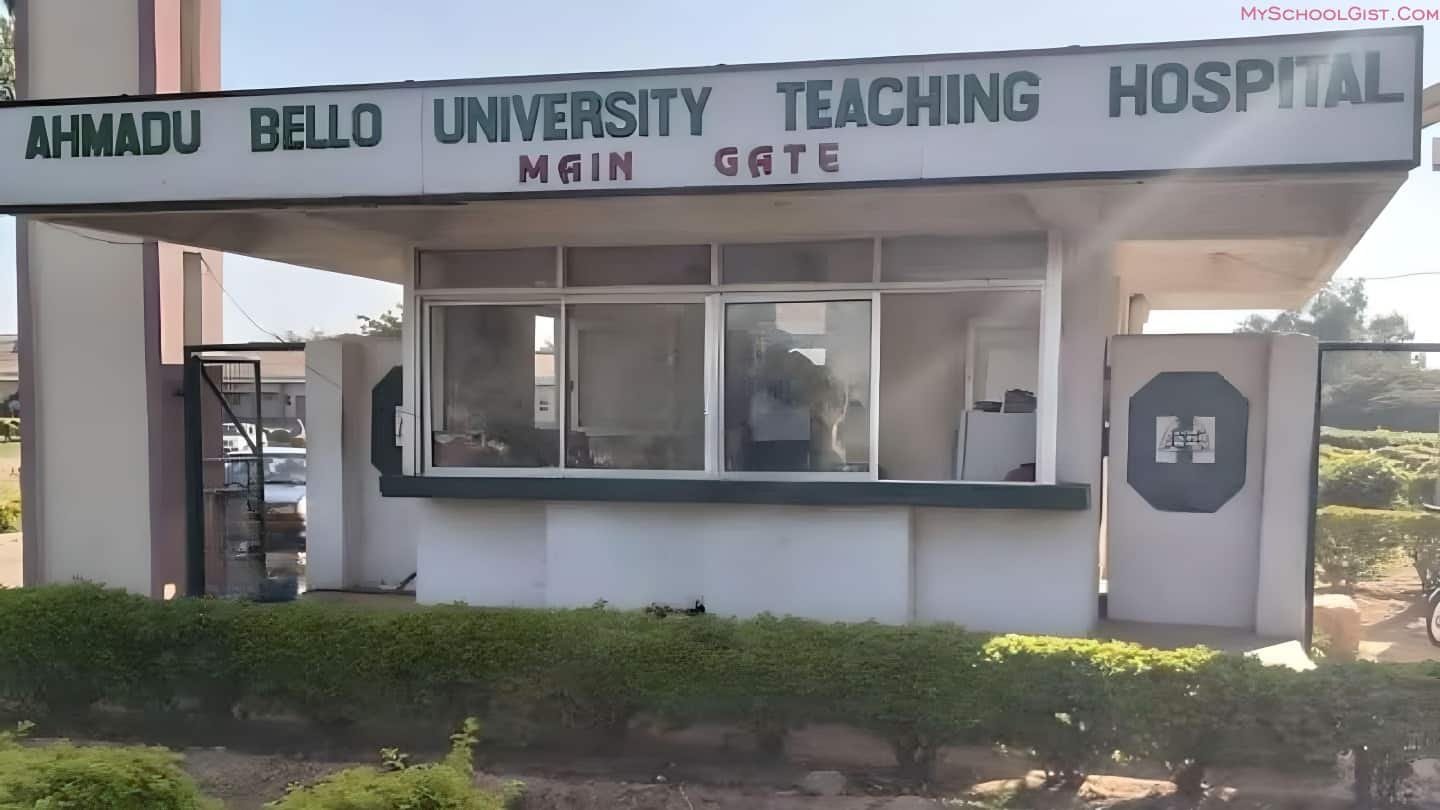
  • 100 Powerful Prayers for a Job Interview

    100 Powerful Prayers for a Job Interview

    Prayer can be a powerful tool to attain rest of mind and expression of faith in certain situations like preparing for a job interview. It aids you in practicing mindfulness or setting positive intentions before facing a stressful situation like a job interview.

    Prayer, if that is part of your practice, can be a powerful tool for achieving this state of mind. However, knowing the right prayers for a job interview can give you an edge. This writing contains clear, straightforward, Powerful prayers for job interviews, which you can subscribe to.

    If you feel that prayer would bring you comfort and confidence, then, by all means, go ahead. If you find other methods of pre-interview preparation more effective, then focus on those.

    The most important thing is to do what makes you feel ready and empowered to put your best foot forward.

    Do I need to pray before going for a job interview?

    Whether or not you need to pray before a job interview is a personal decision. Prayer can be a source of comfort and strength for many people, and it can help to focus your thoughts and intentions. Ultimately, the choice is up to you and what brings you the most peace and confidence.

    There is no right or wrong way to pray, so simply find what works best for you. And remember, even if you don’t pray, you can still have a successful interview. The most important thing is to be confident, prepared, and positive.

    Is it right for me to pray before going for a job interview?

    Here are some things to consider about that:

    Your personal beliefs: Do you find comfort and strength in prayer? Does it usually help you navigate stressful situations?

    Your preferred methods of preparation: Do you have other techniques for managing anxiety and boosting your confidence that work well for you? Meditation, positive affirmations, or visualization exercises might be helpful alternatives.

    The specific interview context: Is this a high-pressure situation where you feel extra nervous? Or is it a more relaxed and informal setting?

    Your comfort level: Are you comfortable praying in public or front of others? If you are not, you may want to find a private space to pray before your interview.

    Your interview preparation: Have you already done everything you can to prepare for your interview? If so, prayer can be a way to express your faith and trust that things will work out for the best.

    Do you believe in divine guidance? If you believe in a higher power that can guide your path, prayer can be a way to ask for wisdom, direction, and support during your job search.

    Does prayer align with your values? If prayer feels inauthentic or disingenuous to you, it’s not obligated. You can find other ways to prepare mentally and emotionally for your interview, such as practicing your responses, visualizing success, and focusing on your strengths.

    What Bible verse to read for a job interview?

    Choosing the perfect Bible verse for a job interview can depend on what qualities you want to highlight and the overall atmosphere. The best verse for you depends on your convictions and the specific job you’re interviewing for. 

    Choose one that resonates with you and reflects the qualities you want to bring to the role. Remember, you can also use the verse as a source of inspiration and personal guidance during the interview process.

    Here are a few options based on different needs:

    Confidence and Strength:

    Joshua 1:9: “Have I not commanded you? Be strong and courageous. Do not be frightened, and do not be dismayed, for the Lord your God is with you wherever you go.”

    Psalm 18:2: “The Lord is my rock and my fortress and my deliverer; my God is my rock, in whom I take refuge, my shield and the horn of my salvation, my stronghold.”

    Philippians 4:13: “I can do all things through him who strengthens me.”

    Humility and Servanthood:

    Micah 6:8: “He has shown you, O mortal, what is good. And what does the Lord require of you? To act justly and to love mercy and to walk humbly with your God.”

    Colossians 3:23-24: “Whatever you do, work at it with all your heart, as working for the Lord, not for human masters, since you know that you will receive an inheritance from the Lord as a reward. It is the Lord Christ you are serving.”

    Proverbs 22:29: “Do you see someone skilled in their work? They will stand before kings; they will not stand before the obscure.” (Emphasizes competence while remaining humble)

    General Good Luck and Guidance:

    Psalm 31:24: “But I trust in you, Lord. I say, “The Lord is my God.” (Simple expression of faith and trust)

    Proverbs 3:5-6: “Trust in the Lord with all your heart and lean not on your understanding; in all your ways submit to him, and he will make your paths straight.” (Highlights seeking guidance and trusting God’s path)

    Isaiah 41:10: “So do not fear, for I am with you; do not be dismayed, for I am your God. I will strengthen you, I will help you, I will uphold you with my righteous right hand.” (God’s presence and support)

    What Psalms is best for a job interview?

    The best Psalms for a job interview depend on the specific qualities you want to highlight and the atmosphere you want to create. It’s also important to consider the specific company and job you are interviewing for. If it’s a faith-based organization, choosing a Psalm that aligns with their values might be appropriate. 

    Ultimately, the best Psalm is the one that resonates with you and aligns with your values and the qualities you want to project in the interview.

    Here are a few options with different focuses:

    Psalm 23: This well-known Psalm offers a sense of God’s guidance and protection, which can be calming and reassuring before an interview. Verses like “The Lord is my shepherd, I shall not want” (Psalm 23:1) can provide confidence and strength.

    Psalm 27: This Psalm emphasizes hope and trust in God even in difficult situations. Verses like “The Lord is my light and my salvation; whom shall I fear? The Lord is the strength of my life; of whom shall I be afraid?” (Psalm 27:1) can instill courage and determination.

    Psalm 31: This Psalm expresses reliance on God for help and deliverance. Verses like “In you, O Lord, I put my trust; let me never be put to shame; deliver me in your righteousness” (Psalm 31:1) can show your faith and belief in God’s plan.

    Psalm 8: This Psalm praises God’s creation and acknowledges human limitations. Verses like “What is man that you are mindful of him, the son of man that you care for him?” (Psalm 8:4) can convey humility and a desire to serve a greater purpose.

    Psalm 145: This Psalm praises God for his goodness and righteousness. Verses like “The Lord is gracious and merciful, slow to anger and abounding in steadfast love” (Psalm 145:8) can demonstrate your positive outlook and appreciation for blessings.

    Psalm 127: This Psalm emphasizes the importance of teamwork and reliance on God. Verses like “If the Lord does not build the house, those who build it labor in vain. If the Lord does not watch over the city, the watchman stays awake in vain” (Psalm 127:1) can highlight your collaborative spirit and commitment to good outcomes.

    Powerful prayers for a job interview

    The power of prayer can be a source of immense comfort and strength during a job interview. While ultimately the outcome is up to the hiring manager, faith can provide the guidance and confidence needed to present your best self. Here are powerful prayers for a successful job interview, categorized by their focus:

    Prayers for Preparation and Focus:

    Dear God, grant me clarity of mind and focus as I prepare for my interview. Help me organize my thoughts and confidently articulate my skills and experiences. (Image of praying hands)

    Guide me, Lord, to identify my strengths and weaknesses relevant to the position. Let me showcase my capabilities while acknowledging areas for learning and growth.

    Fill me with peace and confidence, Lord. May I approach the interview with a calm and composed demeanor, leaving a lasting positive impression?

    Prayer for peace and clarity:

    Dear God, I come to you today feeling nervous and uncertain about my upcoming job interview. Please grant me peace and clarity of mind. Help me to focus on my strengths and qualifications and to articulate them with confidence. Guide me to the right words and actions to make a positive impression. Amen.

    Prayer for wisdom and guidance:

    Heavenly Father, I entrust this job interview to your care. Please guide me in my preparation and lead me to the path that is best for me. Grant me the wisdom to discern the right opportunity and the courage to pursue it with faith. Amen.

    Prayer for self-belief:

    Lord, I sometimes doubt myself and my abilities. Please fill me with confidence and self-belief as I prepare for this interview. Remind me of my worth and the unique gifts you have given me. Help me to present myself in a way that reflects your light and love. Amen.

    Prayer for a positive outcome:

    Dear Universe, I release this interview into your hands with trust and gratitude. May the outcome be aligned with your divine will and serve my highest good. I am open to all possibilities and trust that you will guide me to where I am meant to be. Amen.

    Prayers for Confidence and Courage:

    Heavenly Father, I surrender my anxieties and self-doubts to you. Replace them with your unwavering faith and the courage to face any challenge with grace. (Image of Jesus Christ)

    Remind me, Lord, of my past accomplishments and the value I bring to the table. Let me speak with conviction and enthusiasm about my contributions.

    Grant me the strength, Lord, to overcome any unexpected hurdles or curveball questions during the interview. Help me think on my feet and respond creatively.

    Prayer for Confidence in God’s Plan:

    Heavenly Father, I place my trust in Your divine plan for my life. As I prepare for this job interview, help me to believe in Your timing and purpose. Grant me the confidence that whatever the outcome, it aligns with Your greater plan for my future. Amen.

    Prayers for Discernment:

    Guide me, Divine Wisdom, to choose the right words and effectively answer all questions. Help me tailor my responses to the specific needs and values of the company.

    Open my mind and heart to discern the company culture and whether it aligns with my own values and aspirations. Help me make the best decision for my career path.

    Lead me, Lord, to the opportunity that is truly meant for me, even if it may not be the one I initially envisioned. Trust your divine plan for my career journey.

    Silent prayer for composure:

    In the quiet moments between questions, take a deep breath and offer a silent prayer for composure. Ask for God’s grace to be present with you, and for the strength to answer each question with honesty and integrity.

    Prayer for Divine Presence:

    Heavenly Father, I invite Your presence into this interview room. May Your spirit guide my words, actions, and thoughts. Let Your presence be felt, filling the room with peace and assurance. I am grateful for Your comforting presence. Amen.

    Prayer for Interviewers:

    God, I lift the interviewers before You. Grant them wisdom, fairness, and insight as they evaluate candidates. May they see beyond the words and recognize the potential in each applicant. Guide their decisions. Amen.

    Prayer for Strength in Weakness:

    Heavenly Father, I acknowledge my weaknesses and shortcomings. Grant me the strength to present myself authentically and honestly. Help me to discuss areas where I can improve while highlighting my strengths. Amen.

    Prayer for Perseverance:

    Lord, grant me perseverance during this interview process. Help me to stay focused and resilient, especially if faced with challenging questions or situations. Strengthen my resolve and keep me steadfast. Amen.

    Prayer for Post-Interview Peace:

    God of peace, after the interview, I surrender the outcome into Your hands. Grant me peace and patience as I await the results. Help me to trust in Your plan and to remain calm regardless of the outcome. Amen.

    Prayers for Gratitude and Acceptance:

    Thank you, God, for this interview opportunity. Regardless of the outcome, I am grateful for the chance to learn and grow.

    I surrender the results of this interview to your divine will, Lord. Teach me to accept the outcome with grace and peace, knowing it is part of your greater plan.

    Thank you, Lord, for the blessings in my life, including the skills and experiences that brought me to this point. I trust that you will continue to guide me on my career path.

    Tips to make effective prayers

    If you do decide to pray before your interview, here are a few tips:

    Focus on your gratitude: Thank God or whatever higher power you believe in for the opportunity to interview.

    Ask for guidance: Pray for wisdom, clarity, and confidence.

    Express your desires: Tell God or your higher power what you hope to achieve in your interview.

    Release your worries: Surrender your fears and anxieties to God or your higher power.

    Remember that you are not alone: Pray for the people you are meeting with, and ask for a positive outcome for everyone involved.

    Conclusion

    There is no right or wrong way to pray, so simply find what works best for you. And remember, even if you don’t pray, you can still have a successful interview. The most important thing is to be confident, prepared, and positive.

    References

  • 20 Frequently Asked  Primary Teacher Interview Questions and Answers

    20 Frequently Asked  Primary Teacher Interview Questions and Answers

    A primary teacher interview is an exciting step in your teaching career journey. Understanding its structure and common elements will help you prepare and present your best self. The interviews are a chance to showcase your passion for education, your teaching skills, and your fit with the school community. 

    By preparing well with these Frequently asked primary teacher interview questions and answers,, presenting confidently, and demonstrating your enthusiasm, you can make a strong impression and land your dream teaching job.

    What does a Primary Teacher Interview look like?

    Structure:

    Formal setting: Interviews usually take place in a designated room with the Headteacher, a panel of teachers, or a combination.

    Stages: They often involve multiple stages, like an application review, a written task, a teaching demonstration, and an interview itself.

    Length: Interviews typically last around 30-60 minutes, though some may be longer depending on the format and stage.

    Interview Session:

    Warm-up: Expect introductions, ice-breakers, and questions about your motivations for teaching and applying to this specific school.

    Experience and Skills: Be prepared to discuss your teaching experience, qualifications, and strengths. Highlight specific examples that demonstrate your effectiveness in the classroom.

    Teaching Philosophy: Share your approach to teaching and learning, emphasizing your preferred methods, classroom management strategies, and differentiation techniques.

    Curriculum and Assessment: Discuss your understanding of the national curriculum and your experience with various assessment methods.

    Scenario-based questions: You might encounter hypothetical situations related to classroom challenges, student behavior, or parent communication, requiring you to demonstrate your problem-solving skills and professional judgment.

    School-specific questions: Be prepared to answer questions about the school’s ethos, values, and unique features, demonstrating your understanding and potential fit within their environment.

    Open-ended questions: Be ready to answer questions like “What are your strengths and weaknesses?” or “Why should we choose you?” Prepare thoughtful and articulate responses that showcase your self-awareness and confidence.

    What is the purpose of primary teacher Interview Questions 

    Primary teacher interview questions serve several important purposes for both the school and the potential candidate. They are designed to provide a comprehensive picture of the candidate’s qualifications, experience, skills, and potential. 

    It helps schools identify the best possible fit for the role, ensuring they hire talented and dedicated individuals who can contribute positively to the education and well-being of their students.

    For the school, they are a way to:

    Assess the candidate’s qualifications and experience: This includes their education, teaching license, and any relevant experience working with children.

    Evaluate the candidate’s skills and abilities: The school will want to know about the candidate’s teaching style, classroom management skills, and ability to differentiate instruction.

    Get a sense of the candidate’s personality and fit: The school wants to make sure that the candidate is a good fit for their school culture and will be able to work effectively with their team.

    For the candidate, the interview is an opportunity to:

    Learn more about the school: This includes the school’s philosophy, curriculum, and student population.

    Showcase their skills and experience: The candidate should be prepared to answer questions about their teaching style, classroom management techniques, and successes as a teacher.

    Make a good impression: The interview is the candidate’s first chance to make a good impression on the school, so it is important to be professional, enthusiastic and prepared.

    20 Frequently Asked Primary Teacher Interview Questions with Answers

    General Background and Motivation:

    Tell me about yourself. – Keep it concise, and relevant to teaching, and highlight experiences that showcase your passion and skills.

    Why do you want to work at this school? – Research the school and tailor your answer to their unique mission and values.

    What are your long-term career goals in education? – Show them you’re invested in growth and committed to the profession.

    Why did you choose teaching as a career? – Share a genuine and personal story that demonstrates your love for learning and children.

    Teaching Philosophy and Skills:

    Describe your teaching style. – Briefly explain your approach (e.g., inquiry-based, collaborative, etc.) and provide examples.

    How do you differentiate instruction to meet diverse learning needs? – Emphasize your ability to adapt and cater to individual students.

    How do you create a positive and inclusive classroom environment? – Illustrate how you build relationships, foster respect, and celebrate differences.

    What strategies do you use for classroom management? – Explain your approach to maintaining order while keeping students engaged and motivated.

    How do you assess student learning effectively? – Discuss your methods for formative and summative assessments, focusing on feedback and improvement.

    Experience and Challenges:

    Describe a challenging teaching experience and how you handled it. – Be honest about the challenge, but emphasize the positive outcome and what you learned.

    How do you collaborate with colleagues and parents? – Show your commitment to teamwork and communication with key stakeholders.

    How do you integrate technology into your teaching? – Explain your comfort level with technology and showcase innovative ways you use it in the classroom.

    What are your strengths and weaknesses as a teacher? – Be self-aware and honest, but focus on turning weaknesses into opportunities for growth.

    Hypothetical Situations and Future Focus:

    How would you handle a student who is struggling academically? – Demonstrate your commitment to providing support and differentiated instruction.

    How would you respond to a parent who is concerned about their child’s progress? – Show your ability to communicate effectively and collaboratively with parents.

    What are your thoughts on current trends in education? – Express your knowledge of current issues and willingness to adapt to evolving practices.

    How to prepare for a primary Teacher interview

    Achieving success in a primary teacher interview is all about showcasing your passion for education, understanding of child development, and ability to create a nurturing and engaging learning environment. Here are some steps to prepare:

    Research the School:

    Website: Scour the school website for its mission, values, curriculum, extracurricular activities, and student demographics. This knowledge shows you’ve put in effort and aligns your values with theirs.

    Social Media: Check their social media pages for a glimpse into school culture, events, and achievements.

    Ofsted Report: If available, review the school’s Ofsted report for insights into their strengths and areas for improvement.

    Prepare for Common Questions:

    General: Tell me about yourself, why you want to teach at this school, and what are your strengths as a teacher.

    Experience: Describe a time you handled a challenging student, how you differentiated instruction, and how you involved parents in learning.

    Teaching Style: Describe your teaching philosophy, how you create an engaging classroom environment, and what are your favorite teaching methods.

    Curriculum: How do you make learning relevant and enjoyable for young children, how do you incorporate technology into your teaching?

    Practice Your Answers:

    Rehearse your responses to common questions aloud, focusing on clear communication, positive energy, and specific examples.

    Ask a friend or family member to conduct a mock interview for feedback.

    Other helpful Tips:

    • Stay positive and enthusiastic.
    • Focus on results and evidence-based practices.
    • Use specific examples and anecdotes to illustrate your points.
    • Ask questions to show your interest in the school and position.
    • Practice your answers beforehand, but avoid sounding scripted.
    • Be authentic and passionate about your role as a teacher.

    Conclusion

    Primary teacher interview questions are an important part of the hiring process for both the school and the candidate. By asking the right questions, the school can find the best teacher for their students, and by being prepared, the candidate can increase their chances of landing the job. 

    So understanding the structure, common questions, and setting, will help you approach your primary teacher interview with confidence. Prepare well, stay calm, and let your passion for teaching shine through. Good luck!

    FAQs

    What is your teaching style interview answer?

    I use a hands-on technique and am approachable to my students.

    How do you introduce yourself in a school interview?

    Introduce yourself by providing details like name, place, brief background, your hobbies, and your reason for being here. 

    How does a teacher interview work?

    Teaching interviews will focus on: your application, your teacher training and school experience, previous work experience, interests, suitability for the particular school, and what you can contribute. 

    References