Author: Daniel Scientist

  • 100+ Open-Ended Survey Questions Examples

    100+ Open-Ended Survey Questions Examples

    Open-ended survey questions are a powerful tool for gathering rich and detailed feedback from your customers, employees, or target audience. Unlike closed-ended questions (an example is the question involving “Yes or No” response), which limit the respondents to predefined choices, open-ended survey questions allow them to express their opinions, feelings, and experiences in their own words.

    This can reveal valuable insights that you may not have anticipated or included in your survey options. However, creating effective open-ended survey questions is not as easy as it may seem. You need to consider the purpose, wording, length, and format of your questions, as well as how to analyze and interpret the responses.

    This article lists over 100 examples of open-ended survey questions for various domains and scenarios. We will also share some tips and best practices on how to use open-ended survey questions to get the most out of your surveys, as well as how to go about analyzing the results.

    What are Open-Ended Survey Questions?

    This type of survey question known as “open-ended survey questions” allows customers to provide their opinions without predefined answer options. These questions are designed to gather information and encourage customers to express their thoughts freely, using sentences, records, or stories.

    As the term implies, when customers respond to open-ended survey questions, they have the freedom to share feedback in their own words. Unlike closed-ended questions that offer specific choices, open-ended questions provide a more open platform for diverse responses.

    When creating a feedback form, you have the option to include various types of survey questions. This includes both open-ended and closed-ended questions, each having its own set of advantages and disadvantages.

    See also: 20 Frequently Asked Microfinance Bank Interview Questions and Answers

    Are Open-Ended Survey Questions Qualitative or Quantitative?

    Open-ended survey questions are like storytellers—capturing the rich details and personal experiences. They fall into the qualitative category, providing a deeper understanding of thoughts and feelings.

    Unlike numbers, they paint a vivid picture, making them qualitative. So, if you want to dive into the “why” and “how” behind responses, open-ended questions are your qualitative guides.

    See also: 20 Frequently Asked Facility Management Interview Questions

    Open-Ended Questions Examples for Survey Research & Feedback Form

    If you want to collect important information and opinions from your audience, incorporating open-ended survey questions into your questionnaires can be a highly effective strategy.

    These questions empower respondents to share in-depth and personalized feedback, providing you with a more profound insight into their experiences and viewpoints.

    Whether you’re conducting surveys for customer feedback, employee opinions, patient experiences, or student perspectives, consider including some of the following examples of excellent open-ended questions in your surveys:

    Examples of Open-Ended Questions for Customer Feedback

    Utilizing good open-ended survey questions for gathering customer feedback focuses on grasping the intention behind customers’ purchases. The insights derived from these responses assist brands in making decisions that align with customer interests, ultimately aiming to boost conversions and sales.

    Here are a few examples of open-ended survey questions that you can incorporate:

    1. How would you describe your overall experience with our product/service?
    2. Can you share a specific moment that exceeded your expectations?
    3. What features or improvements would make our product/service even better for you?
    4. In your own words, how did our team handle any challenges you faced?
    5. Could you elaborate on a situation where our product/service fell short of your expectations?
    6. What motivated you to choose our product/service over alternatives?
    7. Can you recall a particularly positive interaction with our customer support team?
    8. How has our product/service positively impacted your daily life or work?
    9. Are there any specific areas where you feel we could enhance our communication?
    10. Can you share a recent instance where our product/service provided a unique solution for you?
    11. In what ways can we tailor our offerings to better suit your needs?
    12. Could you describe the key factors influencing your decision to continue using our product/service?
    13. Is there a specific feature or aspect of our product/service that stands out as particularly valuable to you?
    14. How would you describe the value for money you receive from our product/service?
    15. Can you share any suggestions for making our product/service more user-friendly or intuitive?

    Open-Ended Questions for Employee Feedback

    Workplaces often face unforeseen challenges that employers may not have expected. To tackle this, it is advisable to allow employees to provide feedback using open-ended survey questions.

    Consider incorporating the following Open-Ended questions into your employee surveys:

    1. How would you describe your overall job satisfaction?
    2. Can you share a recent accomplishment that you’re proud of?
    3. What aspects of your role do you find most fulfilling?
    4. In what ways can we support your professional development?
    5. How do you envision improving teamwork within your department?
    6. Can you provide insights on work-life balance within our organization?
    7. What challenges do you foresee in achieving your career goals here?
    8. Are there specific skills or training you believe would enhance your performance?
    9. How would you rate communication within our team?
    10. Can you suggest ways to improve employee morale in the workplace?
    11. What changes could enhance the efficiency of our current processes?
    12. In your opinion, what strengths and weaknesses exist in our team dynamics?
    13. Can you share any ideas for fostering a more inclusive work environment?
    14. How do you feel about the recognition and rewards system in place?
    15. Are there any concerns or issues you’d like to address regarding your work experience here?

    See also: 100+ Frequently Asked Research Questions About Mental Health with Sample Answers

    Examples of Open-Ended Questions for Retail

    In the realm of retail survey inquiries, it is vital for success to comprehend customer preferences and enhance the overall shopping experience.

    Open-ended survey questions offer a chance to collect valuable insights from customers, enabling informed decision-making aimed at improving their retail experience.

    1. What factors influence your decision to shop at our store?
    2. Can you describe a memorable customer service experience you’ve had here?
    3. How would you improve the layout of our store for better convenience?
    4. What products or brands would you like to see added to our inventory?
    5. Can you share a specific instance where our staff exceeded your expectations?
    6. How would you rate the overall shopping atmosphere in our store?
    7. In your opinion, what sets our store apart from competitors?
    8. Can you suggest ways to enhance our online shopping experience?
    9. What motivated you to make a recent purchase at our store?
    10. Are there specific promotions or discounts you find most appealing?
    11. How would you rate the cleanliness and organization of our store?
    12. Can you share feedback on the checkout process and wait times?
    13. Are there any particular services you wish our store offered?
    14. What challenges, if any, have you encountered during your shopping experiences?
    15. Can you provide insights on the effectiveness of our product displays?

    Open-ended question Examples for Hospitality

    In the hospitality sector, grasping the requirements and desires of guests is essential for delivering outstanding service.

    Introducing open-ended survey questions into your hotel surveys enables establishments to collect valuable insights and make decisions grounded in data, enhancing their services and surpassing guest expectations.

    Adopting this customer-centric approach can result in heightened guest satisfaction, positive reviews, and repeat business, ultimately contributing to the hotel’s success.

    Consider incorporating the following open-ended questions into your surveys.

    1. How would you describe your overall experience during your stay?
    2. Can you recall a specific moment that exceeded your expectations?
    3. In what ways can we enhance the comfort of your accommodations?
    4. What factors influenced your choice of our hospitality services?
    5. Can you share a positive interaction with our staff during your visit?
    6. How would you rate the variety and quality of our dining options?
    7. Can you suggest improvements to our guest services or amenities?
    8. What aspects of our hospitality stood out as particularly enjoyable?
    9. Can you provide insights on any challenges you faced during your stay?
    10. How do you feel about the overall ambiance and cleanliness of our facility?
    11. Can you share any ideas for making our check-in/check-out process smoother?
    12. What additional services or activities would enhance your experience with us?
    13. How likely are you to recommend our hospitality services to others?
    14. Can you describe any specific efforts that made you feel valued as a guest?
    15. In what ways can we tailor our services to better meet your preferences?

    See also: 250+ Best Halloween Trivia Questions for Kids with Answers (Easiest to Hardest)

    Examples of Open-Ended Questions for eCommerce Surveys

    Survey questions in the realm of eCommerce play a crucial role in obtaining significant insights from customers about their interactions with the online store. These questions can be posed after various events such as a purchase, order delivery, or cart abandonment. Business development managers will benefit from this.

    By utilizing open-ended survey questions, businesses can delve into the reasons behind positive or negative experiences, address highlighted issues, and enhance the overall customer experience, leading to increased sales.

    1. How would you describe your overall shopping experience on our website?
    2. Can you share a specific feature that made your online shopping convenient?
    3. In what ways can we improve our website’s user interface?
    4. What factors influenced your decision to make a recent online purchase?
    5. Can you provide feedback on our customer support’s responsiveness?
    6. How would you rate the clarity of product information on our site?
    7. Can you suggest additional payment options that would enhance your experience?
    8. What challenges, if any, did you encounter during the online checkout process?
    9. How likely are you to recommend our eCommerce platform to others?
    10. Can you share any ideas for promotions or discounts that would appeal to you?
    11. What improvements can we make to our shipping and delivery services?
    12. Can you describe a positive interaction with our online customer service team?
    13. How do you feel about the security and privacy measures on our website?
    14. Can you suggest ways to enhance the product search and navigation features?
    15. What additional product categories or brands would you like to see on our site?

    Open-Ended Survey Questions Examples for Patient Feedback

    In responding to health survey questions, 76% of patients opted to include one or more comments in their questionnaires as revealed by the National Institute of Health. Numerous factors within healthcare impact the quality of medical care, and each patient’s experience is distinct.

    Hence, incorporating open-ended survey questions in patient surveys becomes crucial to uncover challenges that might otherwise go unnoticed.  

    1. How would you describe your overall experience with our healthcare services?
    2. Can you share a specific instance where our medical staff exceeded your expectations?
    3. In what ways can we improve the comfort and atmosphere of our facilities?
    4. What factors influenced your choice of our healthcare provider?
    5. Can you provide feedback on the clarity of information provided about your treatment?
    6. How would you rate the effectiveness of our communication during your care?
    7. Can you suggest improvements to streamline the appointment scheduling process?
    8. What additional services or resources would enhance your patient experience?
    9. How likely are you to recommend our healthcare facility to others?
    10. Can you describe any challenges or concerns you encountered during your treatment?
    11. What aspects of our healthcare services stood out as particularly positive for you?
    12. Can you share any ideas for educational resources or support for patients?
    13. How do you feel about the cleanliness and organization of our healthcare facilities?
    14. Can you suggest ways to enhance the patient check-in/check-out process?
    15. In what ways can we tailor our services to better meet your healthcare needs?

    See also: 250+ Best Anime Trivia Questions and Answers (Easiest to Hardest)

    Open-ended Questions for Lead Generation

    In lead generation surveys, posing open-ended questions holds significance as it aids brands in gaining deeper insights into potential leads.

    This understanding becomes valuable for crafting effective strategies to retarget those leads in case immediate conversion doesn’t occur.

    Here are a few instances of open-ended questions suitable for lead-generation surveys:

    1. What prompted you to explore our products/services?
    2. Can you describe a specific challenge or goal you’re facing in your business?
    3. How did you first learn about our company?
    4. In what ways can we tailor our offerings to better suit your needs?
    5. Can you elaborate on your current decision-making process for choosing a solution?
    6. What specific features or benefits are you looking for in a product/service?
    7. Can you share any past experiences with similar products/services?
    8. How do you envision our solution addressing your unique requirements?
    9. What factors influence your timeline for making a purchase decision?
    10. Can you provide insights into your budget considerations for this solution?
    11. What challenges, if any, have you encountered in your current setup?
    12. Can you describe your ideal outcome or goal in adopting a new solution?
    13. How would you prioritize the importance of various features in a solution?
    14. Can you share any concerns or hesitations you may have about our product/service?
    15. In what ways can our team support you throughout the decision-making process?

    Examples of Open-Ended Survey Questions for Student Feedback

    In colleges and universities, many students may not only wish to share their thoughts on various aspects such as courses, faculty, campus facilities, scholarships, or Pell Grants but may also possess valuable suggestions to enhance academic standards and the overall campus atmosphere.

    To encourage candid student feedback, consider posing the following open-ended survey questions:

    1. How would you describe your overall learning experience in this course?
    2. Can you share a specific aspect of the class that you found particularly engaging?
    3. In what ways can we improve the clarity of course materials and instructions?
    4. What factors influenced your decision to enroll in this program or course?
    5. Can you provide insights into your preferred learning style and preferences?
    6. How would you rate the effectiveness of communication from instructors and staff?
    7. Can you suggest improvements to enhance the online learning platform or tools?
    8. What additional resources or support would enhance your academic experience?
    9. How likely are you to recommend this course or program to your peers?
    10. Can you describe any challenges or concerns you encountered during your studies?
    11. What aspects of the course stood out as particularly positive for you?
    12. Can you share any ideas for extracurricular activities or student engagement?
    13. How do you feel about the assessment methods and feedback provided?
    14. Can you suggest ways to improve the student registration and enrollment process?
    15. In what ways can we tailor our educational services to better meet your needs?

    See also: 250+ Best Math Trivia Questions and Answers (Easiest to Hardest)

    Analyzing Open-Ended Survey Questions

    Doing the analysis of open-ended survey questions is like decoding messages from friends.

    First, read through the responses to understand the main ideas. Look for patterns, grouping similar answers. It’s like sorting puzzle pieces!

    Next, categorize the comments based on common themes, creating a clear picture. Think of it as organizing thoughts into folders.

    After grouping, identify any trends or recurring sentiments. Imagine these trends as the heartbeat of your feedback.

    Lastly, summarize your findings, turning complex ideas into simple takeaways.

    Analyzing open-ended questions is a bit like storytelling – you uncover the narrative within the responses, making the process both insightful and approachable.

    See also: 250+ Best Holiday Trivia Questions and Answers (Easiest to Hardest)

    Why Should You Use Open-Ended Questions in Your Survey?

    Consider incorporating open-ended survey questions into your feedback surveys for the following reasons:

    #1. Get Detailed Information

    Occasionally, the responses from your participants may lack the depth needed to draw meaningful conclusions.

    For instance, if a customer rates your brand poorly, the specific reason might remain unclear unless you directly inquire about it. This issue can be addressed through the inclusion of open-ended survey questions.

    Furthermore, open-ended questions offer an opportunity to obtain elaborate responses on specific aspects, such as your customer’s experience with a recently launched product or service.

    #2. Empower Respondents

    While focusing on quantitative data for analysis is common for product or service providers, it may overlook the importance of conveying to customers that their opinions truly matter.

    Open-ended survey questions provide a platform for customers to freely express their thoughts, emphasizing their experiences rather than just numerical data. This approach can empower customers, making them feel genuinely heard and valued.

    See also: 20+ Frequently Asked PTDF Interview Questions

    #3. Obtain Qualitative Data

    A survey employing closed-ended questions yields quantitative results, while the use of open-ended survey questions facilitates the collection of qualitative data. This approach enables not only the measurement of respondents’ satisfaction or loyalty to a brand but also the capture of their diverse viewpoints, varied perceptions, and genuine opinions. This, in turn, provides valuable insights that can drive more significant positive changes.

    Consider a scenario where a patient expresses satisfaction with the care received at a hospital but encounters difficulty in scheduling appointments online. Through an open-ended question, the patient can highlight this issue, prompting the healthcare facility to address the concern by developing a website to enhance the ease of appointment bookings for patients.

    #4. Capture an Infinite Range of Answers

    In contrast to closed-ended questions, open-ended survey questions don’t impose restrictions on responses. This allows customers or respondents to provide unexpected answers that may offer valuable insights.

    For instance, a retail store survey may gather feedback on product quality, customer service, and return policies. However, through a single open-ended question, customers can bring attention to issues that might typically escape notice, such as inadequate parking or a lack of self-service options.

    #5. Improve Customer Satisfaction

    In certain situations, relying solely on quantitative data may fall short in guiding crucial decision-making. However, by incorporating open-ended survey questions into your customer satisfaction surveys, you gain insights into your customers’ preferences, likes, and needs.

    This understanding paves the way for innovation and improvement that directly aligns with their expectations. When utilized effectively, open-ended questions have the potential to significantly enhance customer satisfaction.

    See also: 250+ Best Geography Trivia Questions and Answers (Easiest to Hardest)
    Tips & Best Practices to Use Open-Ended Survey Questions More Effectively

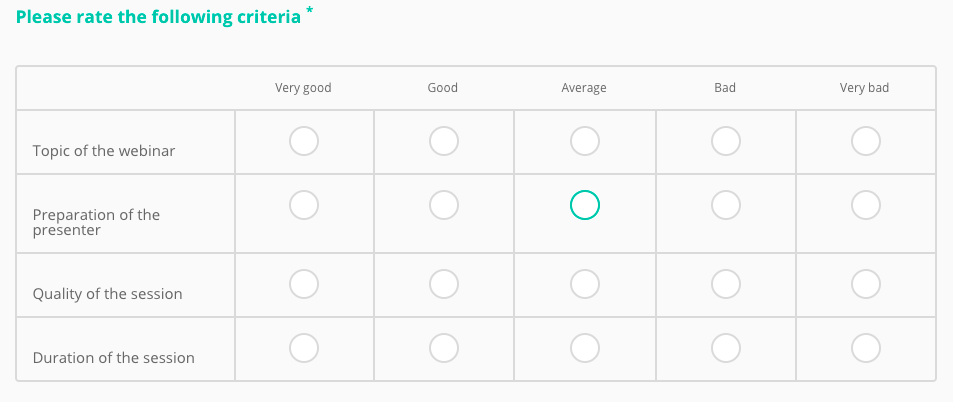
    Surprisingly, relying solely on open-ended questions may have a detrimental impact on your survey response rates.

    To ensure a balance between ease of participation for respondents and the quality of responses, it is essential to incorporate a combination of closed-ended questions and open-ended survey questions.

    This approach optimizes the survey-taking experience, encouraging higher response rates without compromising the depth and quality of the feedback received.

    • Categorize all potential answers into groups for respondents to choose from.
    • To encourage participants to share their experiences with your brand, include an open-ended survey question towards the survey’s conclusion.
    • Reiterate or rephrase their responses to demonstrate engagement and confirm understanding, fostering further elaboration.
    • Strike a balance between open-ended and closed-ended questions for a structured yet expressive survey format.
    • Strategically place open-ended questions, as starting with them prompts participants to delve deeper into the topic early on.
    • While open-ended questions are valuable, use them judiciously to avoid overwhelming respondents. Prioritize the most crucial aspects.
    • For broader surveys, consider categorizing open-ended responses based on demographics or other pertinent factors for nuanced analysis.
    • Be prepared for the qualitative data and sentiment analysis phase. Coding or categorizing responses aids in identifying patterns and themes.

    See also: 250+ Best Christmas Trivia for Kids Questions and Answers (Easiest to Hardest)

    FAQs

    What does an open-ended survey mean?

    An open-ended survey question is a question that allows respondents to answer in their own words. Questions like these can be used to gather qualitative data about people’s opinions, perceptions, and experiences.

    What is an example of an open-ended question survey?

    For example, if you have a closed question like – “Do you think the product was efficient?” with the options “Yes” and “No”, you can follow it up with an open question like “How do you think we can make the product better in future?” Regarding surveys, the advantages of open questions surpass that of closed ones.

    How many open-ended questions in a survey?

    It is recommended that you use only three to five open-ended questions in your survey to increase participation. Another good rule of thumb is to only create open-ended questions when using a multiple-choice format would not suffice.

    What is the sample size for an open-ended survey?

    Many statisticians concur that a sample size of 100 is the minimum you need for meaningful results. If your population is smaller than that, you should aim to survey all of the members. The same source states that the maximum number of respondents should be 10% of your population, but it should not exceed 1000.

    What is the disadvantage of open-ended questions?

    One of the main disadvantages of open-ended questions is that it takes time for the customers to write feedback in their own words.

    Conclusion

    If you aim to gain precise customer insights into their feelings, attitudes, and perspectives regarding your products, services, and organization, effective open-ended survey questions can play a role similar to how line managers use open questions to encourage team members to share openly.

    However, if your goal is to swiftly collect quantitative statistics on customer feedback, relying solely on open-ended questions may not be the most efficient choice. An optimal survey design involves a balanced combination of both open-ended and closed-ended questions.

    References

    • Zonkafeedback.com – Open-Ended Questions: Examples, Benefits, and Best Practices
    • Hotjar.com – How to analyze Open-Ended questions in 5 steps [template included]

    Recommendations

  • 35+ Post-Webinar Survey Questions You Must Ask for Quality Feedback

    35+ Post-Webinar Survey Questions You Must Ask for Quality Feedback

    In the modern era where we value information, we understand the importance of collecting feedback from participants once our online webinars are done. However, figuring out the most effective questions for the post-webinar survey is not always an easy pie.

    By asking the appropriate post-webinar questions in the survey afterward, you can gather valuable information that will enhance the overall quality and effectiveness of your programs. This will not only give you insights into your participants but also strengthen the connections you’ve established with them.

    This article lists over 35 good post-webinar survey questions you must ask for quality feedback. Let’s get started!

    Why Should You Do a Post-Webinar Survey?

    Here are some interesting reasons you should do a post-webinar survey:

    #1. To Scale Up your Efforts

    According to information from Businesswire, the utilization of webinars has surged by an impressive 162%. Additionally, the number of attendees has quadrupled, reaching over 60 million people.

    This indicates a significant rise in both individuals and businesses venturing into webinar hosting for the first time. To expand and distinguish yourself, it’s essential to gather feedback on your performance.

    #2. To Improve the Webinar Quality

    Smooth operations are not guaranteed, and there’s constant room for enhancement. Post-webinar survey questions offer the input necessary to fine-tune various aspects of your event, addressing technical glitches, generating new topic ideas, and enhancing the overall participant experience.

    See also: 250+ Best St Patrick’s Day Trivia Questions and Answers (Easiest to Hardest)

    #3. To Understand your Audience

    Engaging in post-webinar survey questions strengthens the connections established during the webinar. By strategically posing follow-up questions, you gain a better understanding of your audience and their requirements.

    These survey questions can also pinpoint the elements that encourage an attendee to return for future events. Ultimately, the goal is to provide value, ensuring they continue participating in your webinars and eventually transform into reliable sources of qualified leads.

    #4. To Earn Social Proof

    Utilizing post-webinar survey questions demonstrates appreciation for your audience, contributing to the development of your brand.

    Furthermore, the surveys conducted after the webinar can generate impactful social proof in the form of positive reviews. These reviews can be showcased on your webinar landing page, attracting more registrations for upcoming events. This proves particularly beneficial when introducing an online course or initiating a recurring seminar.

    See also: 250+ Best Math Trivia Questions and Answers (Easiest to Hardest)

    When and How to Use Post-Webinar Surveys

    Having successfully emphasized the importance of this survey type, let’s delve into the details. If you’re pondering the optimal timing for dispatching a survey, two fail-safe options come into play.

    Before the Webinar is Over

    You might see it as being proactive, but at times, the most effective approach is to send a survey before the webinar concludes. During the webinar, you can announce that the survey has been sent, encouraging the audience to complete it. This is also the perfect moment to highlight any survey incentives, if applicable.

    Crucially, a significant portion of your webinar audience tends to leave before the event concludes. Statistics reveal that only 40% of attendees stay until the webinar’s conclusion. Hence, it’s a sensible approach to send out a survey in advance.

    Just After the Webinar

    By leveraging contemporary webinar software alongside email marketing tools, you can establish automated workflows to dispatch your surveys promptly after a webinar concludes. This approach is considered highly reliable, devoid of human intervention, ensuring that everyone on the mailing list receives identical surveys.

    See also: 250+ Best Holiday Trivia Questions and Answers (Easiest to Hardest)

    How Many Questions Should a Post-webinar Survey Have?

    For optimal responses, it’s advisable to limit the survey to no more than 10-12 questions. Structure the survey to be completed within a concise 5-minute timeframe.

    Respect the time of the respondent, emphasizing only essential points. Utilize the provided sample post-webinar survey questions to craft your upcoming webinar feedback form and maximize the number of responses

    See also: 250+ Best Halloween Trivia Questions for Kids with Answers (Easiest to Hardest)

    Post-webinar Survey Questions that Would Work for Your Organization

    General Post-Webinar Survey Questions

    1. How satisfied were you with the overall content of the webinar?
    2. Did the presentation meet your expectations in terms of clarity and relevance?
    3. How effective was the speaker in communicating and engaging with the audience?
    4. What is your feedback on the technical aspects, including platform usability and audio-visual quality?
    5. How likely are you to recommend this webinar to others?
    6. Do you have any suggestions for improving future webinars?
    7. What specific topics would you be interested in for upcoming webinars?
    8. Can you provide demographic information, such as your industry or role, for audience analysis?
    9. Rate your overall experience with the webinar on a scale of 1 to 10.
    10. Any additional comments or feedback you would like to share?

    See also: 250+ Best Greek Mythology Vacation Trivia Questions and Answers (Easiest to Hardest)

    Webinar Attendee Satisfaction Questions

    1. Did the webinar content meet your expectations and provide valuable insights?
    2. How engaging did you find the speaker’s presentation during the webinar?
    3. Were the technical aspects of the webinar, such as platform usability and audio-visual quality, satisfactory?
    4. Did the webinar address your specific interests or needs?
    5. How likely are you to attend another webinar hosted by the same organization?
    6. On a scale of 1 to 10, how well did the webinar meet your learning objectives?
    7. Were the provided materials and resources useful in enhancing your understanding of the topic?
    8. Did you find opportunities for interaction, such as Q&A sessions, valuable during the webinar?
    9. How satisfied were you with the overall webinar experience?
    10. Any additional comments or suggestions to improve the satisfaction of future webinar attendees?

    Post-Webinar Questions about the Content, Format, and Speakers

    1. How would you rate the relevance and quality of the webinar content?
    2. Did the format of the webinar (e.g., presentation style, interactive elements) enhance your overall experience?
    3. Were the speakers knowledgeable and effective in delivering the information?
    4. Did the webinar effectively cover the intended topic or subject matter?
    5. How would you rate the pacing of the webinar? Was it too fast, too slow, or just right?
    6. Were the visuals and supporting materials (slides, videos) clear and helpful?
    7. Did the panel discussion or Q&A session contribute to a better understanding of the content?
    8. How well did the speakers engage the audience and maintain interest throughout the webinar?
    9. Were there any specific aspects of the content, format, or speakers that you found particularly noteworthy or problematic?
    10. What suggestions do you have for improving the content, format, or speaker dynamics in future webinars?

    See also: 250+ Best Geography Trivia Questions and Answers (Easiest to Hardest)

    Technical Post-webinar Questions

    1. How would you rate the overall technical performance of the webinar platform?
    2. Did you encounter any difficulties accessing or navigating the webinar platform?
    3. Were there any issues with audio clarity or disruptions during the webinar?
    4. Did you experience any challenges with video quality or buffering?
    5. How user-friendly did you find the interface and controls of the webinar platform?
    6. Were you able to participate in interactive elements, such as polls or chat, without any technical issues?
    7. Did you receive timely and clear instructions on how to join and participate in the webinar?
    8. Were there any compatibility issues with the webinar platform and your device or browser?
    9. Did you encounter any challenges when submitting questions or feedback through the platform?
    10. How satisfied are you with the overall technical setup and performance of the webinar?

    Do you want to know how to answer technical interview questions? Read this article on 30 Most Commonly Asked Technical Interview Questions. You will find it helpful

    Zoom Post-Webinar Survey Questions

    1. How satisfied were you with the overall Zoom webinar experience?
    2. Did you encounter any difficulties joining or accessing the Zoom webinar?
    3. How would you rate the audio quality during the Zoom webinar?
    4. Were there any issues with video clarity or disruptions while using Zoom?
    5. Did you find the Zoom interface and controls easy to navigate?
    6. Were interactive features, such as polls or chat, functional and user-friendly on Zoom?
    7. Did you receive clear instructions on how to participate in the Zoom webinar?
    8. Were there any compatibility issues between Zoom and your device or browser?
    9. How would you rate the overall technical performance of Zoom during the webinar?
    10. Any additional comments or suggestions regarding the Zoom platform for future webinars?

    See also: 250+ Best Game of Thrones Trivia Questions and Answers (Easiest to Hardest)

    Template Sample of Post-webinar Survey Questions

    See also: 100+ Frequently Asked Research Questions About Mental Health with Sample Answers

    Tips for Post-webinar Survey Questions

    After investing time and effort into your event, it’s crucial to maximize the benefits! Here’s a 10-point checklist to guide you:

    1. Dispatch your survey immediately after the webinar concludes, ideally within an hour.
    2. Share the survey through a URL, SMS, or embed for swift responses.
    3. Express gratitude to attendees for their participation.
    4. Reach out to those who registered but didn’t attend, offering them the webinar recording since they expressed interest in your content.
    5. Address negative reviews to identify areas for improvement and potentially turn critics into supporters.
    6. Advertise your upcoming webinar or related events to secure early signups.
    7. Examine key webinar metrics such as click-throughs, attendance numbers, and viewer engagement time.
    8. Scrutinize the feedback from post-webinar survey questions.
    9. Strategize for your next webinar, incorporating lessons learned and feedback to enhance the event.
    10. Transform webinar content into blogs, social media clips, infographics, and other pieces to extend its relevance and reach beyond the live session.

    See also: 250+ Best Christmas Trivia for Kids Questions and Answers (Easiest to Hardest)

    How to Gain the Most From a Webinar Survey

    After investing effort in creating your survey, ensuring it delivers a valuable return is crucial. The survey’s goal is to prompt participants to provide insightful answers.

    Customize the questions to gather specific information, such as insights for improvement, a deeper understanding of your audience, and growing your email list for lead acquisition.

    Regardless of the survey’s purpose, it’s standard to collect participants’ names and email addresses to facilitate follow-ups, whether or not they attended the webinar.

    The success of your survey depends on user-friendliness, encouraging more responses. Keep it brief and straightforward to avoid intimidating participants.

    Incorporate a sufficient number of close-ended questions, aiding participants in making easy choices and facilitating streamlined analysis for you. Leave room for additional comments, allowing participants the freedom to express their thoughts thoroughly.

    To maximize the response rate, implement proper distribution methods, considering factors like delivery, format, and messaging.

    Account for the various devices your audience may use, their webinar experience and perceived value, and the time commitment required for the questionnaire. Also, make good use of social media platforms.

    By addressing these considerations, you enhance the effectiveness of your post-webinar survey questions.

    FAQs

    What is post event questionnaire?

    In short, a post-event survey is a questionnaire sent to event attendees after the experience has concluded to gather feedback. An event could be anything from an intimate gathering of members to your yearly over-the-top gala. In both situations, a post-event survey is crucial to get inside the minds of your attendees.

    What is the Q&A feature in a webinar?

    The question-and-answer (Q&A) feature for webinars allows attendees to ask questions during the webinar, and for the panelists, co-hosts, and hosts to answer their questions. Optionally, attendees can answer and upvote each other’s questions.

    How many polls and questions can be added to a webinar session?

    You can create a maximum of 50 polls for a single webinar, with each poll having a maximum of 10 questions. If a poll is relaunched in a webinar, the poll report will only display the last poll occurrence.

    Can you use surveys in Zoom?

    With Surveys, users can build, edit, and share surveys and polls during or after meetings, webinars, or via a simple link, all while working out of the Zoom platform that users are already familiar with.

    What is the difference between a poll and a survey in Zoom?

    Zoom allows you to ask questions of your attendees during and after the webinar. If you want to ask questions DURING the webinar, you will use a poll. If you want to ask questions AFTER the webinar, you will create a survey.

    Conclusion

    Post-webinar survey questions play a crucial role in gathering valuable feedback and improving future events. By asking questions to learn from participants, we can gain insights for enhancing webinars, understanding our audience better, and growing our connections.

    It’s important to keep surveys user-friendly, short, and inclusive of both closed-ended questions for easy responses and space for additional comments.

    To achieve the best results, consider distribution methods, device compatibility, participant experiences, and time commitments.

    References

    • Surveysparrow.com – 30+ Post-webinar Survey Questions: Examples, Template and Checklist
    • Survicate.com – 30+ Post-webinar Survey Questions to Improve Your Webinar Experience

    Recommendations

  • Qualitative vs Quantitative Survey Questions | Top 30 Questions to Ask

    Qualitative vs Quantitative Survey Questions | Top 30 Questions to Ask

    When designing a survey, a critical decision lies in choosing between qualitative and quantitative questions. Though different, these types of survey questions are quite complementary.

    Qualitative vs Quantitative Survey questions serve distinct purposes in research, and understanding their differences is essential for effective data collection.

    If you are wondering what their key differences are, read this interesting piece on qualitative and quantitative types of survey questions with their examples.

    What are Quantitative vs Qualitative Questions in Research?

    Quantitative questions focus on obtaining precise, number-based answers. They are particularly useful for straightforward analysis and presentation. For instance, questions like “How many times per month do you purchase coffee from a café?” or “Do you prefer to prepare coffee at home or purchase from a café?” fall into this category. Quantitative data provides objective insights into respondents’ behaviors and preferences.

    On the other hand, qualitative questions delve deeper, offering context and understanding. These questions explore the “why” behind respondents’ actions. For example, asking about motivations, emerging trends, or customer behaviors provides valuable qualitative data. While quantitative questions yield straightforward facts, qualitative questions reveal the underlying stories and nuances.

    Both question types play crucial roles in research, with quantitative questions providing the facts and qualitative questions uncovering the reasons behind those facts

    Difference Between Quantitative and Qualitative Research

    Quantitative research involves collecting numeric data, while Qualitative research explores personalized behaviors, including underlying motivations.

    Researchers often use Quantitative survey questions to analyze specific demographics, such as Gen Z’s financial focus compared to Millennials. Surveys and web analytics typically drive

    Quantitative research, even when targeting specific audiences based on demographic factors.

    Qualitative research, obtained through contextual inquiries or interviews, provides deeper insights into feelings, attitudes, and habits that complement statistical data.

    Combining both approaches yields a comprehensive understanding of audience attitudes, behaviors, demographics, experiences, needs, and wants.

    See also: 100+ Frequently Asked Research Questions About Mental Health with Sample Answers

    How Quantitative Questions and Qualitative Questions Affect Your Survey Data

    Surveys typically involve two main question types: quantitative and qualitative. Each type has its strengths and limitations in terms of the data it provides. The choice between them depends on the specific data you aim to collect.

    Quantitative questions focus on numeric measurements, while qualitative questions delve into underlying reasons and motivations.

    See also: 120+ Fun Team Trivia Questions & Answers For Team Building

    Benefits of Quantitative Survey Questions

    Quantitative survey questions serve as a valuable starting point in market research, allowing researchers to gauge the pulse of a population and assess demand for a product or service. Here are the key advantages of using quantitative questions:

    1. Reaching Broader Audiences: Quantitative survey questions provide broad insights and help validate assumptions about both known and lesser-known audiences.
    2. Mobile Compatibility: Closed-ended quantitative survey questions work well in mobile survey environments, ensuring an optimal respondent experience.
    3. Statistical Precision: Quantitative surveys are essential for statistical representation, especially when working with control groups. Results can be broadly deployed and weighted for accuracy.

    See also: 20 Frequently Asked Facility Management Interview Questions

    Benefits of Qualitative Survey Questions

    Qualitative survey questions seek to collect data that is not easily measured such as beliefs, behaviors, and difficulties. They are commonly used in a conversational setting to observe non-verbal signals that may guide the questions.

    1. Gaining context: Qualitative survey questions are usually open-ended and aim to gather situational information about specific sets of data, often focused on the “why” or “how” logic behind a respondent’s answer.
    2. Unexpected answers: The open-ended nature of qualitative survey questions creates the opportunity to discover solutions that may not have been offered in a conventional quantitative survey. Allowing respondents to express themselves openly may uncover new avenues to investigate further.

    See also: 20 Frequently Asked Microfinance Bank Interview Questions and Answers

    The Best Question Types for Quantitative Survey Data

    There are various choices for types of questions that gather numerical (quantitative) survey data, addressing inquiries like “what,” “when,” and “how.” Here are some options, among others:

    • Radio Buttons: Choose this when you want respondents to pick just one option from a list. It’s also available in grid format.
    • Checkboxes: Similar to Radio Buttons, Checkboxes let respondents choose multiple options from a list. It’s also available in grid format.
    • Drop Down Menus: Another way for single-select questions, available in grid format.
    • Drag and Drop: An interactive way for respondents to arrange or organize responses.
    • Likert Scale: An easy method to quickly understand where respondents stand on a rating scale for a specific topic.
    • Slider Scale: Similar to a Likert Scale, but with a sliding scale for respondents to base their input on.
    • Star Ranking: Familiar to those who leave Google reviews, using a one-to-five star system. Respondents rank quality, and it’s presented in a grid format.
    • NPS (Net Promoter Score): Displayed as a ranking of 1 to 10, it helps determine a respondent’s satisfaction with a service or product and their likelihood to recommend it.
    • Image Select: A fun way to include visuals in your survey, allowing respondents to choose an answer from a set of pictures.
    • Card Sort: Combining Drag and Drop with Image Select, Card Sort lets respondents categorize cards into groups.

    See also: 20+ Frequently Asked PTDF Interview Questions

    The Best Question Types for Qualitative Survey Data

    The options for survey questions designed to gather qualitative data are somewhat more limited, but there’s still plenty that can be achieved with them. Here are some common templates for qualitative survey questions, such as:

    • Text Box: A brief-answer text space where respondents can write a few words or sentences about their experience. Text Boxes can also be presented in a list format, which is common in contact forms or questions with multiple responses.
    • “Other” Box: This is an extra choice added to multiple-choice radio buttons or text box questions. It gives respondents the chance to select “Other” and share an answer that best fits their situation.
    • Essay Box: Similar to a Text Box, but with more space for respondents to provide detailed answers.
    • Heatmap: This question type enables respondents to click on areas of an image they like or dislike, offering direct qualitative feedback on why they reacted in a particular way.
    • Highlighter: Used to gather feedback on text, the Highlighter question type lets respondents highlight and comment on specific sections. This provides qualitative feedback on what should be retained or modified within the passage.

    See also: 250+ Best Anime Trivia Questions and Answers (Easiest to Hardest)

    Examples of Quantitative Survey Questions

    Quantitative survey questions are designed to elicit clear, non-ambiguous answers that can be quantified and compared across a sample of respondents.

    Here are 15 examples of quantitative survey questions, grouped by type:

    Descriptive Quantitative Survey Questions

    1. How often do you use our product or service?
    2. How satisfied are you with our product or service?
    3. How likely are you to recommend our product or service to others?
    4. How many hours per week do you spend on social media?
    5. What is your age group?

    Comparative Quantitative Survey Questions

    1. Which of these brands do you prefer?
    2. How do you rate our product or service compared to our competitors?
    3. How does our product or service meet your expectations?
    4. How do you rank these features in order of importance?
    5. How do you compare our prices to other similar products or services?

    Relationship-based Quantitative Survey Questions

    1. What is the main reason for choosing our product or service?
    2. How does using our product or service affect your daily life?
    3. What factors influence your purchase decision?
    4. How do you perceive the quality of our product or service?
    5. What are the benefits of using our product or service?

    See also: 250+ Best Christmas Trivia for Kids Questions and Answers (Easiest to Hardest)

    Examples of Qualitative Survey Questions

    Qualitative survey questions are designed to elicit rich, detailed, and nuanced answers that can reveal the underlying motivations, preferences, and opinions of your respondents. They are often open-ended, exploratory, and descriptive in nature.

    Here are 15 examples of qualitative survey questions, grouped by type:

    Motivational Qualitative Survey Questions

    1. What are the main goals or challenges that you have in your current role?
    2. What are the most important factors that influence your purchase decisions?
    3. How do you feel about the current state of the industry or market?
    4. What are the benefits or drawbacks of using our product or service?
    5. What are some of the unmet needs or pain points that you face in your daily life?

    Experiential Qualitative Survey Questions

    1. How would you describe your experience with our product or service?
    2. What are some of the best or worst features of our product or service?
    3. How do you use our product or service in your daily routine?
    4. How does our product or service compare to other alternatives that you have tried or considered?
    5. How do you feel after using our product or service?

    Attitudinal Qualitative Survey Questions

    1. How satisfied or dissatisfied are you with our product or service?
    2. How likely or unlikely are you to recommend our product or service to others?
    3. How do you perceive the quality, value, and reliability of our product or service?
    4. How do you rate our customer service, support, and communication?
    5. How do you feel about our brand, image, and reputation?

    See also: 250+ Best Game of Thrones Trivia Questions and Answers (Easiest to Hardest)

    When You Should Use Quantitative and Qualitative Survey Questions

    Deciding whether to use quantitative or qualitative survey questions depends on your research objectives. In many cases, it’s necessary to use both types at various stages of a research project to get a full understanding of a market need, persona, or user base.

    When to Use Quantitative Survey Questions

    1. Initial Investigation: As quantitative research is usually more cost-effective and less time-consuming than qualitative, it’s advisable to start with quantitative surveys. These surveys help ensure that a research project is tailored to the right target audience before investing in qualitative insights.
    2. Statistical Insights: Quantitative survey questions allow for the collection of statistically accurate data, aligning with factors like the census. This is particularly beneficial for ensuring a precise sample in polling and national surveys.
    3. Comprehensive Understanding: Quantitative survey questions are well-suited for obtaining a broad overview of a market, and identifying needs, wants, and preferences for a product or service based on demographic data. This information plays a pivotal role in shaping product development or marketing strategies.
    4. Measurable Behaviors: Quantitative survey questions are effective in capturing quantifiable behaviors, such as the frequency of website visits, the likelihood of making a purchase, or the willingness to pay for a product or service. These insights contribute to a better understanding of consumer behavior.
    5. Mobile Survey Environments: The method of survey distribution can impact data quality. In mobile survey environments, where audiences are on the move and using handheld devices or social media, quantitative survey questions with limited answer choices and quick responses often yield higher data quality compared to open-ended questions that require typing and more concentration.

    See also: 250+ Best Geography Trivia Questions and Answers (Easiest to Hardest)

    When to Use Qualitative Survey Questions

    1. Gain insights into measurable data context: Starting research with quantitative data may uncover unexpected trends, prompting further investigation within specific groups.
    2. Uncover elusive behaviors that are hard to quantify: Qualitative research questions can reveal thoughts, opinions, beliefs, motivations, challenges, and goals that are not easily measured.
    3. Shape personas for understanding: Personas, utilized by designers and marketers, rely on specific motivations and interests. While demographic information often comes from quantitative research, qualitative methods help reveal challenges and needs.
    4. Explore conversational settings: Qualitative research finds a home in focus groups and interviews, especially in disciplines like psychology and user experience research. These methods rely on qualitative questions to understand motivations and reasoning behind behaviors.

    Combine both methods for comprehensive insights. It is beneficial to use a combination of quantitative and qualitative approaches to fill data gaps.

    These methods can be applied iteratively throughout a research project to validate insights gathered from either method. Utilizing both types of survey questions provides a holistic understanding of audience segments.

    See also: 250+ Best Greek Mythology Vacation Trivia Questions and Answers (Easiest to Hardest)

    FAQs

    What is the difference between qualitative and quantitative surveys?

    A survey can be qualitative or quantitative. If you create a questionnaire with answer options using a scale then it is quantitative. If you have questions that require detailed responses then it is qualitative. Mixed-method surveys involve both.

    What type of questionnaire is used in quantitative research?

    Close-ended questions are best used in quantitative research because they allow you to collect statistical information from respondents. If you want to gather a large amount of data that can be analyzed quickly, then asking close-ended questions is your best bet.

    How do you know if something is qualitative or quantitative?

    Quantitative studies rely on numerical or measurable data. In contrast, qualitative studies rely on personal accounts or documents that illustrate in detail how people think or respond within society.

    What is qualitative vs quantitative with examples?

    Qualitative data examples include survey responses that allow for open-ended answers, transcripts from interviews, and notes taken from observations. Quantitative data examples consist of numerical survey responses, test scores, and data related to website traffic.

    Is gender qualitative or quantitative?

    Gender, country name, animal species, and emotional state are examples of qualitative information.

    Conclusion

    While creating your survey, think about how you intend to utilize the gathered data. You’ll likely prefer a blend of quantitative and qualitative survey question types.

    Each category has its advantages: quantitative data provides factual information, and qualitative data adds depth to the narrative behind the numbers. However, both also come with drawbacks.

    Quantitative data may have limitations in offering deep insights, whereas analyzing qualitative responses can be challenging.

    For a survey that is not only successful but also provides actionable and insightful results, you’ll probably need to leverage both quantitative and qualitative survey question types.

    References

    Recommendations

  • 100+ Product Survey Questions to Improve Customer Experience With Sample Questionnaire

    100+ Product Survey Questions to Improve Customer Experience With Sample Questionnaire

    If you find it challenging to assess the greatness of your product, consider leveraging product survey questions (and the insights shared in this article).

    Product surveys are valuable tools for validating whether your company aligns its growth strategy with the product’s evolution. To achieve this, it’s essential to gather customer feedback from a diverse pool of respondents.

    When formulating product testing survey questions, take care to design them thoughtfully. The goal is to elicit unbiased responses that contribute to accuracy and verifiability. Put yourself in the shoes of your clients when selecting these questions.

    Remember that simplicity often resonates with participants, so opt for neutral, easily comprehensible, and diverse question formats.

    In this article, we have provided over 100 good product survey questions and templates to use. Why not check them out?

    What is a Product Survey?

    Businesses often conduct product surveys to gain insights into user perceptions of their products. These surveys entail the creation and deployment of carefully crafted questions, aiming to collect valuable information that informs the product roadmap.

    Companies can enhance their products based on user input by seeking feedback on usability, user interface, features, and general suggestions.

    If you’re aiming to conduct an effective product survey and gain insights into how both potential customers and active users perceive your product, consider utilizing this product survey questions template. You can distribute this template to users via in-app notifications, embed it on your website, or share it via email.

    See also: 20 Frequently Asked Microfinance Bank Interview Questions and Answers

    Types of Product Surveys to Collect Customer Feedback

    Within your app, product, or website, there exists a variety of product survey types that you can employ to ask questions. Let’s explore some of the most popular ones, designed to maximize response rates:

    • Popover Survey: This unobtrusive, small window strategically appears during the user’s journey—perhaps after completing a task or encountering a specific feature.
    • Popup Survey: These immediate feedback requests are well-timed and noticeable within the product interface, ensuring they don’t disrupt the user experience.
    • Feedback Button: A persistent element, such as a button or icon, allows users to open a feedback form or survey.
    • Slide-up Survey: A discreet panel slides in from the screen’s edge, engaging users without obstructing the main content.
    • Bottom Bar Survey: Fixed at the bottom of the screen, this persistent bar remains visible as users navigate through different product pages or sections.
    • Microsurvey: With just one or two concise questions, micro surveys collect feedback on specific touchpoints, features, or interactions. They seamlessly integrate into the product’s user interface, appearing as popovers, slide-up panels, or feedback buttons.

    See also: 20 Frequently Asked Facility Management Interview Questions

    Best Product Survey Questions to Ask with Examples

    Below are examples of the best product survey questions to ask your consumers.

    Common Product Survey Questions Examples to Ask

    1. How often do you use our products?
    2. Which features are most valuable to you?
    3. How would you compare our products to our competitors’?
    4. What important features are we missing?
    5. What are you trying to solve by using our product?
    6. What feature(s), if any, do you feel are missing from this product?
    7. How would you improve this product?
    8. At what price would you consider this product to be: Too cheap? Good value for money? Starting to get expensive? Too expensive
    9. How likely or unlikely would you be to recommend our product to people you know?
    10. Is there anything you wish our product could do that it currently doesn’t?
    11. Are there any emerging trends or technologies that you believe our product should incorporate?
    12. Does our product meet your needs or expectations?
    13. What do you find most impressive about our product’s quality?
    14. Where do you think our product’s quality could be improved?
    15. Rate your satisfaction with the product’s packaging and presentation (on a scale of 1 to 10)

    See also: 100+ Frequently Asked Research Questions About Mental Health with Sample Answers

    Market Research Product Survey Questions

    1. How excited are you about our upcoming product?
    2. Would you be willing to test it?
    3. Is the product solving your problem accurately?
    4. What change do you wish to bring to this product?
    5. If given the responsibility, how would you go about promoting it?
    6. How often do you use this product?
    7. How simple is it to use this product?
    8. Which of these products have you purchased in the last 12 months?
    9. Which brands would you consider next time you purchase this product?
    10. How important is each of this product’s features to you?
    11. What is your overall satisfaction with our product?
    12. How likely are you to recommend our product to others?
    13. What improvements would you suggest for our product?
    14. How does our product compare to similar offerings in the market?
    15. What additional features would enhance your experience with our product?

    New Product Survey Questions Examples

    1. How often do you use this product?
    2. How simple is it to use this product?
    3. Which of these products have you purchased in the last 12 months?
    4. Which brands would you consider next time you purchase this product?
    5. How important is each of this product’s features to you?
    6. What feature can we build for you?
    7. Which features do you want to see more in the future?
    8. Which feature can’t you live without?
    9. How would you rate the value for money of this product?
    10. How does our product compare to others you’ve tried?
    11. What do you like about our product?
    12. What do you dislike about our product?
    13. Which features did we miss?
    14. What can be improved?
    15. What aspects would you like to stay the same for future generations of the product?

    See also: 250+ Best Halloween Trivia Questions for Kids with Answers (Easiest to Hardest)
    Beauty Product Survey Questions

    1. What is your favorite makeup product?
    2. How important is it for products to be all-natural and oil-free?
    3. Are you willing to try different makeup products?
    4. Which skin care products do you use at least once a week?
    5. What factors influence your choice of makeup products?
    6. How satisfied are you with our beauty products?
    7. What do you like most about our skincare line?
    8. Where do you think our products could be improved?
    9. How likely are you to recommend our products to others?
    10. What packaging and presentation do you prefer?
    11. Is our product range diverse enough for your needs?
    12. How would you rate the effectiveness of our beauty products?
    13. What specific features matter most to you in a beauty product?
    14. Have you encountered any issues with our products?
    15. How can we enhance your overall beauty routine?

    Software Product Survey Questions

    1. How satisfied are you with the software?
    2. What features do you find most valuable?
    3. Is there anything that doesn’t work as expected?
    4. How user-friendly is the interface?
    5. Would you recommend this software to others?
    6. What improvements would you suggest?
    7. How often do you encounter issues?
    8. How does our software compare to competitors?
    9. What additional features would enhance your experience?
    10. How satisfied are you with safety and security?
    11. Is the pricing reasonable?
    12. How reliable is the performance?
    13. What do you like most about our software?
    14. What do you dislike about our software?
    15. How can we make your experience better?

    See also: 250+ Best Anime Trivia Questions and Answers (Easiest to Hardest)

    Food Product Survey Questions

    1. How would you rate the quality of our food?
    2. Was the food served hot?
    3. Did the menu have a good variety of items?
    4. Was the food tasty and flavorful?
    5. What premium options or ingredients would you like us to offer?
    6. Was the food served fresh?
    7. Which food of ours was the least favored?
    8. Do you believe the quality makes us different from others?
    9. How likely are you to choose us again?
    10. What do you like about our food the most?
    11. What improvements would you suggest?
    12. How does our food compare to competitors?
    13. Would you recommend our food to others?
    14. How satisfied are you with portion sizes?
    15. Did you try any new food or fast food products?

    Customer Product Survey Questions

    1. How satisfied are you with our product?
    2. Would you recommend it to others?
    3. What do you like about our product?
    4. What improvements would you suggest?
    5. How often do you use it?
    6. How easy is it to use?
    7. What features matter most to you?
    8. How does it compare to competitors?
    9. Is it a good value for money?
    10. Have you tried similar products before?
    11. How would you describe our product?
    12. What concerns do you have?
    13. What’s one feature you’d like us to add?
    14. How important is it in your daily life?
    15. How likely are you to continue using it?

    See also: 250+ Best Holiday Trivia Questions and Answers (Easiest to Hardest)

    Product Survey Questionnaire Templates and Samples

    Below, you’ll find a set of sample questions that you can either use directly or adapt for your questionnaire template:

    1. Meeting Needs and Expectations: Does our product meet your needs or expectations? Rate on a scale from ‘Not Well’ to ‘Very Well.’
    2. Materials Satisfaction: Are you content with the materials used in our product’s construction? (Yes/No)
    3. Issues and Defects: Have you encountered any issues or defects while using our product? (Yes/No)
    4. Durability Rating: How would you rate the durability of our product on a scale of 1 to 10?
    5. Problem Frequency: How often do you face problems while using our product? Rate on a scale from ‘Rarely’ to ‘Often.’
    6. Impressive Aspects: What do you find most impressive about our product’s quality? [Open-ended]
    7. Packaging Satisfaction: Rate your satisfaction with the product’s packaging and presentation on a scale of 1 to 10.
    8. Quality Comparison: Compared to similar products, how would you rate our product’s quality? (Scale: ‘Worse’ to ‘Better’)
    9. Performance Issues: Have you experienced any performance issues with our product? (Yes/No)
    10. Areas for Improvement: Where do you think our product’s quality could be improved? [Open-ended]
    11. Overall Quality Satisfaction: On a scale of 1 to 10, how satisfied are you with the overall quality of our product?
    12. Likelihood to Recommend: On a scale from ‘Unlikely’ to ‘Very Likely,’ how probable are you to recommend our product based on its quality?

    Below are some of the templates you can use for your product survey questions.

    See also: 20+ Frequently Asked PTDF Interview Questions

    Why Should You Run Product Surveys?

    Product survey questions present a valuable opportunity to actively listen to your users, allowing you to shape your product strategy based on their expectations. Let’s explore why every product-led growth company should conduct product surveys:

    1. Understand Your Target Users: By gathering product feedback, opinions, and preferences, you can tailor your product to meet specific user requirements. Ensuring resonance with customer expectations becomes a priority.
    2. User-Centric Product Roadmap: Prioritize features, enhancements, and functionalities based on user preferences and demands. Aligning product development efforts with customer needs increases the likelihood of delivering solutions that genuinely address their problems and bring delight.
    3. Identify New Product Ideas: Users’ experiences and challenges provide fertile ground for innovative suggestions and unexplored opportunities. These insights fuel creativity and guide the development of new products or expansions to existing offerings.
    4. Collect Insights for Product Improvement: Honest user feedback plays a crucial role in product enhancement. By capturing data on usability, functionality, performance, and overall user experience, you gain actionable insights for iterative improvements, issue resolution, and enhancing the product’s value proposition.
    5. Enhance Customer Satisfaction: Actively seeking and listening to customer feedback demonstrates your commitment to meeting their needs. Addressing concerns, implementing suggestions, and acting on feedback contribute to a positive customer experience and foster loyalty.

    See also: 250+ Best Geography Trivia Questions and Answers (Easiest to Hardest)

    Ideas for Creating Product Feedback Survey Questions

    In product-driven markets, user survey questions play a pivotal role in continuous growth and competitive edge. Let’s explore our best practices for effective product survey questions:

    #1. Prioritize Open-Ended Questions

    When conducting product surveys, incorporate open-ended feedback questions. These allow customers to express themselves in detail, providing valuable insights. Product managers gain a deeper understanding of customer perspectives and true sentiments.

    Unlike closed-ended questions, which limit responses, open-ended questions yield richer information. Whether seeking specific concerns or praise, these questions prove more helpful.

    #2. Precision Matters

    Craft customer feedback questions that directly relate to the product.

    Reflect on your original goals when designing product survey questions. Avoid redundancy and repetition.

    Consider what you need to know about your product. Does it have flaws? Unexpected benefits? How has it impacted customers’ lives?

    Additionally, compare your current product to previous versions for meaningful insights.

    See also: 250+ Best Christmas Trivia for Kids Questions and Answers (Easiest to Hardest)
    #3. Highlight the Benefits for Respondents

    Realistically, people don’t exactly jump for joy when faced with a new survey to complete. To maximize response rates, it’s crucial to communicate what respondents gain by participating.

    For instance, consider mentioning that their answers will directly contribute to improving future products or services. Alternatively, if that doesn’t excite them, offering incentives can be an effective motivator.

    When individuals understand why their input matters, they’re more likely to assist. By explaining that you’re striving to enhance your product or find ways to improve it, you create a sense of purpose that resonates with respondents.

    #4. Value Partial Responses

    Sometimes, respondents start a survey but don’t complete it. However, even partial responses can contain valuable information. Don’t dismiss half-filled answers outright!

    As you design your product feedback survey, ensure that your survey platform or software captures and tracks partial responses. These fragments can reveal patterns and guide updates to your survey, leading to valuable insights.

    #5. Solicit Feedback from Customers Post-Survey

    Encouraging customers to share additional feedback can yield valuable insights. When reaching out after a customer satisfaction survey, pay attention to crafting an attention-grabbing subject line.

    While it’s not essential to request feedback from customers after every survey, incorporating this small detail enables continuous improvement and future adjustments.

    See also: 250+ Best Game of Thrones Trivia Questions and Answers (Easiest to Hardest)

    FAQs

    What is the difference between a survey and a questionnaire?

    A questionnaire is any written set of questions, while a survey is both the set of questions and the process of collecting, aggregating, and analyzing the responses from those questions.

    What is the first step of a survey?

    Before you start conducting survey research, you should already have a clear research question that defines what you want to find out. Based on this question, you need to determine exactly who you will target to participate in the survey.

    What is an example of a product question?

    Let’s take a look at some example product survey questions to ask customers about your product: How often do you use our products? Which features are most valuable to you? How would you compare our products to our competitors’?

    How long should a product survey be?

    For most product surveys, the perfect length is 10-14 minutes, with customers willing to answer 7-10 questions simultaneously. This “Goldilocks zone” of survey length is how you get the best feedback with the best completion rate.

    What is the sample size for a product survey?

    Sample size depends on two things—the audience and the type of research. For brand tracking, we advise that the ideal sample size is 1,000, but 500 will still be robust. For creative testing, other studies, or for very niche audiences, the sample size can be smaller.

    Conclusion

    Throughout the product development journey, product surveys serve as crucial tools. They shape your product’s path by capturing valuable feedback from your intended users. By utilizing the best survey questions, you gain insights to inform informed decisions, ultimately contributing to a successful product.

    When creating survey questions, consider using a robust product feedback tool. Such tools not only facilitate survey creation but also enable feedback analysis, trend measurement, actionable steps, and effective feedback loop closure. Prioritizing user satisfaction and loyalty becomes paramount.

    References

    • Usersnap.com – Top 15 Product Survey Questions to Ask with Examples
    • Zonkafeedback.com – 90+ Product Survey Questions, Best Practices and More (With Template)

    Recommendations

  • 70+ Brand Perception Survey Questions With Sample Template

    70+ Brand Perception Survey Questions With Sample Template

    Do you think about who you are and what you want to be known for? It’s not enough to just dress the part. You need to take it a step further when it comes to creating the right brand perception for your customers.

    You can gain insight into how customers perceive your business through a brand perception survey. This helps you evaluate if your values align with theirs.

    Discover how customers and potential customers view your brand, products, and services with this list of brand perception survey questions. Since it influences their buying decisions, loyalty, and satisfaction, create your customized brand perception survey with over 70 questions that cover various aspects of brand perception, such as awareness, recognition, association, preference, and advocacy.

    What is a Brand Perception Survey?

    A brand perception survey is a tool that helps you measure how your customers and potential customers view your brand. It can reveal what they think, feel, and associate with your brand, as well as how they compare it to your competitors.

    Brand perception is not what you say about your brand, but what your customers say about it. It is the result of their experiences, interactions, and impressions with your brand over time. Brand perception can influence their purchasing decisions, loyalty, and advocacy.

    Brand perception survey questions can help you understand the strengths and weaknesses of your brand image, as well as the opportunities and threats in your market. It can also help you track the impact of your branding and marketing efforts on your target audience.

    See also: 100+ Frequently Asked Research Questions About Mental Health with Sample Answers

    How does the Brand Perception Survey help your Business?

    Brand perception survey questions can help your business in many ways, such as:

    • Improving customer satisfaction and retention: By knowing what your customers value and expect from your brand, you can deliver on your brand promise and exceed their needs. You can also identify and address any gaps or issues that may affect their satisfaction and loyalty.
    • Increasing brand awareness and recall: By knowing how your customers discover and remember your brand, you can optimize your brand visibility and recognition. You can also use the feedback to create memorable and distinctive brand elements, such as your name, logo, slogan, or colors.
    • Enhancing brand differentiation and preference: By knowing how your customers perceive your brand personality, values, and attributes, you can highlight your unique selling proposition and competitive advantage. You can also use the feedback to align your brand with your customers’ preferences and motivations.
    • Boosting brand advocacy and referrals: By knowing how your customers engage with and recommend your brand, you can foster positive word-of-mouth and social media buzz. You can also use the feedback to reward your loyal customers and incentivize them to spread the word.

    See also: 250+ Best Halloween Trivia Questions for Kids with Answers (Easiest to Hardest)

    When Should You Run a Brand Perception Survey?

    There is no definitive answer to when you should run a brand perception survey, as it depends on your business goals and objectives. However, some common scenarios when a brand perception survey can be useful are:

    • Before launching a new product or service: To test how your target market responds to your brand concept and positioning, and to identify any potential barriers or risks.
    • After launching a new product or service: To measure how your brand awareness, recall, and image have changed as a result of your launch, and to evaluate the effectiveness of your marketing campaign.
    • Before or after a rebranding or repositioning: To assess how your current and potential customers perceive your brand before and after the change, and to gauge the impact of your rebranding or repositioning strategy.
    • Regularly: To monitor your brand performance over time, and to track any changes in your market environment, customer behavior, or competitor activity.

    See also: 250+ Best Anime Trivia Questions and Answers (Easiest to Hardest)

    Who Should You Send a Brand Perception Survey to?

    A brand perception survey is a powerful tool to measure how your customers and prospects view your brand, and how it compares to your competitors. But who should you send brand perception survey questions to, and how can you reach them effectively?

    The answer depends on your goals and objectives, as well as the resources and channels available to you. However, some general guidelines are:

    • Existing customers: Your new and existing customers are the best audience for your brand perception surveys. They offer the most reliable and relevant insights into how they view your brand since they have already interacted with your business. You can use their feedback to improve your customer satisfaction, retention, and loyalty, as well as to identify your brand advocates and promoters.
    • Potential customers: You may also send invites to potential buyers who have expressed some interest in your products or services, such as leads, prospects, or subscribers. They can provide valuable information on how your brand awareness, recall, and image influence their purchase decisions, as well as how you can differentiate your brand from your competitors and persuade them to choose you.
    • General public: If you want to expand your reach and target new markets, you can also send your brand perception survey to a broader audience, such as the general public or a specific segment of it. You can use online panels, social media, or other platforms to access a large and diverse pool of respondents who may or may not be familiar with your brand. You can use their feedback to assess your brand visibility, recognition, and reputation, as well as to identify new opportunities and challenges for your brand growth.

    See also: 250+ Best Holiday Trivia Questions and Answers (Easiest to Hardest)

    Who Should You Ask Brand Perception Survey Questions?

    Once you have decided who to send your brand perception survey to, you need to decide who to ask your brand perception survey questions. This means selecting the specific respondents within your target group, based on certain criteria or characteristics.

    The criteria or characteristics you use to select your respondents depend on your research question and hypothesis. For example, if you want to know how your brand is perceived by different age groups, you may want to segment your respondents by age. If you want to know how your brand is perceived by different regions, you may want to segment your respondents by location.

    The number of respondents you need for your survey depends on your desired level of confidence and margin of error. Generally, the larger your sample size, the more accurate and reliable your results will be. However, you also need to consider the cost and time involved in collecting and analyzing your data.

    See also: 20+ Frequently Asked PTDF Interview Questions

    Brand Perception Survey Questions for Customers

    Building a customer base is a good step in business but what is the return rate like? Your first-time customers are likely to return when your brand values appeal to them.

    However, does who do not return may not come by to state their reasons. So, these brand perception survey questions for customers will help you track what customers will likely return and grant you insight on why others may not.

    Examples of Brand Perception Survey Questions on Brand Awareness

    Brand awareness is the extent to which your target audience recognizes and remembers your brand. It is a key indicator of your brand’s visibility, recognition, and reputation.

    To measure your brand awareness, you can use brand perception survey samples with questions that cover different aspects of it, such as:

    1. How familiar are you with [Brand Name]?
    2. On a scale of 1 to 10, how likely are you to recognize [Brand Name] when you see it?
    3. Can you name any products or services offered by [Brand Name]?
    4. Where did you first hear about [Brand Name]?
    5. How frequently do you come across advertisements or promotions for [Brand Name]?
    6. How would you describe your overall awareness of [Brand Name] in comparison to its competitors?
    7. Have you ever recommended [Brand Name] to others based on your awareness of the brand?
    8. To what extent do you associate certain qualities or values with [Brand Name]?
    9. Do you follow [Brand Name] on any social media platforms?
    10. How likely are you to engage with content from [Brand Name] on social media?
    11. When you think of [Product/Service Category], which brands come to mind, and where does [Brand Name] rank among them?
    12. How confident are you in your ability to differentiate [Brand Name] from its competitors?
    13. Have you attended any events or promotions organized by [Brand Name] in the past year?
    14. How likely are you to choose [Brand Name] over competitors when making a purchase decision?

    See also: 250+ Best Geography Trivia Questions and Answers (Easiest to Hardest)

    Brand Perception Survey Questions Samples on Competitor Awareness

    Competitor awareness is the extent to which your target audience knows and compares your brand with your competitors. It is a key indicator of your brand’s differentiation, preference, and positioning.

    To measure your competitor awareness, you can use the following examples of survey questions samples such as:

    1. Who are the other brands that offer similar products or services as ours?
    2. Which brand do you prefer and why?
    3. Can you name any specific products or services offered by our main competitors?
    4. When considering competing brands, what specific qualities or attributes come to mind?
    5. Do you follow any of our competitors on social media? If yes, which ones?
    6. In comparison to our brand, how would you rate the overall awareness of our competitors?
    7. Have you ever recommended our brand over a competitor to others? If yes, please provide details.
    8. How confident are you in your ability to differentiate our brand from its competitors?
    9. Where do you usually encounter information about our competitors (e.g., online, advertisements, word of mouth)?
    10. When making a purchase decision, how likely are you to consider products/services from our competitors?
    11. Can you recall any recent promotions or events organized by our competitors?
    12. What factors influence your perception of our brand compared to our competitors?
    13. If you were offered a discount or a free trial from our competitor W, would you switch to them?
    14. How do you perceive the value proposition of our brand in relation to our competitors in the market?

    Examples of Brand Perception Survey Questions on Brand Loyalty

    Brand loyalty is the extent to which your customers are faithful and committed to your brand. It is a key indicator of your brand’s retention, profitability, and advocacy.

    To measure your brand loyalty, you can use the below samples of brand perception survey examples with questions that cover different aspects of it, such as:

    1. On a scale of 1 to 10, how likely are you to repurchase products or services from our brand?
    2. Can you identify specific features or qualities that contribute to your loyalty to our brand?
    3. How would you describe the emotional connection you feel towards our brand?
    4. Have you participated in any loyalty programs offered by our brand? If yes, please share your experience.
    5. What aspects of our brand’s customer service contribute to your loyalty?
    6. How likely are you to recommend our brand to friends or family members?
    7. To what extent do exclusive promotions or discounts influence your loyalty to our brand?
    8. How satisfied are you with the overall quality of our products or services?
    9. Have you encountered any challenges or issues with our brand, and if so, how were they resolved?
    10. How often do you actively seek out information about new products or offerings from our brand?
    11. Can you recall any positive experiences with our brand that reinforced your loyalty?
    12. How do you perceive our brand’s values, and to what extent do they align with your own values?
    13. Have you ever considered trying products or services from competing brands? If yes, what influenced your decision?
    14. What specific steps could our brand take to enhance and strengthen your loyalty in the future?

    See also: 250+ Best Christmas Trivia for Kids Questions and Answers (Easiest to Hardest)

    Examples of Brand Perception Survey Questions on Brand Association

    Brand association is the extent to which your target audience links your brand with certain words, emotions, or concepts. It is a key indicator of your brand’s image, value, and personality.

    Here are some brand perception survey questions focused on brand association:

    1. When you think about our brand, what words or phrases come to mind?
    2. Can you describe the specific qualities or characteristics you associate with our brand?
    3. How would you express the emotions or feelings evoked by our brand?
    4. What values do you believe our brand embodies based on your perceptions?
    5. When visualizing our brand, what imagery or visuals immediately come to mind?
    6. Are there specific colors associated with our brand that you find memorable?
    7. How well do you think our brand logo represents the essence of our products or services?
    8. In what situations or contexts do you find our brand most relevant or applicable?
    9. Can you recall any memorable advertisements or campaigns that shaped your perception of our brand?
    10. Which celebrities or influencers, if any, do you associate with our brand?
    11. How do you perceive the overall personality or tone of communication conveyed by our brand?
    12. Are there specific memories or experiences that reinforce your connection with our brand?
    13. What sets our brand apart in your mind from competitors in the market?
    14. How has your perception of our brand evolved, if at all?

    Brand Perception Survey Questions Samples on Customer Service and Support

    Customer service and support is the extent to which your brand provides assistance and solutions to your customers’ needs and problems. It is a key indicator of your brand’s quality, reliability, and trustworthiness.

    To measure your customer service and support, you can use a brand perception survey with questions that cover different aspects of it, such as:

    1. On a scale of 1 to 10, how satisfied are you with our brand’s overall customer service and support?
    2. Can you share specific instances where our customer support team exceeded your expectations?
    3. In your experience, how responsive has our customer service been to your inquiries or concerns?
    4. How would you rate the helpfulness of our customer support team in resolving issues or answering questions?
    5. Have you encountered any challenges with our customer service? If yes, please describe the situation.
    6. What channels do you prefer for seeking customer support (e.g., phone, email, live chat)?
    7. How would you describe the accessibility and availability of our customer support services?
    8. Can you recall a specific interaction with our customer support team that left a lasting positive impression?
    9. In your opinion, how well does our customer service align with your expectations for prompt issue resolution?
    10. On a scale of 1 to 10, how likely are you to recommend our brand based on your customer service experiences?
    11. How do you perceive the expertise of our customer support team in addressing technical or complex issues?
    12. Are there specific improvements you would suggest for enhancing our customer service and support?
    13. Do you feel our brand values and prioritizes customer satisfaction based on your support interactions?
    14. How has your perception of our brand been influenced by your experiences with our customer service?

    See also: 250+ Best Memorial Day Trivia Questions and Answers (Easiest to Hardest)

    Sample Templates of Brand Perception Survey Questions

    Brand Perception Survey Tips & Best Practices for Quality Insights

    To get the most out of your brand perception survey and questions, you should follow some tips and best practices to ensure the quality and validity of your data.

    Here are some suggestions:

    #1. Use a Variety of Question Types

    To get a comprehensive and balanced view of your brand perception, you should use a mix of open-ended and closed-ended questions, as well as different scales, samples, and formats. This will allow you to collect both quantitative and qualitative data, as well as to make your survey more engaging and less boring for your respondents.

    See also: 200+ Church Survey Questions to Ask Congregations | Sample Questionnaire

    #2. Keep it Short and Simple

    To avoid survey fatigue and drop-off, you should keep your survey as short and simple as possible. Aim for no more than 10 to 15 questions, and make sure they are clear, concise, and easy to understand. Avoid jargon, acronyms, or ambiguous terms, and use simple language and grammar.

    #3. Be Consistent and Unbiased

    To ensure the reliability and accuracy of your data, you should be consistent and unbiased in your question wording and order. Avoid leading, loaded, or double-barreled questions, and use neutral and objective language. Also, avoid changing the meaning or scale of your questions halfway through the survey, and use a logical and coherent flow.

    #4. Segment and Analyze Your Data

    To get the most actionable insights from your data, you should segment and analyze it according to different criteria, such as demographics, behavior, or preferences. This will help you identify patterns, trends, and differences among your respondents, and tailor your market research accordingly.

    #5. Act on Your Findings

    The ultimate goal of your brand perception survey is to improve your brand performance and customer experience. Therefore, you should act on your findings and implement changes based on your data. Whether it’s enhancing your brand visibility, differentiation, or loyalty, you should use your survey results to guide your decisions and actions.

    See also: 20 Frequently Asked Facility Management Interview Questions

    FAQs

    What is brand perception and why is it important?

    In many ways, perception is reality. Brand perception is how people view your brand and what they think about it based on their interactions, experiences, and impressions.

    What is an example of brand perception?

    Consumers often choose Nike products for their perceived quality, style, and association with athleticism. These examples demonstrate how brand perception can be shaped by product quality, marketing efforts, corporate values, and the emotions and associations consumers have with a brand.

    What is an example of a perception question?

    When you think of our brand, what comes to mind? If you had to describe our brand in three words, what would they be? How likely are you to recommend our brand to your friends? How would you describe your last experience with our brand?

    What is the difference between brand perception and brand awareness?

    Brand awareness is how familiar your target audience is with your brand, whereas brand perception is how the audience feels about your brand. Brand perception often takes into account criteria like customer service, quality, value, features, and the sales process.

    What is the impact of brand perception?

    Brand perception has a significant impact on the success of a product. Positive brand perception can lead to higher sales, increased market share, and greater customer loyalty. In contrast, a negative brand perception can significantly damage a product’s success.

    Conclusion

    To conduct a successful brand perception survey, you need to ask the right questions that cover different aspects of your brand, such as awareness, image, associations, loyalty, preference, and advocacy.

    You can use our sample template to create your brand perception survey questions and get valuable insights from your target audience.

    References

    • Askattest.com – 15 Brand perception survey questions & examples (+ template)
    • Typeform.com – 20 essential brand perception survey questions + template

    Recommendations

  • 70+ Must Ask Exit Survey Questions For a Successful Exit Interview

    70+ Must Ask Exit Survey Questions For a Successful Exit Interview

    Losing an employee to a more attractive offer is always a bummer. Unless your company has an unsympathetic boss with a high turnover rate, you care when someone leaves your team.

    Hence, it is crucial for every company to have an employee exit interview procedure in place and to ask appropriate exit survey questions. This enables the CEO, HR manager, and the entire company to learn from the feedback and make improvements for future hiring.

    There’s not much you can do about them leaving, but you can ensure your company has a means to gather feedback for a thorough analysis. Why did they quit on their own accord? Could you, actually, have done something to stop it? Also, is there something you don’t know about your company’s culture?

    This is where truthful feedback comes into play. By asking your soon-to-depart employee the right questions before they leave, you can obtain much useful information on how to enhance the experience of the new – and the current – hire.

    What Are Exit Survey Questions?

    Exit survey questions are questions that employers ask employees who are leaving the company. These questions help employers learn why employees are leaving and how to improve the company. They can be asked in different ways, such as through online surveys, phone calls, or face-to-face meetings.

    Exit survey questions can cover different topics, such as the employee’s job, pay, benefits, manager, co-workers, culture, and work environment. They can help employers find out what employees liked and disliked about the company, what made them stay or leave, and what suggestions they have for the company.

    These survey questions are important for employers to reduce turnover and increase satisfaction.

    See also: 250+ Best St Patrick’s Day Trivia Questions and Answers (Easiest to Hardest)

    Benefits Of Using Exit Survey Questions

    Exit survey questions are useful for employers because they can:

    • Learn why employees are leaving and how to keep them
    • Find out what employees liked and disliked about the company
    • Improve the company’s culture, work environment, and performance
    • Reduce employee turnover and increase employee satisfaction
    • Get honest and constructive feedback from employees
    • Make better decisions and changes for the company
    • Create a positive relationship with former employees
    • Gain a competitive advantage in the market

    See also: 250+ Best Memorial Day Trivia Questions and Answers (Easiest to Hardest)

    Exit Survey Questions per Role

    You can decide to ask questions based on the roles they play in the organization. We have grouped them below:

    Best Exit Survey Questions for Managers

    Exit survey questions for managers are designed to collect feedback from employees who are leaving the company about their experience with their direct supervisor or manager.

    These questions can help identify the strengths and weaknesses of the managers, as well as the areas of improvement in their leadership skills and style.

    Some examples of exit survey questions for managers are:

    1. How would you rate your manager’s communication skills?
    2. How often did your manager give you constructive feedback and recognition?
    3. How well did your manager support your professional development and career goals?
    4. How did your manager handle conflicts or issues in your team?
    5. How did your manager foster collaboration and teamwork among your peers?
    6. How did your manager demonstrate the company’s values and culture?
    7. What did you appreciate the most about your manager?
    8. What did you dislike the most about your manager?

    See also: 250+ Best Math Trivia Questions and Answers (Easiest to Hardest)

    Best Exit Survey Questions for Team Leads

    Exit survey questions for team leads are designed to collect feedback from team leads who are leaving the company about their experience with their team, their manager, and their projects. These questions can help identify the best practices and challenges for the team leads, as well as the areas of improvement for their leadership skills and style.

    Some examples of exit survey questions for team leads are:

    1. How would you rate your satisfaction with your role as a team lead?
    2. How well did you communicate and collaborate with your team members and other teams?
    3. How did you delegate tasks and monitor progress within your team?
    4. How did you handle conflicts or issues that arose in your team or with other teams?
    5. How did you motivate and empower your team members to perform their best?
    6. How did you balance your own workload and your team’s workload?
    7. What skills or competencies did you develop or improve as a team lead?
    8. What are the main reasons for leaving your role as a team lead?

    Best Exit Survey Questions for Technical Roles

    Exit survey questions for technical roles are designed to collect feedback from employees who are leaving the company about their experience with their technical skills, projects, and challenges.

    These technical interview questions can help identify the best practices and areas of improvement for the technical roles, as well as the satisfaction and motivation of the employees.

    Some examples of exit survey questions for technical roles are:

    1. How would you rate your satisfaction with your role as a technical employee?
    2. How well did you use and develop your technical skills in your projects?
    3. How did you cope with the technical difficulties or problems that you encountered?
    4. How did you communicate and collaborate with your team members and other technical employees?
    5. How did you balance your workload and manage your time and deadlines?
    6. How did you learn and adapt to new technologies or tools?
    7. What skills or competencies did you develop or improve as a technical employee?
    8. What are the main reasons for leaving your role as a technical employee?

    See also: 250+ Best Holiday Trivia Questions and Answers (Easiest to Hardest)

    Exit Survey Questions for Marketing and Sales

    Exit survey questions for marketing and sales are designed to collect feedback from employees who are leaving the company about their experience with their marketing and sales roles, strategies, and results.

    These questions can help identify the best practices and areas of improvement for the marketing and sales executive functions, as well as the satisfaction and motivation of the employees.

    Some examples of exit survey questions for marketing and sales are:

    1. How would you rate your satisfaction with your role as a marketing or sales employee?
    2. How well did you achieve your marketing or sales goals and targets?
    3. How did you cope with the challenges or difficulties that you faced in your marketing or sales activities?
    4. How did you communicate and collaborate with your team members and other departments?
    5. How did you balance your workload and manage your time and deadlines?
    6. How did you learn and apply new marketing or sales skills or techniques?
    7. What skills or competencies did you develop or improve as a marketing or sales employee?
    8. What are the main reasons for leaving your role as a marketing or sales employee?

    Exit Survey Questions for Interns

    Exit survey questions for interns are designed to collect feedback from interns who are leaving the company about their experience with their role, their team, and their learning.

    These questions can help identify the best practices and areas of improvement for the internship program, as well as the satisfaction and motivation of the interns.

    Some examples of exit survey questions for interns are:

    1. How would you rate your satisfaction with your role as an intern?
    2. How well did you learn and apply new skills or knowledge in your projects?
    3. How did you cope with the challenges or difficulties that you faced in your role?
    4. How did you communicate and collaborate with your team members and other interns?
    5. How did you balance your workload and manage your time and deadlines?
    6. How did you receive and use feedback from your supervisor or mentor?
    7. What skills or competencies did you develop or improve as an intern?
    8. What are the main reasons for leaving your role as an intern?

    See also: 250+ Best Halloween Trivia Questions for Kids with Answers (Easiest to Hardest)

    Exit Survey Questions Based on Employee Experience

    For a successful exit interview, survey questions can be asked based on the experience of the employees.

    Exit Survey Questions Based on Job Satisfaction

    1. How would you rate your overall satisfaction with your job?
    2. How well did your job match your expectations and interests?
    3. How challenging and meaningful was your work?
    4. How fair and competitive were your compensation and benefits?
    5. How supportive and respectful were your supervisor and co-workers?
    6. How comfortable and safe was your workplace?
    7. How flexible and balanced was your work schedule?
    8. What are the main factors that influenced your decision to leave your job?

    See also: 250+ Best Greek Mythology Vacation Trivia Questions and Answers (Easiest to Hardest)

    Exit Survey Questions Based on Performance

    1. How well did your job match your skills and abilities?
    2. How clear and realistic were your performance expectations and goals?
    3. How frequently and effectively did you receive performance feedback and recognition?
    4. How did you handle the pressure and stress of your work?
    5. How did you collaborate and communicate with your team members and other employees?
    6. What skills or competencies did you develop or improve in your job?

    Exit Survey Questions Based on Feedback

    1. How would you rate the quality and frequency of feedback that you received in your job?
    2. How well did you use the feedback that you received to improve your performance and skills?
    3. How comfortable and confident did you feel giving feedback to others in your job?
    4. How did you handle positive and negative feedback in your job?
    5. How did feedback affect your relationship with your supervisor and co-workers?
    6. How did feedback influence your decision to leave your job?
    7. What skills or competencies did you develop or improve as a result of feedback in your job?
    8. What suggestions do you have to improve the feedback culture in the company?

    See also: 250+ Best Geography Trivia Questions and Answers (Easiest to Hardest)

    Exit Survey Questions Based on Culture

    1. How would you describe the company’s culture in three words?
    2. How well did you fit in with the company’s culture?
    3. How did the company’s culture support or hinder your performance and well-being?
    4. How did the company’s culture promote or discourage diversity and inclusion?
    5. How did the company’s culture encourage or discourage innovation and creativity?
    6. How did the company’s culture recognize or reward your contributions and achievements?
    7. What aspects of the company’s culture did you appreciate the most?
    8. What aspects of the company’s culture did you dislike the most?

    Exit Survey Questions Based on Work Environment

    1. How would you rate the quality and availability of the equipment and resources that you used in your job?
    2. How well did the work environment suit your preferences and needs?
    3. How did the work environment affect your health and well-being?
    4. How did the work environment support or hinder your productivity and performance?
    5. How friendly and supportive were your co-workers and other employees?
    6. How did the work environment foster or discourage collaboration and teamwork?
    7. What aspects of the work environment did you enjoy the most?
    8. What aspects of the work environment did you dislike the most?

    See also: 250+ Best Game of Thrones Trivia Questions and Answers (Easiest to Hardest)

    Sample of Exit Survey Questions

    Below are some templates of exit survey questions samples that you can use.

    When To Conduct Exit Survey?

    Exit survey should be done when the employee is still working or soon after they leave. This is because the employee can remember their experience better and give honest answers.

    The survey can be done online, by phone, or in person. Most importantly, an exit survey should be done for all employees who leave, unless they are fired or have a bad relationship with the company.

    See also: 250+ Best Christmas Trivia for Kids Questions and Answers (Easiest to Hardest)

    How do you Answer Exit Survey Questions?

    Here are some tips on how to answer exit survey questions:

    • Be specific and give examples of your experience
    • Focus on the facts and not on your feelings
    • Be constructive and suggest ways to improve
    • Avoid being negative or rude
    • Thank your employer for the opportunity and wish them well

    Answering exit survey questions can help you leave your job on a good note and show your professionalism.

    See also: 250+ Best Anime Trivia Questions and Answers (Easiest to Hardest)

    FAQs

    What is an exit interview survey?

    An exit interview is a survey conducted with an individual who is separating from an organization or relationship. Most commonly, this occurs between an employee and an organization, a student and an educational institution, or a member and an association.

    When should you do an exit survey?

    Keeping the process casual and relaxed will help the employee feel at ease and be more willing to provide honest feedback. Try having the exit interview leading up to the employee’s last day. But don’t suggest having the interview on their actual last day.

    Who conducts an exit interview?

    Exit interviews should be conducted by a neutral third party, such as a human resources representative, to put the employee at ease and to encourage honest responses. If an exit interview is conducted by a departing employee’s direct supervisor, that employee may be unwilling to be candid.

    Can exit interviews be recorded?

    You can use different tools, such as notes, audio recordings, or software applications, to capture the data. However, you should always inform the employee about the recording method and obtain their consent before starting the interview.

    Who benefits from an exit interview?

    Exit interviews can help you convert attrition into an opportunity for growth. They have a myriad of benefits for your teams—including stronger leadership, boosted culture, and better retention rates.

    Conclusion

    Exit surveys are a valuable tool for employers to understand why their employees leave and how to improve their retention and satisfaction.

    By asking the right questions, you can gain insights into the strengths and weaknesses of your organization, the expectations, and needs of your workforce, and the factors that influence their decisions to stay or go.

    In this article, we have provided you with over 70 examples of exit survey questions that cover various aspects of the employee experience, such as job satisfaction, performance, feedback, culture, and work environment. You can use these questions as a guide to create your own exit survey that suits your specific goals and context.

    References

    Recommendations

  • 50+ Workshop Survey Questions with Sample Evaluation Form

    50+ Workshop Survey Questions with Sample Evaluation Form

    Workshops are great opportunities to learn new skills, share ideas, and network with others. But how do you know if your workshop was a success? How do you measure the impact of your workshop on your participants? How do you improve your workshop design and delivery for the future?

    One of the best ways to answer these questions is to conduct a workshop survey. A workshop survey is a tool that allows you to collect feedback from your participants about various aspects of your workshop, such as the content, the facilitator, the materials, the interaction, and the overall experience.

    By analyzing the survey results, you can evaluate the strengths and weaknesses of your workshop, identify the areas of improvement and solutions, and demonstrate the value and outcomes of your workshop.

    This article provides you with 50+ pre and post workshop survey questions that you can use or adapt for your workshop. Whether you are organizing a workshop for your employees, customers, members, or students, this guide will help you create a workshop survey that will give you valuable insights and feedback.

    What Should be Included in a Feedback Survey for Workshops?

    The purpose of your survey is to evaluate the strengths and weaknesses of your workshop. You should ask about aspects such as:

    • Logistics (location, materials, breaks, etc)
    • Quality (content, presenters, interaction, diversity of learning styles)
    • Overall satisfaction and preferences

    You should also include questions that explore:

    • What did participants find useful?
    • What did participants have difficulty with?
    • Was the workshop a good use of their time?
    • Suggestions for improvement and solutions

    The questions you choose for your survey should be related to your workshop goal and the SMART criteria you used to design your workshop.

    See also: 100+ Frequently Asked Research Questions About Mental Health with Sample Answers

    Why are Workshop Feedback Surveys Important?

    Workshop feedback surveys are essential tools to measure the effectiveness and satisfaction of your workshops. They help you understand what your attendees learned, enjoyed, and struggled with. They also provide you with valuable insights on how to improve your workshop design, content, delivery, and facilitation.

    By collecting feedback from your attendees, you show them that you value their opinions and contributions. You also use their feedback as social proof to attract more participants to your future workshops.

    Workshop feedback surveys help you achieve your workshop goals and enhance your member engagement and retention.

    See also: 120+ Fun Team Trivia Questions & Answers For Team Building

    Post Workshop Objectives Survey Questions

    Workshop objectives are the specific outcomes that you want your participants to achieve by attending your workshop. They should be clear, measurable, and aligned with your workshop goal and SMART criteria.

    To evaluate how well you met your workshop objectives, you can use the following survey questions:

    1. How well did the workshop meet your initial expectations?
    2. How clearly were the workshop objectives defined and communicated?
    3. How much do you agree that the workshop objectives were relevant to your professional or personal development?
    4. How confident are you that you can apply what you learned in the workshop to your work or life?
    5. How satisfied are you with the level of difficulty and challenge of the workshop objectives?
    6. How well did the workshop content and activities support the achievement of the workshop objectives?
    7. How much feedback did you receive on your progress towards the workshop objectives?
    8. How well did the workshop facilitator guide you through the workshop objectives?
    9. How likely are you to recommend this workshop to others based on the workshop objectives?
    10. What suggestions do you have to improve the workshop objectives for future participants?

    See also: 20 Frequently Asked Facility Management Interview Questions

    Examples of Survey Questions on Workshop Content

    Workshop content is the information and activities that you deliver to your participants to help them achieve the workshop objectives. It should be relevant, engaging, and useful for your audience.

    To assess the quality and effectiveness of your workshop content, you can use the following survey questions:

    1. How well did the workshop content match your learning needs and goals?
    2. How interesting and engaging was the workshop content?
    3. How clear and easy to understand was the workshop content?
    4. How applicable and practical was the workshop content to your work or life?
    5. How satisfied are you with the amount and depth of the workshop content?
    6. How well did the workshop content align with the workshop objectives and SMART goals?
    7. How much did you learn from the workshop content?
    8. How well did the workshop activities support your learning and retention of the workshop content?
    9. How likely are you to use or share the workshop content with others?
    10. What suggestions do you have to improve the workshop content for future participants?

    See also: 20 Frequently Asked Microfinance Bank Interview Questions and Answers

    Examples of Survey Questions About Workshop Facilitator

    The workshop facilitator is the person who leads and guides the workshop participants through the content and activities. The facilitator should be knowledgeable, engaging, responsive, and supportive of the participants’ learning.

    To evaluate the performance and effectiveness of the workshop facilitator, you can use the following survey questions:

    1. How knowledgeable was the facilitator about the workshop topic?
    2. How well did the facilitator communicate and explain the workshop content?
    3. How engaging and interactive was the facilitator’s style and delivery?
    4. How well did the facilitator handle questions and feedback from the participants?
    5. How supportive and respectful was the facilitator towards the participants?
    6. How well did the facilitator manage the time and pace of the workshop?
    7. How well did the facilitator adapt to the needs and preferences of the participants?
    8. How confident and enthusiastic was the facilitator about the workshop topic?
    9. How likely are you to attend another workshop led by the same facilitator?
    10. What suggestions do you have to improve the facilitator’s skills and performance?

    See also: 20+ Frequently Asked PTDF Interview Questions

    Post Workshop Survey Questions on Participant Interaction

    Participant interaction is the level and quality of engagement and communication among the workshop participants. It can enhance the learning experience, foster collaboration, and build relationships.

    To measure the participant interaction in your workshop, you can use the following survey questions:

    1. How often did you interact with other participants during the workshop?
    2. How comfortable did you feel participating in group discussions and activities?
    3. How well did the other participants listen to and respect your opinions and ideas?
    4. How much did you learn from the other participants’ perspectives and experiences?
    5. How helpful and supportive were the other participants in your learning process?
    6. How diverse and inclusive was the participant group in terms of backgrounds, skills, and interests?
    7. How effectively did the workshop facilitator encourage and manage the participant interaction?
    8. How satisfied are you with the amount and quality of participant interaction in the workshop?
    9. How likely are you to stay in touch with the other participants after the workshop?
    10. What suggestions do you have to improve the participant interaction in future workshops?

    See also: 250+ Best Anime Trivia Questions and Answers (Easiest to Hardest)

    Examples of Survey Questions on Workshop Materials

    Workshop materials are the resources and tools that you provide to your participants to support their learning and engagement. They may include handouts, slides, worksheets, videos, quizzes, and more.

    To evaluate the quality and usefulness of your workshop materials, you can use the following survey questions:

    1. How relevant and helpful were the workshop materials to the workshop content and objectives?
    2. How clear and accurate were the workshop materials?
    3. How engaging and interactive were the workshop materials?
    4. How easy and convenient was it to access and use the workshop materials?
    5. How satisfied are you with the quantity and quality of the workshop materials?
    6. How well did the workshop materials match your learning style and preferences?
    7. How much did the workshop materials enhance your learning experience and outcomes?
    8. How likely are you to refer to the workshop materials in the future?
    9. How likely are you to share the workshop materials with others?
    10. What suggestions do you have to improve the workshop materials for future participants?

    See also: 250+ Best Christmas Trivia for Kids Questions and Answers (Easiest to Hardest)

    Survey Questions on Workshop Logistics

    Workshop logistics are the practical aspects of organizing and running a workshop, such as the venue, the equipment, the schedule, the registration, and the catering. They can affect the participants’ comfort, convenience, and satisfaction.

    To evaluate the workshop logistics, you can use the following survey questions:

    1. How easy was it to register and pay for the workshop?
    2. How well did the workshop venue suit your needs and expectations?
    3. How adequate and reliable were the equipment and materials provided for the workshop?
    4. How well did the workshop schedule fit your availability and preferences?
    5. How satisfied were you with the quality and quantity of the food and beverages provided for the workshop?
    6. How well did the workshop organizers communicate with you before, during, and after the workshop?
    7. How well did the workshop organizers handle any issues or problems that arose during the workshop?
    8. How safe and secure did you feel at the workshop venue and surroundings?
    9. How likely are you to attend another workshop organized by the same organizers?
    10. What suggestions do you have to improve the workshop logistics for future participants?

    See also: 250+ Best Game of Thrones Trivia Questions and Answers (Easiest to Hardest)

    Pre Workshop Survey Questions

    These workshop survey questions help attendees prepare ahead and feel optimistic about what they will be learning.

    Here are 10 examples of pre-workshop survey questions that you can use or adapt for your own purposes:

    1. What are your main goals or expectations for attending this workshop?
    2. How familiar are you with the topic of this workshop? (You can use a rating scale or a multiple-choice question to measure this)
    3. What are some specific questions or challenges that you have related to this topic?
    4. How do you prefer to learn new information or skills? (For example, through lectures, discussions, exercises, demonstrations, etc.)
    5. How do you plan to apply what you learn from this workshop to your work or personal life?
    6. What are some potential barriers or difficulties that might prevent you from applying what you learn?
    7. How would you rate the quality and clarity of the workshop description and instructions? (You can use a rating scale or a multiple-choice question to measure this)
    8. How convenient is the workshop date, time, and location for you?
    9. Do you have any special needs or requests that we should be aware of? (For example, accessibility, dietary, technical, etc.)
    10. Is there anything else that you would like us to know before the workshop?

    Post Workshop Survey Questions on Overall Experience

    Overall experience is the general impression and satisfaction that the participants have after attending your workshop. It can reflect how well you met their needs, expectations, and goals.

    To measure the overall experience of your workshop, you can use the following survey questions examples:

    1. How would you rate your overall experience of the workshop?
    2. How well did the workshop meet your learning objectives and outcomes?
    3. How enjoyable and engaging was the workshop for you?
    4. How likely are you to apply what you learned in the workshop to your work or life?
    5. How likely are you to attend another workshop offered by the same organization or facilitator?
    6. How likely are you to recommend this workshop to your colleagues, friends, or family?
    7. What did you like most about the workshop?
    8. What did you like least about the workshop?
    9. What suggestions do you have to improve the overall experience of the workshop?
    10. Is there anything else you would like to share about your workshop experience?

    See also: 250+ Best Geography Trivia Questions and Answers (Easiest to Hardest)

    Sample Evaluation Form of Workshop Survey Questions

    How do you Write a Workshop Evaluation Survey?

    There are various options you can use, such as:

    • Likert scale
    • Multiple choice answers
    • Text boxes
    • Checkboxes And others

    Using a Likert scale is very useful because it collects data that personal communication preferences may miss in a text box.

    See also: 250+ Best Greek Mythology Vacation Trivia Questions and Answers (Easiest to Hardest)

    FAQs

    What is workshop evaluation?

    Evaluation is a necessary component of all training, including workshops. Evaluation can provide information about the teaching and learning that occur. during a workshop and document the extent to which long-term objectives. were achieved after a workshop.

    Why evaluate a workshop?

    Evaluation results will help the developers to make meaningful changes to the workshop. The feedback you get from your participants may also provide ideas for future workshops. The goal in designing your survey is to make it easy for the participants to respond and return the evaluation to you quickly.

    How do you collect feedback from a workshop?

    The best time to collect feedback and testimonials is right after your workshop when your attendees are still excited, motivated, and satisfied. You can use various methods, such as surveys, polls, forms, or live chats, to ask them for their opinions, ratings, suggestions, and praises.

    What should be included in a workshop feedback form?

    The feedback form may include questions related to satisfaction, preferences, suggestions for improvement, or specific criteria depending on the feedback sought. Various individuals or teams within an organization can benefit from using a Feedback Form, depending on the context and purpose of the feedback.

    What are some of the questions you could ask during the workshop?

    Asking the group a series of questions will help them narrow down the ideas to a few options to investigate further. Questions could include: Which of these options fit with our objectives? How much time/ energy/ resources are these going to need?

    Conclusion

    In this guide, we have provided you with more than 50 examples of workshop survey questions that cover various aspects of your workshop, such as the objectives, content, facilitator, interaction, materials, logistics, and overall experience.

    By using these questions and tools, you can collect and analyze feedback from your workshop participants, evaluate the effectiveness and satisfaction of your workshop, and improve your workshop design and delivery for the future.

    References

    • Memberclicks.com – The Essential Workshop Feedback Survey Template (12+ Questions & Examples)
    • Smartsurvey.co.uk – 35 Illuminating Workshop Feedback Questions

    Recommendations

  • 200+ Church Survey Questions to Ask Congregations | Sample Questionnaire

    200+ Church Survey Questions to Ask Congregations | Sample Questionnaire

    Church surveys are a great way to collect feedback from your congregation, but the quality of the feedback depends on the quality of the church survey questions and samples you use. By asking effective questions, you can create a church survey that reveals valuable insights that you can apply to improve your church’s growth and well-being.

    However, creating church survey questions is not easy, and many church staff members have limited time. That’s why we have prepared questions for every kind of survey your ministry may need.

    Read on to access this free resource that lists 200+ sample church survey questions and tips on how to analyze the data you collect from your surveys and how to run a successful survey.

    Why Conduct a Church Survey?

    Almost half of Americans are members of a church family, but not everyone feels a strong bond with their churches’ missions. Having a mission that appeals to members is essential for keeping their zeal for your church. If they are not aware or involved with the church’s mission, you may have to change your ministry strategy.

    Your church strives to make your mission distinctive, so how can you detect the problems? The first step is to conduct a church survey. To design a great survey, you need great questions. Find a list of the most effective church survey questions to ask to achieve the results you desire.

    See also: 100+ Frequently Asked Research Questions About Mental Health with Sample Answers

    Key Church Survey Questions to Ask

    1. How did you hear about our church?
    2. How often do you attend our church services?
    3. How satisfied are you with our church services?
    4. What do you like most and least about our church services?
    5. How well do you understand the mission and vision of our church?
    6. Do you feel connected and supported by our church staff and leaders?
    7. Do you feel welcomed and valued by other church members?
    8. How do you prefer to communicate and receive information from our church?
    9. How do you participate in our church activities and ministries?
    10. What are some areas of improvement or suggestions for our church activities and ministries?
    11. How likely are you to invite someone to our church?
    12. How likely are you to recommend our church to others?
    13. What are some of the challenges or needs that you face as a church member?
    14. How can we pray for you and your family?
    15. Is there anything else you would like to share with us?

    See also: 250+ Best Halloween Trivia Questions for Kids with Answers (Easiest to Hardest)

    Church Survey Questions for Bible Study

    1. What are your reasons for joining a Bible study group?
    2. How often do you attend a Bible study group?
    3. How satisfied are you with the current Bible study topics and materials?
    4. What are some of the benefits and challenges of studying the Bible in a group setting?
    5. How comfortable are you with sharing your thoughts and questions in a Bible study group?
    6. How well do you feel the Bible study leader facilitates the discussion and learning?
    7. How do you apply the Bible study lessons to your daily life?
    8. How do you prepare for each Bible study session?
    9. What are some of the resources or tools that you use or would like to use for Bible study?
    10. How do you prefer to learn and interact in a Bible study group? (e.g., reading, listening, writing, speaking, etc.)
    11. How do you balance your time and commitment to Bible study with other church activities and ministries?
    12. How do you measure your progress and growth in Bible study?
    13. What are some of the topics or themes that you would like to explore in future Bible study sessions?
    14. How do you support and encourage other Bible study group members?
    15. Is there anything else you would like to share with us about your Bible study experience?

    See also: 250+ Best Anime Trivia Questions and Answers (Easiest to Hardest)

    Questions for a Church Leadership Survey

    1. How would you rate the overall quality of leadership in our church?
    2. How well do you know the vision and mission of our church?
    3. How effectively do the church leaders communicate the vision and mission to the congregation?
    4. How often do you interact with the church leaders?
    5. How approachable and accessible are the church leaders?
    6. How well do the church leaders listen to and respond to your feedback and concerns?
    7. How much do you trust and respect the church leaders?
    8. How well do the church leaders model the values and behaviors of a Christian leader?
    9. How well do the church leaders equip and empower you to serve and grow in your ministry?
    10. How well do the church leaders collaborate and cooperate and other churches?
    11. How well do the church leaders handle conflicts and challenges in the church?
    12. How well do the church leaders balance their personal and professional lives?
    13. How satisfied are you with the current leadership structure and roles in the church?
    14. What are some of the strengths and weaknesses of the church leadership?
    15. What are some of the areas of improvement or suggestions for the church leadership?

    See also: 250+ Best Holiday Trivia Questions and Answers (Easiest to Hardest)

    First-Time Visitor Church Survey Questions

    1. How did you hear about our church?
    2. What motivated you to visit our church?
    3. How easy or difficult was it to find our church location and parking?
    4. How friendly and welcoming were the church staff and members?
    5. How clear and informative was the church signage and bulletin?
    6. How comfortable and inviting was the church environment and atmosphere?
    7. How relevant and engaging was the church service and message?
    8. How well did the church service meet your spiritual needs and interests?
    9. How satisfied were you with the children and youth programs (if applicable)?
    10. How likely are you to visit our church again?
    11. How likely are you to recommend our church to others?
    12. What did you like most and least about your visit?
    13. What are some of the questions or concerns that you have about our church?
    14. How can we follow up with you and stay in touch?
    15. Is there anything else you would like to share with us about your visit?

    See also: 20+ Frequently Asked PTDF Interview Questions

    Church Survey Questions for Volunteers

    1. How long have you been volunteering at our church?
    2. What motivated you to start volunteering at our church?
    3. How often do you volunteer at our church?
    4. Which areas or ministries do you volunteer in?
    5. How satisfied are you with your volunteer experience?
    6. What do you enjoy most and least about volunteering?
    7. How well do you understand your roles and responsibilities as a volunteer?
    8. How well do you feel equipped and trained for your volunteer tasks?
    9. How well do you feel appreciated and recognized for your volunteer efforts?
    10. How well do you feel supported and guided by the church staff and leaders?
    11. How well do you communicate and collaborate with other volunteers and church members?
    12. How do you balance your time and commitment to volunteering with other aspects of your life?
    13. How has volunteering at our church impacted your spiritual growth and personal development?
    14. What are some of the challenges or difficulties that you face as a volunteer?
    15. What are some of the suggestions or ideas that you have to improve your volunteer experience?

    See also: 250+ Best Geography Trivia Questions and Answers (Easiest to Hardest)

    Questions for a Church Choir Survey

    1. How long have you been singing in the church choir?
    2. What motivated you to join the church choir?
    3. How often do you rehearse and perform with the church choir?
    4. How satisfied are you with the current choir repertoire and arrangements?
    5. What are some of the benefits and challenges of singing in the church choir?
    6. How comfortable and confident are you with your vocal skills and abilities?
    7. How well do you feel the choir director leads and instructs the choir?
    8. How well do you feel the choir accompanist supports and enhances the choir?
    9. How well do you feel appreciated and recognized for your choir participation?
    10. How well do you feel supported and encouraged by other choir members?
    11. How well do you communicate and cooperate with other choir members and church staff?
    12. How do you balance your time and commitment to the choir with other aspects of your life?
    13. How has singing in the church choir impacted your spiritual growth and personal development?
    14. What are some of the goals or aspirations that you have as a choir member?
    15. What are some of the suggestions or ideas that you have to improve the church choir?

    See also: 20 Frequently Asked Microfinance Bank Interview Questions and Answers

    Youth Ministry Church Survey Questions

    1. How long have you been attending the youth ministry?
    2. What are your reasons for attending the youth ministry?
    3. How often do you attend the youth ministry events and activities?
    4. How satisfied are you with the current youth ministry programs and content?
    5. What are some of the benefits and challenges of being part of the youth ministry?
    6. How comfortable and confident are you with your faith and relationship with God?
    7. How well do you feel the youth pastor or leader teaches and mentors the youth ministry?
    8. How well do you feel the youth ministry supports and enhances your spiritual growth and personal development?
    9. How well do you feel appreciated and recognized for your youth ministry participation?
    10. How well do you feel supported and encouraged by other youth ministry members and friends?
    11. How well do you communicate and cooperate with other youth ministry members and church staff?
    12. How do you balance your time and commitment to the youth ministry with other aspects of your life?
    13. How has being part of the youth ministry impacted your life and the lives of others?
    14. What are some of the goals or aspirations that you have as a youth ministry member?
    15. What are some of the suggestions or ideas that you have to improve the youth ministry?

    Sample Questions for a Church Music Survey

    1. How often do you sing or play an instrument in the church music ministry?
    2. What motivated you to join the church music ministry?
    3. How satisfied are you with the current music selection and style?
    4. What are some of the benefits and challenges of being part of the church music ministry?
    5. How comfortable and confident are you with your musical skills and abilities?
    6. How well do you feel the music director leads and instructs the music ministry?
    7. How well do you feel the music ministry supports and enhances the worship service?
    8. How well do you feel appreciated and recognized for your music ministry participation?
    9. How well do you feel supported and encouraged by other music ministry members?
    10. How well do you communicate and cooperate with other music ministry members and church staff?
    11. How do you balance your time and commitment to the music ministry with other aspects of your life?
    12. How has being part of the church music ministry impacted your spiritual growth and personal development?
    13. What are some of the goals or aspirations that you have as a music ministry member?
    14. What are some of the suggestions or ideas that you have to improve the church music ministry?
    15. Is there anything else you would like to share with us about your music ministry experience?

    See also: 20 Frequently Asked Facility Management Interview Questions

    Community Outreach Church Survey Questions

    1. How did you hear about our church’s community outreach programs?
    2. What are your reasons for participating or not participating in our church’s community outreach programs?
    3. How often do you participate or plan to participate in our church’s community outreach programs?
    4. How satisfied are you with the current community outreach programs and activities?
    5. What are some of the benefits and challenges of being part of the community outreach programs?
    6. How comfortable and confident are you with your skills and abilities to serve and share the gospel with others?
    7. How well do you feel the church staff and leaders organize and lead the community outreach programs?
    8. How well do you feel the community outreach programs support and enhance the church’s mission and vision?
    9. How well do you feel appreciated and recognized for your community outreach participation?
    10. How well do you feel supported and encouraged by other community outreach participants and church members?
    11. How well do you communicate and cooperate with other community outreach participants and church staff?
    12. How do you balance your time and commitment to community outreach programs with other aspects of your life?
    13. How has being part of the community outreach programs impacted your life and the lives of others?
    14. What are some of the goals or aspirations that you have as a community outreach participant?
    15. What are some of the suggestions or ideas that you have to improve the community outreach programs?

    Church Survey Sample Questions for a Church Retreat

    1. How did you hear about our church retreat?
    2. What were your expectations and goals for the church retreat?
    3. How often do you attend or plan to attend our church retreats?
    4. How satisfied are you with the overall church retreat experience?
    5. What are some of the benefits and challenges of attending a church retreat?
    6. How comfortable and confident are you with your faith and relationship with God after the church retreat?
    7. How well do you feel the church retreat leader or speaker taught and inspired the church retreat participants?
    8. How well do you feel the church retreat activities and sessions supported and enhanced your spiritual growth and personal development?
    9. How well do you feel appreciated and recognized for your church retreat participation?
    10. How well do you feel supported and encouraged by other church retreat participants and church members?
    11. How well do you communicate and cooperate with other church retreat participants and church staff?
    12. How do you balance your time and commitment to the church retreat with other aspects of your life?
    13. How has being part of the church retreat impacted your life and the lives of others?
    14. What are some of the goals or aspirations that you have as a church retreat participant?
    15. What are some of the suggestions or ideas that you have to improve the church retreats?

    Sample Questions for a Church Outreach Survey

    1. How did you hear about our church’s community outreach programs?
    2. What are your reasons for participating or not participating in our church’s community outreach programs?
    3. How often do you participate or plan to participate in our church’s community outreach programs?
    4. How satisfied are you with the current community outreach programs and activities?
    5. What are some of the benefits and challenges of being part of the community outreach programs?
    6. How comfortable and confident are you with your skills and abilities to serve and share the gospel with others?
    7. How well do you feel the church staff and leaders organize and lead the community outreach programs?
    8. How well do you feel the community outreach programs support and enhance the church’s mission and vision?
    9. How well do you feel appreciated and recognized for your community outreach participation?
    10. How well do you feel supported and encouraged by other community outreach participants and church members?
    11. How well do you communicate and cooperate with other community outreach participants and church staff?
    12. How do you balance your time and commitment to community outreach programs with other aspects of your life?
    13. How has being part of the community outreach programs impacted your life and the lives of others?
    14. What are some of the goals or aspirations that you have as a community outreach participant?
    15. What are some of the suggestions or ideas that you have to improve the community outreach programs?

    See also: 250+ Best Game of Thrones Trivia Questions and Answers (Easiest to Hardest)

    Church Survey Sample Questions for Senior Ministry

    1. How long have you been attending or participating in the senior ministry?
    2. What are your reasons for attending or participating in the senior ministry?
    3. How often do you attend or participate in the senior ministry events and activities?
    4. How satisfied are you with the current senior ministry programs and content?
    5. What are some of the benefits and challenges of being part of the senior ministry?
    6. How comfortable and confident are you with your faith and relationship with God as an older adult?
    7. How well do you feel the senior pastor or leader teaches and mentors the senior ministry?
    8. How well do you feel the senior ministry supports and enhances your spiritual growth and personal development as an older adult?
    9. How well do you feel appreciated and recognized for your senior ministry participation?
    10. How well do you feel supported and encouraged by other senior ministry members and church members?
    11. How well do you communicate and cooperate with other senior ministry members and church staff?
    12. How do you balance your time and commitment to the senior ministry with other aspects of your life?
    13. How has being part of the senior ministry impacted your life and the lives of others?
    14. What are some of the goals or aspirations that you have as a senior ministry member?
    15. What are some of the suggestions or ideas that you have to improve the senior ministry?
    16. How do you cope with the physical, mental health, and emotional changes and challenges that come with aging?
    17. How do you maintain your health and wellness as an older adult?

    Church Growth Survey Sample Questions

    1. How long have you been attending or participating in our church?
    2. What are your reasons for attending or participating in our church?
    3. How often do you attend or participate in our church services and activities?
    4. How satisfied are you with the overall church experience?
    5. What are some of the benefits and challenges of being part of our church?
    6. How comfortable and confident are you with your faith and relationship with God as a church member?
    7. How well do you feel the church staff and leaders teach and inspire the church members?
    8. How well do you feel the church services and activities support and enhance your spiritual growth and personal development as a church member?
    9. How well do you feel appreciated and recognized for your church participation?
    10. How well do you feel supported and encouraged by other church members and friends?
    11. How well do you communicate and cooperate with other church members and church staff?
    12. How do you balance your time and commitment to the church with other aspects of your life?
    13. How has being part of the church impacted your life and the lives of others?
    14. What are some of the goals or aspirations that you have as a church member?
    15. What are some of the suggestions or ideas that you have to improve the church?
    16. How likely are you to invite someone to our church?
    17. How likely are you to recommend our church to others?
    18. How do you perceive the reputation and image of our church in the community?
    19. Is there anything else you would like to share with us about your church growth experience?

    Small Church Survey Questions

    Here are 10 examples of small church survey questions that you can use to get feedback from your congregation:

    1. How often do you attend church services or activities?
    2. What are the main reasons you attend our church?
    3. How satisfied are you with the quality of the preaching, worship, and fellowship at our church?
    4. How well do you feel connected to other members of our church community?
    5. What are some areas of improvement or suggestions for our church?
    6. How do you prefer to receive communication from the church (e.g., email, phone, social media, etc.)?
    7. How do you support the church financially (e.g., tithing, offering, online giving, etc.)?
    8. How do you serve the church or the community through volunteering or outreach?
    9. How can we pray for you or help you grow in your faith?

    Online Church Survey Questions

    1. How satisfied are you with the online worship experience?
    2. Do you find the sermons and teachings relevant to your life?
    3. Rate the ease of accessing online church services.
    4. How connected do you feel with the church community through virtual platforms?
    5. Provide feedback on recent virtual events or activities.
    6. Evaluate the effectiveness of church communication channels.
    7. Have online services contributed to your spiritual growth?
    8. What improvements or additions would you like to see in online services?
    9. Rate your experience with virtual small group interactions.
    10. On a scale of 1 to 10, how satisfied are you with the overall online church experience?

    Templates for Church Survey Questions

    What To Do With Church Survey Results

    After conducting a church survey, you need to make the most of the data you collected. Here are some steps you can follow to use your survey results effectively:

    • Interpret and analyze the results. Use survey software or tools to organize the data into meaningful categories and charts. Look for patterns, trends, and gaps in the responses.
    • Celebrate the successes. Identify the areas where your church is doing well and share them with your congregation. Thank them for their feedback and praise them for their involvement.
    • Address the challenges. Find out the areas where your church needs improvement and develop action plans to address them. Communicate your goals and strategies to your congregation and invite them to participate.

    See also: 250+ Best Christmas Trivia for Kids Questions and Answers (Easiest to Hardest)

    FAQs

    What is a church survey and why is it important?

    A church survey is a tool to collect feedback from your congregation and improve your church’s services, programs, and community.

    How can I create and distribute a church survey?

    You can use survey software that includes church survey questionnaire templates or create your own survey from scratch, and then send it to your congregation via email, social media, or paper copies.

    What are some types of church survey questions to ask?

    Some types of church survey questions to ask are overall experience, attendance, community, music, outreach, retreat, leadership, and growth.

    How can I analyze and use the church survey results?

    You can use survey software or tools to organize and visualize the data, and then look for patterns, trends, and gaps in the responses, and develop action plans to address them.

    How can I get more responses and engagement for my church survey?

    You can increase the response and engagement rate for your church survey by making it anonymous, short, and simple, offering incentives or rewards, sending reminders and follow-ups, and thanking and sharing the results with your congregation.

    Conclusion

    Church surveys are a powerful tool to collect feedback from your congregation and improve your church’s services, programs, and community. In this article, we have provided you with more than 200 sample church survey questions for different types of surveys and topics.

    You can use these questions as they are or modify them to suit your needs and goals. You will create effective and engaging church surveys that will benefit your church and its members when you read through this list.

    References

    • Vancopayments.com – 147 Church Survey Questions You’re Not Asking Yet – But Should
    • Questionpro.com – 30+ Church Survey Questions + Sample Questionnaire Template

    Recommendations

  • 50 Frequently Asked Questions About Time Travel with Answers

    50 Frequently Asked Questions About Time Travel with Answers

    Have you ever wondered if you could win the lottery knowing the numbers in advance? Or maybe prevent a disastrous event if you could go back in time?

    Questions about time travel often revolve around its possibility considering it is purely theoretical. If you are fascinated by the concept of time travel, you will find your list of questions among these 50 frequently asked questions about time travel with answers.

    From the scientific theories to the philosophical implications, climb aboard our time machine and prepare to explore the thrilling secrets of the past, the possibilities of the future, and everything in between!

    Basic Questions on the Science of Time Travel

    Q1: What is time travel?

    A: This is one of the most frequently asked question about time travel. Time travel is the idea of moving between different points in time, either to the past or the future.

    Q2: Is time travel possible?

    A: According to the theory of relativity, time travel to the future is possible, but time travel to the past is either extremely difficult or impossible.

    Q3: How can we travel to the future?

    A: One way to travel to the future is to move at very high speeds, close to the speed of light. This causes time dilation, which means that time passes more slowly for the traveler than for the observer. Another way is to be in a strong gravitational field, such as near a black hole. This also slows down time for the traveler.

    Q4: How can we travel to the past?

    A: There is no known way to travel to the past, but some hypothetical scenarios have been proposed, such as using wormholes, which are shortcuts in space and time or closed timelike curves, which are loops in space and time that return to the same point.

    Q5: What are the paradoxes of time travel?

    A: Paradoxes are logical contradictions that arise from changing the past or the future. For example, the grandfather paradox is when a time traveler kills their own grandfather before their parent is born, preventing their own existence. Another paradox is the bootstrap paradox, which is when a time traveler brings an object or information from the future to the past, creating a loop with no origin.

    Q6: How can we resolve the paradoxes of time travel?

    A: There are different ways to resolve the paradoxes of time travel, depending on the interpretation of the nature of time and reality. One way is to assume that there is only one timeline that is fixed and consistent and that any attempt to change the past will fail or cause a self-fulfilling prophecy. Another way is to assume that there are multiple timelines or parallel universes and that any change in the past will create a new branch of reality, leaving the original one unchanged.

    Q7: What are the ethical issues of time travel?

    A: Time travel raises many ethical issues, such as the responsibility and accountability of time travelers, the potential benefits and harms of altering the past or the future, the conflicts and dilemmas that time travelers may face, and the regulations and policies that govern time travel.

    Q8: What are the technological challenges of time travel?

    A: To travel at near-light speeds, one would need a spacecraft that can withstand enormous forces and energy. To avoid paradoxes, one would need a device that can monitor and control the effects of time travel.

    Q9: What are the scientific benefits of time travel?

    A: Time travel could offer many scientific benefits, such as testing and verifying the theories of physics, exploring the origins and evolution of the universe, observing and studying historical and future events, discovering and learning from other civilizations, and advancing the fields of science and technology.

    Q10: What are the sources of information on time travel?

    A: There are many sources of information on time travel, such as scientific papers, books, articles, documentaries, and websites that explain the concepts and theories of time travel.

    See also: 20+ Frequently Asked PTDF Interview Questions

    Frequently Asked Questions About The History of Time Travel

    Q11: When was the first Time Travel story written?

    A: The first time travel story is often considered to be The Time Machine by H.G. Wells, published in 1895. It introduced the idea of a device that could travel to different points in time and explored the consequences of changing the future.

    Q12: Who were the pioneers of time travel research?

    A: Some of the pioneers of time travel research were Albert Einstein, Kurt Gödel, Stephen Hawking, and Kip Thorne. They developed and tested the theories of relativity, wormholes, black holes, and time dilation, which are the basis of many time travel scenarios.

    Q13: How did time travel affect the outcome of World War II?

    A: Many fictional stories imagine how time travel could have altered the course of World War II, such as The Man in the High Castle by Philip K. Dick, 11/22/63 by Stephen King, and The Plot Against America by Philip Roth. Some of them involve preventing the assassination of key figures, changing the results of battles, or creating alternative timelines.

    Q14: How did ancient Egyptians view time travel?

    A: Ancient Egyptians believed in the concept of cyclical time, which means that history repeats itself in cycles. They also had myths and legends that involved traveling to the underworld, the realm of the dead, or the afterlife, which could be seen as a form of time travel.

    Q15: What are the ethical implications of visiting the Holocaust?

    A: Visiting the Holocaust, the genocide of Jews and other minorities by Nazi Germany, could raise many ethical issues. This could include the responsibility and morality of intervening or witnessing the atrocities, the risk of altering or erasing the historical record, and the respect and sensitivity for the victims and survivors.

    Q16: How can time travel promote intercultural understanding?

    A: Time travel could offer a unique opportunity to learn from and interact with different cultures, both past and future. It could foster curiosity, empathy, and appreciation for the diversity and complexity of human societies, as well as the challenges and achievements they face.

    Q17: What are the main differences between hard and soft science fiction in time travel stories?

    A: Hard science fiction is a subgenre of science fiction that emphasizes scientific accuracy and realism, while soft science fiction is more focused on the social and human aspects of science fiction.

    Q18: How does time travel reflect the anxieties and hopes of different eras?

    A: Time travel stories often reflect the fears and aspirations of the times they are written in, as well as the historical and cultural context of the authors and the readers. For example, some time travel stories may express a nostalgia for a simpler or better past, a critique or satire of the present, or a vision or warning of the future.

    Q19: What are the most popular and influential time travel works of all time?

    A: There are many time travel works that have gained popularity and acclaim, as well as inspired other works and genres. Some of the most notable examples are Doctor Who, Back to the Future, The Terminator, Harry Potter and the Prisoner of Azkaban, Groundhog Day, and Avengers: Endgame.

    Q20: Could time travel affect history?

    The concept of the “butterfly effect” suggests that even minor changes in the past could have significant and unpredictable consequences on the present and future.

    See also: 250+ Best Christmas Trivia for Kids Questions and Answers (Easiest to Hardest)

    Common Frequently Asked Questions About The Fiction of Time Travel

    Q21: What is the fiction of time travel? 

    A: A genre of media that shows traveling to different times, past or future.

    Q22: What are the common themes and tropes of the fiction of time travel?

    A: The effects and paradoxes of changing time, the discovery of other timelines or universes, the meeting of historical or futuristic characters, and the critique of the present through the past or the future.

    Q23: What are the main genres and subgenres of the fiction of time travel?

    A: The genre varies by tone, style, and focus. The main genres are science fiction, fantasy, comedy, romance, and horror. The subgenres are time loop, time slip, time travel thriller, time travel mystery, and time travel romance.

    Q24: What are the different methods and devices of time travel in fiction?

    A: The methods and devices range from scientific and technological to magical and supernatural. Some examples are time machines, wormholes, portals, spells, curses, dreams, visions, and psychic powers.

    Q25: What are the advantages and disadvantages of time travel in fiction?

    A: The advantages and disadvantages depend on the journey’s purpose and outcome. The advantages are learning from time, fixing mistakes, fulfilling wishes, and having fun. The disadvantages are paradoxes, history changes, harm, and identity or home loss.

    Q26: What are the ethical and moral issues of time travel in fiction? 

    A: The issues include the time travelers’ responsibility and accountability, the benefits and harms of changing time, the conflicts and dilemmas they face, and the respect and sensitivity for others.

    Q27: How does the fiction of time travel reflect and influence society and culture? 

    A: The fiction expresses the times’ fears and hopes, challenges and questions the present’s norms and values, inspires and educates about the past or the future, and creates and shapes the trends and genres.

    Q28: How does the fiction of time travel relate and compare to the science of time travel? 

    A: The fiction uses and explains the physics, mathematics, and logic, tests and verifies science and invention, explores and expands the reality and imagination, and collaborates and communicates with the experts and enthusiasts.

    Q29: What are the sources of inspiration and information for the fiction of time travel? 

    A: The sources are the historical and factual records and documents, the scientific and academic papers and books, the fictional and artistic works and media, and the personal and collective experiences and memories.

    Q30: What are the best and most influential works of the fiction of time travel? 

    A: The works are The Time Machine by Wells, A Connecticut Yankee by Twain, The Hitchhiker’s Guide by Adams, Slaughterhouse-Five by Vonnegut, and The Time Traveler’s Wife by Niffenegger.

    See also: 100+ Frequently Asked Research Questions About Mental Health with Sample Answers

    Interesting Frequently Asked Questions on The Ethics of Time Travel

    Q31: Is it right to change the past? 

    A: The change’s effects and reasons matter. Some say it’s wrong to alter history, cause paradoxes, or hurt others. Some say it’s right to avoid or fix tragedies or enhance the future. 

    Q32: Is it fair to benefit from the future? 

    A: The benefit’s origin and size matter. Some say it’s unfair to gain an edge over others or disturb the future’s balance. Some say it’s fair to earn or deserve it, or assist others. 

    Q33: Is it respectful to visit other cultures? 

    A: The visitor’s conduct and mindset matter. Some say it’s disrespectful to intrude on their privacy or sovereignty or meddle with their customs or values. Some say it’s respectful to show curiosity and appreciation or promote intercultural understanding. 

    Q34: Is it responsible for time travel? 

    A: The journey’s aim and result matter. Some say it’s irresponsible to risk or harm oneself or create or worsen problems. Some say it’s responsible to be cautious, or solve or prevent problems. 

    Q35: Is it moral to time travel? 

    A: The traveler’s ethics and morals matter. Some say it’s immoral to break universal or objective moral laws, or harm or offend others. Some say it’s moral to follow subjective or relative moral rules or benefit or respect others. 

    Q36: Is it legal to time travel? 

    A: The destination’s laws and norms matter. Some say it’s illegal to violate other times’ or places’ sovereignty or jurisdiction or create or avoid legal liabilities. Some say it’s legal to follow the destination’s rules and norms or have a valid or justified reason. 

    Q37: Is it safe to time travel? 

    A: The journey’s and destination’s risks and hazards matter. Some say it’s unsafe to expose oneself to physical or mental harm, or endanger or damage the environment or the timeline. Some say it’s safe to take proper precautions and protections or have a positive or beneficial impact. 

    Q38: Is it selfish to time travel? 

    A: The traveler’s motives and goals matter. Some say it’s selfish to serve one’s own interests or desires, or neglect or harm others’ needs or rights. Some say it’s selfless to pursue a noble or altruistic cause or help or support others. 

    Q39: Is it fun to time travel? 

    A: The traveler’s preferences and expectations matter. Some say it’s fun to have a unique and exciting experience or satisfy one’s curiosity or imagination. Others may argue that time travel is not fun because it is boring or stressful, or because it disappoints or frustrates the traveler.

    Q40: Is it wise to time travel?

    A: It depends on the knowledge and judgment of the traveler. Some may argue that time travel is wise because it enhances the understanding and wisdom of the traveler, or because it contributes to the advancement and improvement of humanity. Others may argue that time travel is unwise because it confuses and misleads the traveler, or because it causes or worsens the problems and conflicts of humanity.

    See also: 20 Frequently Asked Facility Management Interview Questions

    Frequently Asked Questions About The Culture of Time Travel

    Q41: What is the culture of time travel?

    A: The culture of time travel is the social and historical aspects of time travel in different regions and periods of the world.

    Q42: How did time travel influence the culture of ancient civilizations?

    A: Time travel influenced the culture of ancient civilizations by inspiring their myths, legends, and religious stories, such as the Egyptian Book of the Dead, the Hindu Mahabharata, and the Greek Odyssey.

    Q43: How did time travel shape the culture of the Middle Ages?

    A: Time travel shaped the culture of the Middle Ages by creating the genre of chivalric romance, which featured knights and ladies traveling to different lands and times, such as King Arthur and his knights, and The Travels of Marco Polo.

    Q44: How did time travel affect the culture of the Renaissance?

    A: Time travel affected the culture of the Renaissance by stimulating interest and curiosity in classical and humanist learning, which led to the discovery and exploration of new worlds and cultures, such as Christopher Columbus and Leonardo da Vinci.

    Q45: How did time travel impact the culture of the Enlightenment?

    A: Time travel impacted the culture of the Enlightenment by challenging and questioning the authority and tradition of the past. This led to the development and innovation of science and technology, such as Isaac Newton and Benjamin Franklin.

    Q46: How did time travel reflect the culture of the Industrial Revolution?

    A: Time travel reflected the culture of the Industrial Revolution by expressing the fears and hopes of the social and economic changes, which led to the emergence and popularity of science fiction and utopian literature, such as H.G. Wells and Jules Verne.

    Q47: How did time travel influence the culture of the World Wars?

    A: Time travel influenced the culture of the World Wars by depicting the scenarios and consequences of the global conflicts.This which led to the creation and diversification of the genres of fantasy, horror, and alternate history, such as J.R.R. Tolkien, H.P. Lovecraft, and Philip K. Dick.

    Q48: How did time travel shape the culture of the Cold War?

    A: Time travel shaped the culture of the Cold War by expanding the possibilities and limitations of the nuclear age. This led to the advancement and experimentation of the fields of physics, mathematics, and logic, such as Albert Einstein, Kurt Gödel, and Stephen Hawking.

    Q49: How did time travel affect the culture of the Digital Revolution?

    A: Time travel affected the culture of the Digital Revolution by transforming and enhancing the media and communication of the information age, which led to the production and consumption of the formats of movies, TV shows, and video games, such as Back to the Future, Doctor Who, and The Legend of Zelda.

    Q50: How did time travel impact the culture of the 21st century?

    A: Time travel impacted the culture of the 21st century by reflecting and influencing the issues and trends of the globalized and diversified world, which led to the collaboration and communication of the communities and fans of the culture of time travel, such as the Time Travel Institute, the International Association for the Study of Time, and the World Time Travel Day.

    See also: 250+ Best Holiday Trivia Questions and Answers (Easiest to Hardest)

    Facts About Time Travel

    Time travel is the idea of moving between different points in time, either to the past or the future. Some of the facts about time travel are:

    • Time travel is possible according to the theory of relativity, which states that time is relative to the speed and gravity of an observer.
    • Time travel paradoxes are logical contradictions that arise from changing the past or the future. For example, the grandfather paradox is when a time traveler kills their own grandfather before their parent is born.
    • Time travel stories have been popular in literature, movies, and TV shows for centuries. Some of the famous examples are H.G. Wells’ The Time Machine, Back to the Future, Doctor Who, and Avengers: Endgame.
    • Time travel experiments have been conducted by scientists and inventors, such as the Philadelphia Experiment, the Montauk Project, and the Large Hadron Collider.
    • Time travel tourism is a hypothetical scenario where people can visit different eras of history or the future for entertainment or education. Some of the challenges of time travel tourism are ethical, legal, and cultural issues.

    See also: 250+ Best Math Trivia Questions and Answers (Easiest to Hardest)

    FAQs

    What frequently asked questions do people ask a time traveler?

    If you went back in time, what historical event would you change? How would you explain the history of time? What would you ask a tourist from the future? What would time travelers from the past think of today’s world?

    Can a normal person time travel?

    Although many people are fascinated by the idea of changing the past or seeing the future before it’s due, no person has ever demonstrated the kind of back-and-forth time travel seen in science fiction or proposed a method of sending a person through significant periods that wouldn’t destroy them on the way.

    What can cause time travel?

    General relativity. Time travel to the past is theoretically possible in certain general relativity spacetime geometries that permit traveling faster than the speed of light, such as cosmic strings, traversable wormholes, and Alcubierre drives.

    What is the biggest problem with time travel?

    The problem here is that, while time travel to the past looks extremely unlikely and difficult, our incomplete understanding of physics means we can’t completely rule it out. An alternative interpretation is that time travel to the past is possible, but you can’t change anything.

    Why is time travel so difficult?

    The simplest answer is that time travel cannot be possible because if it were, we would already be doing it. One can argue that it is forbidden by the laws of physics, like the second law of thermodynamics or relativity. There are also technical challenges: it might be possible but would involve vast amounts of energy.

    Conclusion

    Time travel continues to captivate our imaginations, sparking curiosity and pushing the boundaries of scientific inquiry. 

    While the theoretical aspects of time travel remain largely unexplored, the ongoing pursuit of understanding this fascinating concept promises to uncover new insights into the nature of time, space, and the fabric of our reality. 

    Learn so much more about this concept while reading these answers to these frequently asked questions about time travel.

    References

    Recommendations