
Category: Survey

  • 50+ Frequently Asked Questions About Diversity with Sample Answers

    50+ Frequently Asked Questions About Diversity with Sample Answers

    Ever stop to think about how wonderfully diverse our world is? We’re not just talking about different cultures and backgrounds but the whole shebang – from unique perspectives to individual identities.

    Today, embracing diversity isn’t just a nice idea; it’s essential. So, if you’ve ever had burning questions about diversity, you’re in the right place. We’ve got the scoop on all the FAQs, and we’re here to provide some eye-opening answers.

    Whether you’re on a personal quest for enlightenment or trying to create a more inclusive vibe in your workplace, buckle up – we’re about to dive deep into the wonderful world of diversity.

    What is the difference between diversity and inclusion?

    Diversity and inclusion are related concepts, but they differ in their focus and implementation. Diversity refers to the presence of differences among people, encompassing characteristics such as race, ethnicity, gender, age, sexual orientation, abilities, and more. It is the “what” – acknowledging and embracing these differences.

    On the other hand, inclusion is the active and intentional effort to create an environment where all individuals, regardless of their differences, feel welcome, respected, and valued. Inclusion is the “how” – it involves fostering a culture that actively involves and engages everyone, ensuring that diverse perspectives are not only recognized but also integrated into decision-making processes.

    In essence, while diversity recognizes and appreciates differences, inclusion goes a step further to ensure that these differences are actively embraced, creating a sense of belonging for everyone involved. Both are crucial for building a truly equitable and harmonious environment, whether in the workplace or within a broader societal context.

    Check out: 250+ Best Pop Culture Trivia Questions and Answers (Easiest to Hardest)

    Easy Frequently Asked Questions with Their Answers About Diversity

    Q1: What is diversity?

    A: Diversity refers to the presence of differences among individuals, including but not limited to race, ethnicity, gender, age, sexual orientation, abilities, and background.

    Q2: Why is diversity important?

    A: Diversity is important because it enriches our communities and workplaces, fostering creativity, innovation, and a more inclusive society.

    Q3: How can I contribute to promoting diversity?

    A: You can contribute by being open-minded, educating yourself about different cultures, and actively challenging stereotypes and biases.

    Q4: Is diversity only about race and gender?

    A: No, diversity encompasses a wide range of characteristics, including but not limited to ethnicity, gender, age, religion, socioeconomic status, and more.

    Q5: What is the difference between equality and diversity?

    A: Equality focuses on treating everyone the same, while diversity emphasizes recognizing and celebrating differences to ensure fairness and inclusion.

    Q6: How can organizations promote diversity in hiring?

    A: Organizations can promote diversity by implementing inclusive hiring practices, providing equal opportunities, and actively seeking candidates from diverse backgrounds.

    Q7: What is the role of inclusion in diversity efforts?

    A: Inclusion is crucial as it creates an environment where everyone feels welcome and valued, actively involving individuals from diverse backgrounds in decision-making and activities.

    Q8: Can focusing on diversity lead to reverse discrimination?

    A: No, focusing on diversity aims to ensure equal opportunities for everyone, addressing historical imbalances and promoting a fair and just society.

    Q9: How does diversity benefit workplaces?

    A: Diverse workplaces are more innovative and productive, bringing together a variety of perspectives that lead to better problem-solving.

    Q10: What is cultural competence, and why is it important?

    A: Cultural competence involves understanding and respecting different cultural norms. It is important for effective communication and building positive relationships in diverse settings.

    Frequently Asked Questions on the Benefits of Diversity

    Q11: Why is diversity considered a valuable asset?

    A: Diversity is a valuable asset because it brings together a variety of perspectives and experiences, fostering innovation and creativity.

    Q12: How does diversity contribute to a more productive workplace?

    A: Diverse teams bring different skills and viewpoints, leading to enhanced problem-solving and increased efficiency in the workplace.

    Q13: Can diversity positively impact business success?

    A: Yes, diversity has been linked to improved business performance, including increased profitability and a stronger ability to adapt to changing markets.

    Q14: In what ways does diversity enhance the learning environment?

    A: Diversity in education exposes individuals to a range of ideas, cultures, and backgrounds, creating a richer and more inclusive learning experience.

    Q15: How does diversity contribute to a positive company culture?

    A: Diversity promotes a positive company culture by fostering a sense of belonging, respect, and appreciation among employees.

    Q16: Can diverse perspectives lead to better creativity and innovation?

    A: Absolutely, diverse perspectives stimulate creativity and innovation by bringing fresh ideas and unique approaches to problem-solving.

    Q17: Does diversity in leadership make a difference?

    A: Yes, diverse leadership teams have been associated with better decision-making, increased employee satisfaction, and improved organizational performance.

    Q18: How does diversity benefit customer relations and satisfaction?

    A: A diverse workforce can better understand and connect with a diverse customer base, leading to improved customer relations and satisfaction.

    Q19: Can diversity improve employee morale and engagement?

    A: Yes, a diverse and inclusive workplace enhances employee morale and engagement by creating an environment where everyone feels valued and respected.

    Q20: Is there evidence that diversity leads to a more resilient and adaptable organization?

    A: Yes, diverse organizations tend to be more resilient and adaptable as they can draw upon a variety of perspectives to navigate challenges and changes effectively.

    For the most fun, read also: 250+ Best Trivia Questions For Teens With Answers

    Frequently Asked Questions About Inclusion and Belonging on Diversity

    Q21: What does inclusion mean in the context of diversity?

    A: Inclusion refers to creating an environment where everyone, regardless of their differences, feels welcome, valued, and actively engaged.

    Q22: How is inclusion different from diversity?

    A: Diversity is about recognizing differences, while inclusion is the intentional effort to make sure those differences are embraced and integrated into the environment.

    Q23: Why is a sense of belonging important in fostering inclusion?

    A: A sense of belonging is crucial because it ensures that individuals feel accepted and valued, contributing to a positive and inclusive atmosphere.

    Q24: Can fostering inclusion positively impact team dynamics?

    A: Yes, fostering inclusion positively influences team dynamics by promoting collaboration, trust, and open communication among team members.

    Q25: What can organizations do to create an inclusive workplace culture?

    A: Organizations can create an inclusive culture by implementing policies that promote diversity, providing training, and actively seeking input from employees on inclusion initiatives.

    Q26: How can individuals contribute to fostering inclusion?

    A: Individuals can contribute by actively listening, respecting diverse perspectives, and ensuring that everyone is included in conversations and activities.

    Q27: Can inclusion help reduce workplace conflicts?

    A: Yes, an inclusive environment encourages open communication and understanding, which can help reduce misunderstandings and conflicts in the workplace.

    Q28: Why is it important for leaders to champion inclusion?

    A: Leaders play a crucial role in setting the tone for an inclusive environment; their support reinforces the importance of inclusion throughout the organization.

    Q29: Does inclusion only apply to the workplace, or is it broader?

    A: Inclusion is a broader concept that extends beyond the workplace, encompassing various social settings where individuals should feel accepted and valued.

    Q30: Can fostering inclusion contribute to overall well-being?

    A: Yes, fostering inclusion is linked to improved mental health and overall well-being, as individuals thrive in environments where they feel a sense of belonging and acceptance.

    Check out this related content: 250+ Best Disney Trivia Questions and Answers

    Frequently Asked Questions about promoting diversity in the workplace

    Q31: Why is promoting diversity in the workplace important?

    A: Promoting diversity in the workplace is important for fostering innovation, creativity, and a positive organizational culture that reflects the diversity of society.

    Q32: How can organizations actively promote diversity in hiring?

    A: Organizations can actively promote diversity in hiring by implementing inclusive recruitment practices, providing unconscious bias training, and actively seeking diverse candidates.

    Q33: What role do inclusive policies play in promoting diversity at work?

    A: Inclusive policies ensure that all employees are treated fairly and have equal opportunities, creating a supportive environment that encourages diversity.

    Q34: Can promoting diversity improve employee satisfaction?

    A: Yes, a diverse and inclusive workplace is often associated with higher employee satisfaction, as it fosters a sense of belonging and respect.

    Q35: How can organizations support career development for diverse employees?

    A: Organizations can support career development by offering mentorship programs, and training opportunities, and ensuring that promotion processes are fair and unbiased.

    Q36: What steps can smaller businesses take to promote diversity?

    A: Smaller businesses can promote diversity by creating a welcoming culture, providing training on unconscious bias, and actively seeking diverse perspectives.

    Q37: Is diversity training effective in the workplace?

    A: Diversity training can be effective when it is interactive, ongoing, and addresses real workplace issues, helping employees understand and embrace diversity.

    Q38: How can leadership promote diversity within an organization?

    A: Leadership can promote diversity by setting a clear example, communicating the importance of diversity, and holding all employees accountable for inclusive behaviors.

    Q39: Can promoting diversity lead to a more innovative workplace?

    A: Yes, diverse teams bring a variety of perspectives, leading to increased creativity, problem-solving, and innovation in the workplace.

    Q40: What benefits can organizations expect from a diverse workforce?

    A: Organizations with diverse workforces can expect benefits such as improved decision-making, better understanding of customer needs, and increased adaptability to change.

    For the most fun, read also: 250+ Best Taylor Swift Trivia Questions and Answers (Easiest to Hardest)

    Frequently Asked Questions about Addressing Diversity Challenges

    Q41: What are common challenges in promoting diversity?

    A: Common challenges include unconscious bias, lack of inclusive policies, and resistance to change. Identifying and addressing these issues is crucial for fostering diversity.

    Q42: How can organizations address unconscious bias in the workplace?

    A: Organizations can address unconscious bias through awareness training, inclusive hiring practices, and promoting open dialogue to challenge stereotypes.

    Q43: What should be done if diversity initiatives face resistance within an organization?

    A: Addressing resistance involves effective communication, highlighting the benefits of diversity, and creating a supportive environment for open discussions.

    Q44: How can companies tackle the issue of unequal opportunities in the workplace?

    A: Companies can address unequal opportunities by implementing fair hiring practices, providing equal access to career development, and promoting transparent promotion processes.

    Q45: Are there strategies for creating an inclusive workplace culture?

    A: Yes, strategies include fostering open communication, celebrating diversity, implementing inclusive policies, and ensuring leadership actively supports an inclusive culture.

    Q46: What role does education play in addressing diversity challenges?

    A: Education is crucial for creating awareness and understanding. Providing diversity training helps employees recognize and challenge biases, fostering a more inclusive environment.

    Q47: How can organizations handle conflicts arising from diversity-related issues?

    A: Handling conflicts involves promoting open communication, providing conflict resolution training, and creating a safe space for employees to address concerns.

    Q48: What can be done if employees feel uncomfortable discussing diversity matters?

    A: Encouraging open dialogue, providing training on effective communication, and creating a culture that values diverse perspectives can make employees more comfortable discussing diversity.

    Q49: How can leaders address diversity challenges at the organizational level?

    A: Leaders can address challenges by setting a clear example, implementing inclusive policies, promoting diversity training, and actively engaging in ongoing diversity initiatives.

    Q50: Can addressing diversity challenges lead to a more positive work environment?

    A: Yes, addressing diversity challenges creates a more positive work environment by fostering inclusion, improving morale, and enhancing collaboration among employees.

    Check out this related content: 150+ Easy-to-Answer Trivia Questions to Spice Up Your Night

    Frequently Asked Questions about Measuring Diversity Success

    Q51: How can organizations measure the success of their diversity initiatives?

    A: Organizations can measure success by tracking metrics such as diversity in hiring, promotions, and employee satisfaction. Regular assessments and feedback also play a crucial role.

    Q52: What key indicators can be used to gauge diversity progress in the workplace?

    A: Key indicators include workforce demographics, representation in leadership roles, and employee engagement surveys, which measure the sense of inclusion and belonging.

    Q53: Is diversity success solely measured by numbers?

    A: No, while numerical metrics are important, success is also measured by the inclusion and engagement of diverse employees, as well as the overall impact on organizational culture.

    Q54: How can organizations assess the effectiveness of diversity training programs?

    A: Organizations can assess effectiveness through pre- and post-training surveys, tracking changes in behavior, and monitoring diversity-related incidents before and after training.

    Q55: Can customer feedback be a measure of diversity success for businesses?

    A: Yes, positive customer feedback regarding inclusivity, representation, and culturally sensitive products or services can indicate the success of diversity initiatives.

    Q56: What role does employee turnover play in measuring diversity success?

    A: High turnover, especially among underrepresented groups, may indicate issues. Monitoring turnover rates can help organizations identify and address potential diversity challenges.

    Q57: How can organizations measure the impact of diversity on innovation?

    A: Organizations can measure innovation by tracking the introduction of new ideas, successful projects, and patents originating from diverse teams.

    Q58: Can employee satisfaction surveys indicate the success of diversity efforts?

    A: Yes, employee satisfaction surveys can reveal whether employees feel included, valued, and satisfied with the organization’s commitment to diversity.

    Q59: Are external recognitions and awards indicative of diversity success?

    A: Yes, external awards, certifications, and recognitions for diversity efforts can be strong indicators of success and commitment to inclusivity.

    Q60: How often should organizations assess and measure diversity success?

    A: Regular assessments, at least annually, are recommended to track progress, identify areas for improvement, and ensure that diversity remains a priority within the organization.

    Check out this related content: 250+ Best Pop Culture Trivia Questions and Answers (Easiest to Hardest)

    Frequently Asked Questions about Measuring Diversity Success

    Q61: How do we define diversity success in an organization?

    A: Diversity success in an organization is defined by the fair representation of individuals from various backgrounds, fostering an inclusive culture, and promoting equal opportunities.

    Q62: What metrics can organizations use to measure diversity success?

    A: Metrics include workforce demographics, representation in leadership, employee satisfaction surveys, and the success of diversity initiatives over time.

    Q63: Why is it important to measure both quantitative and qualitative aspects of diversity success?

    A: While quantitative measures provide numbers, qualitative aspects capture the cultural and inclusive environment, providing a holistic view of diversity success.

    Q64: How can organizations track progress in achieving diversity goals?

    A: Organizations can track progress by setting clear diversity goals, regularly reviewing metrics, and adjusting strategies based on the outcomes.

    Q65: Can employee feedback be a reliable indicator of diversity success?

    A: Yes, employee feedback through surveys or focus groups can offer valuable insights into the workplace culture and the effectiveness of diversity initiatives.

    Q66: What role does leadership commitment play in measuring diversity success?

    A: Leadership commitment is crucial. Organizations should measure the extent to which leaders actively champion diversity, set examples, and integrate inclusive practices.

    Q67: How can organizations assess the impact of diversity on innovation and creativity?

    A: Assessing the impact involves tracking the development of innovative ideas, successful projects, and collaborative efforts stemming from diverse teams.

    Q68: Is there a correlation between diversity success and employee retention?

    A: Yes, organizations with successful diversity initiatives often experience higher employee satisfaction, leading to improved retention rates.

    Q69: Can organizations use external benchmarks to measure diversity success?

    A: Yes, external benchmarks, industry standards, and diversity awards can provide context and comparison to evaluate the success of diversity efforts.

    Q70: How often should organizations reassess and measure diversity success?

    A: Regular assessments, at least annually, are recommended to track progress, adapt strategies, and ensure that diversity remains a priority within the organization.

    Check out this related content: 250+ Best Disney Trivia Questions and Answers

    Frequently Asked Questions about Cultural Competence in Diversity

    Q71: What is cultural competence in the context of diversity?

    A: Cultural competence is the ability to interact effectively with people from different cultures, understanding and respecting diverse beliefs, values, and practices.

    Q72: Why is cultural competence important in diverse environments?

    A: Cultural competence is essential in diverse environments to promote understanding, prevent misunderstandings, and create inclusive spaces where individuals feel valued and respected.

    Q73: How can individuals develop cultural competence?

    A: Individuals can develop cultural competence by engaging in cultural experiences, seeking to understand diverse perspectives, and actively educating themselves about different cultures.

    Q74: Is cultural competence only relevant in international settings?

    A: No, cultural competence is relevant in both international and domestic settings, as it involves understanding and appreciating the diverse backgrounds present in any given environment.

    Q75: Can cultural competence improve communication in diverse teams?

    A: Yes, cultural competence enhances communication by promoting awareness of cultural nuances, reducing misunderstandings, and fostering effective collaboration among team members.

    Q76: How can organizations promote cultural competence among employees?

    A: Organizations can promote cultural competence by offering diversity training, creating a diverse and inclusive workplace culture, and encouraging open dialogue about cultural differences.

    Q77: What is the difference between cultural competence and cultural sensitivity?

    A: Cultural competence goes beyond sensitivity; it involves actively acquiring knowledge, skills, and attitudes to effectively engage with diverse cultures and navigate cross-cultural interactions.

    Q78: Can cultural competence contribute to reducing stereotypes and biases?

    A: Yes, cultural competence challenges stereotypes and biases by promoting an understanding of individuals beyond cultural generalizations, encouraging a more nuanced and respectful view.

    Q79: How can cultural competence benefit customer relations in businesses?

    A: Cultural competence in businesses enhances customer relations by understanding and respecting diverse customer needs, preferences, and cultural expectations.

    Q80: Is cultural competence a static skill, or does it require ongoing development?

    A: Cultural competence is an ongoing process that requires continuous learning and adaptation, as cultures evolve, and new insights emerge. It is a dynamic skill that can always be refined.

    Check out this related content: 250+ Best Taylor Swift Trivia Questions and Answers (Easiest to Hardest)
    Frequently Asked Questions about overcoming bias and stereotypes

    Q81: What is bias, and how does it differ from stereotypes?

    A: Bias is a preconceived opinion or preference, while stereotypes are widely held beliefs about a group of people. Both involve making assumptions without considering individual differences.

    Q82: How can individuals recognize and overcome their own biases?

    A: Individuals can recognize biases by reflecting on their beliefs, seeking diverse perspectives, and actively challenging stereotypes through education and self-awareness.

    Q83: Why is it important to address biases in the workplace?

    A: Addressing biases in the workplace is crucial for creating a fair and inclusive environment, promoting diversity, and ensuring equal opportunities for all employees.

    Q84: Can unconscious bias training be effective in reducing biases?

    A: Yes, unconscious bias training can be effective by raising awareness, providing tools to recognize biases, and fostering a culture of openness and inclusion.

    Q85: How can organizations tackle systemic biases in their policies and practices?

    A: Organizations can address systemic biases by conducting regular audits of policies and practices, implementing inclusive policies, and promoting diversity at all levels.

    Q86: What role does education play in overcoming stereotypes?

    A: Education plays a significant role in challenging stereotypes by providing accurate information, promoting empathy, and fostering an understanding of diverse perspectives.

    Q87: How can individuals respond to stereotypes when they encounter them?

    A: Individuals can respond to stereotypes by educating others, correcting misconceptions, and promoting a more accurate and nuanced understanding of different groups.

    Q88: Can diverse representation in media contribute to overcoming stereotypes?

    A: Yes, diverse representation in media challenges stereotypes by providing more accurate and positive portrayals of various groups, influencing societal perceptions.

    Q89: Is it possible to eliminate all biases and stereotypes?

    A: While complete elimination may be challenging, individuals and organizations can work towards minimizing biases. They can do this through continuous awareness, education, and conscious efforts.

    For the most fun, read also: 150+ Easy-to-Answer Trivia Questions to Spice Up Your Night

    Frequently Asked Questions

    Why is diversity important?

    Diversity is essential because it brings together a variety of perspectives, experiences, and talents. This not only enriches our communities but also fosters innovation and creativity.

    How can individuals contribute to fostering diversity?

    Individuals can contribute to diversity by being open-minded and educating themselves about different cultures.

    How can organizations promote diversity and inclusion in the workplace?

    Organizations can promote diversity and inclusion by implementing inclusive policies. They can foster a culture of belonging, and provide diversity training for employees.

    Conclusion

    By addressing these frequently asked questions and providing thoughtful answers, we hope to contribute to the ongoing dialogue on diversity.

    Through education, open communication, and a commitment to inclusivity, we can build a world where diversity is not just acknowledged but celebrated. This would foster a more equitable and harmonious global community.

    References

    Recommendations

  • 250+ Mental Health Survey Questions with Sample Template

    250+ Mental Health Survey Questions with Sample Template

    Understanding mental health and meeting people’s diverse needs requires thorough assessment tools. Mental health surveys are crucial for collecting data on mental well-being, symptoms, experiences, and support systems.

    This article offers a list of over 250 mental health survey questions covering important aspects of mental health, providing a structured way to understand individuals’ mental well-being.

    They’re helpful for research, clinical work, community health assessments, and organizational surveys. By using these questions, professionals can work to support mental health, prevent issues, fight stigma, and build resilience in the individuals concerned.

    Why Conduct a Mental Health Survey?

    Conducting a mental health survey has many important purposes such as:

    1. Checking People’s Mental Health: Surveys help check and screen people for different mental health problems, symptoms, and risks. This helps find those who might have mental health issues and need more help.
    2. Learning About Needs and Trends: Surveys give us useful information about how common mental health issues are in a group of people. They also tell us what specific needs people have and what’s happening with mental health over time. This helps create plans and programs to help with mental health issues.
    3. Keeping an Eye on Things: Surveys let us watch how people’s mental health changes over time. This helps us see if things are getting better or worse and if the programs and plans we have in place are working.
    4. Helping Decision-Making: Survey data can help make decisions about rules and where to spend money. By using facts and data about mental health, decision-makers can choose where to focus efforts and what programs to support.
    5. Fighting Stigma and Spreading Knowledge: Surveys help fight the idea that mental health issues are something to be ashamed of. By talking openly about mental health and sharing survey results, we can help people understand and support others with mental health concerns.
    6. Making Services Fit Better: Survey results help make sure that programs and services for mental health fit the needs of different groups of people. This makes it easier for everyone to get help when they need it, no matter who they are.

    Mental Health Survey Questions

    Mental Health Survey Questions for Students

    1. What is your age?
    2. What is your gender?
    3. What is your grade/year in school?
    4. How would you rate your overall mental health?
    5. Have you ever been diagnosed with a mental health disorder? (If yes, specify)
    6. Have you ever received counseling or therapy for mental health reasons?
    7. How often do you feel stressed?
    8. How do you typically cope with stress?
    9. Do you feel comfortable talking about your emotions with others?
    10. Have you experienced bullying or harassment at school?
    11. Do you feel safe at school?
    12. How often do you feel anxious?
    13. Do you experience symptoms of depression, such as sadness or hopelessness?
    14. Do you feel pressured to succeed academically?
    15. How many hours of sleep do you get on average per night?
    16. Do you experience difficulty sleeping?
    17. How often do you feel lonely?
    18. Do you have a support system of friends and family?
    19. How would you rate your self-esteem?
    20. Do you feel comfortable seeking help for mental health concerns?
    21. Do you participate in extracurricular activities?
    22. How often do you feel overwhelmed by schoolwork?
    23. Do you have a healthy work-life balance?
    24. How often do you feel motivated to complete tasks?
    25. Do you experience symptoms of anxiety before exams or tests?
    26. Have you ever experienced a traumatic event?
    27. Do you feel like you have control over your life?
    28. How often do you engage in physical activity or exercise?
    29. Do you feel supported by your teachers and school staff?
    30. Have you ever experienced discrimination based on your race, ethnicity, or other factors?
    31. Do you have access to mental health resources and support?
    32. How often do you engage in activities that you enjoy?
    33. Do you feel pressure to conform to social expectations?
    34. How often do you feel overwhelmed by social media or technology?
    35. Do you feel like you belong in your school community?
    36. How often do you experience mood swings?
    37. Do you have a positive relationship with your family members?
    38. How often do you feel misunderstood by others?
    39. Do you have a history of substance abuse or addiction?
    40. How would you rate your overall life satisfaction?
    41. Do you feel optimistic about your future?

    Social Media and Mental Health Survey Questions

    1. How often do you use social media platforms (e.g., Facebook, Instagram, Twitter, Snapchat)?
    2. Which social media platforms do you use most frequently?
    3. How many hours per day do you typically spend on social media?
    4. Do you feel that social media has a positive impact on your mental health?
    5. Do you ever feel addicted to social media?
    6. How often do you compare yourself to others on social media?
    7. Have you ever experienced cyberbullying on social media?
    8. Do you feel pressure to maintain a certain image or persona on social media?
    9. Have you ever felt excluded or left out because of social media?
    10. Do you feel anxious or stressed when you can’t access social media?
    11. Have you ever experienced FOMO (Fear Of Missing Out) while using social media?
    12. How often do you encounter content on social media that negatively affects your mood?
    13. Do you feel that social media impacts your self-esteem?
    14. Have you ever experienced online harassment or trolling on social media?
    15. Do you feel that social media affects your ability to concentrate or focus on tasks?
    16. Have you ever experienced jealousy or resentment based on what you see on social media?
    17. Do you feel that social media contributes to a culture of comparison and competition?
    18. How often do you feel lonely or isolated while using social media?
    19. Do you feel that social media fosters meaningful connections with others?
    20. Have you ever been influenced by social media to engage in unhealthy behaviors (e.g., extreme dieting, substance use)?
    21. Do you feel that social media accurately represents real life?
    22. Have you ever experienced negative comments or feedback on social media that affected your mental health?
    23. How often do you feel pressure to get likes, comments, or shares on social media?
    24. Do you feel that social media impacts your sleep patterns?
    25. Have you ever taken a break from social media for mental health reasons?
    26. Do you feel that social media provides adequate support for mental health issues?
    27. How often do you feel that social media contributes to feelings of inadequacy?
    28. Have you ever encountered misinformation or fake news on social media that affected your mental well-being?
    29. Do you feel that social media platforms take adequate measures to protect users’ mental health?
    30. How often do you engage in positive interactions or discussions on social media?
    31. Have you ever felt pressured to maintain a certain level of popularity or followers on social media?
    32. Do you feel that social media influences your perception of body image?
    33. Have you ever experienced anxiety or stress related to social media notifications or messages?
    34. How often do you feel that social media distracts you from real-life interactions or activities?
    35. Do you feel that social media contributes to a sense of social pressure or obligation?
    36. Have you ever felt that your privacy was violated on social media, affecting your mental well-being?
    37. Do you feel that social media platforms adequately address issues of online harassment and abuse?
    38. How often do you feel that social media negatively impacts your mood or mental state?
    39. Do you feel that social media amplifies societal pressures and expectations?
    40. Have you ever sought professional help or support for mental health issues related to social media use?
    41. How would you rate your overall satisfaction with your social media usage and its impact on your mental health?

    Lifestyle and Coping Mechanisms Survey Questions

    1. How do you typically cope with stress or difficult situations?
    2. Do you engage in any regular relaxation techniques, such as deep breathing or meditation?
    3. How often do you participate in activities that bring you joy or relaxation?
    4. Do you have any hobbies or interests that help you manage stress?
    5. How do you typically react when faced with a challenging problem or situation?
    6. Do you have a support network of friends or family members you can turn to during times of stress?
    7. How would you rate your overall work-life balance?
    8. Do you have a regular exercise routine? If so, how often do you exercise per week?
    9. Are you satisfied with your current sleep habits and sleep quality?
    10. How do you typically handle conflicts or disagreements with others?
    11. Do you have a healthy diet that includes a variety of nutritious foods?
    12. How often do you engage in activities that promote self-care and self-compassion?
    13. Do you use any substances, such as alcohol or drugs, to cope with stress or difficult emotions?
    14. Are there any unhealthy coping mechanisms or behaviors you would like to change?
    15. How do you prioritize taking breaks and resting when needed?
    16. Do you have any strategies for managing overwhelming feelings or emotions?
    17. How do you maintain a sense of balance and harmony in your life?
    18. Are there any changes you would like to make to improve your overall lifestyle and well-being?
    19. How do you create boundaries to protect your mental and emotional health?
    20. Do you have any additional coping mechanisms or strategies that help you navigate life’s challenges?

    Survey Questions on Social Support and Relationships

    1. How would you describe the quality of your relationships with family members?
    2. Do you feel supported by your family during times of stress or difficulty?
    3. How often do you communicate with friends or family members outside of social media?
    4. Do you have friends or acquaintances who you can confide in about personal matters?
    5. How satisfied are you with the amount of social interaction you have in your life?
    6. Do you have any close friendships or social connections that bring you joy and fulfillment?
    7. How often do you engage in social activities or group events with others?
    8. Are you currently involved in any community or social groups?
    9. How would you rate your overall sense of belonging within your social circle or community?
    10. Do you have any friends or family members who provide emotional support during difficult times?
    11. How do you typically reach out for support when you’re feeling down or overwhelmed?
    12. Have you experienced any changes in your social relationships or support system recently?
    13. Do you have any romantic or intimate relationships in your life?
    14. How satisfied are you with the level of support you receive from your romantic partner?
    15. Do you feel comfortable expressing your thoughts and feelings within your relationships?
    16. How do you navigate conflicts or disagreements within your relationships?
    17. Have you experienced any significant losses or changes in your social relationships recently?
    18. How do you maintain connections with others, particularly during times of social isolation?
    19. Do you feel a sense of loneliness or social isolation in your life?
    20. How do you cultivate new friendships or social connections?
    21. Are there any barriers that prevent you from seeking or receiving social support?
    22. How do you contribute to the support network of others in your life?
    23. Do you have any relationships that feel strained or challenging to navigate?
    24. How do you prioritize spending time with loved ones and nurturing your relationships?
    25. Are there any changes you would like to make to improve the quality of your social support network?

    Related Article: 70+ Frequently Asked Questions About Food with Answers

    Mental Health Survey Questions for High School Students

    1. What is your age?
    2. What is your gender?
    3. What grade are you currently in?
    4. How would you rate your overall mental health?
    5. Have you ever been diagnosed with a mental health disorder? (If yes, specify)
    6. Have you ever received counseling or therapy for mental health reasons?
    7. How often do you feel stressed?
    8. How do you typically cope with stress?
    9. Do you feel comfortable talking about your emotions with others?
    10. Have you experienced bullying or harassment at school?
    11. Do you feel safe at school?
    12. How often do you feel anxious?
    13. Do you experience symptoms of depression, such as sadness or hopelessness?
    14. Do you feel pressured to succeed academically?
    15. How many hours of sleep do you get on average per night?
    16. Do you experience difficulty sleeping?
    17. How often do you feel lonely?
    18. Do you have a support system of friends and family?
    19. How would you rate your self-esteem?
    20. Do you feel comfortable seeking help for mental health concerns?
    21. Do you participate in extracurricular activities?
    22. How often do you feel overwhelmed by schoolwork?
    23. Do you have a healthy work-life balance?
    24. How often do you feel motivated to complete tasks?
    25. Do you experience symptoms of anxiety before exams or tests?
    26. Have you ever experienced a traumatic event?
    27. Do you feel like you have control over your life?
    28. How often do you engage in physical activity or exercise?
    29. Do you feel supported by your teachers and school staff?
    30. Have you ever experienced discrimination based on your race, ethnicity, or other factors?
    31. Do you have access to mental health resources and support?
    32. How often do you engage in activities that you enjoy?
    33. Do you feel pressure to conform to social expectations?
    34. How often do you feel overwhelmed by social media or technology?
    35. Do you feel like you belong in your school community?
    36. How often do you experience mood swings?
    37. Do you have a positive relationship with your family members?
    38. How often do you feel misunderstood by others?
    39. Do you have a history of substance abuse or addiction?
    40. How would you rate your overall life satisfaction?
    41. Do you feel optimistic about your future?

    Mental Health Survey Questions for College Students

    1. What is your age?
    2. What is your gender?
    3. What year are you in college?
    4. How would you rate your overall mental health?
    5. Have you ever been diagnosed with a mental health disorder? (If yes, specify)
    6. Have you ever received counseling or therapy for mental health reasons?
    7. How often do you feel stressed?
    8. How do you typically cope with stress?
    9. Do you feel comfortable talking about your emotions with others?
    10. Have you experienced bullying or harassment in college?
    11. Do you feel safe on your college campus?
    12. How often do you feel anxious?
    13. Do you experience symptoms of depression, such as sadness or hopelessness?
    14. Do you feel pressure to succeed academically in college?
    15. How many hours of sleep do you get on average per night?
    16. Do you experience difficulty sleeping?
    17. How often do you feel lonely?
    18. Do you have a support system of friends and family?
    19. How would you rate your self-esteem?
    20. Do you feel comfortable seeking help for mental health concerns while in college?
    21. Do you participate in extracurricular activities in college?
    22. How often do you feel overwhelmed by academic workload in college?
    23. Do you have a healthy work-life balance in college?
    24. How often do you feel motivated to complete tasks in college?
    25. Do you experience symptoms of anxiety before exams or tests in college?
    26. Have you ever experienced a traumatic event while in college?
    27. Do you feel like you have control over your life while in college?
    28. How often do you engage in physical activity or exercise while in college?
    29. Do you feel supported by your professors and college staff?
    30. Have you ever experienced discrimination based on your race, ethnicity, or other factors while in college?
    31. Do you have access to mental health resources and support on your college campus?
    32. How often do you engage in activities that you enjoy while in college?
    33. Do you feel pressure to conform to social expectations in college?
    34. How often do you feel overwhelmed by social media or technology in college?
    35. Do you feel like you belong in your college community?
    36. How often do you experience mood swings while in college?
    37. Do you have a positive relationship with your family members while in college?
    38. How often do you feel misunderstood by others while in college?
    39. Do you have a history of substance abuse or addiction while in college?
    40. How would you rate your overall life satisfaction while in college?
    41. Do you feel optimistic about your future while in college?

    Survey Questions on Trauma and Adversity

    1. Have you ever experienced a traumatic event in your life?
    2. How would you describe the impact of the traumatic event on your mental well-being?
    3. Have you sought support or counseling following a traumatic experience?
    4. Are you currently experiencing symptoms of post-traumatic stress disorder (PTSD)?
    5. How do you cope with reminders or triggers related to the traumatic event?
    6. Have you experienced multiple traumatic events in your lifetime?
    7. How would you describe your overall resilience in the face of adversity?
    8. Are you aware of any adverse childhood experiences (ACEs) you may have had?
    9. How do you think childhood experiences have shaped your adult life?
    10. Have you ever received therapy or counseling specifically focused on trauma?
    11. How do you navigate relationships and trust following a traumatic experience?
    12. Are you aware of any patterns in your behavior or thought processes related to trauma?
    13. Have you ever participated in support groups for individuals who have experienced trauma?
    14. How do you think cultural factors influence the experience and perception of trauma?
    15. Have you experienced any physical symptoms related to trauma, such as chronic pain or illnesses?
    16. How do you approach self-care and well-being in the aftermath of trauma?
    17. Have you ever engaged in self-destructive behaviors as a way to cope with trauma?
    18. How would you rate your ability to communicate about your trauma with others?
    19. Do you believe there is enough awareness and understanding of trauma in society?
    20. Have you ever experienced difficulties in forming or maintaining intimate relationships due to trauma?
    21. How do you view your own personal growth and healing journey after a traumatic event?
    22. Have you ever faced challenges in seeking support or validation for your trauma experiences?
    23. How do you perceive the role of therapy or counseling in the recovery from trauma?
    24. Are there any specific cultural or societal factors that contribute to the experience of trauma?
    25. What strategies or coping mechanisms have you found most helpful in dealing with trauma?
    26. How do you incorporate self-care and well-being into your pursuit of your goals?
    27. What motivates you to continue working toward your goals during challenging times?
    28. How do you envision your ideal work-life balance as you pursue your goals?
    29. Have you ever had to make sacrifices in pursuit of your goals? If so, how did you navigate those decisions?
    30. How do you stay resilient and adaptable in the face of uncertainty about the future?
    31. What values or principles guide your decision-making process as you work toward your goals?
    32. How do you ensure that your goals align with your personal values and beliefs?
    33. How do you seek feedback and guidance from others to support your goals?
    34. What legacy or impact do you hope to leave through the achievement of your goals?

    Sample Templates for Mental Health Survey Questions

    Related Article: 55+ Pre Event Survey Questions to Ask Your Target Audience

    What to do with a Mental Health Survey

    Once you’ve finished a mental health survey, there are some important things to do with the information you collected:

    • Look at the Data: Check the survey answers to see if there are any patterns or important information about people’s mental health, needs, and experiences.
    • Share the Results: Make a report that summarizes what you found in the survey. This report can include important numbers, insights, and ideas for what to do next. You can share this report with different groups, like government officials, doctors, mental health groups, and the community.
    • Tell People: Share the survey results with the people who need to know, like government groups, healthcare providers, and community organizations. You can do this by talking about it in meetings, writing articles or reports, posting on websites, or using social media.
    • Make a Plan: Use the survey results to make plans for what to do next. This might mean starting new programs, changing rules, or getting more help for mental health issues.
    • Do Something: Put your plans into action by working with others to make them happen. This could mean starting new programs, training people, telling others about mental health, or asking for changes in policies.
    • Keep an Eye on Things: Watch how your plans are working by checking regularly. See if things are getting better or if there are still problems. If there are issues, make changes to fix them.
    • Work Together: Keep talking to others and working with them to help with mental health. This means getting ideas from different people, listening to feedback, and working together to make things better.
    • Keep Going: Make sure that your efforts to help with mental health keep going over time. This means finding ways to keep getting money, helping people, and working with others to support mental health.

    FAQs

    Why is it important to conduct a mental health survey?

    Mental health surveys are important for several reasons. They help identify trends, patterns, and prevalence rates of mental health issues within a population. They also provide valuable insights into the factors influencing mental well-being and inform the development of targeted interventions and support services.

    How can I ensure the confidentiality of survey responses?

    Confidentiality is crucial in mental health surveys to encourage honest and open responses. To ensure confidentiality, consider using anonymous surveys where respondents are not required to provide identifying information.

    What types of questions should be included in a mental health survey?

    Mental health surveys should include a mix of demographic questions (e.g., age, gender, ethnicity) and questions related to emotional well-being, stress levels, coping mechanisms, access to support services, and overall satisfaction with life.

    How can I use the results of a mental health survey to inform interventions or policies?

    The results of a mental health survey can inform the development of targeted interventions, policies, and support services aimed at addressing identified needs within the population. Use the findings to prioritize areas for intervention, allocate resources effectively, and tailor programs to the specific needs of the target audience.

    Conclusion

    Mental health survey questions help us understand how people feel, how stressed they are, how they deal with problems, and if they can get help when they need it. These surveys give us important information about how common mental health issues are, what’s causing them, and how things are changing over time.

    The information we get from mental health surveys helps us make plans to support people better. We use this data to create programs and policies that help improve mental health and make it easier for people to get the help they need. By figuring out what problems need the most attention and where things are going well, we can use our resources in the best way possible to help everyone stay mentally healthy.

    References

    Recommendations

  • 50+ Leadership Survey Questions You Must Ask for Company Growth

    50+ Leadership Survey Questions You Must Ask for Company Growth

    There is no business success without effective leadership. Mastering leadership isn’t just about intuition; it requires understanding the many aspects that drive sustainable growth.

    This article on leadership survey questions explores leadership in depth, covering everything from setting strategic goals to fostering inclusivity and empowering employees.

    Through carefully crafted questions, we use data-driven insights to enhance leadership, encourage innovation, and build a culture of excellence. Let’s strive for greatness, where leadership drives transformative change.

    What is a Leadership Survey?

    A leadership survey is a tool that companies use to find out how well their leaders are doing. It involves asking people, like employees or managers, questions about what they think of the leaders in their organization.

    These questions cover different areas, such as:

    • Communication: How effectively leaders communicate with employees, share information, and listen to feedback.
    • Vision and Strategy: The clarity and alignment of the organization’s vision, mission, and strategic goals, and how well leaders communicate and execute these strategies.
    • Employee Development: The extent to which leaders support and encourage employee growth, development, and career advancement.
    • Team Dynamics: The effectiveness of leadership in building and leading teams, fostering collaboration, and managing conflicts.
    • Performance Management: How well leaders set performance expectations, provide feedback, and recognize and reward employee contributions.
    • Change Management: How effectively leaders manage organizational change, communicate change initiatives, and address employee concerns.
    • Culture and Values: The role of leadership in shaping and reinforcing organizational culture, promoting diversity, equity, and inclusion, and upholding ethical standards.
    • Innovation and Creativity: The extent to which leaders encourage and support innovation, experimentation, and risk-taking within the organization.

    How Does a Leadership Survey Help Company Growth?

    A leadership survey helps company growth in more ways than one

    Identifying Strengths and Weaknesses

    By gathering feedback from employees and other stakeholders about leadership effectiveness, a leadership survey can identify areas where leaders excel and areas where improvement is needed. Understanding these strengths and weaknesses allows the company to capitalize on its successes and address any deficiencies that may be hindering growth.

    Informing Leadership Development

    The insights gained from a leadership survey can inform leadership development initiatives within the organization.

    By identifying specific areas for improvement, the company can provide targeted training, coaching, or mentorship to help leaders develop the skills and behaviors necessary to drive growth.

    Fostering Employee Engagement

    Engaged employees are more committed to the organization’s goals and more likely to contribute to its growth. By soliciting feedback through a leadership survey, companies demonstrate that they value employee input and are committed to creating a positive work environment. This can increase employee engagement and motivation, leading to higher productivity and better business outcomes.

    Promoting Transparency and Trust

    Conducting a leadership survey demonstrates a commitment to transparency and open communication within the organization. When employees see that their opinions are valued and acted upon, it fosters trust in leadership and strengthens the overall organizational culture. This trust and transparency are essential for fostering collaboration, innovation, and ultimately, company growth.

    Aligning Leadership with Organizational Goals

    A leadership survey can help ensure that leadership behaviors and practices are aligned with the organization’s strategic objectives.

    By assessing how well leaders communicate and execute the company’s vision, mission, and strategic goals, the survey can help identify any disconnects and ensure that leadership actions support and drive organizational growth.

    Driving Continuous Improvement

    Company growth is an ongoing process that requires continuous improvement and adaptation.

    By regularly conducting leadership surveys and acting on the feedback received, companies can continually refine and enhance their leadership practices to better support organizational growth objectives.

    When is the Best Time to carry out a Leadership Survey?

    The best time to carry out a leadership survey depends on various factors, including your organization’s goals, culture, and operational rhythm. However, there are several key times when conducting a leadership survey can be particularly beneficial:

    • Annually or Biannually: Many organizations choose to conduct leadership surveys on an annual or biannual basis to establish a regular cadence for feedback collection and evaluation. This allows for consistent monitoring of leadership effectiveness over time and enables the organization to track progress on leadership development initiatives.
    • During Strategic Planning Cycles: Leadership surveys can be valuable tools for gathering input from employees and stakeholders during strategic planning cycles. By aligning the survey with the strategic planning process, organizations can assess leadership effectiveness about the organization’s goals and priorities and identify any areas where leadership support may be needed to achieve strategic objectives.
    • After Major Organizational Changes: Significant changes such as mergers, acquisitions, restructuring, or leadership transitions can impact employee perceptions of leadership and organizational effectiveness. Conducting a leadership survey after such changes can provide valuable insights into how well leaders are managing the transition and whether additional support or communication is needed to maintain employee morale and engagement.
    • Following Employee Feedback: If employees have raised concerns or provided feedback about leadership effectiveness, conducting a leadership survey can be a proactive way to address these issues and demonstrate a commitment to listening and acting on employee input. This helps to build trust and transparency within the organization and fosters a culture of continuous improvement.

    Who Should You Ask Leadership Survey Questions?

    When conducting a leadership survey, it’s essential to gather feedback from various stakeholders within the organization to gain a comprehensive understanding of leadership effectiveness. Here are some key groups to consider when deciding who to ask leadership survey questions:

    • Employees: Employees at all levels of the organization can provide valuable insights into leadership effectiveness.
    • Managers and Supervisors: Managers and supervisors are important because they help put leadership plans into action and support their teams. Getting feedback from them can show how well leadership ideas are passed down in the company and how effectively frontline leaders are doing their jobs.
    • Executive Leadership Team: The top leaders, like the CEO, COO, and CFO, have a big say in how things are run and what goals the company has. They can give insights into how leadership works at the highest level and if the company’s goals are on track.
    • Board Members: If there are people from outside the company who help make big decisions, like on a board of directors, they can give a different perspective. They can tell if leadership is doing a good job and if the company is being run well.
    • Customers and Clients: People who buy from or work with the company from outside can also tell if leadership is effective. Their feedback can show how leadership affects things like customer satisfaction and if the company is doing well from an outside perspective.

    Related Article: 250+ Best Christmas Trivia for Kids Questions and Answers (Easiest to Hardest)

    Leadership Survey Questions for Managers

    1. Do you feel supported by your superiors in your role as a manager?
    2. How effectively do you communicate expectations and provide feedback to your team members?
    3. Are you provided with the necessary resources and support to effectively lead your team?
    4. How well do you empower and delegate tasks to your team members?
    5. Do you feel equipped to address conflicts and challenges within your team?
    6. How well do you foster a culture of collaboration and teamwork among your team members?
    7. Are you provided with opportunities for professional growth and development as a manager?
    8. How do you prioritize and manage workload to ensure productivity and efficiency within your team?
    9. Are you satisfied with the recognition and rewards system for your team’s performance?
    10. How effectively do you align your team’s goals and objectives with the overall goals of the organization?

    Leadership Survey Questions for Staff

    Below are the necessary questions to include in your survey for members of your staff to fill in.

    1. How effectively does your direct supervisor communicate with you and the team?
    2. Do you feel empowered to contribute ideas and suggestions in your role?
    3. Are you satisfied with the level of support and guidance provided by your supervisor?
    4. To what extent does your supervisor provide constructive feedback on your performance?
    5. How well does your supervisor promote a culture of collaboration and teamwork?
    6. Do you feel motivated to achieve your goals under your supervisor’s leadership?
    7. Are you clear about the organization’s vision and how your role contributes to it?
    8. How well does your supervisor handle conflicts and resolve issues within the team?
    9. Do you feel valued and recognized for your contributions by your supervisor?
    10. How would you rate your overall satisfaction with your supervisor’s leadership style and effectiveness?

    360 Leadership Survey Questions

    1. How effectively does this leader communicate organizational goals and expectations to their team?
    2. To what extent does this leader demonstrate empathy and understanding towards team members’ concerns and needs?
    3. How well does this leader provide constructive feedback and guidance for individual and team development?
    4. To what degree does this leader empower team members to take ownership of their work and make decisions?
    5. How proficiently does this leader resolve conflicts and manage interpersonal dynamics within the team?
    6. How adeptly does this leader foster a culture of collaboration and teamwork among team members?
    7. To what extent does this leader lead by example and embody the organization’s values and ethics?
    8. How effectively does this leader prioritize and delegate tasks to optimize team productivity and efficiency?
    9. How well does this leader adapt to change and navigate challenges within the organization?
    10. To what extent does this leader promote a culture of continuous learning and development within the team?

    Read: 200+ Church Survey Questions to Ask Congregations | Sample Questionnaire

    Servant Leadership Survey Questions

    Servant leadership is a powerful approach where leaders prioritize the needs of their team members, empowering them to reach their full potential. To evaluate servant leadership effectiveness, the following survey questions must be asked.

    1. How often does your leader demonstrate a genuine interest in your well-being and personal development?
    2. To what extent does your leader prioritize listening to and understanding the needs and concerns of team members?
    3. How effectively does your leader support your growth and development opportunities within the organization?
    4. Does your leader encourage open communication and collaboration among team members?
    5. How often does your leader involve team members in decision-making processes that affect them?
    6. Does your leader demonstrate humility and a willingness to serve the needs of others?
    7. How well does your leader provide guidance and support to help you overcome challenges and obstacles?
    8. To what extent does your leader demonstrate empathy and compassion towards team members?
    9. Does your leader lead by example, embodying the values and behaviors they expect from others?
    10. How effectively does your leader foster a culture of trust, empowerment, and accountability within the team?

    Church Leadership Survey Questions

    This survey seeks to empower church leadership to better serve and guide their congregation on their spiritual journey.

    1. How would you rate the clarity of the church’s vision and mission as communicated by church leadership?
    2. Do you feel that church leaders effectively listen to and address the needs and concerns of the congregation?
    3. How well do church leaders demonstrate integrity and ethical conduct in their leadership roles?
    4. Are church leaders supportive and encouraging of personal growth and spiritual development within the congregation?
    5. How satisfied are you with the communication channels used by church leadership to keep the congregation informed and engaged?
    6. Do you feel that church leaders effectively delegate responsibilities and empower volunteers within the congregation?
    7. How would you rate the transparency of decision-making processes within church leadership?
    8. Are you confident in the ability of church leaders to navigate challenges and crises while upholding the values and beliefs of the congregation?
    9. How well does church leadership foster a sense of community and belonging among members of the congregation?
    10. Do you believe that church leadership actively seeks and values feedback from the congregation to guide decision-making and improvements?

    See also: 20 Frequently Asked Facility Management Interview Questions

    FAQs

    Why is a leadership survey important?

    A leadership survey provides valuable insights into how well leadership practices align with organizational goals, identify areas for improvement, and foster employee engagement and satisfaction.

    What types of questions are included in a leadership survey?

    Leadership survey questions can cover a wide range of topics, including communication, vision and strategy, employee development, team dynamics, performance management, change management, culture and values, innovation, and diversity, equity, and inclusion.

    How are leadership survey questions developed?

    Leadership survey questions are typically developed based on organizational goals, leadership competencies, and desired outcomes. They should be clear, specific, and relevant to the organization’s context.

    How are the results of a leadership survey used?

    The results of a leadership survey are used to inform leadership development initiatives, identify areas for improvement, make strategic decisions, and enhance organizational performance and effectiveness.

    Conclusion

    Summarily, leadership surveys are crucial tools for companies aiming to grow and do well. These surveys gather opinions from everyone involved; employees, managers, and others giving a full picture of how leadership and the organization work.

    They help with things like making communication better, being clear about goals, and always trying to get better.

    When leaders pay attention, learn from feedback, and make changes, it builds a culture of trust and responsibility. Using leadership surveys as a guide, companies can move forward, be creative, and further handle challenges.

    References

    Recommendations

  • 100+ Skill Survey Questions with Sample Questionnaire (Soft and Hard)

    100+ Skill Survey Questions with Sample Questionnaire (Soft and Hard)

    Ensuring employee satisfaction is a continuous endeavor that demands ongoing attention and communication. It’s not a one-time task; rather, it entails consistently evaluating both soft and hard skills, staying connected with your employees, and addressing their needs and happiness within your organization.

    Whether you’re engaging in recruitment interviews, evaluating performance, or designing training programs for your staff, our carefully selected skill survey questions act as your guiding tool, assisting you in making informed decisions and fostering strategic talent development.

    By using these questions, you can gain insights into your team’s strengths and weaknesses, thereby enhancing the overall effectiveness of your organization.

    What are Skill Survey Questions?

    Skill survey questions are like tests that ask about how good someone is at different things needed for a job. These questions aim to uncover both hard skills, which are technical or job-specific abilities, and soft skills, which are interpersonal or transferrable qualities.

    Skill surveys are commonly used in recruitment processes, performance evaluations, training needs assessments, and career development planning. They help employers or managers gauge the competency levels of individuals and make informed decisions regarding hiring, training, or advancement.

    What are the Benefits of Skill Survey Questions?

    • Assessment of Competency: Skill survey questions provide a structured way to evaluate an individual’s proficiency across various skills relevant to a role or task.
    • Identification of Strengths and Weaknesses: By answering skill survey questions, individuals and employers can identify areas where the individual excels and areas that may require improvement or further development.
    • Informed Decision Making: Skill survey results help employers and managers make informed decisions regarding hiring, training, performance evaluations, and career development planning. They can tailor their actions based on the identified skill levels and needs of individuals.
    • Alignment with Job Requirements: Skill survey questions can be tailored to align with specific job requirements, ensuring that candidates possess the necessary skills and qualities for the role.
    • Objective Evaluation: Skill survey questions provide a standardized method for evaluating skills, reducing bias and subjectivity in assessments. This allows for a more objective evaluation process.
    • Improvement of Team Dynamics: Understanding the skill sets of team members through skill surveys can facilitate better team composition and collaboration. It helps in leveraging each individual’s strengths and fostering a balanced team environment.
    • Enhanced Training Programs: Skill survey results can inform the design of training programs by highlighting areas where employees may need additional support or development. This ensures that training efforts are targeted and effective.
    • Career Development Planning: Skill surveys can aid in creating personalized career development plans for employees by identifying areas for growth and advancement. This encourages continuous learning and professional growth within the organization.

    Also, see: 100+ Frequently Asked Questions About Immigration with Answers

    What Questions Should the Skills Survey Ask? | Soft Skills

    1. How would you rate your communication skills on a scale of 1 to 10?
    2. Can you describe a time when you effectively resolved a conflict within a team?
    3. How comfortable are you with giving and receiving feedback?
    4. Describe a situation where you had to demonstrate empathy towards a colleague or customer.
    5. Rate your ability to actively listen and understand others’ perspectives.
    6. How do you handle stressful situations in the workplace?
    7. Describe a time when you successfully collaborated with others to achieve a common goal.
    8. Rate your ability to adapt to changes in work environments or procedures.
    9. How do you prioritize tasks when faced with multiple deadlines?
    10. Describe a situation where you demonstrated leadership skills, even without holding a formal leadership role.
    11. Rate your ability to effectively delegate tasks to others.
    12. How do you handle constructive criticism from colleagues or supervisors?
    13. Describe a time when you had to persuade others to accept your viewpoint.
    14. Rate your ability to build and maintain positive relationships with colleagues.
    15. How do you contribute to fostering a positive work environment?
    16. Describe a situation where you had to take initiative without being asked.
    17. Rate your ability to remain calm and composed under pressure.
    18. How do you handle disagreements or differing opinions within a team?
    19. Describe a time when you had to compromise to reach a mutually beneficial solution.
    20. Rate your ability to effectively communicate complex ideas to diverse audiences.
    21. How do you handle unexpected changes or setbacks in a project?
    22. Describe a situation where you provided support or assistance to a struggling team member.
    23. Rate your ability to effectively manage time and prioritize tasks.
    24. How do you ensure that everyone’s opinions are heard and respected in group discussions?
    25. Describe a time when you had to resolve a misunderstanding or miscommunication within a team.
    26. Rate your ability to remain open-minded when receiving feedback or suggestions from others.
    27. How do you handle conflicts between team members?
    28. Describe a situation where you had to motivate others to achieve a common goal.
    29. Rate your ability to maintain confidentiality in sensitive situations.
    30. How do you handle competing priorities and demands on your time?
    31. Describe a time when you had to negotiate with a difficult stakeholder or client.
    32. Rate your ability to effectively manage your emotions in challenging situations.
    33. How do you ensure that everyone feels included and valued in team discussions?
    34. Describe a situation where you had to resolve a disagreement between colleagues.
    35. Rate your ability to remain flexible and adaptable in changing work environments.
    36. How do you handle feedback that you disagree with or find unfair?
    37. Describe a time when you had to mediate a conflict between two team members.
    38. Rate your ability to inspire and motivate others to achieve their goals.
    39. How do you handle situations where you have to work with people who have different communication styles?
    40. Describe a situation where you had to take on additional responsibilities at work.
    41. Rate your ability to effectively communicate with people from diverse backgrounds.
    42. How do you handle situations where you have to work with people who have different work styles?
    43. Describe a time when you had to make a difficult decision in a team setting.
    44. Rate your ability to remain patient and calm when dealing with challenging situations.
    45. How do you handle situations where you have to work with people who have different opinions than yours?
    46. Describe a time when you had to work under tight deadlines.
    47. Rate your ability to stay organized and focused on tasks.
    48. How do you handle situations where you have to work with people who have different cultural backgrounds?
    49. Describe a situation where you had to take responsibility for a mistake or oversight.
    50. Rate your ability to effectively manage conflict and find mutually acceptable solutions.

    Read: 170+ Frequently Asked Questions About Christianity With Answers

    What Questions Should the Skills Survey Ask? | Hard Skills

    1. What programming languages are you proficient in?
    2. How comfortable are you with using data analysis software?
    3. Can you demonstrate your proficiency in using spreadsheets?
    4. Are you experienced in using project management tools?
    5. Have you received formal training in database management?
    6. How skilled are you in using graphic design software?
    7. Do you have experience with CAD software?
    8. Have you worked with CRM systems before?
    9. Are you proficient in using statistical analysis software?
    10. Can you provide examples of your proficiency in using specialized equipment?
    11. Have you completed any certifications related to your hard skills?
    12. How experienced are you in using programming frameworks?
    13. Can you demonstrate your proficiency in using digital marketing tools?
    14. Have you developed mobile applications before?
    15. Are you familiar with network administration tasks?
    16. How skilled are you in using accounting software?
    17. Can you provide examples of your proficiency in using laboratory equipment?
    18. Have you worked with automation tools in manufacturing?
    19. Are you experienced in using geographic information systems (GIS)?
    20. How comfortable are you with using audio/video editing software?
    21. Can you provide examples of your proficiency in using electronic medical record systems?
    22. Have you received training in using cloud computing platforms?
    23. How skilled are you in using customer relationship management (CRM) software?
    24. Are you proficient in using enterprise resource planning (ERP) systems?
    25. Can you demonstrate your proficiency in using cybersecurity tools?
    26. Have you completed any training in using industrial automation systems?
    27. How comfortable are you with using machine learning algorithms?
    28. Can you provide examples of your proficiency in using data visualization tools?
    29. Are you experienced in using electronic design automation (EDA) software?
    30. How skilled are you in using content management systems (CMS)?
    31. Can you demonstrate your proficiency in using digital publishing tools?
    32. Have you completed any training in using robotic process automation (RPA) software?
    33. Are you proficient in using inventory management software?
    34. How comfortable are you with using simulation software?
    35. Can you provide examples of your proficiency in using computer-aided design (CAD) software?
    36. Have you received training in using supply chain management (SCM) software?
    37. How skilled are you in using e-commerce platforms?
    38. Can you demonstrate your proficiency in using customer support ticketing systems?
    39. Are you experienced in using quality management software?
    40. How comfortable are you with using data warehousing tools?
    41. Can you provide examples of your proficiency in using geographic information systems (GIS)?
    42. Have you completed any training in using inventory optimization software?
    43. Are you proficient in using inventory forecasting tools?
    44. How skilled are you in using document management systems?
    45. Can you demonstrate your proficiency in using project scheduling software?
    46. Have you received training in using business intelligence (BI) tools?
    47. How comfortable are you with using enterprise content management (ECM) systems?
    48. Can you provide examples of your proficiency in using enterprise resource planning (ERP) systems?
    49. Are you experienced in using point-of-sale (POS) systems?
    50. How skilled are you in using customer relationship management (CRM) platforms?

    How Do I Create a Skill Survey?

    Creating a skill survey involves several steps to ensure it effectively assesses individuals’ proficiency and aptitude in various areas. Here’s a step-by-step guide to help you create a skill survey:

    • Understand why you’re doing the skill survey: Figure out if it’s for hiring, seeing how well people are doing at their job, planning training, or helping with career growth.
    • Know what skills you’re looking at: Decide which specific skills you want to check. Think about both job-specific skills and personal qualities like being good with people.
    • Decide how you’ll ask the questions: Choose if you want to ask multiple-choice questions, questions where people write their answers, or a mix of both. Make sure it matches what you want to find out.
    • Write the questions: Make sure the questions are easy to understand and get straight to the point about the skills you’re interested in. They should fit the job or situation you’re asking about and cover different levels of skill.
    • Try out the survey first: Test the survey with a small group first to see if there are any problems or things that need fixing. Ask them for their thoughts on whether the questions make sense.
    • Make any needed changes: Based on the feedback you get, tweak the survey to make it better. Make sure the final version is clear and ready to go out.
    • Figure out how you’ll give out the survey: Decide if you’ll send it out online, through email, in person, or in other ways. Choose what works best for the people you’re asking.
    • Give out the survey: Send the survey to the people you want to answer it, like job applicants or employees. Tell them what it’s for and how to do it.
    • Look at the answers: Once you have the responses, look at them to see what skills people have and where they might need help. Look for any patterns or trends.
    • Take action: Use what you learn from the survey to make choices about hiring, training, how well people are doing, or helping with career growth. Do things to fix any issues or help people get better at what they do.
    • Keep making things better: Every so often, take a look at the survey again to see if it’s still working well. Ask for feedback from the people who use it to help make it even better.

    Skill Survey Questions with Sample Questionnaire

    Below are samples of skill survey questionnaire featuring both soft and hard skill questions:

    FAQs

    Why are skill survey questions important?

    Skill survey questions are important because they help employers or managers gauge the competency levels of individuals and make informed decisions regarding hiring, training, or advancement.

    What types of skills do skill survey questions assess?

    Skill survey questions assess both hard skills, such as technical proficiency and job-specific knowledge, and soft skills, such as communication, teamwork, and leadership abilities. They may also cover other skills relevant to a specific role or industry.

    How should skill survey questions be structured?

    Skill survey questions should be structured in a clear and concise manner, addressing specific skills and competencies relevant to the role or context. They can be multiple-choice, open-ended, or a combination of both.

    How can skill survey questions be administered?

    Skill survey questions can be administered through various methods, including online surveys, paper-based questionnaires, interviews, or focus groups.

    Are there any best practices for using skill survey questions?

    Best practices for using skill survey questions include ensuring clarity and relevance, using a variety of question types, piloting the survey before full implementation, and regularly reviewing and updating the questions to reflect changing needs and priorities.

    Conclusion

    Skill survey questions are really important. They help figure out how good people are at different things needed for a job, whether it’s hard or soft skills.

    Whether it’s hiring new people, checking how well someone is doing, or planning training sessions, these questions help make smart decisions.

    References

    Recommendations

  • 60+ Patient Survey Questions PDF Templates

    60+ Patient Survey Questions PDF Templates

    In the healthcare industry, patient feedback plays a crucial role in improving the quality of care and overall patient satisfaction. Conducting patient surveys is a common way to gather this valuable information.

    However, crafting effective survey questions can be a challenge. Asking the right questions is essential to ensure accurate and relevant responses from patients.

    In this article, we’ll be showing you some of the possible patient survey questions you can use to measure the quality of your services if you are a healthcare provider.

    Read Also: 250+ Best Taylor Swift Trivia Questions and Answers (Easiest to Hardest)
    What is a patient survey?

    A patient survey is a tool used by healthcare providers to gather feedback from their patients about their experiences with the care they receive.

    These surveys typically ask patients to rate various aspects of their experience, such as the quality of care, communication with healthcare providers, and overall satisfaction with the visit.

    The feedback collected from these surveys helps healthcare providers identify areas for improvement and make changes to better meet the needs of their patients.

    By participating in patient surveys, individuals have the opportunity to share their perspectives and contribute to the ongoing improvement of healthcare services. This feedback can lead to positive changes in how care is delivered.

    See also: 250+ Best Memorial Day Trivia Questions and Answers (Easiest to Hardest)

    What is the purpose of this patient survey?

    The purpose of the patient survey is to gather feedback and insights from patients about their experiences with healthcare providers, facilities, and services.

    By collecting this information, healthcare organizations can identify areas for improvement, measure patient satisfaction, and make informed decisions to enhance the quality of care they provide.

    Additionally, patient surveys help to ensure that the needs and preferences of patients are taken into account, ultimately leading to better patient-centered care.

    Furthermore, patient surveys also serve as a valuable tool for healthcare providers to understand how they can better communicate with and support their patients.

    This feedback can lead to improvements in the delivery of care, as well as helping to build trust and strengthen the patient-provider relationship.

    The main purpose of the patient survey is to empower patients by giving them a voice in shaping the future of their healthcare experiences.

    See also: 200+ Church Survey Questions to Ask Congregations | Sample Questionnaire

    How long does it take to complete a patient survey?

    The length of time it takes to complete a patient survey can vary depending on the specific survey and the individual taking it.

    Generally, most patient surveys are designed to be completed in 10–15 minutes, but some may take longer if they cover more detailed or complex topics. It’s important to set aside enough time to thoughtfully respond to each question and provide accurate feedback.

    Factors such as the number of questions, the complexity of the topics being covered, and the individual’s reading and typing speed can all impact how long it takes to complete a patient survey.

    Some surveys may also include open-ended questions that require more time for thoughtful responses.

    See also: 250+ Best Holiday Trivia Questions and Answers (Easiest to Hardest)
    Patient Survey Questions

    General Patient Survey Questions:

    1. How satisfied are you with the overall care you received?
    2. Did you feel listened to and respected by the healthcare provider?
    3. How would you rate the cleanliness of the facility?
    4. Were your appointments scheduled in a timely manner?
    5. Did you receive clear instructions regarding your treatment plan?
    6. Were your privacy and confidentiality maintained during your visits?
    7. Did you feel comfortable asking questions or expressing concerns?
    8. How would you rate the friendliness of the staff?
    9. Were the waiting times acceptable to you?
    10. Did you feel adequately informed about the potential risks and benefits of your treatment?
    11. How likely are you to recommend this healthcare provider to others?
    12. Did you feel involved in the decision-making process regarding your care?
    13. Were your financial concerns addressed satisfactorily?
    14. Did you experience any difficulties accessing the services you needed?
    15. Overall, how would you rate your experience as a patient?

    Patient Survey Questions in Healthcare:

    1. How satisfied are you with the accessibility of healthcare services?
    2. Were you treated with dignity and respect by all healthcare professionals?
    3. Did you receive adequate information about preventive care measures?
    4. How would you rate the communication between different healthcare providers involved in your care?
    5. Were your cultural and religious beliefs respected during your treatment?
    6. Did you experience any barriers to accessing healthcare services?
    7. How would you rate the effectiveness of the treatment you received?
    8. Were you involved in setting health-related goals for yourself?
    9. Did you feel supported in managing your chronic conditions?
    10. How satisfied are you with the coordination of care between different healthcare settings (e.g., primary care, specialists)?
    11. Were you able to access interpreter services if needed?
    12. Did you receive education about managing your medications safely?
    13. How would you rate the availability of after-hours care options?
    14. Were you informed about community resources that could support your health and well-being?
    15. Did you receive assistance with navigating the healthcare system when needed?

    Hospital Patient Survey Questions:

    1. How satisfied are you with the responsiveness of hospital staff to your needs?
    2. Were you provided with sufficient information about your rights as a patient?
    3. How would you rate the coordination of care during your hospital stay?
    4. Did you feel safe and secure during your time in the hospital?
    5. Were you involved in discharge planning and decision-making?
    6. Did you receive clear explanations about your diagnosis and treatment plan?
    7. How satisfied are you with the pain management strategies used during your hospitalization?
    8. Were your dietary preferences and restrictions accommodated?
    9. Did you feel supported emotionally during your hospital stay?
    10. How would you rate the cleanliness and comfort of your hospital room?
    11. Were you informed about potential risks and complications associated with your procedures or surgeries?
    12. Did you experience any communication barriers with hospital staff?
    13. How satisfied are you with the availability of amenities and support services (e.g., wifi, social services)?
    14. Were your family members or caregivers involved in your care as much as you desired?
    15. Did you receive clear instructions about follow-up care after discharge?

    Dental Patient Survey Questions:

    1. How satisfied are you with the quality of dental care you received?
    2. Were you treated respectfully by the dental staff?
    3. How would you rate the comfort of the dental office environment?
    4. Did you receive clear explanations about your dental diagnosis and treatment options?
    5. Were your dental appointments scheduled in a convenient manner?
    6. Did you experience any pain or discomfort during your dental procedures?
    7. How satisfied are you with the cleanliness and hygiene practices of the dental office?
    8. Were your financial responsibilities explained to you clearly before treatment?
    9. Did you feel involved in decisions about your dental treatment plan?
    10. How would you rate the effectiveness of the dental treatment you received?
    11. Were you provided with information about maintaining good oral hygiene?
    12. Did you experience any difficulties with dental insurance claims or billing?
    13. Were your concerns addressed promptly and satisfactorily?
    14. Did you receive instructions on managing any post-treatment discomfort or side effects?
    15. How likely are you to continue receiving dental care at this practice?

    Orthodontic Patient Survey Questions:

    1. How satisfied are you with the progress of your orthodontic treatment?
    2. Were your treatment goals discussed and understood by both you and the orthodontist?
    3. How would you rate the comfort of wearing orthodontic appliances?
    4. Did you receive clear instructions on caring for your braces or aligners?
    5. Were your appointments scheduled at convenient times for you?
    6. Did you experience any pain or discomfort associated with your orthodontic treatment?
    7. How satisfied are you with the communication between you and your orthodontist?
    8. Were any concerns or questions you had addressed to your satisfaction?
    9. Did you receive information about dietary habits to maintain during treatment?
    10. How would you rate the friendliness and professionalism of the orthodontic staff?
    11. Were you provided with information about potential treatment duration and outcomes?
    12. Did you feel involved in decisions about your orthodontic treatment plan?
    13. Were you satisfied with the progress evaluations and adjustments made during your treatment?
    14. Did you experience any difficulties with broken appliances or emergencies?
    15. How likely are you to recommend this orthodontic practice to others?

    GP Patient Survey Questions:

    1. How satisfied are you with the accessibility of your general practitioner (GP)?
    2. Were you able to schedule appointments with your GP on time?
    3. How would you rate the communication between you and your GP?
    4. Did you feel your GP listened to your concerns and addressed them appropriately?
    5. Were you provided with clear explanations about your health conditions and treatment options?
    6. How satisfied are you with the continuity of care provided by your GP?
    7. Did you feel rushed during your appointments with your GP?
    8. Were your preventive healthcare needs discussed and addressed during your visits?
    9. Did you feel comfortable discussing sensitive or personal health issues with your GP?
    10. How would you rate the effectiveness of the treatment and advice provided by your GP?
    11. Were you involved in decisions about referrals to specialists or other healthcare providers?
    12. Did you receive information about community resources or support services relevant to your health needs?
    13. How satisfied are you with the coordination of care between your GP and other healthcare providers?
    14. Were your GP’s office hours convenient for you?
    15. Did you receive reminders about upcoming appointments or preventive screenings from your GP’s office?

    See also: 20 Frequently Asked Facility Management Interview Questions

    Frequently Asked Questions

    Will I receive anything for completing the patient survey?

    As a token of appreciation, you may be entered into a drawing for a prize upon completion of the survey.

    Can I provide additional comments in the patient survey?

    Absolutely! We encourage detailed feedback and suggestions in the comments section.

    How will my feedback be used from the patient survey?

    Your feedback will be used to make improvements and enhancements to our services based on your experiences.

    Conclusion

    The patient survey questions play a crucial role in improving the quality of healthcare services by providing valuable insights into patient experiences and satisfaction.

    By asking thoughtful and relevant questions, healthcare providers can better understand their patients’ needs and preferences, leading to more personalized care and improved outcomes.

    Additionally, actively listening to patient feedback and taking action based on survey results demonstrates a commitment to patient-centered care.

    It is also important for healthcare organizations to regularly review and update their survey questions to ensure they capture the most relevant information.

    References

    Recommendations

  • 50+ Bad Survey Questions You Must Avoid in Your Questionnaire

    50+ Bad Survey Questions You Must Avoid in Your Questionnaire

    Surveys play a crucial role in gathering insights and data for various purposes, from market research to customer feedback. However, the effectiveness of a survey heavily relies on the quality of the questions asked.

    Have you ever participated in a survey and felt frustrated or confused by the questions being asked? Asking bad survey questions can not only lead to inaccurate data but also affect the overall success of your research.

    In this article, we will explore the common mistakes researchers make when crafting survey questions and provide tips on how to avoid them.

    Read Also: 250+ Best 4th Grade Vacation Trivia Questions and Answers (Easiest to Hardest)

    Why are bad survey questions a problem?

    Bad survey questions can be a problem for several reasons.

    Firstly, they can lead to inaccurate or misleading data, which can in turn result in poor decision-making.

    If the questions are confusing, biased, or unclear, respondents may provide answers that do not truly reflect their opinions or experiences. This can undermine the validity and reliability of the survey results.

    Moreover, bad survey questions can also lead to low response rates and respondent dissatisfaction. If the questions are irrelevant or poorly constructed, respondents may become frustrated and disengaged, leading to incomplete surveys or even survey abandonment.

    This can impact the overall quality of the data collected and make it challenging to draw meaningful conclusions from the survey results.

    Therefore, ensuring that survey questions are well-designed and carefully crafted is essential for obtaining accurate and valuable insights.

    Can bad survey questions affect response rates?

    Yes, bad survey questions can affect response rates. When survey questions are unclear, confusing, or irrelevant, respondents may feel frustrated and be less motivated to complete the survey.

    They may also provide inaccurate or incomplete responses, which can compromise the quality of the data collected.

    To improve response rates, it’s important to ensure that survey questions are well-crafted and easy to understand. Use clear language, avoid leading or biased questions, and keep the survey focused on relevant topics.

    Read Also: 250+ Best Holiday Trivia Questions and Answers (Easiest to Hardest)

    How can I identify bad survey questions?

    One way to spot a bad survey question is to look for ambiguity or vagueness. If the question is open to interpretation or could be understood in multiple ways, it may lead to inconsistent responses and unreliable results.

    Additionally, watch out for leading or biased questions that push respondents toward a specific answer. These can skew the data and compromise the survey’s validity.

    Another red flag for bad survey questions is complexity. If a question is overly complicated or convoluted, it may confuse respondents and lead to inaccurate responses.

    Keep an eye out for jargon or technical language that might not be easily understood by all participants.

    Please read: 200+ Best US History Trivia Questions That You’ll Love

    What should I do if I’ve already used bad survey questions in my research?

    If you have made some errors in creating your survey, here’s how to remedy the situation.

    The first step is to acknowledge that the survey questions may not have been ideal, and that’s okay. Take a moment to reflect on what went wrong and why the questions were not effective. This self-awareness will help you avoid making the same mistake in future research.

    Next, consider reaching out to participants who completed the survey and explaining that you’ve identified some issues with the questions.

    You can express your gratitude for their participation and assure them that their feedback is still valuable. If possible, you could also consider conducting follow-up interviews or focus groups to gather more nuanced insights.

    Remember, mistakes are opportunities for growth, so use this experience as a learning opportunity for improving your future research endeavors.

    Read Also: 250+ Best Taylor Swift Trivia Questions and Answers (Easiest to Hardest)

    Bad Survey Questions You Must Avoid in Your Questionnaire

    General Bad Survey Questions

    1. Do you like surveys?
    2. Are you a human?
    3. Are you over 18? (Unless necessary)
    4. What is your social security number?
    5. How much money do you make?
    6. Are you married?
    7. What is your IQ?
    8. Are you happy with your weight?
    9. Do you have any health problems?
    10. What’s your political affiliation?
    11. How many times do you use the bathroom per day?
    12. Are you a morning person?
    13. Do you like the color blue?
    14. Do you have any pets?
    15. What’s your favorite TV show?
    16. Do you like breathing?
    17. How many hours of sleep do you get?
    18. Have you ever been to prison?
    19. Do you like pineapple on pizza?
    20. What’s your favorite number?
    21. Are you a cat or dog person?
    22. Do you believe in aliens?
    23. Do you wear socks to bed?
    24. What’s your favorite season?
    25. Do you like cheese?
    26. How often do you floss?
    27. What’s your favorite type of weather?
    28. Do you prefer Coke or Pepsi?
    29. Do you believe in ghosts?
    30. How many siblings do you have?
    31. Do you like chocolate?
    32. Are you afraid of clowns?
    33. Do you like to dance?
    34. How often do you clip your toenails?
    35. Do you believe in Bigfoot?
    36. What’s your favorite smell?
    37. Do you prefer showers or baths?
    38. How often do you change your underwear?
    39. Do you like surprises?
    40. What’s your favorite flavor of ice cream?
    41. Do you believe in luck?
    42. Are you afraid of spiders?
    43. What’s your favorite type of tree?
    44. Do you believe in fate?
    45. Do you prefer texting or calling?
    46. How many cavities have you had?
    47. Do you like rainbows?
    48. What’s your favorite type of cheese?
    49. Do you believe in astrology?
    50. Are you afraid of heights?
    51. How often do you trim your fingernails?
    52. Do you believe in karma?
    53. Do you like sushi?
    54. What’s your favorite type of bread?
    55. Are you a morning or night showerer?
    56. Do you believe in Santa Claus?
    57. What’s your favorite type of fruit?
    58. Do you like spicy food?
    59. Are you afraid of the dark?
    60. How often do you shave your legs?
    61. Do you believe in love at first sight?
    62. What’s your favorite type of vegetable?
    63. Do you believe in destiny?
    64. Are you afraid of snakes?
    65. How often do you brush your teeth?
    66. Do you believe in the Loch Ness Monster?
    67. What’s your favorite type of meat?
    68. Do you believe in soulmates?
    69. Are you afraid of public speaking?
    70. How often do you change your bed sheets?
    71. Do you believe in the Bermuda Triangle?
    72. What’s your favorite type of pasta?
    73. Do you believe in telekinesis?
    74. Are you afraid of thunderstorms?
    75. How often do you eat fast food?
    76. Do you believe in the power of crystals?
    77. What’s your favorite type of candy?
    78. Do you believe in deja vu?
    79. Are you afraid of flying?
    80. How often do you eat vegetables?
    81. Do you believe in the Illuminati?
    82. What’s your favorite type of cake?
    83. Do you believe in the concept of time travel?
    84. Are you afraid of needles?
    85. How often do you eat fruits?
    86. Do you believe in the existence of mermaids?
    87. What’s your favorite type of pie?
    88. Do you believe in the law of attraction?
    89. Are you afraid of ghosts?
    90. How often do you eat dessert?
    91. Do you believe in the existence of vampires?
    92. What’s your favorite type of cookie?
    93. Do you believe in alien abductions?
    94. Are you afraid of zombies?
    95. How often do you eat snacks?
    96. Do you believe in the existence of werewolves?
    97. What’s your favorite type of chocolate?
    98. Do you believe in the power of positive thinking?
    99. Are you afraid of werewolves?
    100. How often do you eat junk food?
    1. Have you ever been diagnosed with a mental illness?
    2. How often do you experience anxiety or depression?
    3. Do you think you have a split personality?
    4. Have you ever had suicidal thoughts?
    5. How often do you have nightmares?
    6. Are you satisfied with your level of intelligence?
    7. Do you think you have unresolved childhood traumas?
    8. Have you ever been addicted to drugs or alcohol?
    9. Do you often feel like people are watching you?
    10. How often do you engage in self-harming behaviors?

    Other Bad Questions You Should Avoid

    1. Leading Questions: Questions that suggest a particular answer or bias the respondent. Example: “Don’t you agree that our product is the best on the market?”
    2. Double-Barreled Questions: Questions that ask about more than one issue at a time, making it difficult for respondents to answer accurately. Example: “Do you find our website easy to navigate and visually appealing?”
    3. Ambiguous Questions: Questions that are unclear or open to interpretation. Example: “How often do you exercise?” (Exercise could mean different activities to different people.)
    4. Loaded Questions: Questions that contain emotionally charged or controversial language. Example: “Do you still support policies that harm the environment?”
    5. Biased Questions: Questions that steer respondents toward a particular response through wording or context. Example: “Considering the economic benefits, do you support outsourcing jobs overseas?”
    6. Assumptive Questions: Questions that assume facts not in evidence. Example: “How much do you enjoy using our new and improved app?” (Assumes the respondent finds the app enjoyable.)
    7. Overly Complex Questions: Questions that are overly long, convoluted, or difficult to understand. Example: “In relation to the current market trends and your personal financial goals, how likely are you to invest in a diversified portfolio over the next fiscal quarter?”
    8. Invasive Questions: Questions that pry into personal or private matters unnecessarily. Example: “How much do you weigh?”
    9. Hypothetical Questions: Questions that ask respondents to speculate about situations they may not have experienced. Example: “How would you feel if you lost your job tomorrow?”
    10. Irrelevant Questions: Questions that have no bearing on the survey’s objectives or the respondent’s experiences. Example: “What’s your favorite type of music?” in a survey about customer satisfaction with a mobile phone service.

    Frequently Asked Questions

    Are there any common mistakes to avoid when writing survey questions?

    Yes, such as using jargon, assuming knowledge, or asking leading questions.

    How can I improve my survey question writing skills?

    Practice writing clear and unbiased questions, and seek feedback from others.

    Can bad survey questions harm the reputation of my organization?

    Yes, they may create a negative impression of your company’s professionalism and competence.

    Conclusion

    The importance of well-crafted survey questions cannot be overstated. Bad survey questions can lead to inaccurate data, misinterpretation, and ultimately flawed decision-making.

    Researchers and organizations must invest time and effort into designing clear, unbiased, and relevant survey questions to ensure the reliability and validity of their data.

    Let’s commit to improving our survey question skills and striving for excellence in gathering meaningful data that truly reflects the needs and opinions of our target audience.

    References

    Recommendations

  • Survey Ranking Questions | Guide, Examples and Template

    Survey Ranking Questions | Guide, Examples and Template

    Survey ranking questions are a common tool used in market research to gather data and insights from respondents. These questions ask individuals to rank a set of options in order of preference or importance.

    Effective ranking questions can provide valuable information that can help businesses make informed decisions and strategically position themselves in the market.

    In this article, we will explore the importance of survey ranking questions and provide tips on how to create effective and insightful ranking questions for your surveys. We’ll also show you some examples of survey ranking questions you can use.

    Whether you are conducting market research, customer satisfaction surveys, or employee feedback surveys, understanding ranking questions can greatly enhance the success of your data collection efforts.

    Read Also: 250+ Best Taylor Swift Trivia Questions and Answers (Easiest to Hardest)

    What is a survey ranking?

    A survey ranking is a method used to measure and compare the opinions or preferences of a group of people on a particular topic or set of options.

    It typically involves asking respondents to rate or rank items based on their personal preferences, experiences, or perceptions. The results are then compiled and analyzed to determine the overall ranking of the items being surveyed.

    For example, in a customer satisfaction survey, respondents may be asked to rank various aspects of a product or service, such as price, quality, and customer support. The survey ranking would then provide insights into which aspects are most important to customers and how they perceive each one relative to the others.

    Survey rankings can be valuable tools for businesses, organizations, and researchers looking to understand public opinion and make informed decisions based on the feedback received.

    Generally, survey rankings offer a structured way to gather and analyze data on people’s preferences and perceptions.

    What is the use of survey ranking?

    Survey ranking serves several important purposes. Firstly, it helps organizations gather valuable feedback and insights from their customers or stakeholders. By ranking different options or attributes, survey respondents can provide clear indications of their preferences, which can inform decision-making and improve products, services, or processes.

    Additionally, survey ranking can help identify trends and patterns within a dataset. By analyzing the rankings given by different respondents, researchers can uncover common themes or areas of consensus, which can be used to guide strategic planning and resource allocation.

    Again, survey ranking is a powerful tool for understanding opinions and priorities, driving continuous improvement, and making informed business decisions.

    Again, by understanding how different options are ranked by respondents, businesses can gain valuable insights that can help them improve products, services, or policies based on the feedback received from the survey rankings.

    How does survey ranking differ from other types of surveys?

    Survey ranking differs from other types of surveys in that it focuses on asking respondents to prioritize or rank a list of items, options, or attributes.

    Unlike traditional surveys that ask for opinions or ratings on individual items, survey ranking requires participants to compare and order the provided options based on their preferences or importance.

    This type of survey is particularly useful when you want to understand the relative significance or preference of different elements within a given set.

    One key advantage of survey ranking is that it provides more nuanced insights into people’s preferences and priorities compared to other types of surveys.

    This can be especially helpful in decision-making processes, product development, and market research, where understanding the relative importance of different features or attributes is important.

    Read Also: 250+ Best Holiday Trivia Questions and Answers (Easiest to Hardest)

    How many items can be included in a survey ranking question?

    The number of items that can be included in a survey ranking question depends on the complexity and length of the survey.

    Generally, it’s best to keep the number of items manageable for respondents to provide thoughtful and accurate responses. A good rule of thumb is to limit the number of items to around 5-7 to prevent survey fatigue and ensure high-quality data.

    However, if you have a specific reason for including more items in a ranking question, such as comprehensive feedback or detailed analysis, you can consider breaking down the question into smaller sections or using advanced survey design techniques to maintain respondent engagement.

    Ultimately, it’s important to balance thoroughness with respondent experience when determining the number of items in a survey ranking question.

    Survey Rankings Questions

    General Survey Ranking Questions:

    1. On a scale of 1 to 10, how satisfied are you with our customer service?
    2. How likely are you to recommend our product/service to a friend or colleague? (1 being least likely, 10 being most likely)
    3. How would you rate the ease of use of our website/platform? (1 being very difficult, 10 being very easy)
    4. Rate the quality of the product/service you received. (1 being poor, 10 being excellent)
    5. How responsive do you find our support team when you have an issue or question? (1 being not responsive at all, 10 being extremely responsive)
    6. How would you rate the value for money of our product/service? (1 being poor value, 10 being excellent value)
    7. How satisfied are you with the variety of options available? (1 being very dissatisfied, 10 being very satisfied)
    8. How likely are you to purchase from us again in the future? (1 being not likely at all, 10 being extremely likely)
    9. Rate the overall performance of our product/service. (1 being very poor, 10 being excellent)
    10. How well do we meet your expectations? (1 being not at all, 10 being completely)
    11. How would you rate the speed of delivery of our product/service? (1 being very slow, 10 being very fast)
    12. How satisfied are you with the accuracy of our product/service descriptions? (1 being very dissatisfied, 10 being very satisfied)
    13. How would you rate the user interface of our mobile app? (1 being very poor, 10 being excellent)
    14. How satisfied are you with the level of customization available for our product/service? (1 being very dissatisfied, 10 being very satisfied)
    15. Rate the reliability of our product/service. (1 being very unreliable, 10 being very reliable)
    16. How well do we handle and resolve complaints or issues? (1 being very poorly, 10 being very well)
    17. How likely are you to engage with our brand on social media? (1 being not likely at all, 10 being extremely likely)
    18. How satisfied are you with the communication you receive from us? (1 being very dissatisfied, 10 being very satisfied)
    19. How would you rate the accuracy of our billing/invoicing? (1 being very inaccurate, 10 being very accurate)
    20. How satisfied are you with the level of personalization in our communication? (1 being very dissatisfied, 10 being very satisfied)

    Google Survey Ranking Questions:

    1. How would you rate the ease of use of Google’s search engine? (1 being very difficult, 10 being very easy)
    2. How satisfied are you with the relevance of search results provided by Google? (1 being very dissatisfied, 10 being very satisfied)
    3. Rate the speed of Google’s search engine. (1 being very slow, 10 being very fast)
    4. How would you rate the accuracy of Google Maps for navigation? (1 being very inaccurate, 10 being very accurate)
    5. How satisfied are you with the features available on Google Drive? (1 being very dissatisfied, 10 being very satisfied)
    6. How well does Google Photos meet your needs for storing and organizing photos? (1 being not at all, 10 being completely)
    7. How satisfied are you with the performance of Gmail? (1 being very dissatisfied, 10 being very satisfied)
    8. How would you rate the security features of Google accounts? (1 being very poor, 10 being excellent)
    9. How satisfied are you with the quality of video calls on Google Meet? (1 being very dissatisfied, 10 being very satisfied)
    10. How likely are you to recommend Google’s suite of products to others? (1 being not likely at all, 10 being extremely likely)

    Product Comparison Survey Ranking Questions:

    1. How does Product A compare to Product B in terms of overall quality? (1 being Product A is much worse, 10 being Product A is much better)
    2. Which product offers better value for money, Product A or Product B? (1 being Product A is much worse value, 10 being Product A is much better value)
    3. Rate the user interface of Product A compared to Product B. (1 being Product A is much worse, 10 being Product A is much better)
    4. How does the customer service of Product A compare to that of Product B? (1 being Product A has much worse customer service, 10 being Product A has much better customer service)
    5. Which product would you recommend to a friend or colleague, Product A or Product B? (1 being definitely recommend Product B, 10 being definitely recommend Product A)
    6. How do the features of Product A compare to those of Product B? (1 being Product A has much worse features, 10 being Product A has much better features)
    7. Rate the reliability of Product A compared to Product B. (1 being Product A is much less reliable, 10 being Product A is much more reliable)
    8. How satisfied are you with the packaging of Product A compared to Product B? (1 being much less satisfied with Product A, 10 being much more satisfied with Product A)
    9. Which product provides a better user experience, Product A or Product B? (1 being Product A provides a much worse user experience, 10 being Product A provides a much better user experience)
    10. Overall, how do you rate Product A compared to Product B? (1 being much worse, 10 being much better)

    Analyzing Survey Ranking Questions

    1. How effectively do you believe this survey captured your overall experience?
    2. How clear were the survey instructions and questions?
    3. Rate the length of the survey in terms of being too short or too long.
    4. How likely are you to provide detailed feedback in open-ended questions in future surveys?
    5. How well do you feel the survey addressed your specific concerns or needs?
    6. How satisfied are you with the range of options provided in the survey questions?
    7. Rate the overall organization and flow of the survey.
    8. How likely are you to participate in future surveys from this organization/company?
    9. How accurately do you believe the survey reflects the broader sentiment or experiences of the target population?
    10. How likely are you to recommend improvements for future surveys to make them more effective?

    Read Also: 250+ Best 4th Grade Vacation Trivia Questions and Answers (Easiest to Hardest)
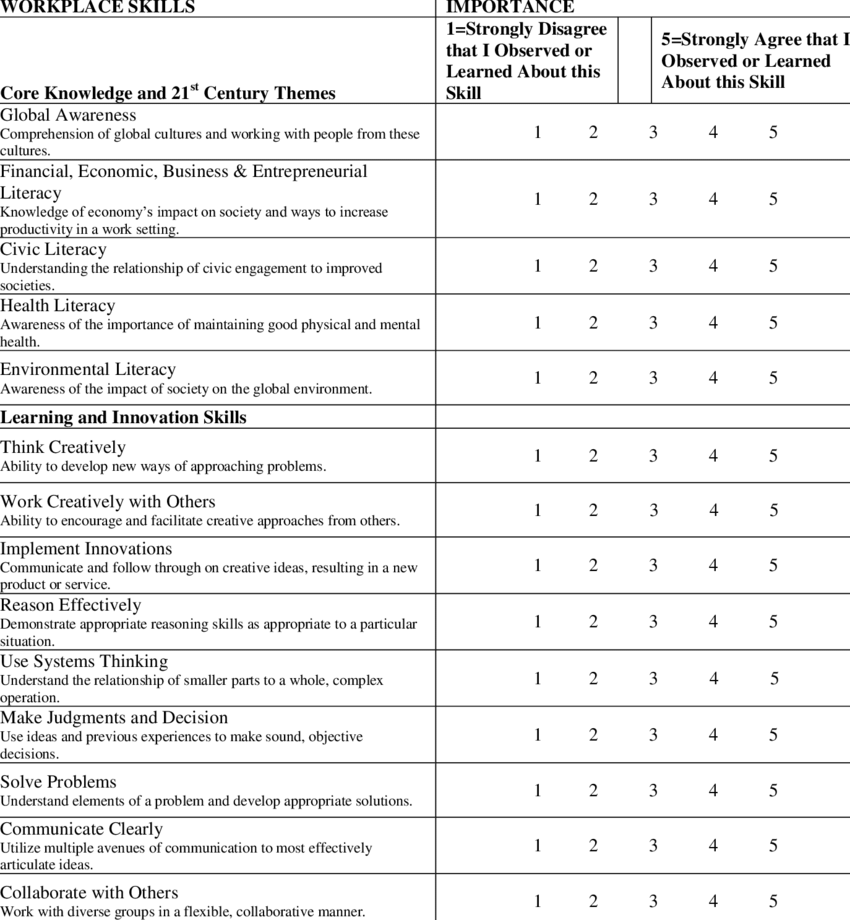
    How To Write Survey Ranking Questions

    Writing ranking questions in a survey involves asking respondents to prioritize items based on their preferences or opinions. Here’s how you can structure a ranking question:

    1. Introduction: Begin with a brief explanation of the purpose of the ranking question and any instructions needed for respondents to understand how to complete it.
    2. Item List: Present the list of items or options that respondents will rank. Each item should be clear and concise.
    3. Ranking Scale: Provide clear instructions on how respondents should rank the items. You can use a scale of 1 to 5, with 1 being the most preferred and 5 being the least preferred, or you can ask respondents to rank the items in order from 1 to N, where N is the number of items listed.
    4. Example: Offer an example of how to rank the items if necessary, especially if the ranking system is unconventional.
    5. Response Format: Specify the format for respondents to input their rankings. This could be checkboxes, drop-down menus, or simply asking them to list the items in order of preference.
    6. Optional: Neutral Option: Consider including a “neutral” option if you want to allow respondents to indicate that they have no preference or opinion on a particular item.
    7. Optional: Forced Ranking: If you want respondents to provide a distinct rank for each item without ties, you can use a forced ranking format where they can’t assign the same rank to multiple items.
    8. Thank You: Conclude with a thank you message and any further instructions for proceeding with the survey.

    Frequently Asked Questions

    Is it necessary to provide explanations for each ranked item in a survey?

    Providing explanations is not necessary, but it may help clarify the reasoning behind respondents’ rankings and provide valuable insights.

    Are there any limitations to using survey ranking questions?

    While survey ranking can provide valuable data, it may not capture nuanced opinions or reasons behind preferences as effectively as other types of questions.

    Can survey ranking be used in employee satisfaction surveys?

    Yes, using survey ranking questions can help organizations understand what aspects of their workplace are most important to employees and prioritize areas for improvement.

    Conclusion

    Survey ranking questions are a valuable tool for gathering quantitative data and understanding respondent preferences.

    By using these types of questions, researchers can gain insights into what is most important to their audience and make informed decisions based on the results.

    However, it’s important to carefully construct ranking questions to ensure that they are clear and easy for participants to understand.

    Additionally, analyzing the data from ranking questions requires attention to detail and thoughtful interpretation to draw meaningful conclusions.

    As you design your next survey, consider incorporating well-crafted ranking questions to get valuable insights from your audience.

    References

    Recommendations

  • 33+ Meeting Survey Questions To Boost Audience Engagement

    33+ Meeting Survey Questions To Boost Audience Engagement

    Meetings are a fundamental part of any organization’s workflow, but they can also be a major source of frustration and inefficiency.

    In fact, a study conducted by Harvard Business Review found that executives spend an average of 23 hours per week in meetings, with 71% of them considering a significant portion of those meetings to be unproductive.

    Effective meetings start with asking the right questions. By framing the discussion around specific goals and objectives, and using targeted survey questions, you can ensure that your meetings are purposeful, efficient, and result-oriented.

    In this article, we will explore the importance of well-crafted survey questions in meetings and how they can transform your meeting experience for the better. We’ll also show you some examples of meeting survey questions you can use before and after starting a meeting.

    Let’s get started!

    Read Also: 250+ Best Taylor Swift Trivia Questions and Answers (Easiest to Hardest)

    What is the purpose of a meeting survey?

    The purpose of a meeting survey is to gather feedback and insights from participants in order to improve future meetings.

    By asking questions about the effectiveness of the meeting, the relevance of the topics discussed, and the overall experience, organizers can gain valuable information to make necessary adjustments for future gatherings.

    Meeting surveys also provide an opportunity for participants to express their thoughts and suggestions, fostering a culture of open communication and continuous improvement within the organization.

    Additionally, meeting surveys help to measure participant engagement and satisfaction, allowing organizers to identify areas for improvement and address any concerns or issues that may have arisen during the meeting.

    This feedback can be instrumental in shaping the agenda, format, and structure of future meetings, ensuring that they are productive, engaging, and valuable for all involved.

    Ultimately, the purpose of a meeting survey is to create a platform for constructive feedback and collaboration that leads to more effective and successful meetings in the future.

    Read Also: 250+ Best 4th Grade Vacation Trivia Questions and Answers (Easiest to Hardest)

    Can I create my own custom questions for a meeting survey?

    Yes, you can create your own custom questions for a meeting survey. Many survey platforms and tools allow you to customize the questions to fit your specific needs.

    Whether you want to gather feedback on a recent meeting, gauge attendees’ satisfaction, or gather suggestions for improvement, customizing your survey questions can help you get the insights you’re looking for.

    When creating custom questions for a meeting survey, consider the specific information you want to gather and the goals of the survey. Tailoring your questions to align with these objectives will ensure that you collect relevant and actionable feedback from meeting participants.

    Additionally, make sure to keep your questions clear and concise to encourage maximum participation and thoughtful responses.

    When is the best time to send out a meeting survey?

    The best time to send out a meeting survey is typically 1-2 weeks before the scheduled meeting. This allows participants enough time to respond and ensures that their feedback can be incorporated into the meeting agenda.

    Sending the survey too far in advance may result in participants forgetting to respond, while sending it too close to the meeting date may not leave enough time for thoughtful responses.

    It’s also important to consider the day of the week and time of day when sending out the survey. For example, sending it on a Monday morning might get lost in a busy inbox, while sending it on a Thursday afternoon may catch people at a less hectic time.

    Ultimately, it’s best to aim for a time when participants are likely to have some free moments to consider their responses thoughtfully.

    How do I analyze the results of a meeting survey?

    Analyzing the results of a meeting survey can provide valuable insights into the effectiveness of your meetings and help identify areas for improvement.

    Start by reviewing the overall feedback and identifying any recurring themes or trends. Look for common issues or suggestions that participants have mentioned, such as time management, agenda clarity, or participation levels.

    Next, consider segmenting the data based on different demographics or participant groups to gain a more nuanced understanding of the feedback. For example, you might compare responses from different departments, seniority levels, or meeting formats to see if any specific patterns emerge.

    Finally, use the survey results to create an action plan for addressing any identified issues and improving future meetings.

    By taking a thoughtful approach to analyzing the survey data, you can make meaningful changes that enhance the overall meeting experience for everyone involved.

    Read Also: 250+ Best Holiday Trivia Questions and Answers (Easiest to Hardest)

    Meeting Survey Questions To Boost Audience Engagement

    General Meeting Survey Questions:

    1. On a scale of 1-10, how satisfied are you with the overall organization and structure of this meeting?
    2. Did the meeting agenda effectively address the topics you were expecting to discuss?
    3. How likely are you to recommend similar meetings to your colleagues or peers?
    4. Were the meeting objectives clearly communicated and achieved?
    5. Did you feel that your input was valued during the meeting?
    6. Were the meeting materials (slides, handouts, etc.) helpful in understanding the content?
    7. How would you rate the duration of the meeting? Too short, too long, or just right?
    8. Were there any technical or logistical issues that hindered your participation in the meeting?
    9. Did the meeting facilitator effectively manage discussions and keep the meeting on track?
    10. What suggestions do you have for improving future meetings?

    Pre-Meeting Survey Questions:

    1. Are there any specific topics or questions you hope will be addressed during the meeting?
    2. How prepared do you feel for the upcoming meeting?
    3. Do you have any concerns or reservations about the meeting agenda?
    4. What outcomes or decisions do you hope will result from this meeting?
    5. Is there anything you would like to share with the meeting organizer or facilitator before the meeting begins?
    6. How important is this meeting to your current projects or responsibilities?
    7. Are there any particular challenges you anticipate facing during the meeting?
    8. Do you have any suggestions for improving the effectiveness of future pre-meeting communications?
    9. How would you rate your level of excitement or enthusiasm for this meeting?
    10. Is there anything else you would like to add before the meeting starts?

    Post-Meeting Survey Questions:

    1. Did the meeting achieve its stated objectives?
    2. Were the action items and next steps clearly defined during the meeting?
    3. How likely are you to follow through on the commitments made during the meeting?
    4. Did the meeting outcome align with your expectations?
    5. Were there any unresolved issues or topics that should be addressed in future meetings?
    6. How well do you think the meeting facilitated collaboration and teamwork?
    7. Did you feel that your time was well spent in this meeting?
    8. What was the most valuable takeaway from the meeting for you?
    9. How would you rate the overall effectiveness of this meeting?
    10. Do you have any additional comments or feedback about the meeting?

    Team Meeting Survey Questions:

    1. How would you rate the level of participation from all team members during the meeting?
    2. Did the meeting foster a sense of unity and cohesion within the team?
    3. Were team goals and priorities effectively communicated and reinforced during the meeting?
    4. Did the meeting provide a platform for open and honest communication among team members?
    5. How well do you think conflicts or disagreements were addressed during the meeting?
    6. Were decisions made during the meeting supported by consensus among team members?
    7. Did the meeting enhance your understanding of your role within the team and its objectives?
    8. How would you rate the level of engagement and energy within the team during the meeting?
    9. Were action items and responsibilities clearly assigned to team members?
    10. What suggestions do you have for improving team meetings in the future?

    Post Virtual Meeting Survey Questions:

    1. How would you rate the technical quality of the virtual meeting platform used?
    2. Did you encounter any challenges accessing or participating in the virtual meeting?
    3. Were the virtual meeting features (e.g., chat, polling, breakout rooms) effectively utilized?
    4. How would you rate the overall engagement level of participants during the virtual meeting?
    5. Did the virtual meeting format impact your ability to collaborate or communicate effectively?
    6. Were you able to maintain focus and attention during the virtual meeting?
    7. How would you rate the facilitator’s ability to manage discussions and interactions in the virtual environment?
    8. Did the virtual meeting adequately replicate the experience of an in-person meeting?
    9. What suggestions do you have for improving the virtual meeting experience in the future?
    10. How likely are you to participate in future virtual meetings?

    Employee Meeting Survey Questions:

    1. How would you rate the relevance of the meeting topics to your role and responsibilities?
    2. Did the meeting provide valuable insights or information relevant to your work?
    3. How well do you think the meeting addressed employee concerns or feedback?
    4. Were opportunities for professional development or growth discussed during the meeting?
    5. Did the meeting contribute to a positive and supportive work culture?
    6. How well do you feel your contributions and opinions were valued during the meeting?
    7. Were any changes or initiatives discussed during the meeting that will impact your work?
    8. How would you rate the level of transparency and communication during the meeting?
    9. Did the meeting foster a sense of belonging and connection among employees?
    10. What additional topics or areas would you like to see addressed in future employee meetings?

    Zoom Meeting Survey Questions:

    1. How would you rate the audio and video quality during the Zoom meeting?
    2. Did you encounter any difficulties joining or accessing the Zoom meeting?
    3. Were the Zoom meeting controls easy to use and navigate?
    4. How well did the Zoom meeting facilitate interaction and engagement among participants?
    5. Were breakout rooms utilized effectively during the Zoom meeting?
    6. Did you experience any distractions or interruptions during the Zoom meeting?
    7. How would you rate the overall experience of participating in a Zoom meeting?
    8. Were you able to effectively communicate and collaborate with other participants during the Zoom meeting?
    9. Did the Zoom meeting format impact your ability to focus and participate actively?
    10. What suggestions do you have for improving the Zoom meeting experience in the future?

    Post Sales Meeting Survey Questions:

    1. Did the meeting provide valuable insights or information relevant to your sales role?
    2. How well do you think the meeting addressed customer needs or market trends?
    3. Were sales strategies or tactics discussed during the meeting that you found particularly useful?
    4. Did the meeting provide clarity on sales targets or objectives?
    5. How well do you feel your input and feedback were incorporated into the meeting discussions?
    6. Were any challenges or obstacles to achieving sales goals addressed during the meeting?
    7. Did the meeting provide opportunities for skill development or sales training?
    8. How would you rate the effectiveness of the meeting in motivating you to achieve sales targets?
    9. Were any changes or updates to products or services discussed during the meeting?
    10. What additional support or resources do you need to succeed based on the discussions in the meeting?

    Frequently Asked Questions

    Are meeting surveys anonymous?

    Meeting surveys can be anonymous if you choose that option, which may encourage more honest feedback from participants.

    How do I analyze the results of a meeting survey?

    You can analyze the results of a meeting survey using online survey tools or by manually reviewing responses to identify common themes and areas for improvement.

    Can I share the results of a meeting survey with participants?

    Yes, sharing the results of a meeting survey with participants demonstrates transparency and allows them to see how their feedback has been used.

    Conclusion

    Using well-crafted meeting survey questions can greatly enhance the productivity and effectiveness of your meetings.

    By gathering feedback from participants, you can identify areas for improvement and make necessary adjustments to ensure future meetings are more successful.

    Additionally, asking targeted questions can help you gauge participant engagement and satisfaction, ultimately leading to a more positive meeting experience for everyone involved.

    Remember to carefully consider the specific goals and objectives of each meeting when designing your survey questions, and be open to adjusting them as needed.

    Give it a try and see the positive impact it can have on your next meeting.

    References

    Recommendations

  • American Community Survey Questions Review | Legit or Scam

    American Community Survey Questions Review | Legit or Scam

    Annually, the U.S. Census Bureau reaches out to more than 3.5 million households nationwide, inviting their participation in answering the American Community Survey questions.

    Your active involvement in the survey contributes significantly to the generation of high-quality data, thereby playing a crucial role in shaping decisions that impact your community positively.

    Should your household have received communication from the Census Bureau, and you wish to gain a deeper understanding of the questions posed in the American Community Survey, kindly peruse this article in its entirety.

    Let’s get started!

    What is the American Community Survey (ACS)?

    The American Community Survey (ACS) stands as a household survey innovatively created by the Census Bureau, serving as a substitute for the extended version of the decennial census program. This expansive demographic survey is conducted year-round, encompassing approximately 3.5 million addresses on an annual basis.

    Initiated in 2005, the ACS has been instrumental in generating data about social, housing, and economic characteristics for demographic groups residing in areas with populations of 65,000 or more.

    Furthermore, the ACS strategically accumulates sample cases at 5-year intervals, allowing for the derivation of estimates for smaller geographic areas, such as census tracts and block groups.

    See also: 250+ Best Fast Food Trivia Questions and Answers (Easiest to Hardest)

    What Estimates are Produced by the ACS?

    The subjects addressed within the American Community Survey questions closely mirror those examined in the census long-form survey data. This comprehensive survey yields estimates encompassing demographic, social, economic, and housing characteristics.

    The accessibility of data for various geographic areas is contingent upon population size. Specifically, 1-year estimates are accessible for regions with populations exceeding 65,000, whereas 5-year estimates are made available for all areas.

    (It’s noteworthy that three-year estimates were formerly generated for areas with populations of 20,000 or more during the 2011-13 period.)

    See also: 100+ Product Survey Questions to Improve Customer Experience With Sample Questionnaire

    Does the ACS Develop Labor Force Estimates?

    Certainly, the American Community Survey encompasses questions related to employment and job search, facilitating the inclusion of measures gauging labor force activity.

    This, in conjunction with the diverse array of social and economic data gathered through the survey, provides a comprehensive understanding of various aspects of community life.

    See also: 70+ Event Survey Questions You Must Ask to Achieve Success.

    How does the ACS Compare with the Current Population Survey?

    The Monthly Current Population Survey (CPS), a collaborative effort between the Bureau of Labor Statistics (BLS) and the Census Bureau, entails a monthly sampling of approximately 60,000 households.

    Its primary purpose is to swiftly generate current monthly employment and unemployment data, along with annual figures on income and poverty for the nation. The CPS monthly employment and unemployment estimates are typically accessible within a few weeks of the conclusion of the reference period.

    In contrast, the American Community Survey (ACS) provides 1-year employment and unemployment estimates approximately nine months after the conclusion of the reference year, while 5-year estimates are typically released in early December of the subsequent year. Notably, the ACS does not furnish monthly estimates.

    The Monthly CPS estimates play a pivotal role in the Local Area Unemployment Statistics (LAUS) program conducted by the BLS, serving as a fundamental input for generating official labor force statistics for states and local areas.

    Discrepancies between employment and unemployment estimates from the American Community Survey and the Current Population Survey may arise due to variations in survey questions, samples, and data collection methods employed by each.

    How does the ACS Reference Period Relate to the Reference Period in the CPS?

    The reference period for the Current Population Survey (CPS) typically spans the week inclusive of the 12th of the month, with interviews carried out in the subsequent week (usually the week encompassing the 19th of the month).

    Monthly production and publication of CPS data are standard, and annual average data are compiled at the close of the calendar year. Notably, the CPS adheres to a fixed reference period, a departure from the American Community Survey (ACS), where respondents base their answers on the week preceding their survey participation.

    CPS interviews are systematically conducted within a designated week each month. In contrast, respondents participating in the ACS provide answers at varying times throughout the month and year. American Community Survey participants receive initial contact through mail.

    In the event of non-response within a month of survey receipt, a follow-up by phone ensues. For approximately 1 in 3 households that still refrain from providing answers, a sub-sample is selected for an in-person interview during the third month.

    See also: Qualitative vs Quantitative Survey Questions | Top 30 Questions to Ask

    Are there Differences in the Labor Force Estimates from the ACS and the CPS?

    Certainly. For the year 2022, the American Community Survey (ACS) identified a greater number of individuals in the U.S. as “employed” and “unemployed” compared to the official estimates from the Current Population Survey (CPS).

    Conversely, the ACS categorized fewer individuals as “not in the labor force” in contrast to the CPS official estimate. Notably, the ACS-based unemployment rate stood at 4.3 percent, surpassing the CPS annual average of 3.6 percent.

    Are there Differences in the Labor Force Estimates from the ACS and the LAUS Program?

    Certainly. In the year 2022, the American Community Survey (ACS) reported higher numbers of employed individuals in comparison to the estimates from the Local Area Unemployment Statistics (LAUS) in 42 states and the District of Columbia, while 8 states exhibited lower figures.

    The variations in employment levels spanned from +6.8 percent in South Carolina to -2.5 percent in West Virginia, with an average difference of +2.0 percent.

    Regarding ACS-based unemployment levels, they surpassed the corresponding LAUS estimates in 45 states and the District of Columbia and were lower in 5 states. The discrepancies in unemployment levels ranged from +73.9 percent in Alabama to -4.0 percent in Wisconsin, with an average difference of +20.1 percent.

    Furthermore, the ACS-based unemployment rates were higher than the corresponding LAUS estimates in 42 states and the District of Columbia, lower in 5 states, and consistent in 3 states. The disparities in unemployment rates ranged from +1.7 percentage points in both Alabama and Louisiana to -0.3 points in Ohio.

    See also: 250+ Best Lioden Trivia Questions and Answers (Easiest to Hardest)

    What Accounts for the Differences between ACS and CPS-LAUS Estimates?

    Various factors contribute to the disparities in estimates, encompassing differences in the questionnaires, varying criteria in the surveys regarding an individual’s active job search, and distinctions in reference periods, collection methods, and population controls.

    The foundational concepts and definitions guiding the development of labor force data within the Local Area Unemployment Statistics (LAUS) program align with those of the Current Population Survey (CPS).

    Monthly estimates for all states and the District of Columbia employ estimating equations rooted in time-series and regression techniques, constituting “signal-plus-noise” models. These models amalgamate contemporary and historical data from the CPS, the Current Employment Statistics (CES) survey, and state unemployment insurance (UI) systems.

    A tiered estimation approach is implemented, commencing with model-based estimates for the nine census divisions, which geographically cover the entire nation and solely utilize inputs from the CPS. These divisional estimates are benchmarked against the national levels of employment and unemployment each month.

    Subsequently, the benchmarked division model estimate serves as the benchmark for individual states within the division, ensuring that the aggregated state estimates of unemployment and employment align with the national estimates for these parameters.

    See also: 50 Best Employee Satisfaction Survey Questions With Samples

    What are the Questionnaire Differences?

    The questions within the American Community Survey about labor force activity exhibit a lesser degree of intricacy compared to those found in the Current Population Survey (CPS).

    Notably, while the American Community Survey employs seven questions to ascertain labor force status, the CPS utilizes sixteen, incorporating more detailed and probing queries concerning employment status. It is noteworthy that CPS information is consistently gathered by trained interviewers and never through mail questionnaires.

    Since 2008, the American Community Survey questionnaire has undergone modifications aimed at refining and enhancing existing questions across various subject areas. Specifically, the labor force questions were revised to more effectively capture data related to employment status.

    These alterations had the consequence of elevating the estimated number of employed individuals in the ACS when juxtaposed with the estimates from the CPS and Local Area Unemployment Statistics (LAUS).

    See also: 170+ Frequently Asked Questions About Christianity With Answers

    How do the Job Search Questions Differ?

    The American Community Survey questions inquire whether individuals are actively seeking employment and available for job offers, but do not delve into the specifics of their job search activities.

    In contrast, the Current Population Survey questionnaire explores whether individuals are actively involved in job-seeking activities such as job interviewing or contacting potential employers, as opposed to passively seeking employment, such as perusing want ads in newspapers.

    Within the CPS framework, an individual is categorized as unemployed only if they affirmatively indicate engagement in one or more active methods of job search.

    How can the ACS Rolling Reference Period affect the Estimates?

    Responses to the American Community Survey questions can pertain to any given week throughout the year, capturing diverse economic events. Respondents have the option to postpone the completion of the ACS form, contributing to flexibility in data reporting.

    The American Community Survey adopts a dynamic approach to data collection, with the reference point being the “last week” whenever the respondent completes the survey.

    In contrast, the Current Population Survey (CPS) adheres to a fixed reference period, typically encompassing the calendar week that includes the 12th of the month.

    The varying reference week and the timing of data collection can pose challenges, particularly for brief, transient statuses or activities susceptible to seasonal fluctuations.

    For instance, unemployment represents a condition affected by both seasonal and cyclical variations.

    See also: 150+ Frequently Asked Questions About Family with Answers

    What is the Mode-of-Collection Effect?

    The method of data collection can also impact labor force estimates. In the case of the Current Population Survey (CPS), all interviews are carried out either through in-person visits or telephone calls by Census Bureau field representatives utilizing computers for data entry.

    On the other hand, American Community Survey data primarily undergo collection via the Internet, facilitated by a self-administered questionnaire.

    In instances where a household fails to respond within a month of the initial invitation to utilize the web instrument, a “paper and pencil” questionnaire is dispatched to the household.

    Personal visits may be employed as a follow-up in cases of nonresponse to both the Internet and mail form options. Data gathered through self-administered methods lack the advantage of interviewers aiding respondents in interpreting the questions.

    Does the LAUS Program Utilize ACS Data in its Estimating Procedures?

    Certainly. Indeed, the 2015 redesign of the Local Area Unemployment Statistics (LAUS) program incorporated changes in several substate estimation inputs.

    Traditionally, these inputs were derived from the decennial long-form survey, last conducted for Census 2000. The recent update involved integrating inputs developed from the American Community Survey’s 5-year estimates.

    For additional details on the 2015 LAUS program redesign, you can access information at www.bls.gov/lau/lauschanges2015.htm.

    See also: 250+ Best Math Trivia Questions and Answers (Easiest to Hardest)

    Where can one Obtain More Information about the ACS?

    Additional details can be found on the official website of the Census Bureau’s American Community Survey. ACS data can be accessed and downloaded via the data.census.gov platform.

    FAQs

    What is the American Community Survey summary?

    The American Community Survey (ACS) helps local officials, community leaders, and businesses understand the changes taking place in their communities. It is the premier source for detailed population and housing information about our nation.

    What happens if I don’t do the American Community Survey?

    Those who do not answer the ACS risk repeated overtures—by mail, by phone, and in-person—from Census Bureau employees seeking to compel a response. Typically, the Census Bureau will telephone those who do not respond to the survey and may visit their homes to coerce the targets to respond.

    What is the American Community Survey summary?

    The American Community Survey (ACS) helps local officials, community leaders, and businesses understand the changes taking place in their communities. It is the premier source for detailed population and housing information about our nation.

    What is the sample size of the American Community survey?

    The ACS has an annual sample size of about 3.5 million addresses, with survey information collected nearly every day of the year.

    Is the American Community Survey based on a sample of a population?

    The ACS estimates are based on data from a sample of housing units and people in the population, not the full population. For this reason, ACS estimates have a degree of uncertainty associated with them, called sampling error.

    Conclusion

    When it comes to the American Community Survey questions, it’s essential to approach them with an open mind and a critical eye. While some may question the legitimacy of certain inquiries, it’s crucial to recognize that the survey plays a vital role in understanding our diverse communities and shaping public policies.

    Instead of dismissing it as a scam, we should appreciate the effort to gather valuable data that helps improve our understanding of society and contributes to better-informed decision-making.

    It’s an opportunity for each of us to actively participate in building a more accurate and inclusive picture of the American community.

    References

    • Bls.gov – American Community Survey (ACS) Questions and Answers
    • Consumer.fts.gov – What to know about the U.S. Census Bureau’s American Community Survey

    Recommendations

  • 200+ Group Chat Survey Question Ideas (Easy, Funny and Deep)

    200+ Group Chat Survey Question Ideas (Easy, Funny and Deep)

    Group chat surveys are popping up everywhere, from your work Slack channel to your class WhatsApp group. And you know what? They’re not just a passing trend; they’re changing the game when it comes to getting everyone’s thoughts and opinions in one go.

    Whether you’re brainstorming with your team, planning your next epic event, or just trying to make a group decision, these surveys are your ticket to gathering valuable insights without the hassle.

    This article reveals top group chat survey question ideas, how to craft them like a pro, and all the details you need to know.

    How are group chat surveys conducted?

    Group chat surveys are typically conducted using messaging platforms or collaboration tools that support group communication. Here’s a general overview of how group chat surveys are conducted:

    • Select a Messaging Platform: Choose a messaging platform or collaboration tool that supports group chat functionality. Common options include Slack, Microsoft Teams, Google Chat, WhatsApp, and Facebook Messenger.
    • Create a Group Chat: Set up a group chat or channel within the messaging platform where participants can join and participate in the survey. Depending on the platform, you may need to create a new group or channel specifically for the survey or use an existing one.
    • Design Survey Questions: Develop a set of survey questions that align with the objectives of the survey. Consider the purpose of the survey, the target audience, and the desired outcomes when designing the questions. Keep questions clear, concise, and relevant to the topic at hand.
    • Post Survey Questions: Once the survey questions are finalized, post them in the group chat or channel where participants can view and respond to them. Depending on the messaging platform, you may be able to post survey questions as text messages, polls, or interactive forms.
    • Encourage Participation: Encourage participants to respond to the survey questions by providing clear instructions and setting expectations for participation. Consider sending reminders or prompts to remind participants to complete the survey if needed.
    • Monitor Responses: Monitor responses as they come in and track participation rates to ensure that a representative sample of participants is included in the survey. Depending on the platform, you may be able to view responses in real-time or export them for analysis later.
    • Analyze Results: Once the survey period has ended, analyze the survey results to identify key insights, trends, and patterns. Look for common themes or areas of concern that may require further investigation or action.
    • Communicate Findings: Share the survey findings with relevant stakeholders, such as team members, managers, or organizational leaders. Communicate any actionable insights or recommendations based on the survey results and discuss potential next steps or initiatives.
    • Follow-Up as Needed: Follow up with participants as needed to address any concerns or questions raised during the survey. Consider hosting follow-up discussions or meetings to further explore survey findings and collaboratively develop solutions or action plans.

    For the most fun, read also: 150+ Easy-to-Answer Trivia Questions to Spice Up Your Night

    What are the benefits of using group chat surveys?

    Using group chat surveys offers several benefits for organizations and teams:

    • Real-Time Feedback: Group chat surveys allow for the collection of feedback in real-time, enabling organizations to promptly address any issues or concerns raised by participants.
    • Increased Participation: Group chat surveys are convenient and accessible, leading to higher participation rates compared to traditional surveys. Participants can easily respond to survey questions within the chat platform they already use regularly.
    • Convenience and Efficiency: Group chat surveys eliminate the need for separate survey tools or platforms, streamlining the feedback collection process and saving time for both survey administrators and participants.
    • Diverse Perspectives: Group chat surveys facilitate the gathering of feedback from multiple participants simultaneously, providing a broader range of perspectives and insights compared to individual surveys.
    • Transparency and Collaboration: Group chat surveys promote transparency and collaboration within teams or organizations by openly discussing important topics and soliciting input from all members.
    • Immediate Actionability: With real-time feedback, organizations can quickly identify emerging issues or trends and take immediate action to address them, leading to more timely and effective solutions.
    • Flexibility in Question Types: Group chat platforms often support various question types, including multiple-choice, open-ended, and rating scale questions, allowing for a diverse range of feedback collection methods.
    • Engagement and Ownership: Involving participants in the survey process through group chat encourages engagement and ownership of survey outcomes, fostering a sense of responsibility and commitment to implementing any necessary changes or improvements.
    • Cost-Effective: Group chat surveys typically do not require additional investment in survey software or tools, making them a cost-effective option for organizations looking to gather feedback from team members or stakeholders.
    • Data Integration and Analysis: Many group chat platforms offer features for exporting survey data or integrating it with other tools for analysis, allowing organizations to easily analyze survey results and derive actionable insights.

    Check out this related content: 250+ Best Pop Culture Trivia Questions and Answers (Easiest to Hardest)

    What are some best practices for implementing group chat surveys?

    Implementing group chat surveys effectively requires careful planning and consideration of best practices. Here are some key tips for successful implementation:

    • Set Clear Objectives: Clearly define the purpose and objectives of the group chat survey before launching it. Determine what specific insights or feedback you hope to gather and how you plan to use the survey results.
    • Choose the Right Platform: Select a messaging platform or collaboration tool that is widely used by your team or organization and supports the features you need for conducting surveys, such as polling, threaded conversations, or integrations with survey tools.
    • Design Clear and Concise Questions: Keep survey questions clear, concise, and relevant to the survey objectives. Avoid using jargon or ambiguous language that may confuse participants. Use a mix of question types to gather both qualitative and quantitative feedback.
    • Communicate Expectations: Clearly communicate the purpose, expectations, and timeline of the survey to participants before launching it. Explain why their feedback is valuable and how it will be used to drive improvements or decision-making.
    • Provide Context: Provide context for each survey question to help participants understand why the question is being asked and how their responses will be used. Include relevant background information or examples to clarify the intent of the question.
    • Ensure Accessibility: Ensure that the group chat survey is accessible to all participants, including those with disabilities or language barriers. Provide alternative formats or translation options as needed to accommodate diverse needs.
    • Promote Participation: Encourage participation in the survey by emphasizing its importance, offering incentives or rewards for completion, and providing reminders or follow-ups to prompt responses from participants.
    • Respect Privacy and Confidentiality: Respect the privacy and confidentiality of survey responses by clearly stating how participant data will be used and protected. Avoid sharing individual responses publicly without consent.
    • Monitor Responses: Monitor survey responses as they come in to track participation rates, identify any technical issues, and ensure the quality of responses. Address any concerns or questions raised by participants promptly and transparently.
    • Act on Feedback: Finally, use the survey results to drive action and make meaningful improvements within your team or organization. Share the survey findings with relevant stakeholders, discuss potential next steps, and follow through on any commitments or action plans.

    By following these best practices, organizations can effectively implement group chat surveys to gather valuable feedback and insights from participants, leading to more informed decision-making and continuous improvement.

    Check out this related content: 250+ Best Trivia Questions For Teens With Answers

    200+ Group Chat Survey Question Ideas(Easy, Funny and Deep)

    Easy Group Chat Survey Question Ideas

    #1. How satisfied are you with the overall communication within our team/group?

    #2. On a scale of 1 to 10, how would you rate your level of engagement in our recent team meetings?

    #3. Do you feel that your opinions and ideas are valued and respected by other team members?

    #4. How comfortable are you sharing your feedback or concerns with the team/group?

    #5. How satisfied are you with the clarity of goals and objectives set for our team/group?

    #6. Are you clear about your role and responsibilities within the team/group?

    #7. How well do you feel our team/group collaborates and works together to achieve common goals?

    #8. How satisfied are you with the level of support you receive from other team members?

    #9. Do you feel that our team/group effectively celebrates achievements and milestones?

    #10. How satisfied are you with the overall organization and structure of our team/group?

    #11. How comfortable are you giving and receiving feedback from other team members?

    #12. On a scale of 1 to 10, how would you rate your overall job satisfaction within our team/group?

    #13. Do you feel that our team/group effectively addresses conflicts or disagreements when they arise?

    #14. How satisfied are you with the opportunities for professional growth and development within our team/group?

    #15. Are there any specific areas where you think our team/group could improve or make changes?

    For the most fun, read also: 250+ Best Disney Trivia Questions and Answers

    Funny Group Chat Survey Question Ideas

    #16. On a scale of “laughing so hard I cried” to “barely cracked a smile,” how funny would you rate our group chat conversations?

    #17. If our group chat had a mascot, what would it be?

    #18. What’s the weirdest emoji you’ve ever used in our group chat?

    #19. If our group chat had a theme song, what would it be?

    #20. Which member of our group chat would win in a “best meme” competition?

    #21. What’s the most embarrassing autocorrect fail you’ve experienced in our group chat?

    #22. If our group chat were a movie, what genre would it be?

    #23. What’s the funniest nickname you’ve seen someone use in our group chat?

    #24. If our group chat were a food, what would it be and why?

    #25. What’s the most ridiculous GIF you’ve ever shared in our group chat?

    #26. If our group chat were a superhero team, who would have what superpower?

    #27. What’s the most random topic we’ve ever discussed in our group chat?

    #28. If our group chat were a sitcom, who would play each of us in the cast?

    #29. What’s the silliest meme you’ve ever posted in our group chat?

    #30. If our group chat were stranded on a deserted island, who would we eat first?

    Check out this related content: 250+ Best Taylor Swift Trivia Questions and Answers (Easiest to Hardest)

    Deep Group Chat Survey Question Ideas

    #31. What values do you think are most important for our team/group to embody?

    #32. How do you define success for yourself within our team/group?

    #33. What motivates you to contribute your best work to our team/group?

    #34. What do you think is the biggest challenge facing our team/group right now?

    #35. How do you think our team/group can better support each other during difficult times?

    #36. What do you think is the most significant accomplishment our team/group has achieved?

    #37. What changes would you like to see in our team/group’s culture or dynamics?

    #38. How do you think our team/group can foster a greater sense of belonging and inclusion?

    #39. What do you think is the most important lesson you’ve learned from being part of our team/group?

    #40. How do you handle disagreements or conflicts within our team/group?

    #41. What do you think is the most valuable contribution you’ve made to our team/group?

    #42. How do you think our team/group can better adapt to change and uncertainty?

    #43. What do you think is the most important aspect of effective communication within our team/group?

    #44. How do you think our team/group can make a positive impact on our community or society?

    #45. What do you envision for the future of our team/group, and how can we work together to achieve it?

    For the most fun, read also: 150+ Easy-to-Answer Trivia Questions to Spice Up Your Night

    Team Group Chat Survey Question ideas

    #46. How would you describe the overall level of trust among team members?

    #47. On a scale of 1 to 10, how well do team members communicate with each other?

    #48. Do you feel comfortable sharing your ideas and opinions with the team?

    #49. How effective is our team at resolving conflicts and disagreements?

    #50. How would you rate the level of collaboration within our team?

    #51. Do you feel that team members support each other’s professional growth and development?

    #52. How well does our team handle pressure and work together under tight deadlines?

    #53. How would you describe the balance of roles and responsibilities within our team?

    #54. Do team members actively seek and provide feedback to each other?

    #55. How inclusive and welcoming do you find our team environment?

    #56. How would you rate the level of camaraderie and team spirit within our group?

    #57. Do you feel that team members are aligned with and committed to our common goals?

    #58. How well do team members adapt to change and overcome challenges together?

    #59. Are team members receptive to new ideas and open to experimentation?

    #60. How satisfied are you with the overall dynamics and performance of our team?

    For the most fun, read also: 250+ Best Trivia Questions For Teens With Answers

    Training and Development Group Chat Survey Question ideas

    #61. Have you participated in any training or development programs offered by the organization in the past year?

    #62. How satisfied are you with the quality and relevance of the training programs you have attended?

    #63. What specific skills or knowledge areas would you like to further develop through training?

    #64. How effective do you find the delivery methods used in our training programs (e.g., workshops, webinars, e-learning)?

    #65. Do you feel that the training programs offered by the organization support your professional growth and career advancement?

    #66. How well do you feel our organization promotes a culture of continuous learning and development?

    #67. Are there any barriers or challenges preventing you from participating in training and development opportunities?

    #68. How would you rate the accessibility and availability of training resources and materials provided by the organization?

    #69. What additional training or development programs would you like to see offered in the future?

    #70. How would you rate the support and guidance provided by managers or mentors in your professional development?

    #71. Do you feel that you have opportunities to apply and practice the skills learned from training programs in your work?

    #72. How well do you feel the organization recognizes and rewards employees who actively engage in training and development?

    #73. What feedback do you have on the effectiveness of training evaluations and feedback mechanisms?

    #74. How satisfied are you with the overall investment the organization makes in employee training and development?

    #75. Are there any other suggestions or ideas you have for improving training and development initiatives within the organization?

    Check out this related content: 250+ Best Disney Trivia Questions and Answers

    Training and Development Group Chat Survey Question Ideas

    #76. Have you participated in any training sessions or workshops offered by the organization in the past six months?

    #77. How satisfied are you with the variety of training programs available to employees?

    #78. On a scale of 1 to 10, how effective do you find the training sessions in improving your skills and knowledge?

    #79. Do you feel that the training programs align with your career goals and development needs?

    #80. How well do you think the organization supports continuous learning and professional growth?

    #81. Are there any specific training topics or skills you would like to see offered in the future?

    #82. How accessible do you find the training materials and resources provided by the organization?

    #83. How supportive do you think your manager is in encouraging your participation in training and development activities?

    #84. Do you have sufficient opportunities to apply the knowledge and skills learned from training in your day-to-day work?

    #85. How well do you feel the organization recognizes and rewards employees who actively engage in training and development?

    #86. Are there any challenges or barriers you face in participating in training programs? If so, please specify.

    #87. How satisfied are you with the frequency and duration of training sessions offered?

    #88. Do you feel that the training programs adequately prepare you for your current role and future career advancement?

    #89. How would you rate the overall effectiveness of the training evaluation and feedback process?

    #90. Are there any additional comments or suggestions you would like to share regarding training and development initiatives in the organization?

    For the most fun, read also: 250+ Best Taylor Swift Trivia Questions and Answers (Easiest to Hardest)

    Work life balance Group Chat Survey Questions Ideas

    #91. On a scale of 1 to 10, how would you rate your current work-life balance?

    #92. Do you feel that you have enough time to fulfill your responsibilities outside of work?

    #93. How often do you find yourself working outside of regular working hours (e.g., evenings, weekends)?

    #94. What factors contribute most to your work-life balance challenges?

    #95. How well do you feel the organization supports employees in achieving a healthy work-life balance?

    #96. Are you able to disconnect from work during your time off (e.g., vacations, holidays)?

    #97. Do you feel comfortable setting boundaries between work and personal life?

    #98. How often do you feel stressed or overwhelmed by your workload?

    #99. What strategies do you use to manage your work-life balance effectively?

    #100. How often do you take breaks or engage in self-care activities during the workday?

    #101. Do you feel that your workload is manageable within the hours you are expected to work?

    #102. How do you prioritize between work commitments and personal obligations?

    #103. How satisfied are you with the support you receive from your manager in maintaining a healthy work-life balance?

    #104. Are there any specific changes or improvements you would like to see to promote better work-life balance in the organization?

    Check out this related content: 150+ Easy-to-Answer Trivia Questions to Spice Up Your Night

    Group Satisfaction Group Chat Survey Question Ideas

    #105. On a scale of 1 to 10, how satisfied are you with your overall experience as a member of this group?

    #106. How well do you feel the group communicates and collaborates to achieve common goals?

    #107. Do you feel valued and respected by other members of the group?

    #108. How satisfied are you with the level of trust and camaraderie within the group?

    #109. Are you comfortable expressing your opinions and ideas in group discussions?

    #110. How effective do you feel the group is at resolving conflicts or disagreements?

    #111. How satisfied are you with the leadership and direction provided by the group leader(s)?

    #112. Are there any specific areas where you think the group could improve to enhance overall satisfaction?

    #113. How well do you feel the group supports your personal and professional growth?

    #114. Are you satisfied with the group’s decision-making processes and outcomes?

    #115. How well do you feel the group adapts to changes or challenges?

    #116. Do you feel that the group provides a supportive and inclusive environment for all members?

    #117. How satisfied are you with the level of participation and engagement from other group members?

    #118. How well do you feel the group celebrates achievements and milestones?

    Check out this related content: 250+ Best Pop Culture Trivia Questions and Answers (Easiest to Hardest)

    Technology Group Chat Survey Questions Ideas

    #119. How satisfied are you with the current technology and tools used in our team/group?

    #120. Are the technology and tools provided by the organization effectively supporting your work tasks?

    #121. How user-friendly do you find the technology and tools we use daily?

    #122. Are there any specific technologies or tools you feel are missing or could improve our workflow?

    #123. How well do you feel the organization provides training and support for using new technology and tools?

    #124. Do you encounter any technical issues or challenges when using our current technology and tools?

    #125. How satisfied are you with the security and data protection measures implemented for our technology and tools?

    #126. How often do you utilize mobile applications or other remote access tools for work-related tasks?

    #127. Do you feel that the technology and tools provided enable effective communication and collaboration within the team/group?

    #128. How well do you feel the organization incorporates feedback from users when implementing or updating technology and tools?

    #129. Are you satisfied with the integration and compatibility of different technologies and tools used within the organization?

    #130. How satisfied are you with the performance and reliability of our current technology infrastructure?

    #131. Do you feel that the organization invests sufficiently in updating and upgrading technology and tools as needed?

    #132. How well do you feel the organization adapts to changes in technology trends and advancements?

    #133. Are there any additional technology or tools you would like to see implemented to enhance our workflow and productivity?

    For the most fun, read also: 250+ Best Trivia Questions For Teens With Answers

    Performance Evaluation Group Chat Survey Question Ideas

    #134. How satisfied are you with the performance evaluation process within our team/group?

    #135. Do you feel that the performance criteria used in evaluations are clear and fair?

    #136. How well do you feel the performance evaluation process aligns with your role and responsibilities?

    #137. Are you satisfied with the frequency of performance evaluations conducted within the team/group?

    #138. How well do you feel the performance feedback provided during evaluations helps you improve?

    #139. Do you feel that your achievements and contributions are accurately recognized and reflected in performance evaluations?

    #140. How well do you feel the performance evaluation process supports your professional growth and development?

    #141. How well do you feel the performance evaluation process identifies areas for improvement and sets actionable goals?

    #142. Are you satisfied with the transparency and accountability of the performance evaluation process?

    #143. How well do you feel the performance evaluation process considers external factors or challenges that may impact performance?

    #144. Are you satisfied with the performance metrics and benchmarks used to assess performance within the team/group?

    #145. How well do you feel the performance evaluation process encourages open and constructive dialogue between employees and managers?

    #146. Are you satisfied with the recognition and rewards provided based on performance evaluation outcomes?

    #147. Are there any specific changes or improvements you would like to see in the performance evaluation process?

    Check out this related content: 250+ Best Disney Trivia Questions and Answers

    Social events and activities Group Chat Survey Question Ideas

    #148. How satisfied are you with the social events and activities organized by our team/group?

    #149. Do you feel that the frequency of social events and activities is appropriate?

    #150. How well do you feel the social events and activities contribute to team bonding and morale?

    #151. Are you satisfied with the variety of social events and activities offered?

    #152. How well do you feel the social events and activities cater to different interests and preferences?

    #153. Do you feel that social events and activities help foster a positive and inclusive team culture?

    #154. How satisfied are you with the organization and coordination of social events and activities?

    #155. Are you satisfied with the communication and promotion of social events and activities within the team/group?

    #156. How well do you feel social events and activities accommodate diverse schedules and availability?

    #157. Do you feel that social events and activities help alleviate stress and promote work-life balance?

    #158. How satisfied are you with the venues and locations chosen for social events and activities?

    #159. Are you satisfied with the participation and engagement levels in social events and activities?

    #160. How well do you feel social events and activities support networking and relationship-building within the team/group?

    #161. Are there any specific types of social events or activities you would like to see organized in the future?

    #162. Are there any changes or improvements you would suggest to enhance the overall experience of social events and activities?

    Check out this related content: 250+ Best Taylor Swift Trivia Questions and Answers (Easiest to Hardest)

    Group Chat Survey Questions tailored for a TikTok audience

    #163. How often do you find yourself scrolling through TikTok in a day?

    #164. Which TikTok content category do you enjoy the most? (e.g., dance, comedy, DIY, etc.)

    #165. Have you ever tried recreating a TikTok dance or trend with your friends?

    #166. What’s the most memorable TikTok trend you’ve participated in?

    #167. How do you discover new TikTok creators to follow?

    #168. Do you prefer watching longer TikTok videos (over 1 minute) or shorter ones?

    #169. Have you ever gone viral on TikTok? If yes, what was the video about?

    #170. What’s the funniest TikTok video you’ve seen recently?

    #171. How important is it for you to have TikTok challenges or trends to participate in?

    #172. Do you use TikTok mainly for entertainment or inspiration?

    #173. What kind of TikTok content would you like to see more of in the future?

    #174. How often do you engage with TikTok ads?

    #175. Do you follow any TikTok creators who create educational content? If yes, who are they?

    #176. Have you ever purchased a product or service after seeing it advertised on TikTok?

    #177. Do you think TikTok has positively impacted your creativity or self-expression? How?

    #178. How much time do you spend on average watching TikTok videos in one sitting?

    #179. What’s the most impressive TikTok hack or DIY project you’ve seen?

    #180. Do you prefer TikTok’s algorithm suggesting content for you, or do you like to explore on your own?

    #181. Would you rather see more live streams or prerecorded content on TikTok?

    #182. Have you ever participated in a TikTok challenge that aimed to raise awareness for a cause or charity?

    Group Chat Survey Questions for TikTok in a Class

    #183. What type of TikTok content do you enjoy watching the most? (e.g., dance, comedy, educational, etc.)

    #184. Have you ever created your own TikTok video? If so, what was it about?

    #185. How do you decide which TikTok videos to like or share?

    #186. Have you ever participated in a TikTok challenge or trend? Which one was your favorite?

    #187. Do you follow any TikTok creators who inspire you? If yes, who are they and why do you follow them?

    #188. What’s the most surprising thing you’ve learned from TikTok?

    #189. How has TikTok influenced your perception of current events or social issues?

    #190. Do you think TikTok is a positive or negative influence on society overall? Why?

    #191. Have you ever encountered cyberbullying or negativity on TikTok? How did you handle it?

    #192. What measures do you think TikTok should take to ensure user safety and well-being?

    #193. How does TikTok compare to other social media platforms you use in terms of engagement and enjoyment?

    #194. Have you ever used TikTok as a platform to express yourself creatively? How so?

    #195. Do you think TikTok has changed the way people consume entertainment? If yes, in what ways?

    #196. How do you feel about the algorithm that suggests TikTok content to users? Do you find it helpful or limiting?

    #197. Have you ever discovered new music or artists through TikTok? If so, which ones?

    #198. Do you think TikTok’s popularity will continue to grow, or do you see it plateauing in the future?

    #199. Have you ever attended or participated in a TikTok meet-up or event? If yes, how was the experience?

    #200. Do you think TikTok has the potential to be used as an educational tool? Why or why not?

    #201. How do you balance your time between consuming TikTok content and other activities?

    #202. Do you think TikTok has influenced fashion trends? If yes, how?

    #203. What improvements would you suggest for TikTok to enhance user experience?

    #204. Have you ever encountered misinformation or fake news on TikTok? How do you verify the credibility of content?

    #205. Do you think TikTok fosters a sense of community among its users? Why or why not?

    #206. How do you feel about TikTok’s privacy policies and data security measures?

    #207. Have you ever used TikTok to promote a cause or raise awareness about an issue? If yes, what was it?

    #208. Do you have any concerns about the impact of TikTok on mental health, especially among young users?

    Check out this related content: 250+ Best Pop Culture Trivia Questions and Answers (Easiest to Hardest)

    Frequently Asked Questions

    What are group chat survey questions?

    Group chat survey questions are questions designed to gather feedback or opinions from multiple participants simultaneously within a group chat or messaging platform. These questions can cover various topics, including team dynamics, project progress, event planning, or general feedback.

    What are the benefits of using group chat surveys?

    Group chat surveys offer several benefits, including real-time feedback, increased participation, convenience, and the ability to capture diverse perspectives from multiple participants simultaneously. They also promote transparency and foster collaboration among group members.

    How can I design effective group chat survey questions?

    When designing group chat survey questions, consider the purpose of the survey, the target audience, and the desired outcomes. Keep questions clear, concise, and relevant to the topic at hand. Avoid leading or biased questions, and consider using a mix of open-ended and closed-ended questions to gather both qualitative and quantitative data.

    What are some best practices for implementing group chat surveys?

    To ensure the success of group chat surveys, establish clear objectives, communicate the purpose and expectations to participants, and provide sufficient time for responses. Consider scheduling regular survey sessions to maintain engagement and momentum.

    Conclusion

    Group chat surveys offer a dynamic and collaborative approach to gathering feedback and insights from multiple participants within a group setting.

    By leveraging the convenience and efficiency of messaging platforms, organizations can engage participants in meaningful conversations, drive informed decision-making, and foster a culture of transparency and collaboration.

    As group chat surveys continue to evolve, embracing innovative approaches to survey design and implementation can unlock new opportunities for engagement and growth.

    References

    Recommendations