Category: Survey

  • 70+ Post Event Survey Questions You Should Ask After Your Next Event.

    70+ Post Event Survey Questions You Should Ask After Your Next Event.

    You’ve poured your heart and soul into crafting an event that’s nothing short of extraordinary – could be a conference that sparked endless conversations, a social gathering that forged new friendships, or a workshop that ignited creative flames.

    But here’s the thing – even with the stress of planning and execution, it’s easy to overlook the most crucial voice in the room – that of your attendees.

    Whether you’re a seasoned event guru fine-tuning your craft or a fresh-faced newcomer hungry for wisdom, consider this your ultimate guide to crafting post-event survey questions that not only capture hearts and minds but also pave the way for future event marvels.

    Are you ready? Let’s make your next event the talk of the town!

    Post Event Survey Questions You Should Ask After Your Next Event

    1. How would you rate the overall quality of the event?
    2. Did the event meet your expectations? Why or why not?
    3. What was the most memorable aspect of the event for you?
    4. On a scale of 1 to 10, how likely are you to recommend this event to others?
    5. Did you feel that the event provided value for your time and investment? Please elaborate.
    6. How would you describe your overall satisfaction with the event experience?
    7. What did you enjoy most about the event?
    8. What aspects of the event, if any, do you feel could be improved in the future?
    9. Did the event align with your professional or personal interests and goals?
    10. Were you satisfied with the diversity and inclusivity of the event?
    11. How did attending this event contribute to your professional development or personal growth?
    12. How well-organized was the event overall?
    13. Would you attend future events hosted by the same organizers? Why or why not?
    14. Did you encounter any challenges or issues during the event? If so, please specify.
    15. Do you have any additional comments or feedback about your overall event experience?

    Check out: 70+ Brand Perception Survey Questions With Sample Template

    After Event Survey Questions

    1. How would you rate the relevance of the event content to your interests or professional needs?
    2. Did the event content meet your expectations? Please explain.
    3. Which session or presentation did you find most valuable or informative?
    4. Were the topics covered in the event aligned with the advertised agenda?
    5. Did the event speakers effectively convey their message and engage the audience?
    6. How would you rate the overall quality of the presentations or panel discussions?
    7. Did the event content provide actionable insights or key takeaways?
    8. Did you encounter any technical issues or challenges during the presentations? Please specify.
    9. Did you find the event content to be balanced in terms of depth and breadth of coverage?
    10. Were the speakers knowledgeable and credible in their respective fields?
    11. Did the event content stimulate thought-provoking discussions or debates?
    12. How satisfied were you with the variety and diversity of topics covered in the event?
    13. Did the event content inspire you to further explore or research any particular topic?
    14. Were the presentation formats (e.g., lectures, panel discussions, workshops) engaging and effective?
    15. Do you have any suggestions for improving the quality or relevance of future event content?

    For the most fun, read also: 120+ Best Employee Engagement Survey Questions

    Post Virtual Event Questions for Attendees

    1. How would you rate the overall effectiveness of the event speakers in delivering their presentations?
    2. Did the speakers demonstrate expertise and credibility in their respective fields?
    3. Which speaker did you find most engaging and impactful? Why?
    4. Did the speakers effectively communicate their key messages and ideas?
    5. How well did the speakers engage with the audience during their presentations?
    6. Did the speakers use appropriate visuals or multimedia elements to enhance their presentations?
    7. Did the speakers effectively address audience’s questions and concerns?
    8. Were the speaker introductions clear and informative?
    9. Did the speakers maintain your interest and attention throughout their presentations?
    10. Do you have any specific feedback or suggestions for individual speakers to improve their performance in future events?

    Check out this related content: 150+ US Geography Trivia Questions and Answers

    Pre event survey questions

    1. Did you find the networking opportunities at the event valuable and beneficial to your professional or personal interests?
    2. How would you rate the ease of networking with other attendees during the event?
    3. Did you make any valuable connections or contacts during the event? Please elaborate.
    4. Were the networking sessions or activities well-organized and conducive to meaningful interactions?
    5. Did you feel that the event provided adequate opportunities for networking and relationship-building?
    6. How satisfied were you with the variety of networking formats offered (e.g., speed networking, roundtable discussions, social mixers)?
    7. Did the event facilitate connections with individuals or organizations relevant to your industry or field of interest?
    8. Did you encounter any challenges or barriers to networking during the event? If so, please specify.
    9. Would you like to see additional networking opportunities incorporated into future events? If yes, what specific formats or activities would you suggest?
    10. Do you have any other feedback or suggestions related to networking at the event?

    For the most fun, read also: 120+ Internal Communication Survey Questions With Template

    Venue and Logistics Post Event Survey Questions

    1. How would you rate the venue’s suitability for the event in terms of location, accessibility, and facilities?
    2. Were you satisfied with the venue’s amenities, such as parking, restrooms, and seating arrangements?
    3. Did the event venue meet your expectations in terms of ambiance and atmosphere?
    4. How would you rate the event’s logistical organization, including registration, check-in process, and signage?
    5. Were you provided with clear and sufficient information regarding directions to the venue and parking options?
    6. Did the event start and end on time as advertised? Please elaborate.
    7. Were there any issues or challenges with transportation to or from the event venue? If yes, please specify.
    8. How satisfied were you with the event staff’s responsiveness and assistance during the event?
    9. Did the event layout and setup facilitate smooth navigation and flow of attendees?
    10. Do you have any suggestions or feedback for improving venue selection and logistical arrangements for future events?

    Check out this related content: 150+ Easy-to-Answer Trivia Questions to Spice Up Your Night

    Post Event Survey Questions for Staff

    1. How would you rate the ease of the event registration process (online registration, ticket purchasing, etc.)?
    2. Did you encounter any difficulties or challenges while registering for the event? If yes, please specify.
    3. Were you provided with clear and sufficient information regarding event registration deadlines, fees, and requirements?
    4. How satisfied were you with the level of communication and updates regarding your registration status leading up to the event?
    5. Were the registration instructions and steps easy to follow and understand?
    6. Did you receive prompt and helpful support from event organizers or staff regarding any registration inquiries or issues?
    7. Were you satisfied with the options available for registering multiple attendees or purchasing group tickets?
    8. Did you encounter any technical issues or errors during the online registration process? If yes, please describe.
    9. Would you recommend any improvements to the event registration process for future events? If yes, please provide suggestions.

    Overall, how would you rate your experience with the event registration process?

    Check out this related content: 250+ Best Pop Culture Trivia Questions and Answers (Easiest to Hardest)

    Post Event Survey Questions for Event Materials

    1. How would you rate the quality and usefulness of the event materials provided, such as agendas, handouts, or program booklets?
    2. Did you find the event materials and resources helpful in navigating the event and accessing relevant information?
    3. Were the event materials adequately organized and presented in a clear and concise manner?
    4. Did you receive all necessary event materials in a timely manner before or during the event?
    5. How satisfied were you with the availability and accessibility of digital resources or online platforms provided for the event?
    6. Were there any specific event materials or resources that you found particularly valuable or informative?
    7. Did you encounter any difficulties or challenges accessing or utilizing the event materials or resources? If yes, please specify.
    8. Were the event materials and resources aligned with your expectations and needs for the event?
    9. Would you suggest any improvements or additional resources to enhance the event experience for future attendees?
    10. Overall, how would you rate your satisfaction with the event materials and resources provided?

    For the most fun, read also: 250+ Best Trivia Questions For Teens With Answers

    Food and Beverage Post Event Survey Questions

    1. How would you rate the quality of the food served at the event?
    2. Did the menu options meet your dietary preferences and restrictions?
    3. Were you satisfied with the variety and selection of food and beverage options available?
    4. Did you encounter any issues or concerns regarding food allergies or special dietary needs? If yes, please specify.
    5. How would you rate the presentation and serving of the food and beverages?
    6. Were the portion sizes adequate for your needs?
    7. Did you find the availability and accessibility of food and beverage stations satisfactory throughout the event?
    8. Were there any specific menu items or beverages that you particularly enjoyed?
    9. Would you recommend any improvements to the food and beverage offerings for future events? If yes, please provide suggestions.
    10. Overall, how would you rate your satisfaction with the food and beverage experience at the event?

    Check out this related content: 250+ Best Disney Trivia Questions and Answers

    Accessibility and Inclusivity on Post Event Survey Questions

    1. How would you rate the accessibility of the event venue for individuals with disabilities or mobility challenges?
    2. Did you encounter any barriers or challenges related to accessibility during the event? If yes, please specify.
    3. Were you satisfied with the accommodations provided for individuals with disabilities, such as wheelchair ramps, accessible seating, or assistive listening devices?
    4. How inclusive did you find the event in terms of catering to diverse backgrounds, cultures, and identities?
    5. Were there any specific efforts made by event organizers to promote diversity and inclusion that you appreciated?
    6. Did you encounter any instances of discrimination or exclusion during the event? If yes, please describe.
    7. How would you rate the inclusivity of event programming, content, and activities?
    8. Did you feel welcomed and respected as an attendee regardless of your background or identity?
    9. Would you recommend any improvements to enhance accessibility and inclusivity for future events? If yes, please provide suggestions.
    10. Overall, how would you rate your satisfaction with the event’s efforts to promote accessibility and inclusivity?

    Check out this related content: Race and Ethnicity Survey Questions | Top 3 Ways to Ask in a Questionaire

    Other ways to get Feedback after an Event

    Getting feedback after an event is crucial for understanding attendee satisfaction, identifying areas for improvement, and informing future event planning. Here are some of the best ways to gather feedback:

    Feedback Forms

    Provide feedback forms at the event venue for attendees to fill out before leaving. Keep the forms brief and easy to complete, focusing on the most important aspects of the event.

    Consider including QR codes that attendees can scan with their smartphones to access an online feedback form for added convenience.

    Interactive Feedback Stations

    Set up interactive feedback stations at the event where attendees can provide feedback in real-time. This could involve digital kiosks, tablets, or simply paper and pens. Make the process quick and engaging to encourage participation.

    Social Media Polls

    Use social media platforms to create polls or surveys asking attendees about their experience at the event. Encourage participants to share their thoughts and opinions by using event-specific hashtags and tagging the event organizers.

    One-on-One Interviews

    Conduct brief interviews with attendees during the event or afterward to gather more in-depth feedback. This allows for personalized interactions and the opportunity to delve deeper into attendees’ thoughts and experiences.

    Focus Groups

    Organize focus groups with a small sample of attendees to discuss their impressions of the event in more detail. This approach can provide valuable insights into specific aspects of the event and uncover issues that may not have been captured through other feedback methods.

    Feedback Cards

    Provide attendees with feedback cards or postcards that they can fill out and submit anonymously. Place collection boxes or designated areas where attendees can drop off their completed cards.

    Check out this related content: 35+ Post-Webinar Survey Questions You Must Ask for Quality Feedback

    What makes a Good Post Event Survey?

    A good post-event survey is characterized by several key elements that make it effective in gathering valuable feedback from attendees. Here are some qualities that contribute to a good post-event survey:

    • Clear Objectives: The survey should have clearly defined objectives, focusing on gathering feedback related to specific aspects of the event such as content, speakers, logistics, networking opportunities, and overall satisfaction.
    • Relevance: The survey questions should be relevant to the attendees’ experience at the event. Avoid asking about irrelevant or trivial details and focus on capturing feedback on the most important aspects of the event.
    • Ease of Completion: Make sure the survey is easy to access and complete. Use a user-friendly survey platform or tool, and ensure the survey is optimized for mobile devices for attendees who may prefer to complete it on their smartphones.
    • Anonymous Option: Provide attendees with the option to respond anonymously if they prefer. This encourages honest feedback, especially for sensitive or critical comments.
    • Focus on Actionable Insights: Design survey questions that provide actionable insights for event organizers. Ask questions that help identify areas for improvement and opportunities to enhance future events.
    • Timing: Send out the survey shortly after the event while the experience is still fresh in attendees’ minds. This increases the likelihood of receiving accurate and detailed feedback.
    • Personalization: Tailor the survey to different attendee segments if applicable. For example, ask specific questions based on attendees’ roles, interests, or level of engagement with the event.

    By incorporating these qualities into the survey design, event organizers can create a post-event survey that effectively captures attendee feedback and provides valuable insights for enhancing future events.

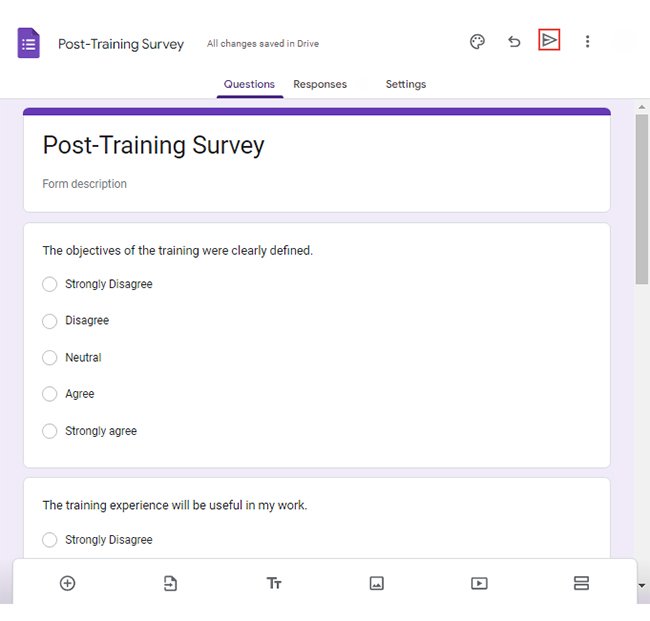
    Check out this related content: 110+ Post Training Survey Questions With Templates

    What are the 5 Scale Ratings of Satisfaction For An Event?

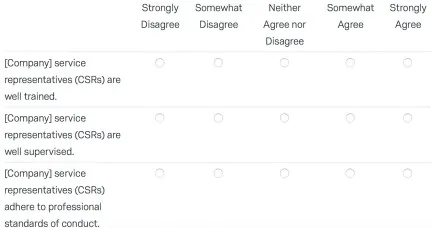
    There are various scales commonly used to measure satisfaction with an event, but one commonly used scale is the Likert scale, which typically ranges from 1 to 5 or 1 to 7. Here’s how a 5-point Likert scale for measuring satisfaction might look:

    • Very Dissatisfied
    • Dissatisfied
    • Neutral
    • Satisfied
    • Very Satisfied

    Alternatively, you can use a numerical scale with descriptive labels like:

    • Extremely dissatisfied
    • Dissatisfied
    • Neither satisfied nor dissatisfied
    • Satisfied
    • Extremely satisfied

    These scales provide respondents with a range of options to express their level of satisfaction, allowing for more nuanced feedback than a simple “yes” or “no” response. They also make it easier to analyze and interpret the data, as responses are quantified on a scale rather than being binary.

    Frequently Asked Questions

    Why is it important to conduct a post-event survey?

    Post-event surveys allow organizers to collect valuable feedback from attendees, helping them understand what aspects of the event were successful and where improvements can be made.

    What are some key areas to focus on when designing post-event survey questions?

    When designing post-event survey questions, it’s important to focus on various aspects of the event experience, such as the content, speakers, logistics, venue, networking opportunities, and overall satisfaction.

    How should post-event survey questions be structured to maximize response rates?

    Post-event survey questions should be clear, concise, and easy to answer. Utilize a mix of multiple-choice, rating scales, and open-ended questions to capture quantitative data as well as qualitative insights.

    How can organizers use feedback from post-event surveys to improve future events?

    Feedback from post-event surveys can inform various aspects of event planning and execution, including speaker selection, content topics, event format, logistics, venue choice, and networking opportunities. By analyzing survey responses and identifying areas for improvement, organizers can enhance future events to better meet attendees needs and expectations.

    Conclusion

    Post-event surveys play a crucial role in gathering feedback and insights from attendees, enabling organizers to evaluate the success of their events and identify areas for improvement.

    By asking targeted questions and carefully analyzing survey responses, organizers can gain valuable insights that inform future event planning and enhance attendee satisfaction. Incorporating post-event surveys into your event strategy can lead to more successful and impactful events in the future.

    References

    Recommendations

  • 120+ Internal Communication Survey Questions With Template

    120+ Internal Communication Survey Questions With Template

    If you want to improve the effectiveness of your internal communication, you need to know what your employees think and feel about it. One of the best ways to do that is to conduct an internal communication survey with good questions.

    An internal communication survey is a tool that allows you to measure how well your employees are informed, engaged, and satisfied with the communication they receive from your organization. It can also help you identify and address any gaps or challenges in your internal communication strategy.

    This article provides you with 120+ internal communication survey questions with a template that you can use and adapt for your own needs. These questions cover various aspects of internal communication, such as accessibility, quality, awareness, understanding, and engagement.

    By using these questions, you will be able to gather valuable feedback from your employees and improve your internal communication practices.

    Why Conduct an Internal Communication Survey?

    Internal communication surveys serve as an effective tool for evaluating the efficiency of your internal communication strategies while also acting as a catalyst for boosting employee engagement.

    By inquiring about company objectives and values, these surveys provide valuable insights into the level of team awareness and inclusion in organizational decision-making processes.

    Furthermore, seeking employee feedback on internal communication procedures aids in pinpointing and rectifying any gaps or misalignments among team members. Engaging in this survey process not only empowers your team but also instills a sense of capability, motivating them to deliver their optimal performance.

    According to a 2017 survey conducted by Salesforce, employees experiencing a sense of being heard are 4.6 times more likely to exhibit increased effectiveness in their roles.

    See also: 100+ Frequently Asked Questions About Immigration with Answers

    Effective Communication Survey Questions for Employees

    To measure how well your internal communication is working, you can use a survey to gather feedback from your employees.

    Here are some possible survey questions you can use or adapt:

    1. How do you prefer to receive information from the company? (e.g., email, intranet, newsletter, etc.)
    2. How often do you receive information from the company?
    3. How satisfied are you with the quality and clarity of the information you receive?
    4. How well do you understand the company’s vision, mission, and values?
    5. How well do you understand how your role contributes to the company’s goals?
    6. How comfortable do you feel sharing your ideas and opinions with your manager and colleagues?
    7. How often do you receive feedback on your work performance?
    8. How do you communicate with your team members? (e.g., chat, phone, video, etc.)
    9. How effective is the communication within your team?
    10. How well do you collaborate with other teams or departments?
    11. How often do you participate in company-wide events or activities?
    12. How engaged do you feel with the company culture?
    13. How much do you trust the senior leadership team?
    14. How transparent is the senior leadership team about the company’s performance and challenges?
    15. How well do you cope with change and uncertainty in the company?
    16. How do you handle conflicts or disagreements in the workplace?
    17. How do you balance your work and personal life?
    18. How do you manage your stress and well-being?
    19. How valued and appreciated do you feel at work?
    20. How likely are you to recommend working at this company to others?

    See also: 100+ Frequently Asked Questions About Social Media with Answers

    Team Communication Survey Questions

    To assess how well your team communicates, you can use a survey to collect feedback from your team members.

    Here are some possible survey questions you can use or adapt:

    1. How often do you communicate with your team members?
    2. What are the main channels or tools you use to communicate with your team members?
    3. How satisfied are you with the availability and responsiveness of your team members?
    4. How clear and concise are the messages you receive from your team members?
    5. How well do you understand the expectations and objectives of your team?
    6. How comfortable do you feel expressing your opinions or concerns to your team members?
    7. How often do you receive constructive feedback from your team members?
    8. How well do you handle disagreements or conflicts within your team?
    9. How supportive and respectful are your team members towards each other?
    10. How much do you trust your team members to deliver quality work on time?
    11. How often do you collaborate with your team members on projects or tasks?
    12. How effective are the meetings or discussions you have with your team members?
    13. How well do you share information and resources with your team members?
    14. How well do you leverage the skills and strengths of your team members?
    15. How much do you learn from your team members?
    16. How engaged and motivated are you to work with your team members?
    17. How aligned are you with your team’s vision and values?
    18. How well do you celebrate successes and achievements with your team members?

    See also: 100+ Product Survey Questions to Improve Customer Experience With Sample Questionnaire

    Staff Communication Survey Questions

    Designing a Staff Communication Survey is crucial for fostering effective communication within an organization. The questions should be thoughtfully crafted to gather insights on various aspects of communication.

    Instead of using any random survey questions, here are 20 survey questions that can provide valuable feedback:

    1. How would you rate the clarity of information in company-wide announcements?
    2. Are you satisfied with the frequency of team meetings?
    3. Do you feel comfortable expressing your opinions during team discussions?
    4. How well do you think leadership communicates the company’s goals and vision?
    5. Are communication channels accessible and user-friendly for all staff members?
    6. Do you receive timely and constructive feedback on your work?
    7. How would you rate the effectiveness of internal emails in conveying important information?
    8. Are there any barriers that hinder open communication in your team?
    9. How often do you feel updated on changes within the organization?
    10. Do you have the necessary tools and resources for seamless communication?
    11. How satisfied are you with the transparency of decision-making processes?
    12. Are there any communication gaps between different departments?
    13. Do you feel encouraged to share innovative ideas with your team?
    14. How would you rate the effectiveness of virtual communication tools in remote work scenarios?
    15. Are there any communication issues that affect your productivity?
    16. Do you feel well-informed about the company’s performance and achievements?
    17. How comfortable are you providing feedback to your colleagues?
    18. Are there any communication training programs you believe would benefit the team?
    19. How would you rate the overall communication culture within the organization?
    20. Do you have suggestions for improving internal communication?

    See also: 200+ Church Survey Questions to Ask Congregations | Sample Questionnaire

    School Communication Survey Questions

    Creating a School Communication Survey is crucial for understanding and enhancing communication within educational institutions.

    Here are 20 survey questions designed to gather insights from students, parents, and teachers:

    1. How satisfied are you with the clarity of communication from the school administration?
    2. Are you well-informed about school events and activities through official channels?
    3. How effective do you find teacher-parent communication regarding student progress?
    4. Do you feel that the school provides sufficient information on academic expectations and goals?
    5. Are communication channels easily accessible for both students and parents?
    6. How would you rate the school’s communication about safety measures and emergency procedures?
    7. Are there any challenges you face in accessing online communication platforms used by the school?
    8. How satisfied are you with the frequency and content of school newsletters and updates?
    9. Do you feel encouraged to communicate with teachers about your child’s educational needs?
    10. How well does the school communicate its policies on discipline and behavior expectations?
    11. Are there specific areas where you believe the school could improve communication with parents?
    12. How effective are teacher-student communication channels in addressing academic concerns?
    13. Do you feel well-informed about extracurricular activities and opportunities for students?
    14. How satisfied are you with the communication between the school and parents regarding COVID-19 updates?
    15. Are there any suggestions for improving communication between the school and the community?
    16. How would you rate the accessibility and effectiveness of the school’s website and online platforms?
    17. How satisfied are you with the responsiveness of school staff to your inquiries and concerns?
    18. Are there specific communication methods you would prefer the school to adopt or enhance?

    See also: 35+ Post-Webinar Survey Questions You Must Ask for Quality Feedback

    Customer Communication Survey Questions

    Creating a Customer Communication Survey is essential for businesses aiming to enhance their interactions with customers.

    Here are 20 survey questions designed to gather insights and feedback:

    1. Did our communications effectively address your needs and concerns?
    2. How would you rate the responsiveness of our customer service channels (phone, email, chat)?
    3. Were our product/service updates and announcements communicated clearly and promptly?
    4. Do you feel well-informed about our company’s policies and procedures?
    5. How satisfied are you with the frequency of updates and communication about new products or services?
    6. Did our team effectively communicate any changes in pricing or promotions?
    7. How likely are you to recommend our company based on the quality of communication you’ve experienced?
    8. Were you satisfied with the communication during the purchasing process?
    9. How well do you think our communication reflects our commitment to customer satisfaction?
    10. Are there areas in which you believe our communication could be improved to better meet your needs?
    11. How effective do you find our communication regarding product/service features and benefits?
    12. Were you informed about available support resources and self-help options?
    13. Did our communication appropriately address any issues or concerns you raised?
    14. How would you rate the clarity and transparency of our billing and invoicing communication?
    15. Are there specific communication methods you prefer for receiving updates and promotions?
    16. How well did our communication address your expectations during the onboarding process?
    17. Are there additional communication channels or features you would like to see implemented?
    18. How satisfied are you with the overall communication experience with our company?

    See also: 100+ Training Survey Questions for Quality Feedback With Samples

    Internal Communication Survey Questions

    Developing an Internal Communication Survey is vital for organizations aiming to enhance collaboration and information flow among team members.

    Here are 20 survey questions designed to gather insights and feedback on internal communication:

    1. How would you rate the effectiveness of internal communication within your team?
    2. Are you satisfied with the frequency of team meetings and updates?
    3. How well do you feel informed about organizational goals and strategic initiatives?
    4. Are communication channels easily accessible for all team members?
    5. How would you rate the transparency of information shared by leadership?
    6. Do you feel comfortable expressing your opinions during team discussions?
    7. Are communication tools and platforms user-friendly and efficient?
    8. How satisfied are you with the clarity of instructions and expectations from your supervisors?
    9. Do you receive timely feedback on your work performance?
    10. How effective are internal emails in conveying important information?
    11. Are there any barriers to open communication within your team or department?
    12. How well do you think your team communicates with other departments?
    13. Do you have the necessary resources and tools for seamless communication?
    14. How satisfied are you with the communication regarding changes in organizational structure or policies?
    15. Are there any areas where you feel communication could be improved to enhance productivity?
    16. How comfortable are you providing feedback to your colleagues and superiors?
    17. Do you feel adequately informed about professional development opportunities within the organization?
    18. How would you rate the overall communication culture within your department?
    19. Are there specific training programs or workshops you believe would enhance team communication?
    20. Do you have any suggestions for improving internal communication practices within the organization?

    See also: 120+ Best Employee Engagement Survey Questions

    External Communication Survey Questions

    Creating an External Communication Survey is essential for organizations seeking to understand how effectively they communicate with external stakeholders, customers, and partners.

    Here are 20 survey questions designed to gather insights and feedback on external communication:

    1. Do you feel well-informed about our products/services through our external communication channels?
    2. How would you rate the effectiveness of our communication regarding promotions or special offers?
    3. Are our social media channels effective in keeping you updated about our company?
    4. How satisfied are you with the frequency and relevance of our email communications?
    5. Do you find our website content and design conducive to clear communication?
    6. How well do you think our external communication aligns with our brand values and image?
    7. Are there specific areas in which you believe our external communication could be improved?
    8. How would you rate the clarity of information provided in our press releases or public statements?
    9. Do you feel adequately informed about our company’s involvement in community or social responsibility initiatives?
    10. How effective do you find our communication about changes in policies or terms of service?
    11. How satisfied are you with the overall communication experience with our sales representatives?
    12. Do you feel our external communication addresses your needs and concerns effectively?
    13. How well do you believe our communication addresses industry trends and updates?
    14. Are there specific improvements you would like to see in our external communication methods?
    15. How would you rate the accessibility and usability of our external communication platforms?
    16. Do you feel our external communication is consistent across various channels and touchpoints?
    17. Are there any suggestions you have for enhancing our external communication strategies?

    See also: 50+ Leadership Survey Questions You Must Ask for Company Growth

    Samples And Templates of Internal Communication Survey Questions Examples

    Effective Internal Communication Survey Questions With Template Samples

    See also: 125+ 360 Survey Questions With Sample Templates

    Tips For Conducting an Internal Communications Survey

    • Opt for brevity in your survey and employ language that resonates with your employees. Limit the survey duration to a maximum of 10 minutes and restrict the number of questions to fewer than 20.
    • Before widespread distribution, enlist a focus group of employees to review and validate the survey. This step aims to guarantee the clarity of the questions and their relevance to the employee experience.
    • Prioritize anonymity in the survey to foster an environment where employees feel comfortable expressing concerns or issues without apprehension of reprisal. Emphasize this anonymous feature when disseminating the survey.
    • Demonstrate commitment by taking action on suggestions or addressing identified problem areas from the survey. Improving engagement hinges on employees feeling heard; however, neglecting their input post-survey can lead to a sense of betrayal and diminish trust.

    FAQs

    What is the function of internal communications?

    Internal communications is the process of communicating with your employees to ensure they understand your business strategy and their role in delivering it. If you do this effectively, your people will know what they need to do and, crucially, why they’re doing it.

    What are some sample internal communications goals?

    Some examples of internal communications goals include: Increasing email open rates. Growing awareness about a new company service or product. Improving employee feedback rate.

    What is effective internal communication?

    Effective internal communication is a mix of company news, knowledge, ideas, feedback, and fun. If you simply focus on the company news, you’ll lose your audience. Throw in some messaging about social events, personal achievements, and fun moments around the office. You could send out a light-hearted poll or competition.

    How do you test communication skills?

    We’ve looked at the importance of asking questions and listening carefully. However, feedback through body language can also help you to assess the impact of your message. By watching the facial expressions, gestures, and posture of the person you’re communicating with, you can spot: Confidence levels.

    How do you rate your communication skills?

    If you would like to rate your communication skills, you can do so based on feedback from others, your ability to convey ideas clearly and effectively, your active listening skills, and your ability to adapt your communication style to different audiences and contexts.

    Conclusion

    Internal communication is a vital component of any organization’s success. One of the most effective ways to do that is to conduct an internal communication survey.

    This article offers over 120+ internal communication survey questions with a template that you can use for your survey.

    These questions will help you assess the strengths and weaknesses of your internal communication and provide you with insights on how to improve it.

    References

    Recommendations
  • 50+ Frequently Asked Questions About Health with Answers

    50+ Frequently Asked Questions About Health with Answers

    Health is one of the most important aspects of our lives, but also one of the most complex and challenging.

    Many factors affect our health, from genetics and lifestyle to environment and diseases. That’s why many people have frequently asked questions about health, wellness, fitness, and health insurance, and also want to learn more about how to improve their well-being.

    This article answers 50+ questions about health that cover various topics. Whether you are looking for general advice or specific information, you will find something useful and interesting in this comprehensive guide.

    What is Health?

    Health is a complex and multifaceted concept that has been defined in various ways by different disciplines, perspectives, and organizations. One of the most widely used and influential definitions of health is the one proposed by the WHO in its constitution: “Health is a state of complete physical, mental, and social well-being and not merely the absence of disease or infirmity.”

    This definition implies that health is not just a binary condition of being sick or healthy, but a dynamic and holistic state that encompasses the physical, mental, and social aspects of human life.

    It also recognizes that health is a fundamental human right that should be enjoyed by everyone regardless of their race, religion, political belief, economic or social condition. Moreover, it acknowledges that health is influenced by a range of factors, such as the environment, the health system, individual behavior, and the social determinants of health.

    However, this definition has also been criticized for being too broad, vague, and idealistic, as it does not specify the criteria or indicators for measuring health or well-being, nor does it account for the diversity and complexity of human experiences and values.

    Some have argued that health should be defined more narrowly and objectively, based on scientific evidence and measurable outcomes, such as the absence of disease, the presence of functioning, or the quality of life.

    See also: Qualitative vs Quantitative Survey Questions | Top 30 Questions to Ask

    Questions About Health and Wellness

    Question 1: What is the importance of regular exercise in maintaining overall health and wellness?

    Regular exercise is crucial for maintaining a healthy lifestyle as it enhances cardiovascular health, boosts mood through the release of endorphins, and helps control weight by burning calories.

    Question 2: How can one achieve a balanced and nutritious diet?

    A balanced diet includes a variety of fruits, vegetables, lean proteins, whole grains, and healthy fats. Portion control and mindful eating also play key roles in achieving nutritional balance.

    Question 3: Why is mental health an integral part of overall well-being?

    Mental health influences the emotional, psychological, and social aspects of our lives. Prioritizing mental health through stress management, mindfulness, and seeking support when needed contributes to overall wellness.

    Question 4: What role does sleep play in maintaining good health?

    Adequate and quality sleep is essential for physical and mental recovery. It supports immune function, cognitive performance, and emotional well-being.

    Question 5: How does hydration impact health and wellness?

    Staying hydrated is vital for bodily functions, including digestion, temperature regulation, and nutrient transportation. It also helps maintain skin health and energy levels.

    Question 6: What are the potential benefits of stress management techniques?

    Effective stress management, such as meditation, exercise, or deep breathing, can reduce the negative impact of stress on both physical and mental health.

    Question 7: What are the risks associated with excessive alcohol and tobacco consumption?

    Excessive alcohol and tobacco use can lead to various health issues, including cardiovascular diseases, respiratory problems, and an increased risk of certain cancers.

    See also: 70+ Event Survey Questions You Must Ask to Achieve Success.

    Questions About Health and Fitness

    Question 1: Why is physical fitness important for overall health?

    Physical fitness enhances cardiovascular health, strengthens muscles and bones, and improves mental well-being by releasing endorphins. It contributes to a holistic sense of wellness.

    Question 2: What constitutes a well-rounded fitness routine?

    A balanced fitness routine includes cardiovascular exercises, strength training, flexibility exercises, and activities promoting balance. This combination targets different aspects of physical health.

    Question 3: How can one establish realistic fitness goals?

    Setting achievable and measurable goals based on individual abilities and preferences is crucial. Gradual progress and consistency lead to sustainable results.

    Question 4: How can individuals stay motivated to exercise regularly?

    Finding enjoyable activities, setting realistic goals, and incorporating variety into the routine can help maintain motivation. Having a workout buddy or joining group classes can also provide accountability.

    Question 5: What role does hydration play in fitness?

    Proper hydration is vital for performance, as it regulates body temperature, transports nutrients, and supports muscle function. Dehydration can negatively impact endurance and recovery.

    Question 6: What are the benefits of incorporating rest days into a fitness routine?

    Rest days allow the body to recover, reducing the risk of injury and preventing burnout. Adequate rest is essential for muscle repair and overall well-being.

    Question 7: How can individuals overcome common barriers to regular exercise?

    Identifying and addressing obstacles such as time constraints, lack of motivation, or physical limitations is key. Creating a flexible and enjoyable routine increases adherence.

    Question 8: What are the potential risks of overtraining?

    Overtraining can lead to fatigue, decreased performance, and an increased risk of injuries. Balancing intensity, duration, and rest is essential for a sustainable fitness regimen.

    See also: 100+ Product Survey Questions to Improve Customer Experience With Sample Questionnaire

    Frequently Asked Questions About Health Care

    Question 1: Why is access to healthcare important for individuals and communities?

    Access to healthcare ensures timely diagnosis, treatment, and preventive measures, contributing to overall well-being and reducing the burden of diseases on society.

    Question 2: How can individuals navigate the complexities of health insurance?

    Understanding health insurance policies involves reviewing coverage details, deductibles, and copayments. Utilizing insurance resources and seeking assistance from professionals can clarify any uncertainties.

    Question 3: Why is preventive care crucial in the realm of healthcare?

    Preventive care, including vaccinations and regular check-ups, detects potential health issues early, promoting a proactive approach to maintaining health and reducing long-term healthcare costs.

    Question 4: How can patients effectively communicate with healthcare providers?

    Clear communication involves sharing concerns, asking questions, and actively participating in healthcare decisions. Building a collaborative relationship with healthcare professionals enhances the quality of care.

    Question 5: What are the key components of a healthy lifestyle that can reduce the need for medical interventions?

    Maintaining a balanced diet, engaging in regular physical activity, managing stress, and avoiding tobacco and excessive alcohol use are foundational elements of a healthy lifestyle that can prevent many health issues.

    Question 6: What is the significance of mental health in overall healthcare?

    Mental health is inseparable from physical health. Addressing mental health concerns, such as anxiety or depression, is crucial for a holistic approach to healthcare.

    Question 7: How does cultural competence contribute to better healthcare outcomes?

    Cultural competence in healthcare involves understanding diverse backgrounds and tailoring care accordingly. It promotes trust, effective communication, and improved patient outcomes.

    See also: 70+ Brand Perception Survey Questions With Sample Template

    Questions About Health Disparities

    Question 1: What are health disparities, and why do they exist?

    Health disparities refer to systematic, avoidable differences in health outcomes that exist among different populations. They result from social, economic, and environmental inequalities, leading to unequal access to healthcare resources.

    Question 2: How do socioeconomic factors contribute to health disparities?

    Socioeconomic factors, including income, education, and employment, influence access to healthcare, nutrition, and living conditions. Disparities in these factors contribute significantly to health inequalities.

    Question 3: Why is there a need for a focus on cultural competence in healthcare?

    Cultural competence ensures healthcare providers understand and respect diverse backgrounds, improving communication and trust. It is essential for addressing health disparities and delivering equitable care.

    Question 4: How does geography impact health disparities?

    Geographic location can affect access to healthcare services, quality of education, and exposure to environmental hazards. Rural and underserved urban areas often face more significant health disparities.

    Question 5: What role does systemic racism play in health disparities?

    Systemic racism contributes to unequal opportunities, discrimination, and limited access to resources, resulting in poorer health outcomes for marginalized communities.

    Question 6: What strategies can communities employ to address local health disparities?

    Community-driven initiatives, education programs, and advocacy efforts can empower communities to address local health disparities, promoting positive health outcomes.

    Question 7: How can technology be leveraged to bridge health disparities?

    Technology can improve healthcare access through telemedicine, health apps, and data analytics. Ensuring equitable access to these tools helps bridge gaps in healthcare delivery.

    See also: 70+ Must Ask Exit Survey Questions For a Successful Exit Interview

    Frequently Asked Questions About Health Insurance

    Question 1: Why is health insurance important?

    Health insurance provides financial protection by covering medical expenses, ensuring individuals can access necessary healthcare without facing exorbitant costs.

    Question 2: What does health insurance typically cover?

    Health insurance plans vary, but they often cover hospital stays, doctor visits, prescription medications, preventive care, and certain medical procedures. Specific coverage details depend on the plan.

    Question 3: How do I choose the right health insurance plan for me?

    Consider factors such as your health needs, budget, preferred doctors and hospitals, and the plan’s coverage network. Compare plans to find one that aligns with your specific requirements.

    Question 4: What is a deductible, and how does it work?

    A deductible is the amount you must pay out-of-pocket before your insurance starts covering expenses. Higher deductibles often result in lower monthly premiums, and vice versa.

    Question 5: How can I lower my health insurance costs?

    Opting for a higher deductible, maintaining a healthy lifestyle, and taking advantage of employer-sponsored plans or government subsidies can help reduce health insurance costs.

    Question 6: Can I keep my current doctor with any health insurance plan?

    Check if your preferred healthcare providers are in the network of the health insurance plan you’re considering. In-network providers typically cost less than out-of-network ones.

    Question 7: What happens if I lose my job and employer-sponsored health insurance?

    If you lose job-based health insurance, you may be eligible for a Special Enrollment Period through the Health Insurance Marketplace. Additionally, you can explore options like COBRA or Medicaid, depending on your circumstances.

    See also: 50+ Workshop Survey Questions with Sample Evaluation Form

    Research Questions About Health with their Answers

    Question 1: What are the key determinants of health disparities, and how can they be effectively addressed?

    Understanding the social, economic, and environmental factors contributing to health disparities is essential. Interventions should focus on promoting health equity through targeted policies and community-based initiatives.

    Question 2: What are the long-term effects of emerging technologies, such as artificial intelligence, on healthcare delivery and patient outcomes?

    Examining the ethical implications, privacy concerns, and potential benefits of AI in healthcare can guide responsible integration and maximize positive impacts on patient care.

    Question 3: How can mental health interventions be tailored to diverse cultural contexts for improved effectiveness?

    Research should explore culturally sensitive approaches to mental health, considering diverse belief systems, stigma reduction, and community-based support systems to enhance the success of interventions.

    Question 4: What role do social determinants of health play in shaping health outcomes, and how can healthcare systems address these factors?

    Investigating the impact of social determinants, such as housing, education, and employment, on health outcomes can inform policies and interventions to reduce disparities and promote health equity.

    Question 5: What are the most effective strategies for promoting healthy behaviors and lifestyle changes at the population level?

    Research should focus on evidence-based interventions, community engagement, and policy initiatives to encourage and sustain healthy behaviors, ultimately preventing chronic diseases.

    See also: 200+ Church Survey Questions to Ask Congregations | Sample Questionnaire

    Pet Questions About Health

    Question 1: How often should I take my pet to the veterinarian for check-ups?
    Regular veterinary check-ups are crucial for pets. Typically, an annual visit is recommended for vaccinations, dental exams, and overall health assessments. However, older pets or those with specific health issues may require more frequent visits.

    Question 2: What is the importance of proper nutrition for pets?
    Proper nutrition is vital for pets to maintain overall health, energy levels, and a healthy weight. It helps prevent issues like obesity, supports strong immunity, and contributes to a shiny coat and healthy skin.

    Question 3: How can I ensure my pet gets enough exercise?
    The amount of exercise varies based on the pet’s breed, age, and health. Dogs, for instance, often require daily walks and playtime. Cats benefit from interactive toys. Tailoring activities to your pet’s needs ensures they stay physically and mentally stimulated.

    Question 4: What signs should I watch for to identify potential health problems in my pet?
    Pay attention to changes in behavior, appetite, water consumption, bathroom habits, and physical appearance. Lethargy, excessive scratching, or changes in weight can be indicative of underlying health issues, warranting a veterinary visit.

    Question 5: How can I maintain my pet’s dental health?
    Dental care is crucial for pets to prevent issues like gum disease and tooth decay. Regular tooth brushing, dental treats, and chew toys designed for dental health can help keep your pet’s teeth clean. Professional dental cleanings may also be recommended by your veterinarian.

    Questions About Health for Students

    Question 1: How does a healthy lifestyle impact student academic performance?

    Maintaining good nutrition, regular exercise, and sufficient sleep positively influence cognitive function, concentration, and overall academic success.

    Question 2: What are effective strategies for managing stress during the school year?

    Students can adopt stress-management techniques such as time management, mindfulness, and seeking support to enhance mental well-being and academic resilience.

    Question 3: Why is sleep crucial for student health?

    Sufficient sleep is essential for memory consolidation, mood regulation, and overall cognitive function, directly impacting a student’s ability to learn and perform well academically.

    Question 4: How can students balance a busy academic schedule with a healthy lifestyle?

    Prioritizing time for healthy meals, exercise, and self-care fosters a balanced lifestyle, contributing to sustained academic performance.

    Question 5: What resources are available on campus to support student health and well-being?

    Students can explore on-campus health services, counseling centers, and wellness programs to access resources and support for physical and mental well-being during their academic journey.

    Pageant Questions About Health

    Question 1: How do pageant contestants maintain their physical health and fitness during competition preparation?

    Contestants prioritize a balanced diet, regular exercise, and wellness routines to ensure they are physically fit, energized, and confident on stage.

    Question 2: Why is mental health important for pageant participants, and how do they address it?

    Mental well-being is crucial, and contestants often engage in mindfulness practices, seek support networks, and promote positive self-talk to enhance their mental resilience.

    Question 3: How can pageant platforms be utilized to advocate for specific health causes or initiatives?

    Pageant winners often leverage their influence to raise awareness for health-related issues, partnering with organizations to champion specific causes and drive positive change.

    Question 4: What role does self-care play in a pageant contestant’s overall health and performance?

    Self-care rituals, including adequate rest, skin care, and relaxation techniques, contribute to a contestant’s overall well-being and radiance during the competition.

    Question 5: How can pageants contribute to promoting a holistic approach to health and beauty standards?

    Pageants have the potential to redefine beauty standards by emphasizing inner confidence, intelligence, and a commitment to health, fostering a positive impact on both contestant’s and society’s perception of beauty.

    Dog Questions About Health

    Question 1: How often should I take my dog for veterinary check-ups?

    Regular veterinary visits, ideally once a year, are essential for preventive care, vaccinations, and early detection of potential health issues in dogs.

    Question 2: What signs indicate that my dog may be unwell?

    Pay attention to changes in behavior, appetite, energy levels, or unusual symptoms like limping. Any noticeable changes should prompt a visit to the veterinarian.

    Question 3: How can I maintain my dog’s dental health?

    Regular tooth brushing, dental chews, and professional cleanings when necessary contribute to preventing dental issues and maintaining overall oral health in dogs.

    Question 4: What is a proper diet for my dog’s health and nutrition?

    Providing a balanced and nutritious diet suitable for your dog’s age, size, and breed is crucial for their overall health, energy levels, and longevity.

    Question 5: How much exercise does my dog need for optimal health?

    The amount of exercise varies by breed and size. Daily walks, playtime, and mental stimulation are essential for keeping dogs physically and mentally healthy.

    Tarot Questions About Health

    Question 1: How can tarot be used to gain insights into one’s overall well-being?

    Tarot cards can offer symbolic representations that help individuals explore their mental, emotional, and physical states, providing a holistic perspective on health.

    Question 2: What cards in a tarot deck may symbolize health and vitality?

    Cards like The Sun, The Empress, and The World often signify positive energy, growth, and overall well-being, offering encouragement in health-related inquiries.

    Question 3: How can tarot help identify sources of stress affecting health?

    Tarot readings can unveil underlying issues causing stress, offering insights that empower individuals to address and alleviate sources of mental and emotional strain.

    Question 4: Can tarot predict specific health outcomes?

    The tarot is not designed for predictive health readings. Instead, it can guide lifestyle choices, potential obstacles, and the importance of self-care.

    Question 5: How often should someone seek health-related insights through tarot readings?

    Tarot readings for health can be occasional tools for reflection. It’s recommended to approach them with an open mind, using them as supportive guidance rather than absolute predictions.

    Trivia Questions and Answers About Health

    1. What is the body’s largest organ? Skin.
    2. What is the recommended daily water intake for adults? Approximately 8 cups (64 ounces) or more, depending on factors like activity level and climate.
    3. Which vitamin is produced when the skin is exposed to sunlight? Vitamin D.
    4. What percentage of the human body is water? Approximately 60%.
    5. What is the powerhouse of the cell? Mitochondria.
    6. How many bones are there in the adult human body? 206.
    7. What is the normal resting heart rate for adults? 60-100 beats per minute.
    8. What is the main function of red blood cells? Transporting oxygen to body tissues.
    9. Which organ produces insulin? Pancreas.
    10. What is the average body temperature in degrees Celsius? 37 degrees Celsius (98.6 degrees Fahrenheit).
    11. What nutrient is primarily responsible for building and repairing body tissues? Protein.
    12. How many taste buds does the average human tongue have? Around 10,000.
    13. What is the largest part of the brain? Cerebrum.
    14. Which mineral is essential for strong and healthy bones? Calcium.
    15. What is the function of the respiratory system? To facilitate the exchange of oxygen and carbon dioxide in the body.
    16. Which organ filters and detoxifies blood? Liver.
    17. What is the recommended daily intake of fruits and vegetables for adults? 5 servings.
    18. Which gas do plants absorb during photosynthesis? Carbon dioxide.
    19. What is the smallest bone in the human body? Stapes, located in the middle ear.
    20. What is the term for the body’s ability to resist an infectious disease? Immunity.

    See also: 100+ Frequently Asked Questions About Social Media with Answers

    FAQs

    What are the 3 biggest health problems?

    Unfortunately, millions of Americans live with chronic conditions like heart disease, diabetes, and cancer.

    What are the three types of health?

    The World Health Organization (WHO) defines health as the balance of mental, physical, and social health, also known as the health triangle. Having a good balance in all three areas is essential to living a healthy lifestyle.

    What is the full meaning of health?

    Health is a state of complete physical, mental, and social well-being and not merely the absence of disease or infirmity. The enjoyment of the highest attainable standard of health is one of the fundamental rights of every human being without distinction of race, religion, political belief, economic or social condition.

    What are the principles of health?

    Being ill is not nice. Being healthy is better. The main principles of health are a healthy diet, no drugs (alcohol, smoking, drugs, eating too much), regular exercise, adequate rest, and positive thinking.

    What is the role of health?

    Health is a resource for everyday life, not the objective of living; it is a positive concept, emphasizing social and personal resources, as well as physical capacities.” Thus, health refers to the ability to maintain homeostasis and recover from adverse events.

    Conclusion

    Health is a dynamic and multifaceted concept that requires constant attention and care. By being informed and proactive, you can make better choices for yourself and your loved ones.

    This is why we have provided you with the most frequently asked questions about health, wellness, fitness, and health insurance.

    Remember that the best source of health information is always a qualified professional who can assess your situation and needs.

    References

    • Britannica.com – 17 Questions About Health and Wellness Answered
    • Aarp.org – Your 50 Top Health Questions Answered

    Recommendations

  • Race and Ethnicity Survey Questions | Top 3 Ways to Ask in a Questionaire

    Race and Ethnicity Survey Questions | Top 3 Ways to Ask in a Questionaire

    Understanding the diverse demographics of your audience is crucial for effective communication, project planning, and decision-making.

    Race and ethnicity survey questions provide valuable data, but crafting them responsibly requires sensitivity and nuance. 

    This content explores the importance of these Race and ethnicity survey questions, delves into key considerations for their creation, and highlights the distinction between race and ethnicity.

    What are Race and Ethnicity Survey Questions used for?

    These questions gather information about a respondent’s racial or ethnic background. They are often included in surveys like:

    • Post-meeting surveys: To assess the inclusivity and representation of participants.
    • Market research surveys: To understand target audience demographics and preferences.
    • Diversity and inclusion surveys: To measure progress towards organizational equity.

    Related Post: 250+ Best Birthday Trivia Questions and Answers (Easiest to Hardest)

    What factors should be considered when creating Race and ethnicity survey questions

    1. Clarity and Purpose:

    • Define your terms: Clearly differentiate between “race” and “ethnicity” in the introduction, explaining the data’s intended use.
    • Tailor your approach: Align the question design with your specific goals. A post-meeting survey may focus on perceived representation, while a broader market research study might explore product preferences across diverse groups.

    2. Inclusivity and Respect:

    • Offer diverse answer options: Avoid fixed categories and allow for multi-selection. Use inclusive language, reflecting the fluidity and complexity of identity.
    • Provide an “Other” option: Enable respondents to specify identities not listed. This shows respect for individual uniqueness and allows for data-driven improvement of future questions.
    • Ensure anonymity and confidentiality: Emphasize data security and respondent anonymity to encourage honest participation.

    3. Sensitivity and Accuracy:

    • Avoid outdated or offensive terms: Stay updated on evolving terminology and consult resources from reputable organizations like the US Census Bureau.
    • Consider intersectionality: Recognize that individuals may identify with multiple races and ethnicities, allowing for multi-selection or open-ended responses.
    • Pilot test your questions: Gather feedback from a diverse group to ensure clarity, avoid offense, and identify potential unintended biases.

    What is the difference between race, ethnicity, and nationality?

    Before exploring your inquiry about survey questions, it’s crucial to understand the distinction between race, ethnicity, and nationality:

    • Race: Refers to a social construct based on physical characteristics like skin color, hair texture, and facial features. It’s important to recognize that race is not a biological reality but rather a historical and cultural categorization that has been misused to justify discrimination and oppression.
    • Ethnicity: Denotes a shared cultural identity encompassing shared traditions, language, history, and ancestry. It’s often tied to specific regions or groups, but it can also be fluid and evolve.
    • Nationality: Indicates legal or political affiliation with a particular country. It’s determined by citizenship or place of birth.

    These terms are distinct, yet they can overlap and sometimes be confusing. For example, someone might identify with a specific racial group, belong to an ethnic community within that group, and hold the nationality of another country entirely.

    What type of survey do Race and ethnicity questions play a vital role?

    These questions play a vital role in various surveys like:

    • Understanding demographics: They provide insights into the diversity of a population, allowing researchers to tailor their studies to specific groups.
    • Identifying disparities: They can reveal inequalities in access to resources, opportunities, or experiences based on race or ethnicity.
    • Evaluating policies and programs: They help assess the impact of policies and programs on different groups within a population.
    • Promoting inclusion: They can help organizations and institutions better understand and serve the needs of diverse communities.

    Related Post: 100+ Skill Survey Questions with Sample Questionnaire (Soft and Hard)

    How to ask race and ethnicity questions in a survey: Top three ways

    • Explain purpose and data usage: Inform respondents why the data is being collected and how it will be used.
    • Use clear and inclusive language: Avoid terms that could be offensive or exclusionary.
    • Offer multiple options and an “Other” category: Allow respondents to choose the options that best represent their identities.
    • Make it optional: Never force someone to answer questions about their race or ethnicity.

    What are the Advantages and Challenges of Race-Ethnicity Surveys Questions?

    It’s important to carefully consider both the advantages and limitations of including race-ethnicity questions in surveys. When done thoughtfully and ethically, these questions can be a valuable tool for understanding and addressing complex social issues.

    However, it’s crucial to acknowledge and address the limitations to ensure responsible data collection and use.

    Advantages of Race-Ethnicity Surveys Questions:

    • Inclusion and Representation: Surveys on race and ethnicity allow diverse voices to be heard and represented. This creates a more complete picture of a population and allows policymakers and researchers to better understand the needs and perspectives of different groups.
    • Addressing Disparities: Data from these surveys can help identify and address inequities in various areas, such as healthcare, education, and employment. By understanding differences in access to resources and opportunities, interventions can be tailored to specific needs.
    • Targeted Programs: Data on race and ethnicity can help organizations develop more effective and impactful programs by ensuring they are relevant to the specific needs and experiences of different communities.
    • Research: These surveys are crucial for research on topics like social justice, health outcomes, and cultural experiences. They provide valuable information that cannot be obtained from other sources.
    • Awareness and Education: The act of collecting and analyzing this data can raise awareness about issues of race and ethnicity, leading to more informed discussions and solutions.

    Limitations of Race-Ethnicity Questions on Surveys:

    • Sensitivity: Questions about race and ethnicity can be sensitive and may make some respondents uncomfortable. Careful design and communication are crucial to ensure respectful participation.
    • Self-Identification: Individuals may not identify neatly into predefined categories, making data collection and interpretation complex. Open-ended questions and flexible response options can help address this.
    • Misinterpretation: Data on race and ethnicity can be misused or misinterpreted, leading to harmful stereotypes and generalizations. Proper analysis and contextualization are essential.
    • Sampling Bias: If surveys do not reach diverse populations, the data may not be representative and can lead to misleading conclusions. Careful sampling techniques are important.
    • Privacy Concerns: Respondents may have concerns about how their data will be used and protected. Transparency and clear data protection policies are necessary.

    Where to Use Race-Ethnicity Survey Questions

    Race-ethnicity survey questions should only be used in research studies that have been approved by an institutional review board. Institutional review boards are committees that are responsible for protecting the rights and welfare of human subjects in research studies.

    They review research proposals to ensure that they are scientifically sound, ethical, and by federal regulations.

    Race-ethnicity survey questions can be used in a variety of settings, including:

    • In academic research to study the relationships between race, ethnicity, and other variables, such as health, education, and income.
    • In government surveys to collect data on the demographics of the population.
    • In marketing research to understand the needs and preferences of different racial and ethnic groups.
    • In human resources to promote diversity and inclusion in the workplace.
    • In healthcare to provide culturally competent care.

    If you are considering using race-ethnicity survey questions in your research, it is important to consult with an expert in human subjects research to ensure that your study is designed and conducted ethically.

    Where questions about a respondent’s age, race, and gender should be placed in a survey?

    The optimal placement of questions about age, race, and gender in a survey depends on a few factors:

    Sensitivity and Respondent Comfort:

    • End of the Survey: Generally, these questions are placed at the end as they can be perceived as more sensitive and personal. This allows respondents to feel invested in the survey before encountering potentially uncomfortable questions, reducing the likelihood of drop-off.
    • Beginning of the Survey: Placing them at the beginning is less common but can be done for specific reasons like screening respondents for eligibility or tailoring the survey based on demographics. However, this approach can make respondents wary or hesitant to participate.

    Purpose and Survey Type:

    • Screening Questions: If needed for eligibility, place them at the beginning to avoid wasting respondents’ time.
    • Understanding Audience: If crucial for interpreting responses, consider placing them after key content to ensure participation.
    • Anonymous Surveys: In anonymous surveys, placement matters less as privacy is already ensured.

    Additional considerations:

    • Survey goals: If demographic information is crucial for understanding the core content, placing them earlier might be necessary.
    • Anonymity: If the survey is anonymous, respondents might be more comfortable answering potentially sensitive questions earlier.
    • Optional questions: Consider making demographic questions optional, especially sensitive ones, to avoid discouraging participation.
    • Clarity and Neutrality: Ensure questions are clear and neutral, and avoid any biases.
    • Optional Questions: Offer an “I prefer not to answer” option for sensitive information

    Best practices:

    • Explain the purpose: Briefly explain why you’re asking each question and how the information will be used.
    • Offer clear and inclusive options: Use non-judgmental and inclusive language for response options.
    • Respect privacy: Assure respondents their answers will be kept confidential and anonymous if applicable.

    Race and Ethnicity Survey Questions

    Race and Ethnicity Survey Questions:

    1.     What is your race?

    ·         Sample Answer: White

    2.     What is your ethnicity?

    ·         Sample Answer: Hispanic or Latino

    3.     Do you feel that your race or ethnicity was adequately represented in today’s meeting?

    ·         Sample Answer: Yes, I believe my race/ethnicity was fairly represented.

    4.     Have you ever experienced discrimination based on your race or ethnicity in a professional setting?

    ·         Sample Answer: Yes, unfortunately, I have experienced discrimination before.

    5.     Do you think the organization promotes diversity and inclusion effectively?

    ·         Sample Answer: No, there’s room for improvement in promoting diversity and inclusion.

    6.     How comfortable do you feel discussing issues related to race and ethnicity in the workplace?

    ·         Sample Answer: Somewhat comfortable, but there’s still hesitation.

    7.     What steps do you think the company could take to improve diversity and inclusion efforts?

    ·         Sample Answer: Implementing mandatory diversity training for all employees.

    8.     Do you believe there are any unconscious biases present in the workplace?

    ·         Sample Answer: Yes, I think unconscious biases exist and need to be addressed.

    9.     Have you ever felt excluded or marginalized in the workplace due to your race or ethnicity?

    ·         Sample Answer: Unfortunately, yes, there have been instances where I felt excluded.

    10.   Do you feel that your opinions and perspectives are valued regardless of your race or ethnicity?

    ·         Sample Answer: Mostly, but there are times when I feel my perspectives are overlooked.

    Race Survey Questions

    11.   What race do you identify with the most?

    ·         Sample Answer: African American/Black

    12.   Do you believe there are adequate opportunities for individuals of your race within the organization?

    ·         Sample Answer: No, I think there’s room for improvement in providing opportunities.

    13.   How important is it for you to see representation of your race in leadership positions?

    ·         Sample Answer: Extremely important, it’s crucial for fostering inclusivity.

    14.   Have you ever faced challenges or obstacles in your career due to your race?

    ·         Sample Answer: Yes, unfortunately, I have encountered obstacles.

    15.   Do you think the organization’s policies are inclusive and supportive of employees from diverse racial backgrounds?

    ·         Sample Answer: Not entirely, some policies need to be revised for better inclusivity.

    16.   How satisfied are you with the level of racial diversity within the organization?

    ·         Sample Answer: Somewhat satisfied, but there’s room for improvement.

    17.   Have you ever witnessed or experienced racial microaggressions in the workplace?

    ·         Sample Answer: Yes, I have witnessed and experienced microaggressions before.

    18.   Do you believe the organization actively works to address racial inequality?

    ·         Sample Answer: It seems like efforts are being made, but more action is needed.

    19.   How comfortable are you discussing racial issues with your colleagues and supervisors?

    ·         Sample Answer: Not very comfortable, as it can be a sensitive topic.

    20.   What suggestions do you have for fostering a more inclusive environment for individuals of your race within the organization?

    ·         Sample Answer: Implementing mentorship programs for career advancement.

    Related Post: Top 50+ Demographic Survey Questions With Examples

    Ethnicity Survey Questions

    21.   What ethnicity do you identify with the most?

    ·         Sample Answer: Asian

    22.   Do you think your ethnicity has ever been a factor in how you’ve been treated within the organization?

    ·         Sample Answer: Yes, I believe my ethnicity has influenced certain situations.

    23.   How satisfied are you with the level of ethnic diversity within your department?

    ·         Sample Answer: Not very satisfied, there’s a lack of representation.

    24.   Have you ever felt pressure to conform to certain cultural norms within the workplace?

    ·         Sample Answer: Yes, there have been instances where I felt pressure to conform.

    25.   Do you believe the organization values the cultural differences of its employees?

    ·         Sample Answer: It’s unclear, there could be more emphasis on cultural appreciation.

    26.   Have you encountered any language barriers in the workplace due to your ethnicity?

    ·         Sample Answer: Yes, language barriers have been a challenge at times.

    27.   How important is it for you to have cultural celebrations and events within the organization?

    ·         Sample Answer: Very important, it helps create a sense of belonging.

    28.   Do you feel comfortable expressing your cultural identity in the workplace?

    ·         Sample Answer: Somewhat, but there’s still hesitation.

    29.   Have you ever been stereotyped based on your ethnicity in a professional setting?

    ·         Sample Answer: Unfortunately, yes, stereotypes have been an issue.

    30.   What initiatives do you think the company should implement to better support employees from diverse ethnic backgrounds?

    ·         Sample Answer: Introducing cultural sensitivity training for all employees.

    Race vs. Ethnicity Survey Questions

    31.   Do you feel there is a distinction between race and ethnicity?

    ·         Sample Answer: Yes, race refers to physical characteristics, while ethnicity is more about cultural identity.

    32.   How do you think the organization could better address both race and ethnicity in its diversity efforts?

    ·         Sample Answer: By acknowledging and celebrating both racial and ethnic diversity.

    33.   Do you think the organization focuses more on race or ethnicity when discussing diversity and inclusion?

    ·         Sample Answer: It seems to focus more on race, with less emphasis on ethnicity.

    34.   In your opinion, which aspect, race or ethnicity, has a greater impact on career advancement within the organization?

    ·         Sample Answer: It’s difficult to say, both can play significant roles depending on the context.

    35.   Do you believe the organization’s diversity initiatives adequately address the intersectionality of race and ethnicity?

    ·         Sample Answer: Not entirely, there’s room for improvement in recognizing intersectionality.

    36.   How do you navigate discussions about race and ethnicity in the workplace?

    ·         Sample Answer: With caution, ensuring to respect for others’ perspectives and experiences.

    37.   Have you ever felt conflicted between your racial identity and your ethnic identity in a professional setting?

    ·         Sample Answer: Yes, there have been instances where I’ve felt conflicted.

    38.   Do you think individuals should be required to disclose both their race and ethnicity in professional settings?

    ·         Sample Answer: It should be optional, as some may not feel comfortable disclosing.

    39.   How do you think the organization could better support employees who navigate multiple racial and ethnic identities?

    ·         Sample Answer: By offering resources and support tailored to their unique experiences.

    40.   Do you believe the organization’s diversity initiatives adequately address the nuances of race and ethnicity?

    ·         Sample Answer: Not entirely, there’s room for deeper exploration and understanding.

    Post-Race Survey Questions

    41.   Reflecting on today’s meeting, do you feel that race was adequately addressed as a topic?

    ·         Sample Answer: Yes, I believe race was addressed appropriately.

    42.   Were there any instances during the meeting where you felt uncomfortable discussing race-related topics?

    ·         Sample Answer: No, I felt comfortable participating in the discussions.

    43.   Do you think the outcomes of today’s meeting will positively impact racial diversity and inclusion within the organization?

    ·         Sample Answer: Yes, I’m optimistic about the potential impact of today’s discussions.

    44.   What suggestions do you have for improving future meetings focused on race and ethnicity?

    ·         Sample Answer: Incorporating more interactive activities to encourage engagement.

    45.   Did today’s meeting change your perspective on any race-related issues?

    ·         Sample Answer: Yes, it provided new insights and perspectives.

    46.   Were there any topics related to race or ethnicity that you wished were discussed during the meeting but weren’t?

    ·         Sample Answer: Yes, I think we could have delved deeper into unconscious bias.

    47.   How do you plan to incorporate what you’ve learned from today’s meeting into your daily interactions within the organization?

    ·         Sample Answer: By being more mindful of how race and ethnicity impact our work environment.

    48.   Do you feel more empowered to address racial inequality within the organization after today’s meeting?

    ·         Sample Answer: Yes, I feel more equipped to advocate for change.

    49.   Would you recommend similar race and ethnicity-focused meetings in the future?

    ·         Sample Answer: Absolutely, I think these discussions are essential for progress.

    50.   Overall, how would you rate the effectiveness of today’s meeting in addressing race-related issues?

    ·         Sample Answer: I would rate it highly effective, as it facilitated important dialogue and reflection.

    Related Post: 250+ Best Thanksgiving Trivia Questions and Answers (Easiest to Hardest

    Sample Race and Ethnicity Survey Questions

    51.   What do you consider to be the most significant challenge facing individuals of diverse racial and ethnic backgrounds within the organization?

    ·         Sample Answer: Lack of representation in leadership positions.

    52.   How do you think the organization’s approach to diversity and inclusion differs based on race and ethnicity?

    ·         Sample Answer: It seems to be more focused on race than ethnicity.

    53.   What role do you think race and ethnicity play in shaping organizational culture?

    ·         Sample Answer: They play significant roles in shaping inclusivity and belonging.

    54.   In what ways do you think race and ethnicity impact opportunities for career advancement within the organization?

    ·         Sample Answer: They can influence access to opportunities and mentorship.

    55.   How do you think the organization could better support employees in navigating discussions about race and ethnicity?

    ·         Sample Answer: By providing resources and training on effective communication.

    56.   What strategies do you think are most effective in promoting understanding and acceptance of diverse racial and ethnic backgrounds within the organization?

    ·         Sample Answer: Encouraging open dialogue and cultural competency training.

    57.   Do you believe there is a correlation between racial and ethnic diversity and organizational performance?

    ·         Sample Answer: Yes, diverse perspectives often lead to innovation and better decision-making.

    58.   How do you think the organization’s commitment to diversity and inclusion impacts its reputation among employees and external stakeholders?

    ·         Sample Answer: It can enhance the organization’s reputation as an inclusive employer.

    59.   What steps do you think are necessary to create a truly inclusive environment for individuals of all racial and ethnic backgrounds within the organization?

    ·         Sample Answer: Implementing policies that prioritize equity and belonging.

    60.   How do you think the organization’s approach to diversity and inclusion compares to industry standards?

    ·         Sample Answer: It’s difficult to say without more benchmarking and analysis.

    What is the standard race and ethnicity question?

    What is this person’s ethnicity?

    How many races are there?

    There are five racial categories

    What are the race categories for the survey?

    White, Black or African American, American Indian or Alaska Native, Asian, and Native Hawaiian or Other Pacific Islander

    What is the largest ethnicity in the world?

    The Han Chinese

    Conclusion

    Race and ethnicity survey questions offer valuable insights for various projects. Through careful consideration of your goals, respecting respondent autonomy, and using inclusive language, you can gather accurate and meaningful data while fostering a sense of trust and respect.

    Remember, these questions explore sensitive topics, so approach them with empathy and a commitment to inclusivity.

    References

    Recommendations
  • 55+ Post Meeting Survey Questions for Quality Feedback 

    55+ Post Meeting Survey Questions for Quality Feedback 

    Ever left a meeting wondering, “Was that time well spent?” or “Did everyone walk away with what they needed?” Meetings are a cornerstone of collaboration and communication in any organization.

    But the big question is, are they effective? How can we know if they’re achieving their goals and using everyone’s time efficiently? That’s where these post-meeting survey questions come in handy.

    Using the post-meeting survey questions is a simple yet powerful way to gather valuable feedback and improve your meetings. Let’s explore this content to see the Post Meeting Survey Questions needed for Quality Feedback in your organizational meetings.

    What are post-meeting survey questions?

    Post-meeting survey questions are queries posed to participants after a meeting to gauge their experience, gather insights, and identify areas for improvement.

    They cover aspects like meeting objectives, content clarity, participant engagement, and overall effectiveness.

    Read Also: 35+ Post-Webinar Survey Questions You Must Ask for Quality Feedback

    What is the importance of a post-meeting survey?

    Regularly conducting post-meeting surveys offers several benefits:

    • Identify areas for improvement: Pinpoint weaknesses in meeting structure, content, or engagement, guiding future planning.
    • Boost meeting effectiveness: Make meetings more productive and aligned with participant needs, leading to better outcomes.
    • Increase engagement and morale: Show participants their feedback is valued, fostering a culture of continuous improvement.
    • Data-driven decision-making: Gather quantitative and qualitative data to support decisions about meeting frequency, format, and agenda.

    Related Post: 90+ Funny Survey Questions to Engage Your Audience

    Who can take a Post meeting survey?

    Anyone who attends a meeting! This includes:

    • Employees: Their feedback is crucial for understanding meeting effectiveness and engagement.
    • Clients/Stakeholders: Their perception of meetings directly impacts satisfaction and collaboration.
    • Team members: Internal teams can use surveys to assess inter-departmental communication and collaboration.

    How to evaluate your Meeting feedback survey?

    Once you have collected feedback, analyze it effectively. Analyzing the results is key to extracting actionable insights. Here’s how:

    • Quantitative analysis: Use rating scales and multiple-choice questions to gather numerical data. Analyze trends and identify areas with high/low scores.
    • Qualitative analysis: Open-ended questions provide rich details and specific suggestions. Categorize themes and identify recurring issues or praises.
    • Combine both: Combine quantitative and qualitative data for a comprehensive understanding of strengths, weaknesses, and opportunities for improvement.
    • Actionable insights: Translate findings into concrete steps to improve future meetings and communication.

    Read Also: 110+ Post Training Survey Questions With Templates

    How to create your post-meeting survey

    1. Define your goals: What aspects of the meeting do you want to evaluate?

    2. Choose the right survey platform: Tools like SurveyMonkey or Google Forms offer free options.

    3. Craft clear and concise questions: Include a mix of closed-ended and open-ended questions.

    4. Keep it short and sweet: Aim for a survey that can be completed quickly.

    5. Ensure anonymity: Encourage honest feedback by promising anonymity.

    6. Communicate results and action steps: Share key findings and plans for improvement with participants.

    Regular use of post-meeting survey questions fosters a culture of open communication and leads to progressively better meetings for everyone involved. So, unleash the power of feedback and create meetings that are truly productive and engaging.

    Post Meeting Survey Questions

    Meeting feedback survey questions

    1.     How would you rate the overall effectiveness of the meeting?

    ·         Sample answer: The meeting was highly effective in achieving its objectives.

    2.     Were the meeting objectives clearly communicated beforehand?

    ·         Sample answer: Yes, the meeting objectives were clearly outlined in the agenda.

    3.     Did the meeting start and end on time?

    ·         Sample answer: Yes, the meeting adhered to the scheduled start and end times.

    4.     Were all relevant stakeholders present in the meeting?

    ·         Sample answer: Yes, all necessary attendees were present.

    5.     How would you rate the facilitation of the meeting?

    ·         Sample answer: The facilitator managed the meeting skillfully and kept it on track.

    6.     Were the materials provided for the meeting sufficient and helpful?

    ·         Sample answer: Yes, the materials provided were comprehensive and aided in understanding the topics discussed.

    7.     Did the meeting encourage active participation from attendees?

    ·         Sample answer: Yes, there was ample opportunity for participation and discussion.

    8.     Were action items and next steps clearly defined at the end of the meeting?

    ·         Sample answer: Yes, action items and next steps were clearly outlined, ensuring accountability.

    9.     How would you rate the level of engagement during the meeting?

    ·         Sample answer: The meeting fostered high levels of engagement among attendees.

    10.   Was there adequate time allocated for each agenda item?

    ·         Sample answer: Yes, each agenda item received sufficient time for discussion.

    Related Post: 125 New Hire Onboarding Survey Questions with Templates

    Post meeting survey

    11.   Did the meeting address the intended topics adequately?

    ·         Sample answer: Yes, the meeting covered all intended topics in depth.

    12.   Were any topics discussed that you felt were unnecessary or could have been omitted?

    ·         Sample answer: No, all topics discussed were relevant and contributed to the meeting’s objectives.

    13.   How would you rate the clarity of communication during the meeting?

    ·         Sample answer: Communication was clear and easy to understand.

    14.   Were any technical difficulties experienced during the meeting?

    ·         Sample answer: No, the meeting proceeded smoothly without technical issues.

    15.   Did the meeting foster a collaborative environment?

    ·         Sample answer: Yes, the meeting encouraged collaboration and teamwork.

    16.   Were there any specific areas where improvement is needed for future meetings?

    ·         Sample answer: There are no significant areas for improvement; however, perhaps providing more background information beforehand could be helpful.

    17.   Did you feel your voice was heard during the meeting?

    ·         Sample answer: Yes, I felt my opinions and input were valued and acknowledged.

    18.   How likely are you to implement the discussed action items from this meeting?

    ·         Sample answer: I am very likely to implement the action items discussed during the meeting.

    19.   Were there any notable achievements or milestones discussed during the meeting?

    ·         Sample answer: Yes, several achievements were highlighted, which was motivating and inspiring.

    20.   Overall, how would you rate this meeting on a scale of 1 to 10?

    ·         Sample answer: I would rate this meeting a 9 out of 10. It was highly productive and engaging.

    Post-meeting feedback survey questions

    21.   Did the meeting meet your expectations?

    ·         Sample answer: Yes, the meeting met and exceeded my expectations.

    22.   Were there any surprises during the meeting?

    ·         Sample answer: No, there were no unexpected surprises during the meeting.

    23.   Did you feel the meeting was well-organized?

    ·         Sample answer: Yes, the meeting was well-organized and structured.

    24.   Were any decisions made during the meeting that you disagreed with?

    ·         Sample answer: No, I agreed with all decisions made during the meeting.

    25.   How satisfied are you with the outcomes of the meeting?

    ·         Sample answer: I am very satisfied with the outcomes; they align with our goals.

    26.   Did the meeting provide valuable insights or information?

    ·         Sample answer: Yes, the meeting provided valuable insights that will inform our future actions.

    27.   Were there any issues or concerns raised during the meeting that were not adequately addressed?

    ·         Sample answer: No, all issues and concerns raised were addressed satisfactorily.

    28.   Did you feel that the meeting was a good use of your time?

    ·         Sample answer: Yes, the meeting was definitely a good use of my time.

    29.   Was the meeting conducive to open and honest communication?

    ·         Sample answer: Yes, the meeting environment encouraged open and honest communication.

    30.   Do you have any additional comments or feedback about the meeting?

    ·         Sample answer: Overall, it was an excellent meeting, and I look forward to the next one.

    Team meeting feedback survey questions

    31.   Did the meeting strengthen team cohesion and collaboration?

    ·         Sample answer: Yes, the meeting enhanced team cohesion and collaboration.

    32.   Were there any team dynamics or conflicts that arose during the meeting?

    ·         Sample answer: No, the team interacted positively throughout the meeting.

    33.   Did the meeting address any specific team goals or objectives?

    ·         Sample answer: Yes, the meeting aligned with our team goals and objectives.

    34.   Were there any opportunities missed during the meeting to further strengthen team dynamics?

    ·         Sample answer: No, all opportunities to strengthen team dynamics were utilized.

    35.   Did the meeting encourage teamwork and cooperation among team members?

    ·         Sample answer: Yes, the meeting fostered teamwork and cooperation among team members.

    36.   How well did the meeting address the needs and concerns of the team?

    ·         Sample answer: The meeting addressed the needs and concerns of the team effectively.

    37.   Were there any individual contributions that stood out during the meeting?

    ·         Sample answer: Yes, several team members made valuable contributions during the meeting.

    38.   Did the meeting enhance your understanding of your role within the team?

    ·         Sample answer: Yes, the meeting provided clarity on my role within the team.

    39.   Did the meeting facilitate knowledge sharing among team members?

    ·         Sample answer: Yes, there was ample opportunity for knowledge sharing during the meeting.

    40.   How would you rate the level of teamwork demonstrated during the meeting?

    ·         Sample answer: The level of teamwork demonstrated during the meeting was excellent.

    Town hall meeting feedback survey

    41.   Did the town hall meeting effectively communicate organizational updates and news?

    ·         Sample answer: Yes, the town hall meeting effectively communicated all organizational updates.

    42.   Were there any concerns or questions raised during the town hall meeting that were not adequately addressed?

    ·         Sample answer: No, all concerns and questions raised were addressed satisfactorily.

    43.   Did the town hall meeting provide a platform for transparency and openness?

    ·         Sample answer: Yes, the town hall meeting fostered transparency and openness.

    44.   How well did the town hall meeting address employee feedback and input?

    ·         Sample answer: Employee feedback and input were well-addressed during the town hall meeting.

    45.   Did the town hall meeting encourage a sense of unity and shared purpose among employees?

    ·         Sample answer: Yes, the town hall meeting fostered a sense of unity and shared purpose.

    46.   Were there any specific announcements or updates during the town hall meeting that stood out to you?

    ·         Sample answer: Yes, several announcements were particularly noteworthy and exciting.

    47.   Did the town hall meeting provide opportunities for employees to ask questions and provide feedback?

    ·         Sample answer: Yes, there were ample opportunities for employees to ask questions and provide feedback.

    48.   How would you rate the level of engagement among employees during the town hall meeting?

    ·         Sample answer: Employee engagement during the town hall meeting was high.

    49.   Did the town hall meeting inspire confidence in the organization’s leadership?

    ·         Sample answer: Yes, the town hall meeting inspired confidence in the organization’s leadership.

    50.   Overall, how would you rate the effectiveness of the town hall meeting?

    ·         Sample answer: I would rate the town hall meeting as highly effective in achieving its objectives.

    Related Post: 20+ Education Survey Questions For Schools and Universities

    Employee meeting feedback survey questions

    51.   Did the meeting address any concerns or challenges you are currently facing in your role?

    ·         Sample answer: Yes, the meeting addressed some concerns I had, which was helpful.

    52.   Were there any topics discussed during the meeting that you feel require further clarification?

    ·         Sample answer: No, all topics were explained clearly during the meeting.

    53.   Did the meeting provide opportunities for professional development or growth?

    ·         Sample answer: Yes, the meeting provided insights that will contribute to my professional development.

    54.   How well did the meeting align with your individual goals and objectives?

    ·         Sample answer: The meeting aligned well with my individual goals and objectives.

    55.   Did the meeting provide a platform for you to voice your opinions and ideas?

    ·         Sample answer: Yes, I felt comfortable voicing my opinions and ideas during the meeting.

    56.   Were there any aspects of the meeting format that you found particularly effective?

    ·         Sample answer: I found the interactive elements of the meeting format to be particularly effective.

    57.   Did the meeting address any changes or updates within the organization that impact you directly?

    ·         Sample answer: Yes, the meeting provided updates that are relevant to my role.

    58.   How well did the meeting cater to the needs and interests of the employees?

    ·         Sample answer: The meeting catered well to the needs and interests of the employees.

    59.   Did the meeting enhance your understanding of the company’s vision and direction?

    ·         Sample answer: Yes, the meeting provided clarity on the company’s vision and direction.

    60.   Overall, how would you rate the value of this meeting for you as an employee?

    ·         Sample answer: The meeting provided great value and was beneficial for me as an employee.

    Staff meeting feedback survey questions

    61.   Did the staff meeting effectively address operational matters and team updates?

    ·         Sample answer: Yes, the staff meeting covered all necessary operational matters and team updates.

    62.   Were there any staff-related issues or concerns raised during the meeting that require follow-up?

    ·         Sample answer: No, all staff-related issues were addressed during the meeting.

    63.   Did the meeting facilitate cross-departmental collaboration and communication?

    ·         Sample answer: Yes, the meeting provided opportunities for cross-departmental collaboration.

    64.   How well did the meeting encourage teamwork and camaraderie among staff members?

    ·         Sample answer: The meeting fostered teamwork and camaraderie among staff members effectively.

    65.   Were there any specific achievements or successes celebrated during the staff meeting?

    ·         Sample answer: Yes, several achievements were celebrated, which was motivating.

    66.   Did the staff meeting provide clarity on any changes or updates within the organization?

    ·         Sample answer: Yes, the staff meeting provided clarity on recent changes and updates.

    67.   Were there any opportunities missed during the staff meeting to address staff concerns or suggestions?

    ·         Sample answer: No, all staff concerns and suggestions were addressed during the meeting.

    68.   Did the meeting encourage staff members to share ideas or innovations?

    ·         Sample answer: Yes, there were opportunities for staff members to share ideas and innovations.

    69.   How would you rate the level of engagement among staff members during the meeting?

    ·         Sample answer: Staff engagement during the meeting was high.

    70.   Overall, how would you rate the effectiveness of this staff meeting?

    ·         Sample answer: This staff meeting was highly effective in fostering communication and teamwork.

    All hands meeting feedback survey questions

    71.   Did the all-hands meeting effectively communicate company-wide updates and initiatives?

    ·         Sample answer: Yes, the all-hands meeting effectively communicated all company-wide updates and initiatives.

    72.   Were there any concerns or questions raised during the all-hands meeting that were left unanswered?

    ·         Sample answer: No, all concerns and questions raised were addressed during the meeting.

    73.   Did the all-hands meeting foster a sense of inclusion and belonging among employees?

    ·         Sample answer: Yes, the all-hands meeting fostered a sense of inclusion and belonging.

    74.   How well did the all-hands meeting showcase the company’s achievements and successes?

    ·         Sample answer: The all-hands meeting effectively showcased the company’s achievements and successes.

    75.   Were there any specific announcements or updates during the all-hands meeting that stood out to you?

    ·         Sample answer: Yes, several announcements were particularly exciting and impactful.

    76.   Did the all-hands meeting provide opportunities for employees to provide feedback or ask questions?

    ·         Sample answer: Yes, there were opportunities for employees to provide feedback and ask questions.

    77.   Did the all-hands meeting align with the company’s values and culture?

    ·         Sample answer: Yes, the all-hands meeting reflected the company’s values and culture effectively.

    78.   How well did the all-hands meeting address employee concerns and suggestions?

    ·         Sample answer: Employee concerns and suggestions were well-addressed during the meeting.

    79.   Did the all-hands meeting inspire confidence in the company’s leadership and direction?

    ·         Sample answer: Yes, the all-hands meeting inspired confidence in the company’s leadership and direction.

    80.   Overall, how would you rate the impact of this all-hands meeting on company morale?

    ·         Sample answer: This all-hands meeting had a positive impact on company morale.

    Zoom post-meeting survey

    81.   How would you rate the overall experience of the meeting conducted on Zoom?

    ·         Sample answer: The overall experience of the Zoom meeting was excellent.

    82.   Did you encounter any technical difficulties during the Zoom meeting?

    ·         Sample answer: No, there were no technical difficulties encountered during the Zoom meeting.

    83.   Did the Zoom meeting effectively facilitate communication and collaboration among participants?

    ·         Sample answer: Yes, the Zoom meeting facilitated communication and collaboration effectively.

    84.   Were there any specific features of the Zoom platform that enhanced the meeting experience for you?

    ·         Sample answer: I found the breakout room feature particularly helpful for group discussions.

    85.   How would you rate the audio and video quality during the Zoom meeting?

    ·         Sample answer: The audio and video quality during the Zoom meeting was excellent.

    86.   Did you find the Zoom meeting easy to join and navigate?

    ·         Sample answer: Yes, joining and navigating the Zoom meeting was straightforward.

    87.   Were there any distractions or interruptions during the Zoom meeting that impacted your experience?

    ·         Sample answer: No, the Zoom meeting proceeded smoothly without distractions.

    88.   Did the Zoom meeting provide adequate opportunities for participation and engagement?

    ·         Sample answer: Yes, there were ample opportunities for participation and engagement during the Zoom meeting.

    89.   How well did the Zoom meeting facilitate decision-making and problem-solving?

    ·         Sample answer: The Zoom meeting facilitated decision-making and problem-solving effectively.

    90.   Overall, how satisfied were you with the Zoom meeting experience?

    ·         Sample answer: I was very satisfied with the Zoom meeting experience.

    Related Post: 125+ Random Survey Questions | Types and Template

    Post-meeting survey template With Sample Answers

    91.   Please rate the following aspects of the meeting on a scale of 1 to 5 (1 being poor, 5 being excellent):

    ·         a. Meeting objectives clarity

    ·         b. Facilitation effectiveness

    ·         c. Materials provided

    ·         d. Engagement level

    ·         e. Action items clarity

    ·         f. Time management

    92.   What did you find most valuable about the meeting?

    ·         Sample answer: The opportunity to discuss [specific topic] in depth was particularly valuable.

    93.   What aspects of the meeting do you think need improvement?

    ·         Sample answer: Perhaps providing more time for Q&A would be beneficial for future meetings.

    94.   How likely are you to recommend similar meetings to your colleagues?

    ·         Sample answer: I would highly recommend similar meetings to my colleagues.

    95.   What suggestions do you have for making future meetings more effective?

    ·         Sample answer: Incorporating more interactive activities could enhance future meeting effectiveness.

    96.   On a scale of 1 to 10, how well did this meeting meet your expectations?

    ·         Sample answer: I would rate this meeting a 9 out of 10 for meeting my expectations.

    97.   Would you like to see any changes in the meeting format or structure for future meetings?

    ·         Sample answer: I believe the current format works well, but perhaps rotating facilitators could bring fresh perspectives.

    98.   What was your biggest takeaway from the meeting?

    ·         Sample answer: My biggest takeaway was [specific insight or action item].

    99.   How well did the meeting align with your personal and professional goals?

    ·         Sample answer: The meeting aligned well with both my personal and professional goals.

    100. Do you have any additional comments or feedback about the meeting?

    ·         Sample answer: Overall, it was an excellent meeting, and I appreciate the opportunity to participate.

    What main question should I ask for post-meeting feedback?

    How did you find the meeting experience overall? 

    What are the leading questions for feedback?

    How helpful did you find our excellent customer service?

    What are the 5 question survey questions?

    how, why, who, when, and what

    Conclusion

    Investing in post-meeting surveys is an investment in your organization’s success. By listening to your attendees through these Meeting feedback survey questions and taking action on their suggestions, you can create more productive, engaging, and valuable meetings for everyone involved.

    So, the next time you wrap up a meeting, remember to send a meeting feedback survey and unlock the power of continuous improvement.

    References

    Recommendations
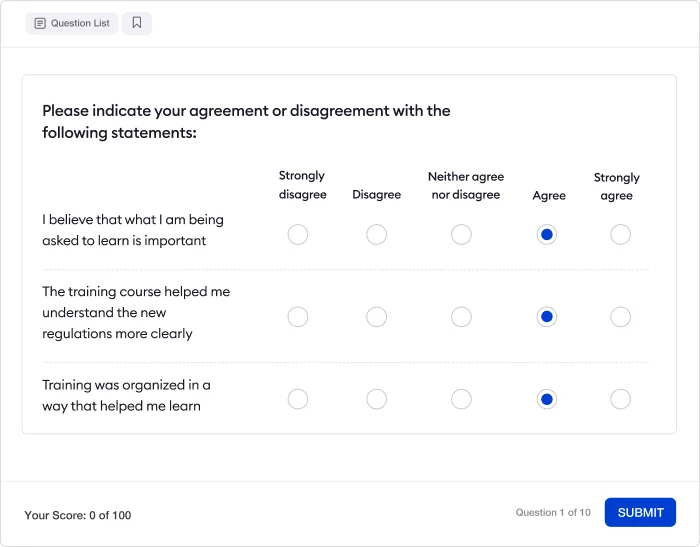
  • 110+ Post Training Survey Questions With Templates

    110+ Post Training Survey Questions With Templates

    Post training Survey questions assist you in measuring the overall efficacy of the training and pinpointing areas that need improvement. Post training survey questions are, as the name implies, posed to staff members or students following their completion of the training program.

    You may create the ideal post-training evaluation questions for your training programs by using the different questions provided in this article.

    The following are the several facets of your training program that you can acquire and enhance:

    • Organization
    • Content
    • Display/Presentation
    • Time Frame
    • Instructor
    • User Experience
    • Technical Problems
    • Surroundings
    • Training Results
    • Learning Experience
    • Accessibility
    • Gamification
    • Scores.

    What is Post Training Survey Questions?

    In case the phrase “post-training survey” is new to you, below is the explanation. Participants in a training program receive a post-training survey upon completion. Inquiries about the training’s quality and attendance impressions are the main goals of the survey.

    Post-training surveys are therefore a useful tool for ensuring that your training meets its goals, is efficient and is of high quality. It is the questions that determine the quality of post-training surveys.

    Related: 50 Frequently Asked Questions About Time Travel with Answers

    Why Use Post Training Survey Questions?

    A trainee’s goal is for the knowledge they have acquired to stick with them. To that end, you must ask them to fill out a survey following the session. But what happens if you don’t ask them to fill out a survey? Why utilize post-training survey questions?

    You should expect the training program to be successful since you invested so much time and money in it. It’s a fact that shortcomings can occur in even the finest training courses. You can gather candid feedback about what worked and what didn’t work in the session by surveying your attendees after it’s completed.

    Furthermore, you can find out if your staff members are remembering the material they were taught in training by administering post-training surveys. It lets you keep tabs on who is succeeding and who requires additional guidance or coaching. This holds significance as it might assist you in modifying the future delivery of the training.

    They also let you assess how well your training regimen is working. These questionnaires must be included by the trainers after their training sessions, though. It is important to note that you may make sure you are obtaining the required information by using a template for post-training survey questions.

    Related post: 100+ Frequently Asked Questions About Social Media with Answers

    110+ Post Training Survey Questions For Staff and Managers

    The following is a list of the many questions to include in your post-training feedback survey:

    Organization

    The following is a list of inquiries to determine how well the framework of your training course works:

    1. Did you understand how the training procedure was organized?

    2. Was the size of your training group an effective amount of participants?

    3. Do you believe the training exercises were arranged logically?

    4. Was the content presented by the structure?

    5. Was the order of tasks effective?

    6. Which elements of the training’s design proved difficult or unclear?

    7. What structural elements of the training do you believe need improvement?

    8. Did you find each training session to be equally engaging?

    9. Did you find the training to be engaging from start to finish?

    10. Were the units of the course divided from one another?

    Post training survey questions Content

    The set of questions to gather input on the material for your course is as follows:

    11. Did the course’s quality remain constant throughout?

    12. What term would you use to characterize the content’s quality?

    13. What aspect of the training materials did you find enjoyable?

    14. Was there a sufficient supply of visual aids (audio files and movies) for the entire course?

    15. Was it a simple language to understand?

    16. Were the subjects covered sufficiently varied?

    17. Which topic in the course material didn’t you find very interesting?

    18. Was there interest in the course material presented?

    19. Did you find the course material challenging to understand?

    20. Did the training materials go into great detail on the subjects?

    21. Which subjects did you think were missing?

    22. Was there anything you needed to read again to fully understand?

    23. Have you seen any patterns in the course material?

    24. Which section of the readings for the course did you find most interesting?

    25. How interesting was the material as a whole?

    26. Which course materials did you find to be effective?

    Also read: 250+ Best Animal Trivia for Kids Questions and Answers (Easiest to Hardest)

    Post training Survey on Time Frame

    27. Do you believe the duration of the instruction was appropriate?

    28. Do you believe there was a better way you could have spent your time?

    29. How long did it take you to complete the course?

    30. Did you stop the course at any point? If so, when?

    31. Did you get enough time to finish the test or tests?

    32. What other opinions do you have regarding the length of the course?

    Post training Survey on Display/Presentation

    33. You can obtain input on the presentation and delivery by asking these questions:

    34. Was the training material effectively presented by the instructor?

    35. Which course components, in your opinion, had the best presentation?

    35. Did you feel like an automaton taking the course?

    36. Which speaker held your attention during the speech?

    37. Were there adequate audiovisual components used in the training process?

    38. Which speaker did you think imparted the greatest knowledge?

    39. Were there enough engaging activities in the course?

    40. What was the training session’s general atmosphere?

    41. Was the course too far away?

    42. Which areas of the presentation for the course do you believe need improvement?

    43. Do you believe there is room for more interaction in the course?

    Post training Survey on Instructor

    44. Which instructor was the most beneficial to you?

    45. Was the trainer’s communication clear?

    46. Was the instructor compassionate?

    47. Did the instructor demonstrate a deep understanding of the material?

    48. How animated was the instructor during the lesson?

    49. Did you feel at ease telling your trainer about your issues?

    50. How well-prepared was the instructor for each lesson?

    51. Which type of material was most helpful to you, according to the trainer?

    52. Did your trainer answer your inquiries right away?

    53. Did you feel, at any given session, that you needed more help?

    54. Which instructor do you believe would have provided you with greater knowledge?

    Also see: 100+ Training Survey Questions for Quality Feedback With Samples

    Post training Survey on User Encounter/Experience

    55. Did you find it easy to go through the training sessions?

    56. Was it simple to use and comprehend the learning platform’s interface?

    57. Was it easy to become acquainted with the learning platform?

    58. Did you think the UI was easy to use?

    59. What aspect of the interface’s design most appealed to you?

    60. Have you been given detailed instructions on how to use and navigate the platform?

    61. Was there clutter in the layout?

    62. Did you think that using the platform to study wasted time away from your training?

    63. What recommendations do you have to enhance the overall look and feel of the design?

    Post training Survey on Technical Problems

    64. Were there any bugs that you noticed?

    65. Was there a lag in the training materials’ delivery?

    66. Have you found any broken links?

    67. Have all of the pages or documents loaded for you?

    68. Did you have any issues getting the video to load?

    69. Was the font displayed correctly?

    See more: 250+ Best Minecraft Trivia Questions and Answers (Easiest to Hardest)

    Post training Survey on Surroundings

    70. Was the training location comfortable for you?

    71. When you enrolled in the course, where were you?

    72. During the course, did you run into any distractions?

    73. Did you finish your training exercises in a calm area?

    74. Would you enroll in the same computer-based course?

    75. On a mobile device, would you enroll in the same course?

    76. Which kind of device—a computer or a mobile device—did you use to finish the course?

    77. Would you be at ease doing this course while traveling?

    78. Which areas do you believe need improvement in the course?

    Post training survey questions

    Post training Survey on Training Results

    79. Have you met your overall learning objectives?

    80. Did the course impart any new knowledge to you?

    81. Would you enroll in such a course once more?

    82. Would you suggest this course to a business associate?

    83. Did your training fulfill your expectations?

    84. Are you ready to start your new job?

    85. Were the training course’s objectives evident from the start?

    86. Which aspect of the training worked best for you?

    87. What improvements could be made to this course to increase its effectiveness?

    Post training Survey on Learning Experiences

    88. Do you now comprehend the subject matter of the course more thoroughly?

    89. What abilities have this course given you?

    90. Which course material do you believe you learned the most from?

    91. Which type of training—online or in-person—do you prefer?

    92. Which trainer was most successful in helping you achieve your learning objectives?

    93. How may the educational process be made better?

    94. Did your work activities get in the way of the workload for the course?

    Check out this post: 100+ Frequently Asked Questions About Immigration with Answers

    Post training Survey on Accessibility

    95. Were the training materials easily accessed and understood?

    96. How simple was it for you to obtain and make use of the training materials?

    97. During training, were you able to hear your trainer?

    98. In what time frame did the instructor answer your queries during the lesson?

    99. Were the font’s size and style visually appealing?

    100. Did the colorblind mode on the course function properly?

    101. What further accessibility features would you like to see? Which ones?

    Post training Survey on Gamification

    102. Were the gamification aspects distracting to you?

    103. Do you think the course should have any gamification elements?

    104. Did the learning process feel overly competitive as a result of the gamification features?

    105. Did the gamification elements motivate you to perform better on tests?

    106. Do you prefer that the leaderboards remain anonymous?

    More: 50+ Leadership Survey Questions You Must Ask for Company Growth

    Post training Survey on Scores

    107. What level of expertise would you give your trainer?

    108. How would you rank the communication abilities of your trainer?

    109. Kindly provide a usability rating for the training courses.

    110. How would you rank the presenting abilities of your trainer?

    111. What is your overall assessment of the course delivery?

    112. What is your overall assessment of the course material?

    113. Could you please rate the training content’s readability?

    114. What would you think of the flow and order of the course?

    115. What is your opinion of the general functionality of the course?

    Read Also: 120+ Best Employee Engagement Survey Questions

    Post Training Survey Questions With Templates

    1. Nurse survey template

    2. Sample post training survey questions template

    3. Survey consent form template

    4. Post training survey questions template

    Post training survey quesions template

    5. Post event survey template

    FAQs on Post Training Survey Questions

    What does the post-training questionnaire entail?

    Conducting post-training surveys is an essential component of a training program’s success. You may plan for future courses, make modifications, and assess the success of your training with the help of participant feedback.

    Why survey after training?

    This assist you in carefully examining the results of your training to ensure that it meets your objectives and provides value for the money, as well as providing guidance for future training initiatives.

    What kind of questions are asked after a test?

    Although post-test questions can be weaved or interspersed throughout a learning experience, they are usually given right after an activity is finished (so long as the subject relevant to the test question is covered first).

    What kind of activities follows post training?

    After the main training and development programs have concluded, learners can continue their education through post-training activities. This is a collection of methods used to keep students interested in learning after training so they can apply and retain the majority of what they have learnt.

    Conclusion: Post Training Survey Questions

    You can discover more about the overall learning experience of your students and the efficacy of your training course by administering post-training surveys.

    These surveys can assist you in enhancing your training procedure when properly completed. With any luck, this article will assist you in developing a post-training feedback questionnaire that works.

    References

    Reommended Posts

  • 70+ User Experience Survey Questions With Sample Questionnaire

    70+ User Experience Survey Questions With Sample Questionnaire

    Your customers may have a different perspective on your product’s design. While aesthetics are important, prioritizing user experience survey questions is crucial.

    According to Leadpages.com, 89% of consumers shop with a competitor after a poor user experience while a significant 68% of users have abandoned a particular brand because they feel the company lacks concern for their needs

    By asking relevant user experience survey questions, you can connect with your audience and gain insights into their opinions of your business, website, and products.

    When customers believe that the business values their opinions, they feel valued. So, get your customers’ opinions on your products and services by distributing these user experience survey questions online. Our sample questionnaire will get you started on creating yours.

    What is a User Experience Survey Questions?

    A user experience survey is a kind of feedback survey that helps gather information about the consumer experiences of target audiences. It’s a method of finding out how your customers feel about your business, app, or item.

    When asking your clients to explain their opinions, you can use open-ended questions or multiple-choice questions. Alternatively, you might ask them to evaluate their feelings on a scale. If you follow through on your plan, it will give you a clear and accurate view of the situation.

    Let’s look at some excellent questions to include in your upcoming online user experience survey, along with a few more!

    Related: Top 125+ Customer Feedback Questionnaire

    5 Tips on Crafting Outstanding User Experience Survey Questions

    It’s not hard to create customer satisfaction surveys; but, to maximize your efforts, you should approach the work with some important guidelines in mind.

    Let’s examine seven brief suggestions for creating outstanding client satisfaction surveys:

    1. Make Surveys Brief

    Customer satisfaction surveys should be used to obtain data rather than ask pointed questions. Consider your customers’ time and design brief but insightful customer feedback surveys.

    For example: What is your opinion of our service?

    • Enjoyed it
    • Wonderful
    • Fair
    • Disliked it

    Make sure that your inquiries are clear and concise. To get more candid and sincere feedback, you should make sure that the recipients of your query don’t have a lot to process.

    Utilizing pre-built survey templates from a survey feedback provider such as Qualaroo is a simpler method to accomplish this. You’ll receive all the necessary questions to get you going with this.

    2. Keep Your Questions Straightforward

    Asking double-barreled questions confuses respondents, which is a common mistake made by survey authors.

    Establish the goal of your customer satisfaction questionnaire after determining the purpose of your customer feedback surveys. Never forget that a single query should only have one goal.

    Example: A poorly phrased query

    Would you think about returning if you enjoyed our service?

    An appropriately phrased query

    Have you been satisfied with our services?

    Two distinct inquiries can be generated from your double-barreled inquiry. You’ll be able to accomplish several goals in this way without making the audience confused.

    3. Allow Clients to Voice Their Opinions

    Consumer feedback is important. However, if you only ask limited or closed-ended questions, you won’t be able to get an honest response. Asking open-ended questions to your consumers is a terrific method to gain their ideas and thoughts about your products/services.

    You can phrase your open-ended inquiries like this:

    • “Please elaborate on how you see our product”
    • “What else do you want to do?”
    • “How can we enhance our services”.

    Read Also: 100+ Skill Survey Questions with Sample Questionnaire (Soft and Hard)

    70+ Excellent User Experience Survey Questions with Examples

    Deciding to draft a user experience survey and distribute it to your clientele will be a smart first step for you. To optimize the outcome, it is also your responsibility to select wisely from the user research survey questions.

    People don’t have time for lengthy, dull surveys, so make sure your questions are clear. Let’s look at some sample questions for a user survey!

    Important Inquiries for a User Experience Survey Questions

    You should always include a few key questions in your survey to get a better understanding of your consumers’ level of happiness. You can determine which of your qualifications are the greatest and worst by asking yourself these questions.

    Since you are interested in the frank opinions of current customers, open-ended or rating scale questions would be most appropriate for this section.

    1. Which [product/app/website] feature was your favorite?

    2. Which [product/app] feature was your least favorite?

    3. Did you get what you expected from the product?

    4. Would you suggest that others contact us?

    5. How frequently do you use our [website, app, or product]?

    6. What prompted you to use our [product/app]?

    7. How helpful do you find our [product/app] to be?

    8. Would you make any changes to our [product/app]?

    9. How were you made aware of us?

    10. Do you have anything else you would want to say?

    Read also: 120+ Best Employee Engagement Survey Questions

    You are attempting to determine what aspects of the experience are simple or complex, as well as areas for improvement when you inquire about usability. Try asking them a variety of questions, or at least, open-ended ones, to get to the bottom of the issues, since there might be some you were unaware of previously.

    11. How would you rank the usability of this [product/app/website] on a scale of one to ten?

    12. Do you encounter any issues when you access the website?

    13. Regarding accessibility, what kind of change would you like to see?

    14. Are you finding it difficult to make your way through?

    15. Were the webpage loading times acceptable?

    16. Did you encounter any difficulties using any of the [product/app]’s features?

    17. What aspect of the product irritates you the most?

    18. What is your opinion of our website’s usability? Why?

    19. Are the menu items logical?

    Website User Experience Survey Questions

    You can ask them to rate your design at this point. It might have to do with how your gadget, website, or interface is designed. Thus, they evaluate the appearance and tangible features of what you provide.

    20. How does this [product/app/website] look to you?

    21. How do you feel about the way the information is arranged on the screen?

    22. Is it easy to understand the font’s color and size?

    23. Did the colors we used on our website look good?

    24. What is your opinion of our UI design?

    25. When you initially visited the website, what impression did you get?

    26. Were you pleased with the visual design of our website?

    27. Do you have any suggestions about how to make our website’s design better?

    28. What aspect of its design would you change if you could?

    29. Did you find the website to be visually appealing?

    30. Please indicate how satisfied you are with the products that are available on the website.

    31. Did the website load quickly?

    Read Also: 50+ Bad Survey Questions You Must Avoid in Your Questionnaire

    Survey Questions on User Onboarding

    These kinds of inquiries can assist you in determining the success of the onboarding procedure, pinpointing areas in need of development, and obtaining input on how to improve the product/service’s usability for new users.

    31. Did you find the onboarding procedure for the product to be useful in the beginning?

    32. Were the lessons and instructions offered clear and easy to follow?

    33. After going through the onboarding process, did you feel confident in your ability to use the product?

    34. Was the onboarding period too brief or too lengthy?

    35. Was the process of onboarding entertaining and interesting?

    36. During the onboarding process, did you run across any problems or confusion?

    37. During the onboarding process, was it possible for you to modify the product to suit your requirements?

    38. Were you sufficiently prepared to use the [product/app] by the onboarding process?

    39. After finishing the onboarding process, was the product’s user interface easy to understand?

    40. Aside from the onboarding process, would you suggest the product to others?

    41. Which features of the app or website are you using the most?

    42. What thoughts did you have about the onboarding process?

    43. If a less expensive option was available, would you choose it instead?

    44. How much did our product live up to your expectations?

    45. What level of satisfaction would you give our goods and services?

    46. How superior is our product above the alternatives out there?

    See also: 125+ Must Ask Market Research Survey Questions With Sample Template

    Survey Questions About Errors and Malfunctions

    You raise doubts about the technical aspects of the experience when you ask queries like these. By asking these kinds of questions, you can get feedback on how to make the product work and function better as well as pinpoint particular technical problems.

    47. Did the behavior of the [product/app] seem inconsistent to you?

    48. When utilizing the [product/app], did you see any error messages?

    49. During use, did something crash or freeze on you?

    50. Was there a display or formatting issue with the [product/app]?

    51. Did any features of the [product/app] not function as planned?

    52. Did you manage to do chores without any problems?

    53. When using the [product/app], did you encounter any lag or slow performance?

    54. Were there any problems with the compatibility of the product?

    55. Were there any technical issues you ran into while utilizing the [product/app]?

    56. Have you used the [product/app] and discovered any more errors or bugs?

    How to Draft a Poll About User Experience Survey

    User experience surveys are, without question, an excellent and hassle-free approach to getting client feedback. They respond quickly and accurately to your feedback. Forms. app is the survey tool you’re looking for!

    FormsApp is a fantastic survey tool that facilitates the creation of various online questionnaires. It offers a plethora of sophisticated features and over a thousand pre-made designs. Let’s now look at how to make your UX survey right now!

    1. Log in to your account: Open the forms.app and sign in with your credentials. It’s simple to create an account if you don’t already have one.

    2. To begin, navigate to the “templates” option, select the template that best fits your needs, and begin editing. However, you can always start over and choose every element on your own.

    3. Personalize your survey: You are then free to make as many changes as you would like to the template. Not only can you add new form fields and delete existing ones, but you can also add a welcome page at the start and a thank-you page at the conclusion.

    4. Select the layout: Next, make changes to the survey’s layout. You can add a backdrop image or select colors based on your company’s colors.

    5. Look at this: After completing the survey, click the eye icon in the upper left corner of the page to view the results.

    6. Publish your survey: Finally, sharing is the most crucial component. forms.app gives its users multiple ways to distribute their surveys and forms. You have two options: provide your customers with the special URL or integrate the survey directly into your website.

    Also read: 250+ Secret Santa Survey Questions With Printable Templates

    Software User Experience Survey Questions

    Software user experience survey questions, will help you figure out why your users behave the way they do on your app? Do you need some example user experience (UX) survey questions to add to your own UX questionnaire or modify one?

    Below are a few question on UX Software User Experience Survey Questions.

    UX Survey Questions About Customer Satisfaction

    57. Which of our rivals did you have in mind before deciding on us?

    58. In one word or sentence, how would you characterize [Product]?

    59. Regarding [Brand], how do you feel?

    60. How much of a ten would you give this product?

    61. Please rate your [Feature] experience.

    62. How simple is it to use our [product]?

    63. Which is the one feature you wish the [Product] had that it doesn’t currently have?

    64. Which [Product] feature is essential to your life?

    65. Which feature of our app is the hardest to use?

    66. Why did you decide to stop using your subscription?

    67. What aspect of our app is the hardest to use?

    68. Regarding the whole [Brand] support services experience, how would you rank it?

    69. What is your opinion of [Brand]’s dependability?

    70. Would you make any changes to the way [Product/Feature/Support] operates?

    71. What purpose will you serve for [Product]?

    Also read this: 250+ Best Coffee Trivia Questions and Answers (Easiest to Hardest)

    User Experience Survey Questions Sample

    This a user experience survey questions sample that can help guide customers.

    FAQs About User Experience Survey Questions

    Which five questions make up a survey?

    The five fundamental questions you ask in your survey—how, why, who, when, and what.

    Which six categories of survey questions are there?

    The majority of survey questions fall into one of the following categories: nominal, Likert scale, rating scale, open-ended, closed-ended, and yes/no. The most effective surveys frequently include a mix of questions.

    What does UX research consider a leading question?

    A leading question in social science research persuades respondents to provide a specific response. Leading questions create bias and sway participant responses, making them unsuitable for use in research.

    Which four components make up the user experience?

    Web user experiences are based on four major pillars: value, adaptability, desirability, and usability.

    Conclusion

    Listening to your clients is the finest approach to putting your business ahead of its competitors. Clients are the people who visit your website, use your products, and provide feedback.

    You can submit online user experience survey questions to find out how satisfied they are. We hope this post was helpful.

    References

    • SurveySparrow.com – User Experience(UX) Survey Questions: 60+ Examples ..
    • refiner.io – 10 Best User Experience Survey Questions to Ask
  • Top 125+ Customer Feedback Questionnaire

    Top 125+ Customer Feedback Questionnaire

    Do you have the best customer support system? Do you have the best product features in the industry? To get excellent customer service, you must pose the appropriate customer feedback questionnaire.

    You’ll get the most out of your customer feedback questionnaire if you ask the appropriate questions and have a plan in place.

    This compilation of 125 customer feedback questionnaires can be used for every aspect of your organization, ranging from market research to customer service.

    What is Customer Feedback Questionnaire?

    Customer Feedback Questionnaire is a set of printed or written questions with a choice of answers that is used to gather data about your consumers’ opinions of your business.

    This could be a reference to a particular good or service, or it could be about how they see your brand in general. Both open-ended and closed-ended questions are included in these surveys.

    Best Ways to Collect Customer Feedback Data Effectively

    Numerous techniques, including focus groups, social media monitoring, questionnaires, and more, can be used to get input from your clientele.

    The greatest and most efficient techniques to get pertinent input are as follows:

    1. Make use of Surveys and Questionnaires

    Did you know that 73% of businesses are using surveys and other forms of instantaneous feedback collection more frequently?

    Customer questionnaires and surveys have numerous benefits, from unique personalizations to simple creation.

    2. Ask Them Straight Questions

    Here is a classic method of gathering feedback from customers. To find out what your customers think, you can either reach out to them directly through an interview or by making a phone call.

    Getting immediate and real-time feedback is one of these strategies’ main advantages. Their gestures, body language, tone, and eye expressions all make it easy to deduce how they feel.

    The procedure is drawn out and time-consuming, which is a drawback of this feedback collection approach. An enormous amount of data can be difficult to manually examine as well.

    3. Set Up Focus Groups

    A focus group consists of individuals with comparable demographic characteristics. You can frequently wind up gathering input from the incorrect group of people. It consumes a significant amount of your time and resources.

    However, you have a better chance of getting more focused and trustworthy inquiries about consumer feedback when you use a focus group. Even though your audience is tiny, they are aware of the purpose of the survey and fairly answer your questions.

    Read related post: 200+ Group Chat Survey Question Ideas (Easy, Funny and Deep)

    4. Examine Sales Calls

    You may estimate the quantity of leads generated and the lead conversion rate by looking at your company’s sales history. Understanding the distinction between these two factors can help you determine which feature of your product most appealed to your intended market.

    Should there be a decline in lead conversion, it may be necessary to make changes to certain elements of your offerings. Therefore, this is a roundabout method of developing solutions based on user feedback.

    5. Keep an Eye on Social Media Sites

    Did you realize that recommendations from social media affect 49% of consumers? As a result, it’s critical to keep an eye out for conversations about your company on social media. more good word-of-mouth, enhanced brand recognition, and more opportunities for customer acquisition.

    Identify the clients who are dissatisfied with your products as well. To learn about their difficulties and ensure a positive client experience, try getting in touch with them directly.

    Why is Customer Feedback so Important?

    Customer feedback reviews help in providing your company’s insight and customers’ perceptions about your product. You’ll find out what appeals to them about your offer and where you might make improvements.

    You can’t tell if you’re meeting the needs of your consumers, who are the reason you’re in business, without this input. It will be unknown to you whether they wish to go on doing business with you or if they use your product as intended.

    Read also: 250+ Best Country Trivia Questions and Answers (Easiest to Hardest)

    The Advantages of Customer Feedback

    1. You Gain more insight into the audience through customer feedback.

    To understand your target demographic and their relationship to your business, your company probably undertook in-depth buyer persona and market research. Even if you most likely gained insightful information, nothing is more beneficial than information obtained directly from your clients, which is what customer feedback consists of.

    They’ll tell you more about themselves, their use of your goods and services, and their expectations of you. Gaining deeper insight into their identity and requirements will enable you to design experiences that resonate with them.

    Consumers already anticipate that the companies they do business with are aware of their needs and actively work to meet them. Example:

    Personalized experiences result in almost half of consumers saying they will become repeat customers. 

    80% of company leaders stated that customers spend an average of 38% more when they receive a personalized experience. 

    73% of consumers globally expect organizations to understand their individual needs and expectations.

    2. You can learn more about customer satisfaction levels by reading customer comments.

    The degree to which customers are content with your goods, services, and interactions with your company is known as customer satisfaction. It’s a crucial indicator that aids in resolving client concerns, reducing attrition, and cultivating a foundation of devoted clients.

    You may find out exactly how your consumers feel and how satisfied they are by using specific methods of gathering feedback, such as customer satisfaction surveys. Senior Customer Onboarding Specialist Katie Cort states, “Retention will not improve if the company does not have a way of knowing whether or not their customers are happy.”

    3. Support teams can improve their expertise by using customer feedback.

    Your ability to assist clients has a direct bearing on how well they use your goods or services. Because it can offer particular insight into representative performance, customer feedback helps you make sure that your support teams can assist consumers in succeeding.

    “As one of the many pieces for measuring team members’ performance, customer feedback is a very important tool for managers to get anecdotal feedback directly from the customer,” says Caleb King, an inbound consultant.

    4. Your products and services can be improved with the help of customer feedback.

    Sometimes, in their feedback, customers discuss a bad experience they had. Even though it could sound discouraging, this input can help you improve your goods and business processes—especially if you take the necessary action to address it.

    Customers who frequently bring up a problem with your onboarding procedure, for instance, may be alerting you to the need for you to update and provide more information to make sure everything goes as planned.

    See: 170+ Frequently Asked Questions About Christianity With Answers

    By using this kind of consumer feedback, you can be sure that any changes you make are based on the real opinions and sentiments of the people who matter most, not just conjecture.

    Customer Feedback Questionnaire for Restaurant

    Measuring customer feedback as a restaurant manager, promoter, or owner is critical to your business’s success. By using a restaurant feedback questionnaire and asking the appropriate questions, you can gain important information about your customers’ likes and dislikes, favorite dishes, opinions about your staff and their services to customers, and as well get suggestions.

    Below are a few Customer Feedback Questionnaires for Restaurants:

    1. What level of satisfaction did you have with your dining experience in general?

    2. On a scale of 0 to 10, how likely are you to suggest this restaurant to a friend or business associate?

    3. How simple was it for you to locate what you were looking for on the menu?

    4. How pleased are you with the restaurant’s location?

    5. How soon after arriving were you seated?

    6. What would you think of the restaurant’s level of cleanliness?

    7. Did the server give you a prompt and cordial greeting?

    8. How likely are you, on a scale of 1 to 10, to go back to this restaurant?

    9. How pleased were you with the meal’s flavor?

    10. What would you say as touching the freshness of the items in your dish?

    11. How would you rank the food’s presentation on a scale of 1 to 5?

    12. How successfully did the cuisine satisfy your dietary requirements?

    13. When your meal arrived, what was the temperature like?

    14. What is your assessment of the menu’s diversity of options?

    15. How flexible was the restaurant when it came to your requests or order changes?

    16. How would you rank the sizes of the portions you eat, on a scale of 1 to 5?

    17. In what way would you rank this restaurant’s overall meal quality?

    18. What is the food’s value for money, in your opinion, on a scale of 1 to 5?

    19. To what extent are you happy with the service’s speed?

    20. In what way would you rank the staff’s friendliness?

    Related: 150+ Frequently Asked Questions About Family with Answers

    Restaurant Service Feedback Survey Questions

    The service has the power to make or ruin a meal. Incorporate these guest-focused restaurant service survey questions into your evaluations to find out how well your service staff are performing and where they may need improvements.

    21. To what extent did the staff fulfill your wishes and needs?

    22. How well did the restaurant meet your seating preferences?

    23. What would you rank the staff’s level of attentiveness from 1 to 5?

    24. How effectively did the staff members explain the specials and menu to you?

    25. How pleased were you with your order’s accuracy?

    26. What is your opinion of the staff’s level of professionalism?

    27. How well-suited was the restaurant to your unique requirements?

    28. How pleased were you with the degree of care and consideration your party received at our restaurant?

    27. Do you think that during your visit, the personnel handled your complaints or issues well?

    30. Based on the quality of the service, how likely are you to visit this restaurant again?

    31. How many times did staff check on you while you were eating?

    32. In what way would you rank the staff’s ability to take and deliver your order efficiently?

    33. How well-lit was the eatery restaurant?

    34. What would you say about the restaurant’s loudness level?

    35. What is your opinion of the restaurant’s decor?

    36. How evenly spaced out were the restaurant’s tables?

    37. What would you think of the restaurant’s atmosphere?

    38. What would be your overall assessment of the restaurant’s restrooms’ condition and cleanliness?

    39. How simple was the reservation process?

    40. How much time did it take you to receive a reservation confirmation?

    Also read: 50 Best Employee Satisfaction Survey Questions With Samples

    Customer Feedback Questionnaire

    A feedback survey is the most effective technique to evaluate the customer experience and determine customer satisfaction.

    41. How would you rank your overall experience with our brand, on a scale of 1 to 5?

    42. What would you say you thought of today’s in-store visit?

    43. On a scale of 0 to 10, how likely are you to tell others about our brand?

    44. How likely are you to make another purchase from us?

    45. What aspects of our brand appeal to you or not?

    46. Please give a personal account of your interaction with our brand.

    47. What is the most difficult thing for you to conduct business with us?

    48. How can we make your interaction with the firm even better?

    49. On a scale of 1 to 5, how would you rank your level of satisfaction with the product?

    50. What features of our product do you like best or least?

    See: 250+ Best Country Trivia Questions and Answers (Easiest to Hardest)

    51. On a scale of 1 to 10, how likely are you to suggest us to others based on your experience with our products?

    52. What is the largest obstacle you face when utilizing our product?

    53. Does the product assist you in reaching your objectives?

    54. Which tool or feature of the good or service is your favorite?

    55. What is the one thing you would like to see in our product, or what would you improve if you could?

    56. In your own words, how would you characterize your level of satisfaction with our product?

    57. Please indicate how satisfied you are with our team’s handling of your problem.

    58. Did you think our staff responded to your question right away?

    59. To what extent are you in agreement or disagreement with this statement? The customer support staff made it simple for me to resolve my problem.

    60. What more can we do to make your experience with our customer service better?

    61. On a scale of 1 to 5, how would you rank the agent’s performance?

    62. What aspects of today’s customer service encounter with us did you find most satisfactory or unsatisfactory?

    63. If you had to rank our website from 1 to 5, how would you go?

    64. To what extent would you suggest our website to others?

    65. On a scale of 1 to 5, how would you rank your online buying experience?

    66. What aspects of our website did you find appealing or unappealing when making a purchase?

    67. Please describe your experience using our website in your own words.

    68. It appears that you did not finish your transaction. How can we make this website better so you can complete your purchase today?

    69. When you use a product like ours, what is your top priority?

    70. Why did you select our product instead of one from our competitors?

    Also see: 20+ Education Survey Questions For Schools and Universities

    Retail Customer Feedback Questionnaire

    For your retail business, customer input is essential. It enables you to tackle more complex problems and make rapid advancements. These advantages are only increased if you get feedback from customers through retail customer surveys.

    A retail survey is a questionnaire distributed to customers by a retail establishment. Customers’ opinions on their most recent shopping experience or their experiences with the company in general might be gathered through a retail survey.

    To find out what people think of your store, ask your customers to complete this expert-certified retail customer feedback questionnaire.

    To be more precise, the answers to the online retail customer feedback questionnaire will assist you in responding to inquiries such as “Do customers think our prices are fair?” “Are our staff members helpful?” and “Is parking easy to find?” Subsequently, you can utilize the survey data to implement modifications that might enhance your clients’ buying experience.

    Questions about Retail Pricing and Products

    Use these questions to assess how the perceived value of the things you sell compares to their cost. To support the price tag, you can discover that you need to modify your products’ quality or communicate it more effectively.

    71. How happy are you with the [services/product]?

    72. In comparison to similar retailers, how fair are the prices?

    73. How pleased are you with the purchase’s value for the money?

    74. How should our [product/service] be improved?

    Product Choice and Inventory

    Make sure the supplies your clients require are constantly available. By asking these kinds of questions, you can also determine whether new things are on the docket that your clients would be interested in buying from you and grow your product range.

    75. I had no trouble finding what I was looking for thanks to the [store/website].

    76. Were you able to find what you were looking for?

    77. What is the frequency of our stock having what you are looking for?

    78. To what extent are you happy with the options in [product category]?

    79. Finding anything in my size wasn’t too difficult for me.

    80. Which further goods from us would you be interested in buying?

    81. Was there anything we advertised that we didn’t carry in-store?

    82. Why did you decide not to purchase from us?

    83. Which one of our products would you want to see available?

    84. How did you learn about our offering?

    85. If you were unable to utilize our product or an aspect of it, how disappointed would you be?

    86. Which good or service would you suggest replacing ours?

    87. On a scale of 1 to 5, how satisfied are you overall with dealing with our organization?

    88. To what extent would you say that this is a nice place to work, on a scale of 0 to 10?

    89. What aspects of this organization appeal or offend you?

    90. To what extent do you think our organization’s employees receive training and opportunity for growth?

    See also: 20+ Education Survey Questions For Schools and Universities

    Retail Customer Feedback Questionnaire Sample

    Retail Customer Feedback Questionnaire Sample

    Customer Feedback Questionnaire to Improve Your Business

    Know Your Customer Better

    It’s critical to understand your target audience’s demographics, attention spans, and response patterns when it comes to marketing and advertising. Knowing this allows you to send them relevant and enjoyable communications.

    91. What is your name, age, gender, and occupation?

    92. Do you read newspapers, magazines, and print books on paper or online?

    93. Which do you use most often, your laptop, smartphone, or TV?

    94. Which would you rather have, detailed and personalized or quick and easy?

    95. Do you make use of freebies, discounts, or trials?

    Acquire Knowledge about Competitors

    The majority of us don’t always get the answer immediately. This suggests that your clients have most likely dealt with your rivals at some point, and they can provide you with insider knowledge.

    96. What did you use before discovering us?

    97. What aspect(s) of the prior offering(s) did you find appealing?

    98. What made you decide to go?

    99. What makes our company more successful?

    100. What aspects of the prior product or service(s) did you find lacking?

    Make Improvements on Your Website

    If your company doesn’t have a functional website, millions of potential clients aren’t finding you online every day. Customer feedback inquiries might assist you in determining the reason behind a website’s malfunction.

    101. Have you made use of or come upon our website?

    102. Was it simple to locate?

    103. What did you want to find on the webpage? Have you managed to locate it?

    104. Was it simple to make use of the website?

    105. What aspects of it would you modify?

    Put a Product, Service, or Strategy to the Test

    It can be dangerous to introduce a new good or service to your company, but you can make well-informed decisions with the correct client feedback.

    106. Do you think [new feature] will be helpful?

    107. If we had [new product], would you purchase it?

    108. Would you be prepared to try [new feature/product] if we introduced it?

    109. Would you take advantage of [a rewards program, discounts, or other offer] if we offered it?

    110. What price would you put on [new feature/product]?

    Read: 125 New Hire Onboarding Survey Questions with Templates

    Get Knowledge about the Buying Process

    The greatest strategy to close a transaction if a customer has already made up their mind to buy is to make the process as simple as possible. Errors in this procedure can potentially drive away clients, undoing all of your hard work to capture their attention in the first place. Inquiries about customer feedback that highlight issues at this point are very beneficial.

    111. How simple or complex was the process of finishing your purchase?

    112. Were you able to leave on time?

    113. What aspects of the check-out procedure would you change?

    114. Were you required to stand in line?

    115. Did you find what you were searching for?

    Compile Measurable Information/Data

    Numerous customer feedback answers have been demonstrated to be correlated with other critical company indicators, such as lifetime customer value, customer loyalty, and the likelihood of a repeat purchase.

    These inquiries were created by business analysts with the express purpose of gathering quantifiable information regarding consumer mood. The Customer Satisfaction Score (CSAT), Customer Effort Score (CES), and Net Promoter ScoreTM (NPS) are some examples of these measurements. To obtain this information, you could ask the following questions about consumer feedback.

    116. How likely are you to tell a friend about this company? (Score for Net Promoter)

    117. What level of satisfaction would you say you have with our company overall? (Score on customer satisfaction)

    118. In general, how satisfied are you with [certain product or service]? (Score on customer satisfaction)

    119. How much do you agree with this statement: It was easy to complete my order? (Effort Score for Customers)

    120. How simple or complex was the solution offered for your query or issue? (Effort Score for Customers).

    Raise NPS Level

    When evaluating your overall performance year over year, NPS data and other quantitative measures are crucial, but you also need to be ready to take action based on this knowledge. Use these questions as a follow-up to your NPS, CSAT, or CES survey to see where your improvement efforts are most effective.

    121. How can we streamline the checkout process for you?

    122. What could we alter to improve the usability of our offering?

    123. Was there anything you anticipated but weren’t given?

    124. Which feature, if included, would you find most enjoyable?

    125. In what ways could we facilitate the resolution of your queries?

    Customer Feedback Questionnaire Sample

    customer feedback questionnaire sample

    Read more: 125+ 360 Survey Questions With Sample Templates

    Customer Feedback Questionnaire Form

    Customer Feedback Questionnaire Software

    There are lots of customer feedback questionnaire software tools for surveys, but we have 4 mentioned in this post.

    1. Zoho CRM Plus

    You can create brand champions out of your customers by providing them with extraordinary experiences using Zoho CRM Plus. To learn about Zoho CRM Plus click here.

    2. Custify

    Custify is a SaaS solution that helps B2B companies improve Customer Lifetime Value and decrease attrition. Learn more

    3. LiveAgent

    With LiveAgent, you can start for free and offer top-notch customer support with the best help desk solution available to businesses of all sizes. Visit website fr more.

    4. SurveyMonkey

    The SurveyMonkey is an industry-leading platform for surveys. Learn more.

    FAQs on Customer Feedback Questionnaire

    What kind of questionnaire would you use for feedback?

    The Best Feedback Samples Questionnaires for surveys. How would you rank your overall brand experience, on a scale of 1 to 5? What would you say about your current in-store visitation experience? On a scale of 0 to 10, how likely are you to suggest our brand to others?

    Which three questions does effective feedback aim to answer?

    To what destination am I heading? (What are the objectives?) How am I doing? (How far are we getting toward the objectives?) What should I do next? (What actions must be made to advance more quickly?)

    How should a questionnaire be created?

    At least nine different steps are involved: determine the necessary information; specify the intended respondents and choose the technique or methods of contact with them; ascertain the content of the query; phrase the inquiries; order the inquiries; verify the length of the questionnaire; Create the final questionnaire and do a pre-test.

    What exactly is a customer service questionnaire?

    Top Customer Service Survey Items to Assess Business Achievement
    A customer service survey isn’t just a list of questions. It’s a helpful way to find out whether your customers are satisfied with your company, merchandise, or services.

    Conclusion

    Choosing could seem difficult with so many options available. Thankfully, your organization is not limited in the amount of client feedback surveys it can do.

    Just make sure you have a plan for your surveys. To reduce response rates, it would be terrible to send out survey after survey to your clients. Additionally, be sure that they are timed appropriately.

    For some models, it may be best to send them out right away, but in others, it may be better to wait until the customer has had a chance to consider how well your items have performed.

    References

    Recommendations
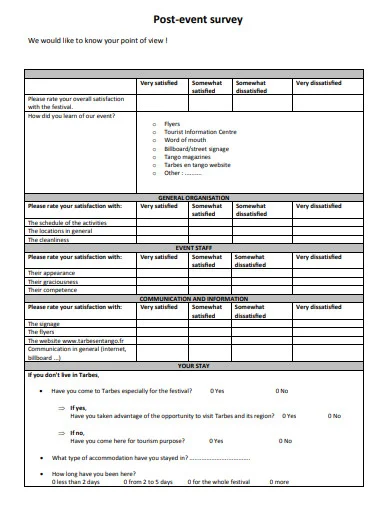
  • 120+ Best Employee Engagement Survey Questions

    120+ Best Employee Engagement Survey Questions

    Picture you walk into work, and it feels like stepping into a hive of buzzing bees – everyone’s engaged, motivated, and ready to conquer the day. That’s the dream, right? Well, turns out, employee engagement isn’t just a fluffy concept; it’s the secret sauce for a thriving workplace. And guess what?

    One tool in the arsenal of every savvy employer is the employee engagement survey. It’s like a magic mirror that reflects how your team feels about their job, their workspace, and everything in between. But here’s the kicker – you’ve got to ask the right questions to unlock those golden insights.

    So, get ready to enjoy the juiciest employee engagement survey questions that’ll help your organization level up its engagement game.

    120+ Best Employee Engagement Survey Questions

    Easy Best Employee Engagement Survey Questions

    Q1: How satisfied are you with your current role and responsibilities?

    A: This question helps gauge overall satisfaction with job duties and tasks, providing insights into whether employees feel fulfilled in their roles.

    Q2: Do you feel that your work is meaningful and aligned with the goals of the organization?

    A: Understanding whether employees perceive their work as meaningful helps assess their level of engagement and connection to the organization’s mission and objectives.

    Q3: How satisfied are you with the opportunities for growth and advancement within the company?

    A: This question assesses whether employees feel there are ample opportunities for career development and progression within the organization, which can impact job satisfaction and retention.

    Q4: Are you satisfied with the level of autonomy and decision-making authority you have in your role?

    A: Assessing satisfaction with autonomy and decision-making authority helps understand whether employees feel empowered and valued in their positions.

    Q5: How satisfied are you with the support and resources provided to you to perform your job effectively?

    A: This question evaluates whether employees feel adequately supported in their roles, including access to necessary resources, tools, and training.

    Q6: Do you feel that your contributions and achievements are recognized and appreciated by your managers and colleagues?

    A: Recognition and appreciation for work efforts are critical for job satisfaction. This question helps identify areas where recognition efforts may need improvement.

    Q7: How satisfied are you with the level of feedback and performance evaluation you receive from your managers?

    A: Regular feedback and performance evaluations are essential for employee development and job satisfaction. This question assesses satisfaction with the feedback process.

    Q8: Do you feel that your compensation and benefits package is competitive and fair compared to industry standards?

    A: Compensation and benefits play a significant role in job satisfaction. This question helps gauge employees’ perceptions of fairness and satisfaction with their total rewards package.

    Q9: Are you satisfied with the work environment and culture within your team or department?

    A: Team dynamics and workplace culture impact job satisfaction. This question assesses satisfaction with the team environment and interpersonal relationships.

    Q10: How satisfied are you with the work-life balance provided by your job?

    A: Achieving a healthy work-life balance is essential for employee well-being and satisfaction. This question helps understand whether employees feel supported in this regard.

    Q11: Are you satisfied with the opportunities for skill development and learning provided by the organization?

    A: Continuous learning and skill development opportunities are crucial for employee growth and satisfaction. This question evaluates satisfaction with professional development initiatives.

    Q12: Do you feel that your workload is manageable and reasonable given your role and responsibilities?

    A: Managing workload effectively is essential for preventing burnout and maintaining job satisfaction. This question assesses perceptions of workload balance.

    Q13: How satisfied are you with the level of job security provided by your current position?

    A: Job security is a significant factor influencing job satisfaction. This question helps understand employees’ perceptions of stability and confidence in their roles.

    Q14: Are you satisfied with the opportunities for flexibility and remote work provided by the organization?

    A: Flexibility in work arrangements can positively impact job satisfaction. This question assesses satisfaction with options for remote work and flexible scheduling.

    Q15: How satisfied are you with the overall experience of working for this organization?

    A: This question provides a holistic measure of employee satisfaction and serves as an overall indicator of engagement and commitment to the organization.

    Check out this related content: 250+ Best Trivia Questions For Teens With Answers

    Employee Engagement Survey Questions on Organizational Communication

    Q16: How would you rate the clarity and effectiveness of communication from senior leadership regarding company goals and strategy?

    A: This question helps gauge employees’ perceptions of the clarity and effectiveness of communication from senior leadership, which is crucial for alignment and engagement.

    Q17: How satisfied are you with the frequency and transparency of communication from your immediate supervisor regarding team objectives and performance feedback?

    A: Assessing satisfaction with supervisor communication frequency and transparency helps understand whether employees feel informed and supported in their roles.

    Q18: Do you feel that communication channels within the organization facilitate open dialogue and feedback exchange effectively?

    A: Understanding whether communication channels enable open dialogue and feedback exchange helps identify areas for improvement in organizational communication processes.

    Q19: How satisfied are you with the accessibility and responsiveness of management to address employee concerns or questions?

    A: This question assesses employees’ perceptions of management accessibility and responsiveness, which are essential for fostering trust and engagement.

    Q20: Do you feel that communication between different departments or teams within the organization is effective in achieving shared goals and collaboration?

    A: Evaluating cross-departmental communication effectiveness helps identify opportunities for enhancing collaboration and alignment across the organization.

    Q21: How satisfied are you with the transparency and timeliness of communication regarding organizational changes or updates?

    A: Transparent and timely communication about organizational changes or updates is crucial for maintaining employee trust and minimizing uncertainty. This question assesses satisfaction in this area.

    Q22: Do you feel that communication within your team or department encourages diverse perspectives and inclusive participation?

    A: Assessing whether communication fosters inclusivity and diverse perspectives helps ensure that all voices are heard and valued within the organization.

    Q23: How satisfied are you with the clarity and consistency of communication regarding company policies, procedures, and expectations?

    A: Clear and consistent communication about company policies, procedures, and expectations is essential for ensuring employee understanding and compliance.

    Q24: Do you feel that communication within the organization supports a culture of transparency, trust, and accountability?

    A: Communication plays a significant role in shaping organizational culture. This question assesses whether communication practices contribute to fostering trust and accountability.

    Q25: How satisfied are you with the effectiveness of communication tools and platforms provided by the organization for internal communication?

    A: Effective communication tools and platforms facilitate efficient information sharing and collaboration. This question helps evaluate satisfaction with the existing communication infrastructure.

    Q26: Do you feel that communication within the organization effectively addresses and resolves conflicts or misunderstandings?

    A: Effective conflict resolution relies on clear and open communication channels. This question assesses employees’ perceptions of communication effectiveness in resolving conflicts.

    Q27: How satisfied are you with the opportunities provided for employee feedback and suggestions to be heard and considered by management?

    A: Creating opportunities for employee feedback and suggestions is essential for fostering a culture of continuous improvement. This question evaluates satisfaction with feedback mechanisms.

    Q28: Do you feel that communication from leadership demonstrates a commitment to employee well-being, development, and recognition?

    A: Communication from leadership sets the tone for organizational culture and priorities. This question assesses perceptions of leadership’s commitment to employee well-being and development.

    Q29: How satisfied are you with the effectiveness of communication in conveying the company’s values, mission, and vision?

    A: Clear communication of organizational values, mission, and vision helps align employees with company goals and fosters a sense of purpose. This question evaluates satisfaction with communication in this regard.

    Q30: Do you feel that communication within the organization promotes a sense of belonging and connection among employees?

    A: Effective communication fosters a sense of belonging and connection, which are essential for employee engagement and retention. This question assesses the impact of communication on employee connection and belongingness.

    For the most fun, read also: 100+ Skill Survey Questions with Sample Questionnaire (Soft and Hard)

    Employee Engagement Survey Questions on Leadership Effectiveness

    Q31: How would you rate the effectiveness of senior leadership in providing direction and vision for the organization?

    A: Assessing employees’ perceptions of senior leadership’s effectiveness in providing direction and vision helps gauge alignment and engagement with organizational goals.

    Q32: Do you feel that senior leadership demonstrates a commitment to fostering a positive work culture and employee well-being?

    A: Understanding whether employees perceive senior leadership’s commitment to fostering a positive work culture and employee well-being is crucial for building trust and engagement.

    Q33: How satisfied are you with the accessibility and approachability of senior leadership for addressing employee concerns or feedback?

    A: This question assesses employees’ perceptions of senior leadership accessibility and willingness to listen and respond to employee concerns, which are essential for fostering trust and engagement.

    Q34: Do you feel that senior leadership effectively communicates organizational goals, priorities, and expectations?

    A: Clear communication of organizational goals, priorities, and expectations by senior leadership is essential for aligning employees and driving performance. This question evaluates perceptions of communication effectiveness.

    Q35: How satisfied are you with the transparency and openness of senior leadership in sharing information and updates about the organization?

    A: Transparent and open communication from senior leadership helps build trust and credibility. This question assesses satisfaction with transparency and openness.

    Q36: Do you feel that senior leadership demonstrates integrity and ethical behavior in decision-making and actions?

    A: Integrity and ethical behavior are fundamental for effective leadership. This question assesses perceptions of senior leadership’s integrity and ethics.

    Q37: How satisfied are you with the support and guidance provided by your immediate supervisor in your role?

    A: Support and guidance from immediate supervisors are essential for employee development and engagement. This question evaluates satisfaction with supervisor effectiveness.

    Q38: Do you feel that your immediate supervisor effectively recognizes and rewards employee contributions and achievements?

    A: Recognition and rewards from immediate supervisors are crucial for employee motivation and morale. This question assesses perceptions of supervisor effectiveness in this area.

    Q39: How satisfied are you with the coaching and mentoring provided by your immediate supervisor to support your professional growth and development?

    A: Coaching and mentoring from immediate supervisors are critical for employee learning and development. This question evaluates satisfaction with supervisor support.

    Q40: Do you feel that your immediate supervisor effectively communicates performance expectations and provides regular feedback on your performance?

    A: Clear performance expectations and regular feedback are essential for employee success. This question assesses perceptions of supervisor effectiveness in performance management.

    Q41: How satisfied are you with the level of empowerment and autonomy provided by your immediate supervisor in your role?

    A: Empowerment and autonomy in decision-making are essential for employee engagement and job satisfaction. This question evaluates satisfaction with supervisor support in this regard.

    Q42: Do you feel that your immediate supervisor effectively advocates for your needs and interests within the organization?

    A: Advocacy from immediate supervisors helps employees feel valued and supported. This question assesses perceptions of supervisor effectiveness in advocating for employees.

    Q43: How satisfied are you with the consistency and fairness of leadership decisions and actions within your team or department?

    A: Consistency and fairness in leadership decisions are essential for building trust and morale. This question evaluates satisfaction with leadership effectiveness in this area.

    Q44: Do you feel that leaders within the organization demonstrate a commitment to fostering diversity, equity, and inclusion?

    A: Commitment to diversity, equity, and inclusion is essential for creating an inclusive work environment. This question assesses perceptions of leadership commitment to these values.

    Q45: How satisfied are you with the overall leadership effectiveness within the organization in driving employee engagement and organizational success?

    A: This question provides a holistic measure of leadership effectiveness and its impact on employee engagement and organizational performance.

    Check out this related content: 100+ Training Survey Questions for Quality Feedback With Samples

    Employee Engagement Survey Questions on Recognition and Rewards

    Q46: Do you feel that your contributions and achievements are recognized and appreciated by your immediate supervisor and colleagues?

    A: Recognition of employee contributions and achievements is crucial for fostering motivation and morale. This question assesses perceptions of recognition within the team.

    Q47: How satisfied are you with the frequency and effectiveness of recognition and appreciation programs within the organization?

    A: Regular and effective recognition programs help reinforce desired behaviors and outcomes. This question evaluates satisfaction with existing recognition initiatives.

    Q48: Do you feel that recognition and rewards within the organization are fair and equitable, regardless of job level or position?

    A: Fairness and equity in recognition and rewards promote a positive work environment and prevent feelings of resentment or disengagement. This question assesses perceptions of fairness.

    Q49: How satisfied are you with the variety of recognition and reward options available to employees within the organization?

    A: Offering a variety of recognition and reward options allows organizations to cater to diverse employee preferences and motivations. This question evaluates satisfaction with available options.

    Q50: Do you feel that recognition and rewards within the organization align with your personal values and motivations?

    A: Recognition and rewards that align with personal values and motivations are more meaningful and impactful for employees. This question assesses alignment with individual preferences.

    Q51: How satisfied are you with the transparency and criteria used for determining recognition and rewards within the organization?

    A: Transparent criteria for recognition and rewards help employees understand expectations and feel confident in their ability to earn recognition. This question evaluates satisfaction with transparency.

    Q52: Do you feel that recognition and rewards within the organization effectively motivate you to perform at your best?

    A: Effective recognition and rewards programs should motivate employees to achieve their best performance and contribute to organizational goals. This question assesses motivational impact.

    Q53: How satisfied are you with the timeliness of recognition and rewards for outstanding performance or achievements within the organization?

    A: Timely recognition and rewards reinforce desired behaviors and outcomes promptly, increasing their impact. This question evaluates satisfaction with timeliness.

    Q54: Do you feel that recognition and rewards within the organization contribute to a positive and supportive work culture?

    A: Recognition and rewards programs can help foster a culture of appreciation, collaboration, and support within the organization. This question assesses their impact on culture.

    Q55: How satisfied are you with the level of personalization and thoughtfulness in the recognition and rewards you receive?

    A: Personalized and thoughtful recognition and rewards demonstrate appreciation and make employees feel valued and understood. This question evaluates satisfaction with personalization.

    Q56: Do you feel that non-monetary forms of recognition, such as verbal praise or public acknowledgment, are valued and effective within the organization?

    A: Non-monetary forms of recognition play a significant role in employee motivation and morale. This question assesses perceptions of their effectiveness.

    Q57: How satisfied are you with the opportunities for peer-to-peer recognition and appreciation within your team or department?

    A: Peer-to-peer recognition fosters a culture of appreciation and collaboration. This question evaluates satisfaction with opportunities for peer recognition.

    Q58: Do you feel that recognition and rewards within the organization are aligned with the organization’s values and goals?

    A: Recognition and rewards programs should reinforce behaviors and outcomes that align with organizational values and goals. This question assesses alignment.

    Q59: How satisfied are you with the communication and visibility of recognition and rewards programs within the organization?

    A: Effective communication and visibility of recognition and rewards programs increase employee awareness and participation. This question evaluates satisfaction with communication.

    Q60: Do you feel that recognition and rewards within the organization are sufficient to acknowledge and celebrate achievements and milestones?

    A: Recognition and rewards should be sufficient to acknowledge and celebrate significant achievements and milestones. This question assesses satisfaction with the adequacy of recognition.

    For the most fun, read also: 150+ Easy-to-Answer Trivia Questions to Spice Up Your Night

    Employee Engagement Survey Questions on Workload and Work-Life Balance

    Q61: How satisfied are you with the workload and expectations placed on you in your current role?

    A: This question assesses employees’ satisfaction with their workload and whether it aligns with their capacity and resources.

    Q62: Do you feel that your workload is manageable, allowing you to maintain a healthy work-life balance?

    A: Balancing workload with personal life is essential for employee well-being. This question evaluates perceptions of workload manageability.

    Q63: How often do you feel overwhelmed or stressed by the demands of your job?

    A: Understanding the frequency of stress or overwhelm helps identify potential issues with workload and work-life balance.

    Q64: Do you feel that you have sufficient time and resources to complete your job responsibilities effectively?

    A: Having adequate time and resources is crucial for job performance and satisfaction. This question assesses perceptions of resource availability.

    Q65: How satisfied are you with the level of flexibility in your work schedule and arrangements?

    A: Flexibility in work arrangements contributes to work-life balance. This question evaluates satisfaction with flexibility options.

    Q66: Do you feel encouraged to take breaks and prioritize self-care during the workday?

    A: Prioritizing self-care is essential for maintaining well-being. This question assesses whether employees feel supported in this regard.

    Q67: How often do you feel that work-related responsibilities interfere with your personal life or activities outside of work?

    A: Balancing work and personal life is crucial for overall satisfaction. This question helps identify potential areas of interference.

    Q68: Do you feel that your workload is evenly distributed among team members, promoting collaboration and support?

    A: Equitable workload distribution fosters teamwork and reduces individual stress. This question assesses perceptions of workload fairness.

    Q69: How satisfied are you with the organization’s policies and practices related to work hours and overtime?

    A: Clear policies and practices regarding work hours and overtime help manage workload expectations. This question evaluates satisfaction with policy effectiveness.

    Q70: Do you feel that your supervisor is supportive of efforts to maintain a healthy work-life balance?

    A: Supervisor support is essential for promoting work-life balance. This question assesses perceptions of supervisor supportiveness.

    Q71: How satisfied are you with the opportunities provided for remote work or telecommuting, if applicable?

    A: Remote work options can contribute to work-life balance. This question evaluates satisfaction with remote work opportunities.

    Q72: Do you feel that you have sufficient time off and vacation days to recharge and rejuvenate outside of work?

    A: Taking regular time off is crucial for preventing burnout. This question assesses perceptions of time-off adequacy.

    Q73: How often do you feel pressured to work outside of regular business hours, such as evenings or weekends?

    A: Encouraging work-life boundaries is important for employee well-being. This question helps identify potential issues with after-hours work expectations.

    Q74: Do you feel that the organization values and respects your need for work-life balance?

    A: Organizational support for work-life balance contributes to employee satisfaction and retention. This question assesses perceptions of organizational values.

    Q75: How satisfied are you with the overall balance between your work responsibilities and personal life?

    A: This question provides a holistic measure of work-life balance satisfaction, reflecting the overall impact of workload on personal well-being.

    For the most fun, read also: 150+ Easy-to-Answer Trivia Questions to Spice Up Your Night

    Employee Engagement Survey Questions on Career Development and Growth Opportunities

    Q76: Do you feel that the organization provides adequate opportunities for career development and advancement?

    A: This question assesses employees’ perceptions of the availability of career growth opportunities within the organization.

    Q77: How satisfied are you with the clarity and transparency of career paths and advancement opportunities within the organization?

    A: Understanding the clarity and transparency of career paths helps identify potential areas for improvement in communication and development planning.

    Q78: Do you feel supported by your manager in your career development goals and aspirations?

    A: Manager support is crucial for employee growth and development. This question evaluates perceptions of supervisor supportiveness.

    Q79: How satisfied are you with the opportunities provided for skill development and training within the organization?

    A: Skill development and training opportunities contribute to employee engagement and retention. This question assesses satisfaction with available learning resources.

    Q80: Do you feel that your current role allows you to utilize and develop your skills and strengths effectively?

    A: Aligning job responsibilities with employee skills and strengths is essential for job satisfaction and performance. This question assesses perceptions of role fit.

    Q81: How satisfied are you with the feedback and guidance provided by your manager to support your professional growth?

    A: Feedback and guidance from managers are critical for employee development. This question evaluates satisfaction with feedback mechanisms.

    Q82: Do you feel that the organization provides opportunities for cross-training or exposure to different roles and responsibilities?

    A: Cross-training and exposure to different roles promote skill development and career mobility. This question assesses perceptions of organizational opportunities.

    Q83: How satisfied are you with the recognition and advancement of internal talent within the organization?

    A: Recognizing and advancing internal talent fosters a culture of internal mobility and career growth. This question evaluates satisfaction with advancement practices.

    Q84: Do you feel that the organization encourages and supports ongoing learning and professional development?

    A: A culture of continuous learning and development contributes to employee engagement and organizational success. This question assesses perceptions of organizational support.

    Q85: How satisfied are you with the mentorship and coaching opportunities provided within the organization?

    A: Mentorship and coaching programs help employees develop skills and navigate their career paths. This question evaluates satisfaction with available mentorship resources.

    Q86: Do you feel that your contributions and achievements are recognized and rewarded in alignment with your career goals and aspirations?

    A: Recognition and rewards should align with employee career goals to be meaningful and motivating. This question assesses perceptions of alignment.

    Q87: How satisfied are you with the clarity and accessibility of resources and information related to career development within the organization?

    A: Clear and accessible career development resources help employees plan and pursue their career goals effectively. This question evaluates satisfaction with resource availability.

    Q88: Do you feel that the organization provides opportunities for stretch assignments or projects that challenge and develop your skills?

    A: Stretch assignments and projects promote skill growth and career advancement. This question assesses perceptions of stretch opportunities.

    Q89: How satisfied are you with the alignment between your career aspirations and the opportunities available within the organization?

    A: Aligning career aspirations with organizational opportunities is crucial for employee engagement and retention. This question evaluates perceptions of alignment.

    Q90: Do you feel that the organization invests in employee development as a priority for long-term success?

    A: Investing in employee development demonstrates a commitment to long-term success and sustainability. This question assesses perceptions of organizational priorities.

    Check out: Top 50+ Demographic Survey Questions With Examples

    Employee Engagement Survey Questions on Performance Feedback and Evaluation

    Q91: How satisfied are you with the frequency and quality of feedback you receive from your manager regarding your performance?

    A: Regular and high-quality feedback is crucial for employee growth and development. This question evaluates satisfaction with feedback frequency and quality.

    Q92: Do you feel that performance expectations and goals are communicated to you by your manager?

    A: Clear communication of performance expectations is essential for employee success. This question assesses perceptions of goal clarity.

    Q93: How satisfied are you with the fairness and objectivity of performance evaluations within the organization?

    A: Fair and objective performance evaluations promote trust and accountability. This question evaluates satisfaction with evaluation processes.

    Q94: Do you feel that performance evaluations accurately reflect your contributions and achievements in your role?

    A: Accurate performance evaluations are essential for recognizing and rewarding employee contributions. This question assesses perceptions of evaluation accuracy.

    Q95: How satisfied are you with the opportunities provided for self-assessment and reflection on your performance?

    A: Self-assessment opportunities promote employee ownership of performance and development. This question evaluates satisfaction with self-assessment resources.

    Q96: Do you feel that performance feedback from your manager is constructive and actionable, helping you improve in your role?

    A: Constructive and actionable feedback is essential for employee growth and performance improvement. This question assesses perceptions of feedback effectiveness.

    Q97: How satisfied are you with the alignment between performance feedback received and your personal and professional development goals?

    A: Alignment between feedback and development goals promotes focused growth and progress. This question evaluates satisfaction with alignment.

    Q98: Do you feel that performance evaluations within the organization contribute to your career development and advancement opportunities?

    A: Performance evaluations should inform career development and advancement decisions. This question assesses perceptions of evaluation impact on career growth.

    Q99: How satisfied are you with the timeliness of performance feedback and evaluations within the organization?

    A: Timely feedback and evaluations enable employees to address areas for improvement promptly. This question evaluates satisfaction with timeliness.

    Q100: Do you feel that performance evaluations within the organization are conducted in a supportive and growth-oriented manner?

    A: Supportive and growth-oriented performance evaluations foster employee engagement and development. This question assesses perceptions of evaluation approach.

    Q101: How satisfied are you with the level of recognition and acknowledgment provided for your achievements and contributions during performance evaluations?

    A: Recognition and acknowledgment during performance evaluations reinforce positive behaviors and outcomes. This question evaluates satisfaction with recognition.

    Q102: Do you feel that performance feedback from your manager is tailored to your individual strengths and areas for improvement?

    A: Tailored feedback helps employees maximize their potential and address specific development needs. This question assesses perceptions of feedback customization.

    Q103: How satisfied are you with the opportunities provided for ongoing dialogue and follow-up discussions following performance evaluations?

    A: Ongoing dialogue and follow-up discussions support continuous improvement and goal setting. This question evaluates satisfaction with post-evaluation communication.

    Q104: Do you feel that performance feedback and evaluations within the organization are consistent across teams and departments?

    A: Consistency in performance feedback and evaluations promotes fairness and equity. This question assesses perceptions of consistency.

    Q105: How satisfied are you with the support and resources provided to address areas for improvement identified in performance evaluations?

    A: Support and resources for improvement are essential for translating feedback into action. This question evaluates satisfaction with support resources.

    For the most fun, read also: 200+ Group Chat Survey Question Ideas (Easy, Funny and Deep)

    Employee Engagement Survey Questions on Employee Benefits and Perks

    Q106: How satisfied are you with the range and variety of employee benefits offered by the organization?

    A: Satisfaction with the range and variety of employee benefits reflects employees’ perceptions of the organization’s commitment to their well-being.

    Q107: Do you feel that the employee benefits provided by the organization meet your personal and family needs effectively?

    A: The alignment of employee benefits with personal and family needs is essential for employee satisfaction and engagement.

    Q108: How satisfied are you with the accessibility and ease of understanding of the employee benefits information provided by the organization?

    A: Accessibility and clarity of employee benefits information contribute to employees’ ability to make informed decisions about their benefits.

    Q109: Do you feel that the employee benefits provided by the organization are competitive compared to those offered by other companies in the industry?

    A: Employee benefits competitiveness impacts employee retention and recruitment efforts. Understanding employees’ perceptions of benefits competitiveness is crucial.

    Q110: How satisfied are you with the flexibility and customization options available for employee benefits, such as healthcare plans and retirement savings?

    A: Flexibility and customization options for employee benefits empower employees to tailor their benefits packages to their individual needs and preferences.

    Q111: Do you feel that the organization provides adequate support and resources for navigating and maximizing employee benefits, such as educational materials or assistance programs?

    A: Adequate support and resources for navigating and maximizing employee benefits enhance employees’ understanding and utilization of their benefits packages.

    Q112: How satisfied are you with the coverage and affordability of healthcare benefits provided by the organization?

    A: Satisfaction with healthcare benefits coverage and affordability impacts employees’ overall well-being and financial security.

    Q113: Do you feel that the organization offers sufficient work-life balance benefits, such as flexible scheduling or remote work options?

    A: Work-life balance benefits are essential for supporting employees’ ability to manage their professional and personal lives effectively.

    Q114: How satisfied are you with the availability and utilization of wellness programs and resources provided by the organization, such as fitness classes or mental health support?

    A: Wellness programs and resources contribute to employees’ physical, mental, and emotional well-being. Satisfaction with these offerings reflects their perceived effectiveness.

    Q115: Do you feel that the organization provides adequate financial planning and retirement benefits resources to support your long-term financial security?

    A: Financial planning and retirement benefits resources are crucial for employees’ long-term financial well-being and retirement readiness.

    Q116: How satisfied are you with the accessibility and utilization of professional development and educational benefits offered by the organization, such as tuition reimbursement or training programs?

    A: Professional development and educational benefits support employees’ ongoing growth and skill development. Satisfaction with these offerings reflects their perceived value and accessibility.

    Q117: Do you feel that the organization offers sufficient recognition and rewards programs to acknowledge and celebrate employee achievements and milestones?

    A: Recognition and rewards programs contribute to employees’ motivation, morale, and sense of appreciation. Understanding employees’ perceptions of these programs is essential for fostering a culture of recognition.

    Q118: How satisfied are you with the availability and utilization of family-friendly benefits and perks, such as parental leave or childcare assistance?

    A: Family-friendly benefits and perks support employees’ ability to balance their professional and family responsibilities effectively.

    Q119: Do you feel that the organization provides adequate support and resources for financial wellness and planning, such as financial counseling or budgeting tools?

    A: Financial wellness and planning support are essential for employees’ financial literacy, security, and overall well-being.

    Q120: How satisfied are you with the overall value and impact of the employee benefits and perks provided by the organization on your job satisfaction and engagement?

    A: This question provides a holistic measure of employees’ perceptions of the value and impact of their benefits and perks on their overall job satisfaction and engagement.

    Check out this related content: 50+ Workshop Survey Questions with Sample Evaluation Form

    Employee Engagement Survey Questions on Workplace Environment and Facilities

    Q121: How satisfied are you with the overall cleanliness and tidiness of the workplace environment?

    A: Employee satisfaction with workplace cleanliness and tidiness reflects the organization’s commitment to providing a conducive work environment.

    Q122: Do you feel that the workplace environment promotes collaboration, creativity, and innovation?

    A: A collaborative and innovative workplace environment fosters employee engagement and creativity, driving organizational success.

    Q123: How satisfied are you with the comfort and ergonomics of the workplace furniture and equipment?

    A: Comfortable and ergonomic workplace furniture and equipment contribute to employee well-being and productivity.

    Q124: Do you feel that the workplace environment supports employee well-being and mental health, such as access to natural light and green spaces?

    A: A supportive workplace environment positively impacts employee well-being and mental health, leading to higher levels of engagement and satisfaction.

    Q125: How satisfied are you with the temperature and ventilation in the workplace, ensuring a comfortable working environment?

    A: Temperature and ventilation control in the workplace are essential for maintaining a comfortable and productive work environment.

    Q126: Do you feel that the workplace facilities, such as restrooms and break areas, meet your needs effectively?

    A: Adequate workplace facilities contribute to employee comfort and satisfaction, supporting their overall well-being and productivity.

    Q127: How satisfied are you with the accessibility and availability of amenities and services, such as cafeterias or fitness centers, within the workplace?

    A: Accessible amenities and services enhance employee satisfaction and work-life balance, contributing to overall engagement and retention.

    Q128: Do you feel that the workplace environment promotes diversity, equity, and inclusion, fostering a sense of belonging among employees?

    A: A diverse and inclusive workplace environment promotes employee engagement, innovation, and collaboration, driving organizational success.

    Q129: How satisfied are you with the noise levels in the workplace, ensuring a conducive and distraction-free work environment?

    A: Controlling noise levels in the workplace is crucial for maintaining focus and concentration, leading to higher levels of productivity and job satisfaction.

    Q130: Do you feel that the organization provides sufficient facilities and resources for remote work or telecommuting, if applicable?

    A: Remote work facilities and resources support employees’ flexibility and work-life balance, enhancing their overall satisfaction and engagement.

    Q131: How satisfied are you with the accessibility and availability of technology and digital tools within the workplace to support your work tasks?

    A: Accessible and reliable technology and digital tools streamline work processes and enhance productivity, contributing to employee satisfaction and engagement.

    Q132: Do you feel that the organization provides adequate safety measures and protocols to ensure a secure and hazard-free workplace environment?

    A: Ensuring workplace safety is essential for protecting employees’ physical well-being and fostering a culture of trust and confidence in the organization.

    Q133: How satisfied are you with the layout and design of the workplace, promoting ease of navigation and collaboration among teams?

    A: Thoughtful workplace layout and design contribute to employee comfort, efficiency, and collaboration, enhancing overall job satisfaction and engagement.

    Q134: Do you feel that the organization provides sufficient facilities and support for remote or hybrid work arrangements, if applicable?

    A: Supporting remote or hybrid work arrangements ensures flexibility and work-life balance, contributing to employee satisfaction and retention.

    Q135: How satisfied are you with the overall aesthetics and ambiance of the workplace environment, contributing to a positive and inspiring atmosphere?

    A: Aesthetics and ambiance play a significant role in shaping the workplace environment and employee perceptions, influencing their overall satisfaction and engagement.

    For the most fun, read also: 50 Best Employee Satisfaction Survey Questions With Samples

    How do you Conduct an Employee Engagement Survey?

    Conducting an employee engagement survey involves several steps to ensure accuracy, confidentiality, and actionable insights. Here’s a general guide on how to conduct one:

    Preparation:

    • Define the purpose: Determine why you’re conducting the survey and what specific aspects of employee engagement you want to measure or improve.
    • Establish goals: Set clear objectives for what you hope to achieve with the survey results.
    • Select a survey tool: Choose a reliable survey platform or software that allows for anonymous responses and provides analytics features.

    Designing the Survey:

    • Choose appropriate questions: Craft questions that align with your goals and cover various aspects of employee engagement such as job satisfaction, organizational culture, communication, and work-life balance.
    • Include a mix of quantitative and qualitative questions: Utilize rating scales, multiple-choice questions, and open-ended questions to gather both numerical data and detailed feedback.
    • Keep it concise: Ensure the survey is not too long to avoid survey fatigue, but comprehensive enough to capture relevant information.

    Pilot Testing:

    • Test the survey internally: Have a small group of employees complete the survey to identify any issues with clarity, relevance, or functionality.
    • Revise as needed: Make adjustments based on feedback from the pilot test to improve the survey before distributing it to the entire workforce.

    Distribution:

    • Communicate the purpose: Inform employees about the purpose of the survey, how their feedback will be used, and assure them of confidentiality.
    • Choose the right timing: Schedule the survey at a time when employees are not overwhelmed with other tasks and can dedicate sufficient attention to providing thoughtful responses.
    • Determine the distribution method: Send the survey via email, distribute paper copies, or use an online platform accessible to all employees.

    Data Collection:

    • Monitor response rates: Track the number of responses to ensure adequate participation.
    • Remind employees: Send reminders periodically to encourage participation without being too intrusive.

    Analysis:

    • Aggregate the data: Compile the responses and organize them for analysis.
    • Analyze quantitative data: Use statistical methods to analyze numerical responses and identify trends or patterns.
    • Review qualitative feedback: Thoroughly read through open-ended responses to gain insights into employees’ perspectives and experiences.

    Action Planning:

    • Identify areas for improvement: Based on survey results, pinpoint specific areas where changes or interventions are needed.
    • Involve employees: Engage employees in brainstorming solutions and implementing changes to address identified issues.
    • Develop an action plan: Create a detailed plan with timelines, responsibilities, and metrics for monitoring progress.

    Communicate Results and Take Action:

    • Share findings: Communicate survey results with employees transparently, highlighting key insights and planned actions.
    • Implement changes: Execute the action plan and make necessary improvements based on survey feedback.
    • Follow up: Continuously monitor progress, solicit ongoing feedback, and make adjustments as needed.

    Follow-up Surveys:

    • Conduct follow-up surveys: Periodically reassess employee engagement to track progress over time and identify new areas for improvement.

    What is the role of HR in employee engagement surveys?

    Human Resources (HR) plays a pivotal role in facilitating and orchestrating employee engagement surveys within an organization. Initially, HR collaborates with senior leadership to define the objectives of the survey, aligning them with broader organizational goals. They are responsible for selecting appropriate survey tools, ensuring they cater to the specific needs and culture of the organization. HR also oversees the logistics of the survey, including determining the distribution method, timing, and communication strategy to maximize participation and ensure transparency.

    During the survey administration phase, HR takes charge of communicating the purpose and importance of the survey to employees, emphasizing confidentiality and anonymity to encourage candid feedback. They monitor response rates and address any technical issues or concerns raised by employees, ensuring a smooth survey process. HR may also conduct follow-up reminders to boost participation rates and gather comprehensive data.

    Post-survey, HR leads the analysis of survey results, collaborating with key stakeholders to identify trends, strengths, weaknesses, and areas for improvement. They extract actionable insights from the data to inform strategic decision-making and drive initiatives aimed at enhancing employee engagement.

    HR works closely with departmental leaders and managers to develop tailored action plans based on survey findings, facilitating communication and transparency throughout the process. Additionally, they oversee the implementation of these action plans, tracking progress and providing support to ensure successful execution, thus fostering a culture of continuous improvement and commitment to employee well-being.

    Check out this related content: 100+ Open-Ended Survey Questions Examples

    Importance of Employee Engagement Survey

    Employee engagement surveys play a pivotal role in modern organizational management, offering a multitude of benefits that contribute to overall business success. Here are some key reasons highlighting the importance of employee engagement surveys:

    • Insight into Employee Sentiment: Employee engagement surveys provide valuable insights into the attitudes, opinions, and sentiments of employees towards their work, colleagues, and the organization as a whole. Understanding employee perspectives allows management to identify areas of strength and areas that require improvement.
    • Identifying Areas for Improvement: By analyzing survey responses, organizations can pinpoint specific areas where employee engagement may be lacking. Whether it’s issues related to communication, leadership, workload, or work-life balance, employee feedback helps identify areas for targeted interventions and improvements.
    • Enhancing Employee Retention: Engaged employees are more likely to be satisfied with their jobs and less likely to seek opportunities elsewhere. Employee engagement surveys help identify factors that contribute to employee satisfaction and retention, allowing organizations to implement strategies to improve retention rates.
    • Increasing Productivity and Performance: Engaged employees are typically more committed, motivated, and productive in their roles. By measuring and fostering employee engagement through surveys, organizations can create a work environment that promotes high performance and drives business success.
    • Driving Organizational Growth: Engaged employees are more likely to go above and beyond their job responsibilities, contributing to innovation, creativity, and overall organizational growth. Employee engagement surveys help organizations identify opportunities for fostering a culture of innovation and continuous improvement.
    • Enhancing Employee Experience: Employees who feel valued, supported, and engaged are more likely to have a positive experience in the workplace. By soliciting feedback through surveys and taking action on the results, organizations can create a positive work environment that enhances the overall employee experience.

    Employee engagement surveys are essential for organizations seeking to create a positive work environment, improve employee satisfaction and retention, and drive business performance and growth.

    Frequently Asked Questions

    Why are employee engagement surveys important?

    Employee engagement surveys provide valuable feedback on various aspects of the workplace, including satisfaction levels, communication effectiveness, and organizational culture. This information helps employers identify areas for improvement and boost overall employee morale and productivity.

    How often should employee engagement surveys be conducted?

    The frequency of employee engagement surveys can vary depending on organizational needs and resources.

    What are some common employee engagement survey questions?

    Common employee engagement survey questions cover areas such as job satisfaction, communication effectiveness, leadership quality, opportunities for growth and development, and overall workplace culture.

    How should organizations use the results of employee engagement surveys?

    Organizations should analyze survey results carefully and identify areas for improvement based on feedback from employees. It’s essential to communicate survey findings transparently with employees and develop action plans to address identified issues.

    How can employers ensure employee participation in engagement surveys?

    To encourage employee participation in engagement surveys, employers should emphasize the importance of feedback and how it contributes to positive changes in the workplace.

    Conclusion

    Employee engagement surveys are powerful tools for organizations to understand and improve their workplace environments. By asking the right questions, employers can gather valuable insights and make meaningful changes that enhance employee satisfaction and productivity.

    References

    Recommendations

  • 170 Frequently Asked Questions About College with Answers

    170 Frequently Asked Questions About College with Answers

    Are you considering getting into the ride that is college life? It’s like stepping into a whole new universe of possibilities, right? But let’s be real, with all that excitement also comes a truckload of questions. Don’t worry though, we’ve got your back.

    In this article, we’re diving headfirst into the college FAQ pool, dishing out some seriously insightful answers to all those burning questions you’ve got.

    Whether you’re a fresh-faced newbie, a seasoned freshman trying to find your groove, or even someone pondering a comeback to the college scene, we’ve got something for everyone.

    170 Frequently Asked Questions About College with Answers

    Q1: How do I choose the right college for me?

    A: Choosing the right college involves considering factors like academic programs, campus culture, location, and financial considerations. Research colleges, visit campuses, and assess your personal preferences to make an informed decision.

    Q2: What is the Common Application, and should I use it?

    A: The Common Application is a standardized application used by many colleges. It streamlines the application process for multiple institutions, allowing you to apply to several colleges with one application.

    Q3: When should I start the college application process?

    A: Begin the college application process during your senior year of high school. Start researching colleges, gathering required documents, and preparing for standardized tests well in advance.

    Q4: What documents are typically required for college applications?

    A: Common documents include transcripts, letters of recommendation, standardized test scores (SAT or ACT), a personal statement or essay, and any additional materials specified by individual colleges.

    Q5: How important are standardized test scores in the admissions process?

    A: Standardized test scores are one of several factors considered in admissions. Some colleges have become test-optional, emphasizing other aspects like GPA, extracurricular activities, and essays.

    Q6: What is a personal statement, and how do I write an effective one?

    A: A personal statement is an essay that allows you to showcase your personality and experiences. Write authentically, focusing on your unique qualities, experiences, and how you contribute to a college community.

    Q7: How do I request letters of recommendation?

    A: Ask teachers, counselors, or mentors who know you well and can speak to your academic and personal qualities. Provide them with ample time to write the recommendation and share relevant information about your goals.

    Q8: How can I demonstrate interest in a college during the application process?

    A: Attend college fairs, campus tours, and information sessions. Mention specific details about the college in your application, such as unique programs, professors, or opportunities that align with your interests.

    Q9: What is rolling admissions, and how does it affect the application timeline?

    A: Rolling admissions means that colleges review applications as they are received, rather than waiting for a specific deadline. It allows for a more extended application window, but applying earlier can increase your chances of acceptance.

    Q10: Should I apply to more than one college?

    A: Yes, it’s advisable to apply to multiple colleges to increase your chances of acceptance. Consider a mix of safety, target, and reach schools based on your academic profile and preferences.

    Q11: What is the difference between Early Decision and Regular Decision?

    A: Early Decision is a binding commitment, meaning you agree to attend the college if accepted. Regular Decision is non-binding, allowing you to compare offers from multiple colleges before making a decision.

    Q12: How do I check the status of my application?

    A: Many colleges have online portals where you can track your application status. Check the college’s admissions website or contact the admissions office for information on checking your application status.

    Q13: Can I apply for financial aid, and when should I start the process?

    A: Yes, you can apply for financial aid. Start the process by completing the Free Application for Federal Student Aid (FAFSA) as early as possible, typically starting in October of your senior year.

    Q14: What should I do if I’m placed on a college’s waitlist?

    A: If waitlisted, express continued interest in the college. Submit any additional requested materials, consider other college offers, and be patient as the college makes decisions based on available space.

    Q15: How can I stand out in my college application?

    A: Showcase your unique qualities, experiences, and achievements. Craft a compelling personal statement, highlight leadership roles, and demonstrate your genuine passion for the college and your chosen field of study.

    Check out this related content: 250+ Best Taylor Swift Trivia Questions and Answers (Easiest to Hardest)

    Frequently Asked Questions about College on Financial Aid and Scholarships

    Q16: How can I apply for financial aid?

    A: To apply for financial aid, complete the Free Application for Federal Student Aid (FAFSA). This form determines eligibility for federal grants, loans, and work-study programs.

    Q17: What types of financial aid are available for college students?

    A: Financial aid can include grants, scholarships, federal and private loans, work-study programs, and tuition assistance from the college itself.

    Q18: When should I start applying for financial aid?

    A: Start the financial aid process as early as possible, typically in October of your senior year in high school. FAFSA applications open on October 1.

    Q19: What is the difference between grants and scholarships?

    A: Grants are typically need-based and provided by the government, while scholarships can be need-based or merit-based and are often awarded by colleges, organizations, or private entities.

    Q20: How do I find scholarships for college?

    A: Search for scholarships through online databases, your high school guidance counselor, college financial aid offices, and various scholarship websites. Look for opportunities based on your academic achievements, talents, or personal circumstances.

    Q21: Can I apply for scholarships after starting college?

    A: Yes, some scholarships are available for current college students. Check with your college’s financial aid office and explore external scholarship opportunities.

    Q22: Do I have to repay scholarships?

    A: No, scholarships are typically gifts that do not need to be repaid. However, some may have specific requirements, such as maintaining a certain GPA or pursuing a particular major.

    Q23: Can I negotiate my financial aid package with a college?

    A: Yes, you can contact the college’s financial aid office to discuss your situation and inquire about additional aid. Some colleges may be willing to adjust your financial aid package based on changing circumstances.

    Q24: Are there scholarships available for international students?

    A: Yes, there are scholarships specifically designed for international students. Check with the college’s international student office and explore external scholarship opportunities.

    Q25: What is the difference between subsidized and unsubsidized student loans?

    A: Subsidized loans are based on financial need, and the government pays the interest while you’re in school. Unsubsidized loans are not need-based, and you are responsible for the interest from the time the loan is disbursed.

    Q26: Can I work while receiving financial aid?

    A: Yes, many students work part-time jobs or participate in work-study programs while attending college. Be mindful of your time commitments to balance work and academic responsibilities.

    Q27: What happens if my financial situation changes after I’ve received aid?

    A: Contact the financial aid office to discuss changes in your financial situation. They may be able to reassess your eligibility for aid based on new information.

    Q28: Can I use financial aid for expenses other than tuition?

    A: Yes, financial aid can be used for various education-related expenses, including tuition, books, housing, meals, and other living expenses.

    Q29: Is it possible to receive too much financial aid?

    A: In some cases, you may receive more aid than the cost of attendance. Be cautious with loans, as borrowing more than necessary can lead to financial challenges after graduation.

    Q30: What should I do if I’m struggling with student loan repayment?

    A: If you’re having difficulty repaying student loans, contact your loan servicer to discuss options like income-driven repayment plans, deferment, or forbearance. It’s crucial to address repayment challenges promptly.

    For the most fun, read also: 150+ Easy-to-Answer Trivia Questions to Spice Up Your Night

    Frequently Asked Questions about College on Academic Programs and Majors

    Q31: How do I choose the right major for me?

    A: Explore your interests, strengths, and career goals. Take introductory courses, meet with academic advisors, and consider your passions to make an informed decision.

    Q32: Can I change my major after starting college?

    A: Yes, many students change their majors during college. Consult with academic advisors, understand the requirements, and make the switch if it aligns better with your interests and goals.

    Q33: What is a minor, and should I pursue one?

    A: A minor is a secondary field of study. Consider a minor if it complements your major or aligns with a specific interest. It can enhance your skills and broaden your academic experience.

    Q34: How important is the choice of major for future career opportunities?

    A: The choice of major can impact career opportunities, but it’s not the sole determinant. Transferable skills, internships, and extracurricular activities also play a crucial role in shaping your career path.

    Q35: Can I double major, and how does it work?

    A: Yes, you can double major, but it requires careful planning. Ensure that you can fulfill the requirements for both majors within your intended graduation timeline.

    Q36: What is the difference between a Bachelor of Arts (BA) and a Bachelor of Science (BS) degree?

    A: The main difference lies in the focus of the coursework. BA degrees often emphasize a broader liberal arts education, while BS degrees focus more on scientific or technical disciplines.

    Q37: How can I explore potential career paths related to my major?

    A: Participate in internships, join relevant clubs or organizations, attend career fairs, and network with professionals in your field to gain insights into potential career paths.

    Q38: What is a capstone project, and do all majors require one?

    A: A capstone project is a culminating experience that integrates and applies knowledge gained in a major. Not all majors require a capstone, but it is common in many disciplines.

    Q39: Can I pursue a major not offered at my college?

    A: It depends on the college’s policies. Some colleges allow students to create individualized majors, while others may limit choices to established programs. Check with your college’s academic advisors for guidance.

    Q40: How many classes should I take per semester for my major?

    A: The number of classes varies by major and college. Consult your academic advisor to determine a suitable course load based on your major’s requirements and your overall academic goals.

    Q41: Are there honors programs or special opportunities within majors?

    A: Many colleges offer honors programs within majors, providing advanced coursework, research opportunities, and special projects for academically motivated students.

    Q42: How can I prepare for a major-related internship or job during college?

    A: Build a strong foundation by excelling in relevant coursework, networking with professors, and gaining hands-on experience through internships, research projects, or part-time work in your field.

    Q43: What is a major advisor, and how can they assist me?

    A: A major advisor is a faculty member who provides guidance on academic and career matters related to your major. They can help with course selection, career planning, and navigating major requirements.

    Q44: Can I pursue a minor in a completely different field?

    A: Yes, you can pursue a minor in a different field from your major. Minors offer flexibility and allow you to explore diverse academic interests.

    Q45: How do I stay updated on changes or additions to my major’s requirements?

    A: Regularly check your college’s official communications, academic catalog, and meet with your academic advisor to stay informed about any changes or updates to major requirements.

    Check out: 250+ Best Pop Culture Trivia Questions and Answers (Easiest to Hardest)

    Frequently Asked Questions about College on Class Registration and Scheduling

    Q46: How does class registration work in college?

    A: Class registration involves selecting courses for the upcoming semester. Colleges typically provide an online registration system where students can choose classes based on availability and prerequisites.

    Q47: When is the class registration period, and how can I find my registration time?

    A: Registration periods vary by college. You can find your specific registration time by logging into the college’s student portal or contacting the registrar’s office.

    Q48: What is a course catalog, and how can I use it for registration?

    A: The course catalog is a comprehensive list of available courses, descriptions, and prerequisites. Use it to plan your schedule, understand course requirements, and select classes during registration.

    Q49: How many classes should I take per semester?

    A: The number of classes varies, but a full-time student usually takes 12 to 15 credit hours per semester. Consult with academic advisors to determine an appropriate course load based on your goals.

    Q50: What is a waitlist, and how does it work?

    A: A waitlist is a system where students can add their names to a list for a full class. If a spot becomes available, the first person on the waitlist is offered the seat.

    Q51: Can I change my schedule after registration is complete?

    A: Yes, colleges often allow schedule changes during a designated add/drop period at the beginning of each semester. Check with the registrar’s office for specific policies.

    Q52: How can I plan my class schedule to avoid time conflicts?

    A: Use planning tools provided by the college, such as online scheduling software. Consider factors like class durations, locations, and travel time between classes to avoid conflicts.

    Q53: What is a prerequisite, and how does it impact class registration?

    A: A prerequisite is a course that must be completed before enrolling in another. Make sure you meet all prerequisites for desired classes to ensure successful registration.

    Q54: Are there restrictions on taking upper-level courses as a freshman?

    A: Some upper-level courses may have prerequisites or restrictions. Check the course catalog and consult with your academic advisor to determine eligibility for specific classes.

    Q55: Can I audit a class, and how does auditing work?

    A: Auditing allows you to attend a class without receiving a grade. Not all colleges permit auditing, and there may be restrictions. Contact the instructor and the registrar’s office for auditing guidelines.

    Q56: What is a credit hour, and how does it relate to class registration?

    A: A credit hour is a unit of measurement representing the amount of time spent in class per week. Most courses are assigned a specific number of credit hours, and it influences your overall course load and degree requirements.

    Q57: How can I balance my schedule with extracurricular activities?

    A: Plan your schedule with extracurricular commitments in mind. Use breaks between classes for activities, and prioritize time management to balance academics and extracurriculars.

    Q58: Can I take classes in the summer, and how does summer registration work?

    A: Yes, many colleges offer summer sessions. Summer registration processes are similar to those in the regular semesters, but the course offerings may be more condensed.

    Q59: What is a course syllabus, and how can it help with scheduling?

    A: A course syllabus outlines the content, schedule, and expectations for a class. Reviewing syllabi during registration helps you understand course requirements and workload.

    Q60: How can I plan my schedule for future semesters?

    A: Work with academic advisors to plan your schedule for each semester and ensure you are on track to meet degree requirements. Consider long-term goals and prerequisites for advanced courses.

    For the most fun, read also: 250+ Best Trivia Questions For Teens With Answers

    Frequently Asked Questions About College on Campus life and housing

    Q61: What is campus life like in college?

    A: Campus life varies, but it often includes a mix of academic activities, extracurriculars, social events, and opportunities to engage with the community.

    Q62: How does the college housing assignment process work?

    A: The housing assignment process varies by college. Generally, students submit preferences and are assigned to dorms or apartments based on availability and sometimes personal preferences.

    Q63: Can I choose my roommate, and how does roommate matching work?

    A: Some colleges allow you to request a specific roommate, while others use roommate-matching surveys to pair students with similar preferences and lifestyles.

    Q64: What are the different types of college housing options available?

    A: Housing options include traditional dormitories, suites, apartments, and specialty housing like theme or honors floors. Explore the options provided by your college.

    Q65: How can I prepare for dorm life?

    A: Pack essentials, communicate with your roommate about shared items, familiarize yourself with dorm rules, and participate in orientation activities to meet fellow residents.

    Q66: Can I live off-campus, and when can I make that decision?

    A: Some colleges allow students to live off-campus after a certain period, often in their sophomore or junior years. Check with your college’s housing office for specific policies.

    Q67: Are meal plans required, and how do they work?

    A: Meal plans are often required for on-campus residents. They provide a certain number of meals per week or semester. Explore different plans based on your dining preferences.

    Q68: How do I handle homesickness and adjust to living on campus?

    A: Stay connected with family and friends, participate in campus activities, and seek support from resident advisors or counseling services. Give yourself time to adjust.

    Q69: What amenities are typically available in college housing?

    A: Amenities vary but may include common areas, kitchens, laundry facilities, and recreational spaces. Some housing options may have additional features like fitness centers or study lounges.

    Q70: How can I get involved in campus activities and clubs?

    A: Attend club fairs, join organizations that align with your interests, and participate in campus events. Check the college’s website or student affairs office for a list of available clubs.

    Q71: Are there quiet hours in dorms, and how are they enforced?

    A: Many dorms have designated quiet hours to promote a conducive living environment. Enforcement varies but often involves resident advisors and mutual respect among residents.

    Q72: Can I bring a car to campus, and is parking available?

    A: Some colleges allow students to bring cars to campus, while others may restrict parking. Check with the college’s transportation office for information on parking permits and regulations.

    Q73: What safety measures are in place on campus?

    A: Colleges implement various safety measures, including campus security, emergency notification systems, and surveillance. Familiarize yourself with safety protocols and report any concerns.

    Q74: How can I address roommate conflicts or issues with dorm neighbors?

    A: Communicate openly with your roommate or neighbors, and involve resident advisors or housing staff if needed. Colleges often have procedures for resolving conflicts.

    Q75: What resources are available for mental health and well-being on campus?

    A: Most colleges offer counseling services, support groups, and wellness programs. Utilize these resources if you’re facing mental health challenges or seeking overall well-being support.

    Check out this related content: 250+ Best Disney Trivia Questions and Answers

    Frequently Asked Questions About College on Student support Services

    Q76: What types of student support services are available on campus?

    A: Student support services often include academic advising, counseling and mental health services, tutoring, career guidance, disability support, and health services.

    Q77: How can I access academic advising services, and what do they offer?

    A: Academic advising services are typically available through the college’s academic affairs or student services office. Advisors assist with course selection, degree planning, and academic goal-setting.

    Q78: Are tutoring services available, and how can I access them?

    A: Many colleges offer tutoring services for various subjects. Contact the tutoring center or academic support office to schedule appointments or access drop-in sessions.

    Q79: What resources are available for students with disabilities?

    A: Disability support services provide accommodations and resources for students with disabilities. Contact the disability services office to discuss accommodations and documentation requirements.

    Q80: How can I access counseling and mental health services on campus?

    A: Counseling and mental health services are typically available through the college’s counseling center or health services office. Students can schedule appointments with licensed counselors or therapists.

    Q81: Are career services available to help with job placement and internships?

    A: Yes, career services offices provide assistance with resume writing, job search strategies, interview preparation, and internship placement. Attend career fairs and workshops offered by the career services office.

    Q82: How can I get involved in campus activities and clubs?

    A: Explore campus clubs and organizations through club fairs, online directories, or the student affairs office. Attend meetings, events, and activities to get involved and meet fellow students.

    Q83: Are there resources available for first-generation college students?

    A: Many colleges offer support services specifically for first-generation college students, including mentorship programs, academic advising, and financial aid assistance.

    Q84: Can I access health services on campus, and what do they offer?

    A: Health services offices provide medical care, immunizations, wellness screenings, and referrals to off-campus specialists. Schedule appointments for routine check-ups or health concerns.

    Q85: How can I find housing options or assistance with off-campus living?

    A: Contact the college’s housing office or student affairs office for information on on-campus housing options and resources for off-campus living, including rental listings and roommate matching.

    Q86: Are there resources available for international students?

    A: Yes, colleges often provide support services for international students, including visa assistance, cultural integration programs, and academic advising tailored to international students’ needs.

    Q87: Can I receive financial aid assistance or guidance on managing finances?

    A: Yes, financial aid offices offer assistance with completing financial aid applications, understanding aid packages, and managing finances. Schedule appointments with financial aid advisors for personalized assistance.

    Q88: What support services are available for students facing food insecurity or basic needs challenges?

    A: Many colleges have food pantries, emergency funds, and resources for students facing food insecurity or basic needs challenges. Contact the student affairs office or counseling center for assistance.

    Q89: Are there resources available for LGBTQ+ students?

    A: Yes, colleges often have LGBTQ+ resource centers or support groups that provide advocacy, education, and social programming for LGBTQ+ students. Contact the diversity and inclusion office for information.

    Q90: How can I access technology resources or computer labs on campus?

    A: Technology resources, including computer labs, software, and technical support, are typically available through the college’s IT department or library. Check online for lab hours and available services.

    For the most fun, read also: 250+ Best Taylor Swift Trivia Questions and Answers (Easiest to Hardest)

    Frequently Asked Questions About College on Study Tips and Time Management

    Q91: How can I manage my time effectively in college?

    A: Effective time management involves creating a schedule, setting priorities, breaking tasks into manageable chunks, and avoiding procrastination. Use tools like planners or apps to stay organized.

    Q92: What are some effective study techniques for college courses?

    A: Effective study techniques include active reading, summarizing notes, creating study guides, practicing with flashcards, and teaching material to others.

    Q93: How can I find a study environment that works best for me?

    A: Experiment with different study environments, such as libraries, cafes, or quiet corners on campus. Find a space that minimizes distractions and promotes focus.

    Q94: Is it better to study alone or in groups?

    A: Both solo and group study sessions have benefits. Solo studying allows for individual focus, while group study provides opportunities for collaboration, discussion, and peer teaching.

    Q95: How can I balance studying with extracurricular activities and social life?

    A: Prioritize tasks, set boundaries, and allocate specific time slots for studying, socializing, and participating in extracurricular activities. Remember to take breaks and practice self-care.

    Q96: What should I do if I’m feeling overwhelmed with coursework?

    A: Break tasks into smaller, manageable steps, and seek support from professors, academic advisors, or counseling services. Prioritize tasks and ask for help when needed.

    Q97: How can I stay focused and motivated during long study sessions?

    A: Break study sessions into shorter intervals with brief breaks in between. Set specific goals, reward yourself for progress, and maintain a positive mindset.

    Q98: Are there specific strategies for tackling challenging or dense reading assignments?

    A: Break reading assignments into smaller sections, actively engage with the material by taking notes or asking questions, and summarize key points to enhance comprehension.

    Q99: What are some effective time management techniques for balancing multiple deadlines?

    A: Use a calendar or planner to track deadlines, prioritize tasks based on urgency and importance, and set aside dedicated time for each assignment or project.

    Q100: How can I improve my focus and concentration during study sessions?

    A: Minimize distractions by turning off notifications, finding a quiet study space, and using techniques like the Pomodoro Technique or the 5-10 rule (5 minutes break after every 10 minutes of focused work).

    Q101: Should I study the same subject for long periods or switch between subjects?

    A: Experiment with both approaches to see what works best for you. Some students benefit from focused study sessions on one subject, while others prefer alternating between subjects to maintain interest and avoid burnout.

    Q102: How can I effectively manage my digital distractions while studying?

    A: Use apps or browser extensions to block distracting websites or set timers for focused work. Consider implementing “screen-free” study sessions or using technology only for academic purposes during designated times.

    Q103: Are there specific strategies for improving memory retention and recall?

    A: Practice active recall by testing yourself on material without looking at notes, use mnemonic devices or visual aids to enhance memory retention, and review material regularly to reinforce learning.

    Q104: How can I make the most of study breaks to recharge and refocus?

    A: Engage in activities that promote relaxation and stress relief, such as taking a short walk, practicing mindfulness or deep breathing exercises, or listening to music.

    Q105: What should I do if I’m struggling to find a study routine that works for me?

    A: Experiment with different study techniques, schedules, and environments until you find what works best for you. Don’t be afraid to seek guidance from academic advisors or study skills workshops offered by the college.

    Check out this related content: 150+ Easy-to-Answer Trivia Questions to Spice Up Your Night

    Frequently Asked Questions About College on Internships and Career Development

    Q106: What is the importance of internships during college?

    A: Internships provide valuable hands-on experience, networking opportunities, and insights into potential career paths. They allow students to apply classroom knowledge in real-world settings.

    Q107: How can I find internship opportunities related to my field of study?

    A: Utilize college career services, online job boards, professional networking sites, and industry-specific organizations to search for internship opportunities. Attend career fairs and informational sessions.

    Q108: When should I start looking for internships?

    A: Start researching internship opportunities as early as your freshman or sophomore year. Many companies recruit interns several months in advance, so plan ahead and apply early.

    Q109: Can I receive academic credit for internships?

    A: Yes, many colleges offer academic credit for internships through cooperative education programs or internship courses. Consult with academic advisors or career services for credit options.

    Q110: How can I prepare for internship interviews?

    A: Prepare by researching the company, practicing common interview questions, and preparing examples of relevant experiences and skills. Dress professionally, arrive early, and demonstrate enthusiasm for the opportunity.

    Q111: What should I do if I’m not able to secure an internship?

    A: Explore alternative options such as research projects, volunteer work, or part-time jobs related to your field. Focus on building relevant skills and experiences to enhance your resume.

    Q112: How can I make the most of my internship experience?

    A: Take initiative, ask questions, seek feedback, and actively participate in projects and activities. Network with professionals in the industry, and document your accomplishments for future reference.

    Q113: Are there resources available for finding internships abroad?

    A: Yes, colleges often have international internship programs or partnerships with organizations abroad. Check with the study abroad office or career services for opportunities and assistance.

    Q114: Can internships lead to full-time job offers after graduation?

    A: Yes, internships can sometimes lead to full-time job offers if you perform well and demonstrate your value to the company. Network with professionals and express your interest in long-term employment.

    Q115: What is the role of career services in helping students with internships and job searches?

    A: Career services offices offer resources such as resume reviews, mock interviews, career counseling, and job search strategies. They also facilitate connections with employers and alumni.

    Q116: How can I build a professional network during college?

    A: Attend networking events, career fairs, and industry conferences. Join professional organizations and alumni groups, and connect with professionals on LinkedIn.

    Q117: Are there opportunities for research internships or assistantships?

    A: Yes, colleges often offer research internships or assistantships in various academic departments. Contact professors or research centers to inquire about available opportunities.

    Q118: Should I pursue multiple internships during college?

    A: It can be beneficial to pursue multiple internships to gain diverse experiences, explore different career paths, and build a strong professional network. However, quality is more important than quantity.

    Q119: How can I leverage my internship experiences on my resume and in job interviews?

    A: Highlight specific projects, skills, and accomplishments from your internships on your resume. During job interviews, discuss how your internship experiences have prepared you for the position and demonstrate your contributions.

    Q110: What resources are available for students interested in entrepreneurship or starting their own business?

    A: Many colleges have entrepreneurship centers, startup incubators, and business competitions to support students interested in entrepreneurship. Attend workshops, seek mentorship, and explore funding opportunities.

    Check out this related content: 250+ Best Pop Culture Trivia Questions and Answers (Easiest to Hardest)

    Frequently Asked Questions About College on Health and Wellness

    Q111: How can I maintain a healthy lifestyle while in college?

    A: Maintain a balanced diet, prioritize regular exercise, get enough sleep, manage stress effectively, and avoid excessive alcohol and substance use.

    Q112: What resources are available for mental health support on campus?

    A: Most colleges offer counseling services, support groups, and mental health workshops. Contact the counseling center or health services office for assistance.

    Q113: How can I manage stress and academic pressure effectively?

    A: Practice stress-relief techniques such as deep breathing, meditation, or mindfulness. Break tasks into smaller, manageable steps, and prioritize self-care activities.

    Q114: Are there fitness facilities and recreational activities available on campus?

    A: Many colleges have fitness centers, sports facilities, and recreational programs for students. Take advantage of these resources to stay active and relieve stress.

    Q115: How can I prioritize self-care and mental well-being during busy academic periods?

    A: Set aside time for self-care activities such as relaxation, hobbies, or spending time with friends. Practice self-compassion and seek support if needed.

    Q116: What should I do if I’m feeling homesick or lonely in college?

    A: Reach out to friends, family, or campus support services for emotional support. Get involved in campus activities, clubs, or organizations to meet new people and build connections.

    Q117: How can I prevent illness and maintain good hygiene in a college environment?

    A: Wash hands regularly, get vaccinated as recommended, practice good personal hygiene, and avoid sharing personal items. Get plenty of rest and seek medical attention if you feel unwell.

    Q118: Are there resources available for students with dietary restrictions or food allergies?

    A: Many colleges offer dining options for students with dietary restrictions or food allergies. Contact dining services or health services for assistance and accommodation.

    Q119: How can I promote positive body image and self-esteem in college?

    A: Focus on self-acceptance and appreciation for your unique qualities. Surround yourself with supportive friends and seek professional help if struggling with body image issues.

    Q120: What resources are available for sexual health and reproductive services on campus?

    A: Colleges often provide sexual health education, contraception counseling, STI testing, and access to reproductive health services. Contact health services or the student health center for information.

    Q121: How can I access medical care and emergency services on campus?

    A: Most colleges have health services offices or student health centers that provide medical care and emergency services for students. Know the location and contact information for these facilities.

    Q122: What should I do if I’m concerned about a friend’s mental health or well-being?

    A: Express your concerns in a supportive and non-judgmental manner, and encourage your friend to seek help from campus counseling services or a trusted adult.

    Q123: Are there resources available for substance abuse prevention and treatment on campus?

    A: Many colleges offer substance abuse prevention programs, counseling services, and support groups for students struggling with substance abuse. Contact health services or counseling centers for assistance.

    Q124: How can I balance socializing and maintaining healthy habits in college?

    A: Prioritize activities that support your health and well-being while also allowing time for socializing. Set boundaries, communicate your needs, and make healthy choices in social situations.

    Q125: What resources are available for students experiencing sexual assault or relationship violence?

    A: Colleges typically have resources such as counseling services, victim advocacy programs, and confidential support for students affected by sexual assault or relationship violence. Contact the Title IX office or health services for assistance and information on reporting options.

    For the most fun, read also: 250+ Best Trivia Questions For Teens With Answers

    Frequently Asked Questions About College on Social Life and Relationships

    Q126: How can I make friends and build a social circle in college?

    A: Get involved in campus clubs, organizations, and events. Attend social gatherings, introduce yourself to classmates, and be open to meeting new people.

    Q127: What should I do if I’m feeling lonely or struggling to connect with others in college?

    A: Reach out to friends, family, or campus support services for emotional support. Join clubs or organizations related to your interests to meet like-minded individuals.

    Q128: How can I balance my social life with academic responsibilities in college?

    A: Prioritize academic commitments and set boundaries around social activities. Schedule social events around study time, and communicate your priorities to friends and peers.

    Q129: How can I navigate roommate relationships and conflicts in college dorms?

    A: Communicate openly and respectfully with your roommate about expectations, boundaries, and concerns. Address conflicts promptly and seek mediation through residence hall staff if needed.

    Q130: What resources are available for LGBTQ+ students to find community and support on campus?

    A: Many colleges have LGBTQ+ resource centers, student organizations, and support groups. Seek out these resources for community, advocacy, and support.

    Q131: How can I maintain long-distance friendships while attending college?

    A: Stay in touch through phone calls, texts, video chats, and social media. Plan visits when possible and make an effort to stay connected despite the distance.

    Q132: Are there opportunities for dating and romantic relationships in college?

    A: Yes, college campuses provide opportunities to meet potential romantic partners through classes, clubs, social events, and mutual interests. Take things at your own pace and communicate openly with potential partners.

    Q133: How can I handle peer pressure and maintain my values and boundaries in social situations?

    A: Trust your instincts, be assertive in expressing your boundaries, and surround yourself with supportive friends who respect your choices. Practice saying “no” when necessary and seek out alternative activities.

    Q134: What should I do if I’m experiencing bullying or harassment from peers in college?

    A: Report instances of bullying or harassment to campus authorities or designated support services. Seek support from trusted friends, family members, or counselors.

    Q135: How can I navigate cultural differences and foster inclusivity in college social settings?

    A: Be open-minded, respectful, and curious about different cultures and backgrounds. Seek out opportunities to learn from and engage with individuals from diverse backgrounds.

    Q136: What resources are available for students with disabilities to participate in social activities on campus?

    A: Many colleges offer disability support services, accessible campus facilities, and accommodations for social events. Contact the disability services office for assistance and accommodation.

    Q137: How can I manage conflicts or disagreements within group projects and extracurricular activities?

    A: Approach conflicts calmly and respectfully, listen to others’ perspectives, and work towards finding a resolution that benefits the group. Seek guidance from advisors or mentors if needed.

    Q138: Are there opportunities for volunteering and community service in college?

    A: Yes, colleges often have volunteer programs, service-learning opportunities, and community outreach initiatives. Get involved in causes that are meaningful to you and make a positive impact in your community.

    Q139: How can I maintain healthy boundaries in friendships and romantic relationships in college?

    A: Communicate openly about your needs, expectations, and boundaries with friends and partners. Respect others’ boundaries and assert your own when necessary.

    Q140: How can I support friends or peers who may be struggling with mental health issues or personal challenges?

    A: Offer a listening ear, show empathy and support, and encourage them to seek professional help if needed. Connect them with campus resources or counseling services for additional support.

    Check out this related content: 250+ Best Disney Trivia Questions and Answers

    Frequently Asked Questions About College on Safety and Security

    Q141: How safe is campus life, and what measures are in place to ensure student safety?

    A: Colleges prioritize student safety and implement various measures such as campus security patrols, emergency call boxes, and safety escort services.

    Q142: What should I do if I feel unsafe or encounter a dangerous situation on campus?

    A: Contact campus security or local law enforcement immediately. Seek refuge in a secure location and follow emergency procedures provided by the college.

    Q143: Are there resources available for students to learn about campus safety protocols and procedures?

    A: Yes, colleges often provide safety orientations, online resources, and campus-wide alerts to educate students about safety protocols and emergency procedures.

    Q144: How can I protect my personal belongings and prevent theft on campus?

    A: Keep valuables secure, lock dorm rooms and vehicles, and avoid leaving belongings unattended in public areas. Consider investing in a lock for your laptop or bike.

    Q145: What resources are available for students who experience harassment or discrimination on campus?

    A: Colleges typically have Title IX offices, diversity and inclusion centers, and support services for students experiencing harassment or discrimination. Report incidents to campus authorities and seek support.

    Q146: How can I stay informed about campus safety alerts and emergency notifications?

    A: Sign up for campus alert systems, download safety apps provided by the college, and familiarize yourself with emergency procedures posted on the college website.

    Q147: Are there safety precautions for walking or commuting on campus, especially at night?

    A: Utilize well-lit pathways, travel in groups when possible, and use campus escort services or public transportation options offered by the college.

    Q148: How can I prepare for natural disasters or emergencies while on campus?

    A: Familiarize yourself with evacuation routes, emergency shelter locations, and safety protocols for different types of emergencies. Keep an emergency kit with essential supplies in your dorm room or vehicle.

    Q149: What measures are in place to ensure the safety of campus facilities such as residence halls and academic buildings?

    A: Colleges implement security measures such as keycard access, security cameras, and regular patrols to ensure the safety of campus facilities.

    Q150: Can I request a safety escort on campus if I feel uncomfortable walking alone at night?

    A: Yes, many colleges offer safety escort services staffed by security personnel or trained student volunteers. Contact campus security or the student affairs office for assistance.

    Q151: Are there resources available for students to receive self-defense training or safety workshops?

    A: Yes, colleges often offer self-defense classes, safety workshops, and educational programs to empower students with skills and knowledge to protect themselves.

    Q152: How can I report safety concerns or suspicious activities on campus?

    A: Report safety concerns or suspicious activities to campus security, residence hall staff, or local law enforcement. It’s important to speak up and report any potential threats to student safety.

    Q153: Are there protocols in place for managing medical emergencies or providing first aid on campus?

    A: Yes, colleges have protocols for responding to medical emergencies, including trained staff, first aid kits, and access to emergency medical services.

    Q154: What resources are available for students who have experienced sexual assault or relationship violence on campus?

    A: Colleges typically have resources such as counseling services, victim advocacy programs, and confidential support for students affected by sexual assault or relationship violence. Contact the Title IX office or health services for assistance and information on reporting options.

    Q155: How can I contribute to creating a safe and inclusive campus environment for all students?

    A: Be aware of your surroundings, respect others’ boundaries and identities, intervene if you witness harassment or discrimination, and advocate for policies and initiatives that promote safety and inclusivity on campus.

    Check out this related content: 250+ Best Taylor Swift Trivia Questions and Answers (Easiest to Hardest)

    Frequently Asked Questions About College on Extracurricular Activities

    Q156: Why are extracurricular activities important in college?

    A: Extracurricular activities provide opportunities for personal growth, skill development, social connections, and exploration of interests outside of academics.

    Q157: How can I find extracurricular activities that interest me?

    A: Explore campus club fairs, browse online directories of student organizations, and attend informational meetings or events to learn about different extracurricular opportunities.

    Q158: How many extracurricular activities should I participate in during college?

    A: It’s important to strike a balance between academics and extracurricular involvement. Choose activities that align with your interests and goals and allow you to manage your time effectively.

    Q159: Can I start my club or organization on campus?

    A: Yes, many colleges allow students to start their own clubs or organizations. Check with the student affairs office or student government for guidelines and resources.

    Q160: How can I manage my time effectively with multiple extracurricular commitments?

    A: Prioritize your commitments, create a schedule, and communicate with club leaders or advisors about your availability. Be realistic about your time and commitments.

    Q161: Are there leadership opportunities available within extracurricular activities?

    A: Yes, many clubs and organizations offer leadership positions such as president, vice president, or committee chair. Leadership roles allow you to develop valuable skills and make a positive impact.

    Q162: Can participation in extracurricular activities enhance my resume or graduate school applications?

    A: Yes, involvement in extracurricular activities demonstrates leadership, teamwork, and time management skills, which can strengthen your resume or graduate school applications.

    Q163: Are there extracurricular activities related to my major or career interests?

    A: Yes, many colleges offer academic and career-focused clubs, honor societies, and professional organizations related to specific majors or career fields. Get involved to gain relevant experience and network with professionals.

    Q164: How can I balance academic coursework with involvement in extracurricular activities?

    A: Prioritize your academic responsibilities and communicate with club leaders or advisors about your availability. Use effective time management strategies to balance coursework and extracurricular involvement.

    Q165: Can participation in extracurricular activities lead to scholarships or other financial opportunities?

    A: Yes, some scholarships and financial awards are specifically tied to participation in extracurricular activities or demonstrated leadership. Check with the financial aid office or scholarship resources for opportunities.

    Q166: What types of extracurricular activities are available besides clubs and organizations?

    A: Extracurricular activities may include intramural sports, community service projects, student government, cultural or religious groups, academic competitions, and performing arts ensembles.

    Q167: How can I make the most of my involvement in extracurricular activities?

    A: Engage actively, take on leadership roles or special projects, network with peers and professionals, and reflect on your experiences to identify personal and professional growth opportunities.

    Q168: Are there opportunities for volunteering or community service through extracurricular activities?

    A: Yes, many clubs and organizations organize community service projects, volunteer opportunities, and service-learning initiatives. Get involved to make a positive impact in your community.

    Q169: How can I find extracurricular activities that align with my interests or hobbies?

    A: Explore campus resources, attend club fairs, and connect with peers who share your interests. Don’t be afraid to try new activities and step out of your comfort zone.

    Q170: Can participation in extracurricular activities help me develop transferable skills for my future career?

    A: Yes, involvement in extracurricular activities can help you develop communication, leadership, teamwork, problem-solving, and time-management skills that are valuable in any career path.

    For the most fun, read also: 150+ Easy-to-Answer Trivia Questions to Spice Up Your Night

    How do I choose the right college for me?

    Define Your Priorities:

    Identify what matters most to you in a college. Consider factors such as academic programs, location, campus size, extracurricular activities, and campus culture.

    Research Academic Programs:

    Look into the academic programs offered by each college. Consider the quality of the programs, available majors and minors, faculty credentials, and any unique opportunities for research or internships.

    Evaluate Campus Culture:

    Assess the campus environment and culture. Consider factors like the social scene, diversity, student organizations, and overall atmosphere. Look for a college where you feel comfortable and can thrive.

    Consider Location:

    Reflect on your preferences for the location of the college. Some students prefer urban environments, while others enjoy the tranquility of a rural setting. Consider the climate, proximity to home, and any specific regional preferences.

    Review Financial Considerations:

    Examine the cost of attendance, including tuition, fees, room and board, and other expenses. Explore available financial aid, scholarships, and work-study opportunities. Ensure that the financial aspects align with your budget and plans.

    Visit Campuses:

    Whenever possible, visit the campuses you’re interested in. Attend campus tours, sit in on classes, and talk to current students. This firsthand experience can provide valuable insights into the daily life and atmosphere of each college.

    Explore Extracurricular Opportunities:

    Consider the availability of extracurricular activities, clubs, and organizations. Think about your interests outside the classroom and choose a college that offers opportunities for personal growth and involvement.

    Check Graduation and Retention Rates:

    Review the college’s graduation and retention rates. Higher rates generally indicate student satisfaction and success. It’s essential to choose a college where students are supported and motivated to complete their degree.

    Seek Alumni Success Stories:

    Look into the success stories of alumni from each college. Consider the accomplishments of graduates in your field of interest and assess how the college contributed to their career paths.

    Trust Your Instincts:

    Listen to your gut feelings about each college. Consider how well you can envision yourself as part of the campus community. Trusting your instincts can be a valuable part of the decision-making process.

    Check out this related content: 250+ Best Pop Culture Trivia Questions and Answers (Easiest to Hardest)

    How can I manage my time effectively in college?

    Managing your time effectively in college is crucial for balancing academics, social activities, and personal life. Here are some tips to help you develop effective time-management skills:

    Create a Schedule:

    Develop a weekly schedule that includes class times, study sessions, extracurricular activities, and personal commitments. Use a planner or digital calendar to organize your time.

    Prioritize Tasks:

    Identify your most important and time-sensitive tasks. Prioritize assignments, projects, and exams to ensure that you focus on what needs to be done first.

    Set Realistic Goals:

    Set achievable and realistic goals for each day or week. Break larger tasks into smaller, more manageable steps to make progress consistently.

    Use a To-Do List:

    Maintain a to-do list to keep track of tasks and deadlines. Regularly update and review your list to stay organized and ensure nothing falls through the cracks.

    Eliminate Time Wasters:

    Identify and minimize activities that consume excessive time without contributing to your goals. Limit distractions, such as social media or excessive TV watching, during dedicated study times.

    Establish a Routine:

    Develop a daily routine that includes dedicated study hours, meals, exercise, and relaxation. A consistent routine helps create structure and makes it easier to manage your time effectively.

    Utilize Time Blocks:

    Implement time-blocking techniques, where you allocate specific blocks of time to particular tasks. This helps maintain focus and prevents procrastination.

    Learn to Say No:

    While college offers numerous opportunities, it’s essential to recognize your limits. Learn to say no to additional commitments when your schedule is already full to avoid overwhelming yourself.

    Utilize Breaks Wisely:

    Take breaks during study sessions to refresh your mind. Use short breaks for activities like stretching, walking, or quick snacks. Breaks can enhance overall productivity.

    Seek Support and Resources:

    Don’t hesitate to seek support from friends, family, or academic resources. If you’re struggling with time management, consider utilizing campus support services, such as tutoring or time management workshops.

    Adapt and Adjust:

    Be flexible and willing to adjust your schedule when necessary. College life can be dynamic, so it’s crucial to adapt your time management strategies based on your evolving needs and priorities.

    Prioritize Self-Care:

    Ensure that you allocate time for self-care activities, such as sufficient sleep, exercise, and relaxation. Taking care of your well-being contributes to overall productivity.

    Check out this related content: 250+ Best Trivia Questions For Teens With Answers

    How can I succeed academically in college?

    Attend Classes Regularly:

    Regular class attendance is crucial for understanding course material and staying informed about assignments and exams.

    Participate Actively:

    Engage in class discussions, ask questions, and participate in group activities. Active participation enhances your understanding of the subject and demonstrates your commitment to learning.

    Take Effective Notes:

    Develop a system for taking organized and effective notes during lectures. Review and revise your notes regularly to reinforce your understanding of the material.

    Stay Organized:

    Keep track of assignments, exams, and important dates using a planner or digital calendar. Organizing your schedule helps you manage your time effectively.

    Set Realistic Goals:

    Establish clear and achievable academic goals for each semester. Break down larger goals into smaller, manageable tasks to stay focused and motivated.

    Establish a Study Routine:

    Create a consistent study routine that includes dedicated time for each course. Stick to your routine to develop a habit of regular and effective studying.

    Utilize Campus Resources:

    Take advantage of campus resources such as libraries, study groups, writing centers, and tutoring services. These resources can provide additional support and guidance.

    Build Relationships with Professors:

    Develop a rapport with your professors by attending office hours, asking questions, and seeking clarification when needed. Building relationships can be beneficial for academic support and future opportunities.

    Seek Help When Needed:

    If you’re struggling with a particular concept or assignment, don’t hesitate to seek help. Utilize resources like tutors, classmates, and online materials to enhance your understanding.

    For the most fun, read also: 250+ Best Disney Trivia Questions and Answers

    Frequently Asked Questions

    How do I choose the right college for me?

    Choosing the right college involves considering factors like academic programs, campus culture, location, and financial considerations. Research colleges, visit campuses, and assess your personal preferences to make an informed decision.

    How can I manage my time effectively in college?

    Time management is crucial in college. Create a schedule, prioritize tasks, and allocate dedicated time for studying, extracurricular activities, and personal commitments to maintain a healthy balance.

    What resources are available for financial aid and scholarships?

    Financial aid resources include federal aid, grants, scholarships, and work-study programs. Explore options like the Free Application for Federal Student Aid (FAFSA) and research scholarship opportunities offered by the college and external organizations.

    How can I succeed academically in college?

    Academic success in college involves attending classes regularly, actively participating, seeking help when needed, and managing study time effectively. Build relationships with professors and utilize campus resources like tutoring centers.

    What should I do if I feel overwhelmed or homesick in college?

    Feeling overwhelmed or homesick is common. Connect with campus support services, talk to friends or family, join clubs or organizations, and focus on self-care. Remember that adjusting to college life takes time, and seeking help is a sign of strength.

    Conclusion

    By addressing these frequently asked questions, we hope to empower you with the knowledge and confidence needed to make the most of your college experience. Remember, college is not just about academics; it’s a journey of self-discovery, personal growth, and building lifelong skills that will shape your future.

    References

    Recommendations