Category: Survey

  • 350+ Get to Know Me Questions for Partner, Friends, and Family

    350+ Get to Know Me Questions for Partner, Friends, and Family

    We all know the small talk struggle. “How was your day?” “Fine, you?” eventually feels routine, and we are left yearning for deeper connections with the people in our lives – friends, loved ones, and family. Sometimes the surface-level conversations just don’t cut it; thankfully, these get to know me questions will help you truly discover the unique person beneath the familiar face.

    Much like building a bridge, these questions guarantee more meaningful exchanges. While that small talk may get you started, meaningful questions pave a wider, more robust path to understanding the other person’s thoughts, feelings, and experiences.

    That desire for deeper connection inspired this collection of over 350 thought-provoking questions. The questions promise to help you go beyond the weather and enjoy more fulfilling conversations that spark genuine curiosity and build stronger bonds.

    Why Ask Get To Know Me Questions?

    Asking “Get to Know Me” questions serves several valuable purposes:

    Building Connections:

    • Spark Conversation: They act as icebreakers, initiating conversations and encouraging interaction, especially in new or unfamiliar situations.
    • Learn and Understand Others: Asking thoughtful questions allows you to gain insights into someone’s thoughts, feelings, experiences, and perspectives. This fosters deeper connections and stronger bonds.
    • Share and Reveal Yourself: Answering these questions allows you to share your own experiences, interests, and values, which can help others understand you better.

    Personal Growth:

    • Self-discovery: Reflecting on the answers you give to “Get to Know Me” questions can lead to self-discovery and a better understanding of yourself, your values, and your aspirations.
    • Developing Social Skills: Asking and answering questions effectively is a key social skill that helps you navigate different social settings and build stronger relationships.
    • Embrace New Perspectives: Engaging in conversations with different people allows you to gain exposure to diverse viewpoints and broaden your perspective.

    What Should a Get To Know Me Question Include?

    A good “Get to Know Me” question should consider a few key elements:

    Open-ended: Avoid yes/no questions that limit the conversation. Instead, aim for questions that encourage elaboration and thoughtful responses. Phrases like “What,” “Why,” “How,” and “Tell me about” can help frame open-ended questions.

    Appropriateness: Tailor your questions to the context and your relationship with the person. Avoid overly personal or sensitive topics that might make the other person uncomfortable.

    Balance: A good mix of questions is key. Include questions that are lighthearted and fun, alongside a few deeper questions that encourage introspection and reveal personal values.

    Specificity: Instead of generic questions like “What do you like to do for fun?” ask something more specific like “What is your favorite hobby and why do you enjoy it?” This prompts more detailed and engaging responses.

    Curiosity: The most important element is genuine curiosity about the other person. Ask questions that genuinely interest you and show you are invested in getting to know them better.

    Examples:

    • Good: “What is your dream job and what inspires you to pursue it?” (Open-ended, specific, shows curiosity)
    • Less effective: “Do you like your job?” (Closed-ended, limited response)
    • Inappropriate (depending on context): “What is your biggest fear?” (May be too personal for a new acquaintance)

    Get To Know Me Questions

    Here are some get to know me questions:

    Get To Know Me Questions for YouTube

    Connecting with your audience on YouTube goes beyond just the content you create. When you share personal stories and insights, your viewers feel a deeper connection with you, the person behind the camera. This curated list of questions is designed to help you spark engaging conversations, reveal interesting tidbits about yourself, and foster a stronger sense of community within your channel.

    1. What is one misconception people have about you?
    2. What is your favorite thing about creating content for YouTube?
    3. What is your biggest fear, and how do you overcome it?
    4. If you could travel anywhere in the world, where would you go and why?
    5. What is your dream collaboration?
    6. What is the most valuable piece of advice you’ve ever received?
    7. When did you know you wanted to create content on YouTube?
    8. What is your biggest accomplishment so far?
    9. What is one thing you wish you could change about yourself?
    10. What is your spirit animal and why?
    11. What is your favorite hidden gem in your city?
    12. What is your go-to karaoke song?
    13. What is one thing you are passionate about outside of YouTube?
    14. What is your biggest pet peeve?
    15. What is your favorite childhood memory?
    16. What is your morning routine like?
    17. What is your biggest guilty pleasure?
    18. What is a fun fact most people don’t know about you?
    19. What is the biggest challenge you’ve faced as a YouTuber?
    20. What advice would you give to someone starting their own YouTube channel?
    21. What are your creative influences?
    22. Who is your favorite YouTuber and why?
    23. What is your favorite thing to cook?
    24. What is your dream job (outside of YouTube)?
    25. What is your favorite movie of all time?
    26. What is your most prized possession?
    27. What is your favorite book?
    28. Are you an introvert or an extrovert?
    29. What is your biggest strength?
    30. What is your biggest weakness?
    31. What is your favorite season and why?
    32. What is your favorite quote?
    33. Do you believe in aliens?
    34. What is your biggest hope for the future?
    35. What is the one thing you would like your viewers to remember you by?
    36. What question haven’t I asked you that you wish I had?

    Read also: 250+ Best Funny Trivia Questions and Answers (Easiest to Hardest)

    Get To Know Me Questions for Kids

    Asking thoughtful questions allows you to understand their world, interests, and dreams. This curated list aims to spark their imagination, encourage conversation, and build stronger connections while having fun!

    1. What is your favorite thing to do at school?
    2. If you could have any superpower, what would it be and why?
    3. What is the silliest thing you’ve ever done?
    4. What is your favorite animal and why?
    5. If you could travel anywhere in the world, where would you go and why?
    6. What is your favorite thing to draw or paint?
    7. What is your dream job when you grow up?
    8. What makes you laugh the most?
    9. What is your favorite book or movie character and why?
    10. Do you have a favorite board game or card game?
    11. What is something you are really good at?
    12. What is something you are learning in school that you find interesting?
    13. If you could be any toy, what would you be and why?
    14. What is your favorite thing to eat for breakfast?
    15. What is your favorite thing to do outside?
    16. What is one thing you are afraid of?
    17. What is the bravest thing you have ever done?
    18. What is something you are proud of yourself for?
    19. Who is your biggest hero and why?
    20. What does your dream house look like?
    21. What is your favorite song and why?
    22. What is something you wish you knew how to do?
    23. If you could have one wish come true, what would it be?
    24. What is your favorite family tradition?
    25. What is the funniest joke you know?
    26. What is your favorite thing about being a kid?
    27. What is something you would like to learn more about?
    28. What is your favorite memory so far?
    29. What is one thing you would like to change about the world?
    30. What makes you feel happy?
    31. What makes you feel loved?
    32. What are you most thankful for?
    33. How can I make your day better?
    34. What is your favorite color?
    35. What is your favorite thing to do with me?
    36. Is there anything else you want to tell me about yourself?

    Get To Know Me Questions for Snapchat

    Snapchat is all about quick, engaging interactions. These questions are designed to spark lighthearted conversation and reveal interesting tidbits about your friends in a way that’s fun and perfect for the platform’s disappearing content format.

    1. What’s the most embarrassing thing that’s happened to you recently? (Use emoji for dramatic effect!)
    2. What’s your go-to karaoke song?
    3. What’s the weirdest dream you’ve ever had?
    4. What’s your favorite childhood snack?
    5. What’s your spirit animal and why?
    6. What’s one thing on your bucket list?
    7. What’s the funniest meme you’ve seen lately?
    8. What’s your hidden talent? ‍
    9. What’s the last thing you Googled?
    10. What’s your favorite filter to use on Snapchat?
    11. What’s your celebrity crush?
    12. What’s your favorite thing to cook? ‍
    13. What’s your biggest pet peeve?
    14. What’s your favorite thing about being friends with me?
    15. What’s the best advice you’ve ever received?
    16. What’s your ideal Friday night?
    17. What’s your favorite thing to do on a rainy day? ️
    18. What’s your go-to pick-me-up song?
    19. What’s your favorite thing about your hometown?
    20. What’s your favorite board game?
    21. What’s your biggest fear?
    22. What’s one thing you’re passionate about?
    23. What’s the silliest thing you’ve ever done?
    24. What’s your favorite movie of all time?
    25. What’s your dream vacation spot? ️
    26. What’s your favorite thing to do with me?
    27. What’s the best concert you’ve ever been to?
    28. What’s your favorite thing to collect?
    29. What’s your favorite quote?
    30. What’s your biggest strength?
    31. What’s your biggest weakness?
    32. What’s the best compliment you’ve ever received?
    33. What’s your favorite thing about summer?
    34. What’s one thing you wish you could change about yourself?
    35. What’s the last book you read?
    36. What’s your favorite thing to do on the weekends? ️

    Fun Get To Know Me Questions for Friends

    This collection of questions aims to spark fun conversations, uncover hidden quirks, and create lasting memories by exploring your friends’ personalities through humor, unexpected scenarios, and a touch of silliness.

    1. If you could have any fictional character’s superpower, who would it be and why?
    2. What is the most embarrassing song on your playlist?
    3. What would your karaoke room name be?
    4. What is your go-to dance move at a wedding?
    5. What is the weirdest food combination you actually enjoy?
    6. If you could be any animal for a day, which one would you be and why?
    7. What is the most ridiculous thing you’ve ever convinced someone of?
    8. What is your spirit animal and why (bonus points for a funny justification)?
    9. What is the funniest thing that’s ever happened to you on a date (or lack thereof)?
    10. What is your dream vacation, but with a hilarious twist (e.g., going to space on a unicycle)?
    11. What is the most useless talent you possess?
    12. What is your favorite childhood memory that involves getting into trouble?
    13. If you could have a movie made about your life, what genre would it be and who would play you?
    14. What is the most outrageous lie you’ve ever told (that you can share, of course)?
    15. What is your biggest fear, but in a funny and exaggerated way?
    16. What is the most embarrassing thing you’ve accidentally posted on social media? (You can also ask to hear theirs!)
    17. If you won the lottery, what is the first impractical thing you would buy?
    18. What is your proudest moment (that is also kind of ridiculous)?
    19. What is the funniest prank you’ve ever pulled (or been the victim of)?
    20. What is the most embarrassing nickname you’ve ever had?
    21. What is the silliest thing you’ve ever argued about with someone?
    22. What is your go-to karaoke song, but sung terribly on purpose? (This one’s best played live!)
    23. What is the most embarrassing outfit you’ve ever worn in public?
    24. What is the funniest thing you’ve overheard someone say?
    25. What is the most ridiculous conspiracy theory you secretly believe in (for fun)?
    26. What is the most embarrassing story your parents could tell about you? (Ask them first, with caution!)
    27. If you could create your own holiday, what would it be and how would it be celebrated?
    28. What would your superhero name be and what is your hilarious (but useless) superpower?
    29. What is the cheesiest pick-up line you can think of? (Bonus points for using it on someone!)
    30. What is the funniest thing you’ve ever named a pet (or an inanimate object)?
    31. What is the most embarrassing typo you’ve ever sent in a text message? (We’ve all been there!)
    32. What is the funniest thing you’ve ever seen someone trip over?
    33. What is the most ridiculous fashion trend you secretly love?
    34. What is the funniest meme you’ve ever seen? (Bonus points for sharing it!)
    35. What is the most embarrassing thing you’ve done while drunk (without revealing too much)?
    36. What is the funniest memory you have of me?

    Read also: 250+ Best 80s Music Vacation Trivia Questions and Answers (Easiest to Hardest)

    Get To Know Me Questions for Work

    Building rapport with colleagues goes beyond just discussing tasks and deadlines. These questions aim to foster deeper connections within the professional environment, helping you learn about your colleagues’ interests, aspirations, and working styles, ultimately leading to a more collaborative and enjoyable work experience.

    1. What is your favorite part of your job?
    2. What initially drew you to this field or company?
    3. What is your ideal career trajectory?
    4. What is one skill you’d like to develop professionally?
    5. What is your biggest work accomplishment so far?
    6. What is your preferred method of communication in the workplace (email, calls, etc.)?
    7. What motivates you to do your best work?
    8. What is your dream project, professional or personal?
    9. What is one thing you wish you could change about your current role?
    10. What is your work-life balance philosophy?
    11. How do you prefer to receive feedback?
    12. What is your biggest pet peeve in a work setting?
    13. What is one fun fact about yourself that most people at work wouldn’t know?
    14. What is your favorite way to unwind after a long day?
    15. What is your preferred learning style (visual, auditory, kinesthetic)?
    16. What is your biggest strength in a team environment?
    17. What is your biggest challenge when working on a team?
    18. What is one thing you can do to be a better teammate?
    19. What is your leadership style?
    20. What is your favorite thing about our company culture?
    21. What are your hobbies or interests outside of work?
    22. What is your favorite thing to do on your lunch break?
    23. What is your favorite book or podcast related to your field?
    24. What is a fun fact about your hometown (or favorite city)?
    25. What is your dream vacation destination?
    26. What is your favorite quote or mantra?
    27. What is your spirit animal and why? (This can be a fun way to learn about someone’s personality)
    28. If you could have coffee with any historical figure, who would it be and why?
    29. What is your favorite board game?
    30. What is the best piece of career advice you’ve ever received?
    31. What would your ideal work-from-home setup look like?
    32. What is your favorite thing about working remotely (if applicable)?
    33. What is one challenge you’ve faced while working remotely (if applicable)?
    34. What is your preferred communication method when working remotely (if applicable)?
    35. What is your favorite thing about working in an office setting (if applicable)?
    36. What is one thing you miss about working in an office setting (if applicable)?

    Get To Know Me Questions for Adults

    As adults, our lives become layered with experiences, shaping our perspectives and passions. This set of questions aims to explore beyond the surface level, fostering meaningful conversations with fellow adults by exploring their unique journeys, values, and aspirations.

    1. What is one life lesson you’ve learned the hard way?
    2. What is your proudest accomplishment outside of your career?
    3. What is your biggest fear, and how do you cope with it?
    4. What is one thing you wish you knew when you were younger?
    5. What is your dream skill you’d like to learn (e.g., playing an instrument, a new language)?
    6. What is your favorite memory from your childhood?
    7. What is your ideal way to spend a day off?
    8. What is one thing you are passionate about outside of your work and family life?
    9. What is your biggest regret in life (if any)?
    10. What is your philosophy on life?
    11. What is your definition of success?
    12. What is your spirit animal and why?
    13. What historical figure do you find most inspiring and why?
    14. What is your favorite book and why did it resonate with you?
    15. What is your biggest challenge right now?
    16. What are your hopes and dreams for the future?
    17. What is one thing you are grateful for today?
    18. What is your favorite thing about your community (or city)?
    19. What is your biggest strength as a person?
    20. What is your biggest weakness that you are working on overcoming?
    21. What is your dream travel destination and why?
    22. What is your favorite thing to cook or bake?
    23. What is your favorite piece of advice you’ve ever received?
    24. What is your biggest accomplishment as a parent (if applicable)?
    25. What is one thing you would change about the world if you could?
    26. What is your ideal retirement lifestyle?
    27. What is your favorite movie genre and why?
    28. What is your favorite board game to play with friends or family?
    29. What is your legacy that you hope to leave behind?
    30. What is one thing you’ve always wanted to try but haven’t yet?
    31. What is your favorite thing to do on a rainy day?
    32. What is your go-to comfort food?
    33. What is your favorite way to relax and unwind?
    34. What is your favorite quote or mantra that you live by?
    35. What is one fun fact most people wouldn’t know about you?
    36. What is the most valuable thing you’ve learned in life so far?

    Interesting Get To Know Me Questions for Family

    Family bonds are built on shared experiences and a deep understanding of one another. This collection of questions aims to go beyond the usual “How was your day?” conversations, prompting deeper reflection and fostering a sense of connection by exploring family history, values, and unique perspectives within your family unit.

    1. What is your favorite family tradition and why is it meaningful to you?
    2. What is one story you’ve heard about our family history that you find fascinating?
    3. If you could travel back in time and experience one event from our family history, what would it be and why?
    4. What is one piece of advice you would give to your younger self, knowing what you know now?
    5. What is your proudest moment as a member of this family?
    6. What is one thing you are grateful for when it comes to our family?
    7. What is one challenge you have faced as a member of this family (and how did we overcome it)?
    8. What is one thing you would like to see our family do together in the future?
    9. What is your favorite memory of a family vacation?
    10. What is one thing you admire about each member of your immediate family?
    11. If you could have dinner with one deceased relative, who would it be and why?
    12. What is your dream family reunion like?
    13. What is one family tradition you would like to start?
    14. What is one thing you’ve always wanted to ask a family member but haven’t yet?
    15. What is the funniest thing that has ever happened at a family gathering?
    16. What is one family recipe that holds special meaning to you?
    17. What is one thing you most look forward to in the next chapter of our family story?
    18. What is one interesting fact or talent that you have that most family members wouldn’t know about you?
    19. What is one skill or tradition you hope to pass down to future generations of our family?
    20. What is your favorite thing about spending time with your family?
    21. What is one inside joke or saying that is unique to our family?
    22. What is one piece of family wisdom that has been passed down through generations?
    23. What is one historical event that has had a significant impact on your family history?
    24. What is one cultural tradition that is important to you and why?
    25. What is one thing you are proud of about your family’s heritage?
    26. What is one challenge you think our family faces in the future, and how can we work together to overcome it?
    27. What is one dream you have for your family as a whole?
    28. What is one thing you wish you could tell your ancestors?
    29. What is one way you think our family makes a positive impact on the world?
    30. What is one thing you are most grateful for when it comes to your family?
    31. What is something you’ve learned from a family member that has shaped you into the person you are today?
    32. What is one way you feel like you contribute to the strength and unity of our family?
    33. What is one story you would like to tell future generations about your experience in the family?
    34. What is one question you have about our family history that you’ve always wanted to ask?
    35. What is your favorite thing about being a part of this family?
    36. What does family mean to you?

    Read also: Top 300 Funny Trivia Team Names| Quiz of All Time

    Get To Know Me Questions for Instagram

    Instagram is a platform for sharing glimpses of your life in a creative and visually appealing way. These questions are designed to spark conversation within the Instagram format, prompting followers to learn interesting tidbits about you, your personality, and your perspective through engaging prompts and story elements.

    1. What is your dream travel destination? (Use a travel-related photo or video!)
    2. What is your favorite hidden gem in your city? (Share a picture of the location!)
    3. What is your spirit animal and why? (Use an emoji or animal picture to represent your answer!)
    4. What is your go-to karaoke song? (Do a funny karaoke video or poll your followers for song suggestions!)
    5. What is your biggest pet peeve? (Use a creative meme or GIF to express your answer!)
    6. What is your favorite childhood memory? (Share a throwback photo or ask followers to guess what the memory is from the picture!)
    7. What is your favorite thing to cook? (Post a picture of your dish or host a live cooking session!)
    8. What is your dream job (outside of what you do currently)? (Use a collage or story to showcase your dream career!)
    9. What is your favorite movie of all time? (Share a clip from the movie or ask followers to guess the movie based on your emojis!)
    10. What is your most prized possession? (Show a picture of the item and tell the story behind it!)
    11. What is your favorite book? (Share a picture of the book and ask followers for their recommendations!)
    12. Are you an introvert or an extrovert? (Use a personality quiz sticker or create your own poll!)
    13. What is your biggest strength? (Use a creative story or video to showcase your strength in action!)
    14. What is your biggest weakness that you are working on overcoming? (Share your journey of self-improvement with your followers!)
    15. What is your favorite season and why? (Post a picture that captures the essence of your favorite season!)
    16. What is your favorite quote or mantra? (Create a visually appealing text post with your chosen quote!)
    17. Do you believe in aliens? (Use a funny GIF or meme to express your opinion!)
    18. What is your biggest hope for the future? (Share your aspirations and encourage followers to share theirs!)
    1. What is the one thing you would like your followers to remember you by? (Create a heartfelt message or video expressing your values and goals!)
    2. What question haven’t I asked you that you wish I had? (Encourage followers to ask you questions in your next story!)
    3. What is your favorite way to unwind after a long day? (Share a relaxing activity you enjoy!)
    4. What is your biggest accomplishment so far (big or small)? (Celebrate your achievements and inspire others!)
    5. What is your go-to outfit for feeling confident? (Show off your style and personality!)
    6. If you could have any superpower, what would it be and why? (Use a creative story or filter to depict your superpower!)
    7. What is your favorite thing to learn about? (Share your interests and encourage curiosity in others!)
    8. What is your favorite board game or activity to do with friends? (Spark ideas for followers to connect with their own friends!)
    9. What is your favorite song that gets you motivated? (Share the music that fuels your energy!)
    10. What is your dream skill you’d like to learn? (Share your aspirations and inspire others to pursue their own!)
    11. What is your favorite way to spend a day off? (Show a glimpse into your ideal leisure time!)
    12. What is your favorite piece of advice you’ve ever received? (Share wisdom that has impacted you and your followers!)
    13. What is one thing you are grateful for today? (Spread positivity and remind others to appreciate the little things!)
    14. What is one fun fact most people wouldn’t know about you? (Reveal a surprising detail about yourself!)
    15. What is your favorite thing about the online community you’ve built on Instagram? (Express appreciation for your followers and their support!)
    16. What is your favorite creative outlet (photography, writing, music, etc.)? (Showcase your talents and passions!)
    17. What is your dream collaboration (with a brand, influencer, etc.)? (Share your aspirations and spark potential connections!)
    18. What do you hope your Instagram presence brings to the world? (Share your purpose and the impact you want to make!)

    Get To Know Me Questions for Students

    These questions aim to spark conversation and build connections within the classroom environment. They cater to the interests and experiences of students, helping teachers get to know their students better, promoting a sense of community, and creating a more engaging learning experience.

    1. What is your favorite subject in school and why?
    2. What is your dream job and what inspires you to pursue it?
    3. What is your favorite book or movie, and why did it resonate with you?
    4. What is your most memorable learning experience so far?
    5. What is one thing you are passionate about outside of school?
    6. If you could travel anywhere in the world, where would you go and why?
    7. What is your favorite thing to do on the weekends?
    8. What is your biggest strength as a student?
    9. What is one challenge you are facing in school and how can we overcome it together?
    10. What is your favorite way to learn new things?
    11. What is one thing you are grateful for in your life?
    12. What is your favorite thing about being a student? ‍
    13. What is your least favorite thing about school and how can we improve it?
    14. What is your favorite quote or mantra that motivates you?
    15. What is your spirit animal and why? (This can be a fun way to learn about their personality)
    16. If you could have lunch with any historical figure, who would it be and why? ‍
    17. What is your favorite thing to do during class breaks?
    18. What is the funniest thing that has ever happened to you in school?
    19. What is your favorite school memory so far?
    20. What is one thing you wish your teachers knew about you?
    21. What is your dream school and why?
    22. What is your favorite way to learn about new cultures?
    23. What is the one thing you are most looking forward to learning this year?
    24. What is your favorite thing about this class (or your teacher)?
    25. What is one misconception people have about you?
    26. What is your favorite way to spend a snow day (or a hot summer day, depending on the season)?
    27. What is your favorite board game or card game?
    28. What is your hidden talent?
    29. What is your favorite thing to do with friends after school?
    30. What is the one thing you would like to change about the world?
    31. What is your favorite way to relax and unwind after a long day? ‍
    32. What is your favorite food?
    33. What is your dream vacation destination? ️
    34. What is the best piece of advice you’ve ever received?
    35. What is one thing you hope to learn this year?
    36. What question haven’t I asked you that you wish I had?

    Read also: 150+ Best Easter Trivia Questions and Answers (Easiest to Hardest)

    Get To Know Me Questions for Partners

    Deepen your connection and understanding of your partner with these insightful questions. They explore the various aspects of your relationship, cultivating meaningful conversations, strengthening your bond, and creating lasting memories.

    1. What is your favorite memory of us together so far?
    2. What is one thing you admire most about me?
    3. What is one thing you would like to learn more about me?
    4. What is your dream date night with me?
    5. What is one thing that makes you feel loved and appreciated?
    6. What is one thing you wish I knew about you?
    7. What is your biggest dream, and how can I support you in achieving it?
    8. What is one challenge you are facing, and how can we work through it together?
    9. What is your love language, and how can I best express my love for you?
    10. What is one thing you are grateful for in our relationship?
    11. What is your ideal future with me?
    12. What is your favorite thing about spending time with me?
    13. If you could have any superpower, what would it be and how would you use it to improve our relationship?
    14. What is one thing you are passionate about that you’d like to share with me?
    15. What is your biggest fear, and how can I help you overcome it?
    16. What is one tradition you would like to start with me?
    17. What is one thing you find both funny and endearing about me?
    18. What is one small gesture that always brightens your day?
    19. What is one thing you’ve learned from me that you cherish?
    20. What is your favorite inside joke or memory that we share?
    21. Describe your ideal communication style in our relationship.
    22. What is one thing you can do to be a better partner to me?
    23. What is one thing you appreciate about the way I show you love?
    24. What is your dream vacation destination, and why would you want to go there with me?
    25. How do you see our roles evolving in our relationship over time?
    26. What is one piece of advice you would give to your younger self about relationships?
    27. What is one thing you are most proud of about our relationship so far?
    28. What is one way you would describe the feeling of being loved by me?
    29. What is your favorite thing to do together regularly?
    30. What is one question you’ve always wanted to ask me but haven’t yet?
    31. What is one way you feel like we can continue to grow closer as a couple?
    32. What is something new you’d like to try together?
    33. What is your favorite quality that you find attractive in me?
    34. What is one thing you would like to change about our relationship (and how can we work towards it together)?
    35. What is one word that best describes how you feel about me?
    36. What is one thing you are most looking forward to in our future together?

    Read also: 200+ Group Chat Survey Questions (Easy, Funny and Deep)

    FAQs

    1. What are “Get to Know Me” questions for?


    These questions are designed to spark conversations, build connections, and gain deeper insights into someone’s thoughts, feelings, and experiences. They can help you learn more about the people around you and strengthen your relationships.

    2. Who are these questions for?


    This collection encompasses questions specifically geared towards partners, friends, and family members, catering to the unique dynamics and interests within each relationship.

    3. What are some tips for asking good “Get to Know Me” questions?


    Ask open-ended questions: Encourage elaboration and detailed responses.
    Choose appropriate questions: Consider the context and avoid overly personal topics.
    Maintain a balance: Include both lighthearted and deeper questions.
    Be specific: Go beyond generic questions to spark engaging responses.
    Show genuine curiosity: Express sincere interest in learning about the other person.

    4. How should I use these questions?


    Use them as conversation starters, during icebreakers, or simply as a fun way to get to know someone better. Adapt the questions to fit your specific situation and relationship with the person.

    Conclusion

    This comprehensive collection offers over 350 “Get to Know Me” questions for partners, friends, family, and other situations. Designed to build connections, foster understanding, and spark engaging conversations, these questions cater to different age groups and relationship dynamics.

    Use them as icebreakers, conversation starters, or simply to explore deeper connections with the people around you.

    References

    • teambuilding.com – Get To Know You Questions: The #1 List for Fun in 2024
    • teenvogue.com – 151 Actually-Interesting Questions to Get to Know Someone

    Recommendations

  • Answered: A Survey Should Contain Questions That Are | A Guide to Create a Good Questionnaire

    Answered: A Survey Should Contain Questions That Are | A Guide to Create a Good Questionnaire

    A survey should contain questions that are carefully designed to collect important information effectively. These questions are like the foundation of your survey, helping people answer easily while making sure the data you gather is useful and tells you something important.

    If you’re carrying out research, asking for feedback, or finding out what people think, the questions you ask matter. That’s why researchers, marketers, and decision-makers need to know how to write good survey questions.

    This guide gives you helpful tips on making your survey questions impactful. It talks about different types of questions and how to write them well. Learning how to write good survey questions helps you make surveys that work better and give you more useful insights from the people you’re asking.

    What is a Survey Question?

    A survey question is a particular question asked to people or a group of people to find out their thoughts, feelings, or preferences about a specific topic.

    These questions can come in different forms. Some let people answer freely in their own words, while others give options to choose from, like picking from a list or using a scale. Survey questions are worded and organized carefully to get accurate and helpful answers.

    This makes sure the information collected is important and can be used to make decisions or understand things better.

    Types of Survey Questions

    There are different kinds of survey questions used to collect information in studies. Hence, Choosing the right questions depends on what the study wants to find out and what people prefer.

    Here are some common types:

    • Multiple Choice Questions (MCQs): People pick one or more answers from a list. These are good for getting structured data.
    • Likert Scale Questions: People show how much they agree or disagree with a statement by choosing from options like “Strongly Agree” to “Strongly Disagree.” These help understand opinions.
    • Open-Ended Questions: People give detailed answers in their own words. These capture more detailed thoughts but take longer to analyze.
    • Ranking Questions: People put items in order based on importance or preference. These show relative choices among options.
    • Rating Scale Questions: Similar to Likert scales, people rate items on a scale. This can be about satisfaction or importance.
    • Dichotomous Questions: People choose between two options, like “Yes” or “No.” These make it easy to collect simple data.
    • Semantic Differential Scale Questions: People rate items based on opposite qualities, like “hot” or “cold.” This shows perceptions and attitudes.
    • Matrix Questions: People rate multiple items using the same scale in a grid format. This is useful for collecting data on many related topics.

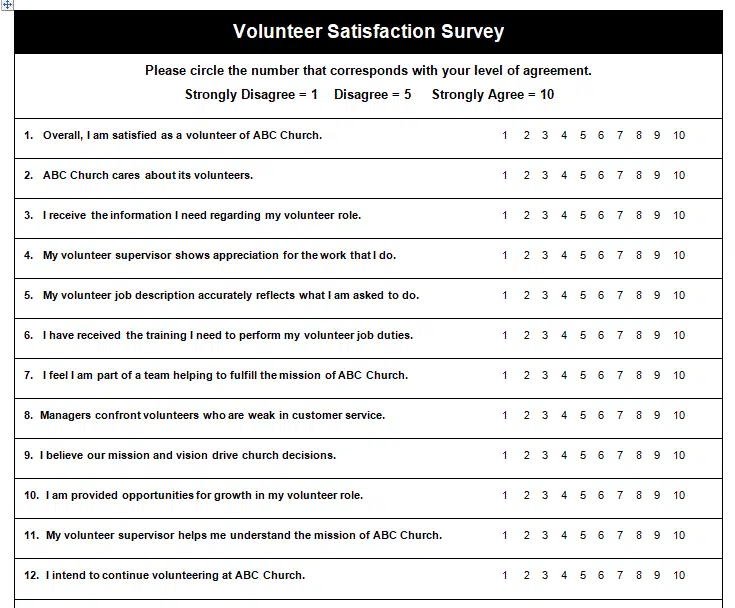
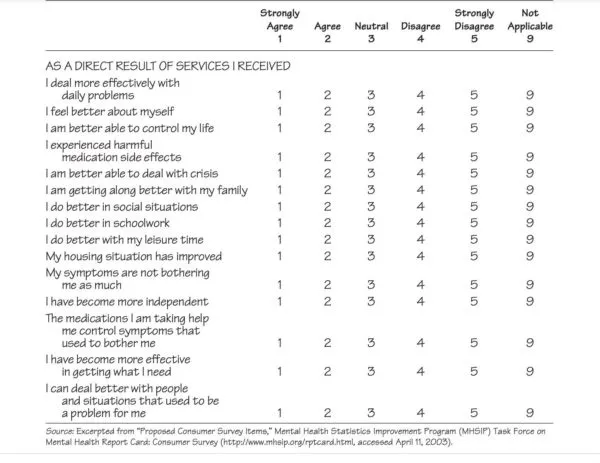
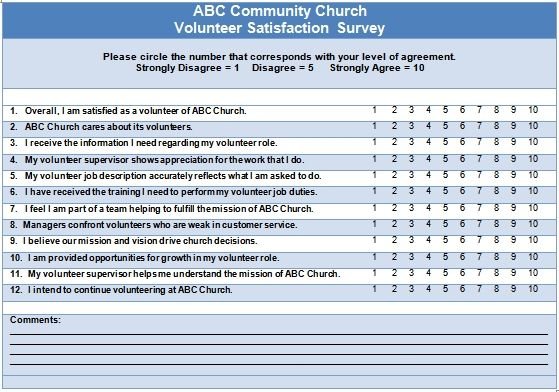
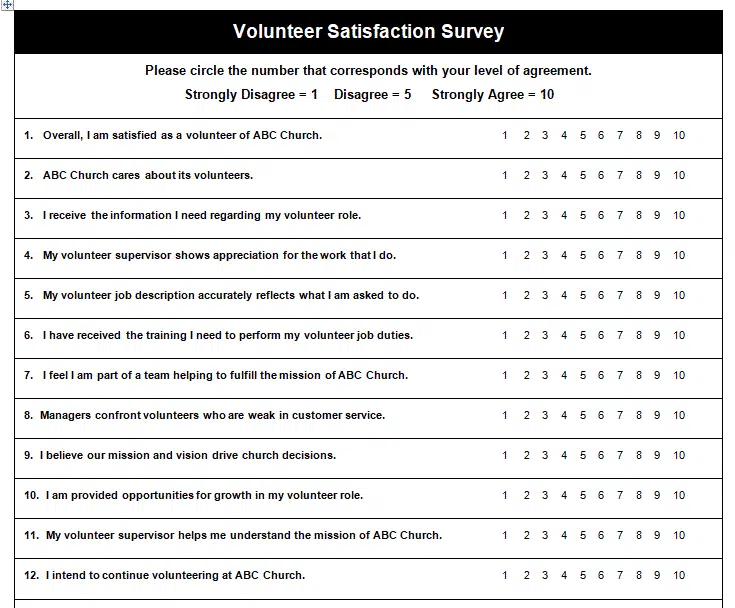
    Find the document below for a clearer view on the examples of survey questions

    See Also: 100+ Open-Ended Survey Questions Examples

    What Should a Survey Contain?

    A good survey should contain several key elements to ensure effectiveness and reliability in collecting data. These elements are as follows:

    1. Clear Objectives

    Clearly defined research objectives outline what information the survey aims to gather and why it’s important. Understanding the purpose of the survey guides the design of questions and analysis of results.

    2. Relevant Questions

    Survey questions must be about what we want to learn and help reach the survey’s goals. It is important to skip questions that don’t matter to keep people interested. For example:

    A survey should contain questions that are actionable.

    By this, actionable survey questions should give insights that can be used to make real changes or improvements. Here’s why it’s important for a survey to have these kinds of questions:

    • Help Make Decisions: Actionable survey questions give decision-makers the info they need to make smart choices. This is useful in businesses, schools, healthcare, or government where surveys help gather data to guide actions and plans.
    • Find Areas to Improve: Actionable survey questions point out what’s good and what needs work in organizations, products, services, or processes. Surveys collect feedback from people like customers or staff to show areas that need attention or fixing.
    • Make Changes: The info from actionable survey questions can push organizations to make changes. For example, if a survey shows lots of complaints about a product, the company might change how it’s made or give extra training to staff.
    • Track Progress: Surveys with actionable questions help organizations see how things are going over time. By doing surveys regularly and looking at the results, businesses can see if their plans are working or if things are getting better.
    • Use Resources Wisely: Actionable survey data helps decide where to put resources. For instance, if a survey shows that workers in a department aren’t happy, managers might put resources into things like training or team-building to fix the issues.
    • Keep Getting Better: Actionable survey questions help organizations keep improving. They use survey info to keep making their plans, products, or services better based on what people need and want.

    A survey should contain questions that are complex

    While surveys usually aim for simplicity to make questions clear, there are times when having more complex questions is useful. Here’s why:

    • Getting Detailed Insights: Complex questions help explore complicated topics or issues in more depth. This allows for a better understanding of different perspectives and insights that simple questions might miss.
    • Understanding Complicated Stuff: In areas like psychology, sociology, or public policy, where things are often complex, survey questions need to match that complexity. This helps capture the full range of experiences and viewpoints.
    • Making People Think: Complex questions can challenge what people assume and encourage them to think critically. They present scenarios or problems that make people consider different angles before answering.
    • Seeing Different Levels of Understanding: Complex questions can show who knows more about a topic. By asking questions that need deeper thought, surveys can figure out how well people understand different subjects.
    • Including Everyone’s Views: Complex questions cater to the diverse experiences and opinions of the survey group. They allow for exploring different viewpoints and factors that might affect people’s opinions.
    • Helping in Deep Research: In academic or specialized studies, complex questions are necessary to fully explore theories or ideas. They give researchers detailed data to analyze and understand new things better.
    • Making Surveys More Accurate: Complex questions might make surveys better at predicting future behaviors or trends. By asking more detailed questions, surveys can get a clearer picture of what might happen next.

    3. Logical Flow

    Put survey questions in a sensible order, moving from general to specific topics to keep people interested and able to understand.

    4. Clarity and Simplicity

    Write clear, concise, and easy-to-understand questions using simple language. Avoid jargon, ambiguity, or complex phrasing that may confuse respondents or lead to misinterpretation.

    5. Neutral Language

    Fairly ask questions to not influence how people answer. Be objective and avoid using words that might lead to biased results.

    6. Fair Choices

    Provide balanced response options for closed-ended questions to avoid bias and ensure that respondents have appropriate choices to accurately reflect their opinions or experiences.

    7. Engagement and Rewards

    Find ways to make people interested, like using pictures or offering rewards for taking part. People who are engaged are more likely to give thoughtful and accurate answers.

    Related Article: 125+ Random Survey Questions | Types and Template

    A Step-by-step Guide on How to Create a Survey

    Making a survey involves some important steps to get the information you need. Here’s what to do:

    • Know Your Goal: Figure out what you want to find out with your survey and how you’ll use the answers.
    • Pick Who to Ask: Decide who you want to answer your survey, like people of a certain age or job.
    • Choose a Survey Tool: Find a website or app to make your survey. There are lots of options, from basic ones like Google Forms to fancier ones like SurveyMonkey.
    • Plan Your Survey: Sketch out how your survey will work. Figure out what questions you’ll ask and in what order.
    • Write Your Questions: Make sure your questions are easy to understand and don’t favor one answer over another. Use different types of questions to get different kinds of info.
    • Test Your Survey: Before you send it out, try your survey with a few people to see if it makes sense and if there are any problems.
    • Fix Your Survey: Make any changes based on what you found in the test.
    • Make It Look Good: Make sure your survey is easy to read and looks nice.
    • Decide How to Share It: Think about how you’ll get people to take your survey, like sending emails or posting on social media.
    • Send It Out: Once everything’s ready, send your survey to the people you want to answer it. Keep an eye on the responses and make changes if needed.
    • Look at the Answers: When you have enough responses, look at what people said. Use charts and graphs to understand the info better.
    • Use What You Learned: Use the answers from your survey to make decisions or solve problems. You might also want to tell people what you found out and thank them for answering.

    Tips to Create a Good Questionnaire

    Here are some tips to help you make effective questions:

    1. Keep it Simple: Use easy words so people can understand the question easily. Avoid using fancy or complicated language.
    2. Stick to One Thing: Each question should only ask about one topic. Don’t mix different things, or people might get confused.
    3. Stay Neutral: Fairly write questions so you don’t influence how people answer. Don’t try to make people choose a certain answer.
    4. Avoid Asking Too Much: Don’t ask too many things in one question. Keep questions clear and focused on one idea at a time.
    5. Give Clear Options: If you’re giving people options to choose from, make sure they cover everything and don’t overlap. Make sure people can easily pick the answer that fits best.
    6. Explain the Scale: If you’re using a scale for people to rate something, make sure they know what each end of the scale means.
    7. Offer an “Other” Option: Sometimes people might not see an answer that fits them. Giving an “other” option lets them say that none of the provided answers fit.
    8. Be Fair: Don’t make questions that suggest one answer over another. Keep questions fair and balanced.
    9. Test the Questions: Try out the questions in a small group before using them in the real survey. This helps catch any problems with the questions.
    10. Keep it Relevant: Make sure every question helps you get the information you need for your survey. Don’t add extra questions that don’t matter.

    FAQs

    What is a survey?

    A survey is a method of collecting data or information from a group of people, typically through a series of questions designed to gather specific insights or opinions on a particular topic.

    Why are surveys important?

    Surveys are important because they allow organizations, researchers, and businesses to gather valuable feedback, insights, and opinions from a target audience. This information can be used to make informed decisions, improve products or services, or better understand customer needs and preferences.

    How do I design effective survey questions?

    Effective survey questions should be clear, concise, and relevant to the survey objectives. They should focus on one idea per question, use neutral language to avoid bias, and offer balanced response options.

    How can I increase survey response rates?

    To increase survey response rates, consider using incentives, keeping surveys short and focused, personalizing invitations, and following up with reminders. It’s also important to communicate the purpose and value of the survey to respondents and ensure that the survey is easy to access and complete.

    Conclusion

    Creating an effective survey hinges on meticulous question design, ensuring clarity, relevance, and neutrality. Artfully constructing one not only influences the quality of responses but also determines the success of data collection endeavors.

    A well-structured questionnaire, featuring a logical flow and diverse question types, helps gather useful information.

    If you avoid mistakes and keep people interested, you can create a good questionnaire. It’s important to think about every step, from surveying to looking at the results, to get the best data possible.

    References

    Recommendations

  • 30+ Income Survey Questions With Sample Questionnaire

    30+ Income Survey Questions With Sample Questionnaire

    Knowing how much money people earn and how they earn it is really important for studying different groups in society, making rules, and figuring out what things people might need to buy or use. Income surveys are like important tools that help collect information about how much individuals or families make.

    They help us understand how the economy is doing, where there might be unfair gaps in income, and how well people are doing with their money.

    This article will talk about why income surveys are so crucial, what makes a good survey, and give examples of the kinds of questions often asked in these surveys.

    What are Income Survey Questions?

    Income survey questions are questions asked in surveys to find out how much money individuals or households make and where that money comes from. These questions help gather data that helps researchers, policymakers, businesses, and others understand people’s financial situations.

    These questions cover various aspects of income, like:

    • Total Income: This include questions on how much money you make in a year, including wages, bonuses, investments, and government help
    • Income Sources: They ask about where your incomes come from. For example, from a job, renting out property, or investments
    • Income Frequency: It seeks to know how often you get paid whether it is every week, month, or year
    • Household Income Composition: Questions might explore how income is distributed among household members
    • Income Stability: Surveys want to know if your income has stayed the same over time or it changed a lot
    • Demographic Information: Questions often ask about demographic information to help analyze income disparities across different groups based on factors such as age, gender, education, race, or geographic location.

    Why are Income Survey Questions Important?

    They are important for several reasons:

    • Keeping Track of Money Trends: These questions help researchers and policymakers see how people’s incomes change over time. This helps them understand things like if wages are going up or if prices are getting higher, which can affect how well the economy is doing overall.
    • Spotting Money Differences: By asking about income across different groups of people, like men and women or people with different levels of education, these questions can show if there are unfair differences in how much money people make. This helps figure out ways to make things more fair and help everyone have enough money to live on.
    • Helping Make Rules: Governments and other groups use the answers from income surveys to make decisions about things like taxes, how much help people get from the government, and how much people should get paid for their work. Having accurate income data is super important for making sure these decisions help everyone in the best way possible.
    • Figuring Out What People Want to Buy: Businesses use the information from income surveys to understand what people can afford to buy and what they like to spend their money on. This helps them make products and decide how to sell them to make sure they’re appealing to different groups of people.
    • Planning for the Future: Income survey data helps local governments and nonprofits figure out what different communities need and where they should put their money. This helps make sure that resources are used in the right places to help the most people.
    • Learning More About Money: Researchers use income survey data to study all sorts of things about how money works in society. They look at things like how easy it is for people to move up the economic ladder, how wealth is spread out, and how government policies affect who has money and who doesn’t.

    Read: 125+ 360 Survey Questions With Sample Templates

    How to Ask Income Questions on a Survey

    When asking income questions on a survey, it’s essential to ensure clarity, sensitivity, and confidentiality to encourage accurate responses. Here are some tips on how to ask income questions effectively:

    • To start, ask a general question to get things going and understand people’s income. For example, you could say, “Can you tell us how much money your household makes in a year before taxes?”
    • Then, give people clear options to choose from. These options should cover a wide range of income levels so that everyone can pick the one that fits them best. For instance, you could offer choices like “Less than $20,000,” “$20,000 – $40,000,” and so on.
    • Make sure to include an option for people who don’t want to share their income. This respects their privacy and makes them more likely to answer honestly.
    • Use simple and neutral language when asking about income. Instead of saying, “How much money do you make?” you could ask, “What is your total household income for the year before taxes?”
    • Let people know if they should report their individual income or the income of their whole household.
    • Tell people clearly whether you’re asking about their yearly, monthly, or weekly income so they can give the right answer.
    • Make sure people know that their answers will be kept private and won’t be linked back to them individually. This helps them feel more comfortable sharing their income.
    • Make answering the income question mandatory so that everyone gives an answer. But still give people the option to say they can’t or don’t want to answer.
    • Think about who you’re asking these questions to and make sure they’re easy to understand for everyone. This includes considering things like different languages and cultures.
    • Try out the survey with a small group first to see if there are any problems with the income questions. Then, make any changes needed based on their feedback.

    Household Income Survey Questions

    1. What is your total annual household income before taxes?
    2. How many individuals are there in your household contributing to the total income?
    3. What are the primary sources of income for your household?
    4. Does anyone in your household receive income from self-employment or freelance work?
    5. Do any members of your household receive income from investments, such as stocks, bonds, or rental properties?
    6. Are there any government assistance programs your household receives income from, such as social security, unemployment benefits, or welfare?
    7. How stable has your household income been over the past year?
    8. Have there been any significant changes in your household income in the past year?
    9. What percentage of your household income is typically spent on housing expenses, including rent or mortgage payments?
    10. Are there any other financial factors affecting your household income that you believe are important to mention?

    Annual Income Survey Questions

    1. What was your total annual income before taxes for the previous calendar year?
    2. How do you primarily earn your annual income?
    3. What is the approximate annual income from your primary employment?
    4. Do you have any additional sources of annual income aside from your primary employment?
    5. How would you describe the stability of your annual income over the past few years?
    6. Have there been any significant changes in your annual income in the past year?
    7. Are you satisfied with your current annual income level?
    8. Are there any factors influencing your annual income that you believe are important to mention?
    9. How does your current annual income compare to your income from previous years?
    10. Are there any expectations or plans for changes in your annual income in the coming year?

    See this: What is a Leading Question? 40+ Examples with Template

    Income Level Survey Questions

    1. How often do you receive income (e.g., weekly, monthly, annually)?
    2. Are you the sole earner in your household, or does your household have multiple income earners?
    3. What is your primary source of income?
    4. How stable has your income been over the past year?
    5. Have there been any significant changes in your income in the past year?
    6. Do you receive income from sources other than employment, such as investments or rental properties?
    7. Are you currently receiving any government assistance or benefits that contribute to your income?
    8. What percentage of your income do you typically spend on housing expenses, including rent or mortgage payments?
    9. Are there any additional factors affecting your income level that you believe are important to mention?
    10. Do you anticipate any significant changes in your income in the upcoming year?
    11. Compared to others in your community or occupation, how would you rate your income level?

    Income Survey Questions for Students

    1. What is your current source of income as a student?
    2. How much do you typically earn in a month from part-time jobs or internships?
    3. Do you receive any financial support from family members or guardians?
    4. Have you ever participated in paid research studies or focus groups?
    5. Are you involved in any freelance work or gigs for extra income?
    6. Do you receive any scholarships or grants to support your education?
    7. Have you taken out student loans to finance your education? If so, how much do you owe?
    8. Have you explored opportunities for paid internships or co-op programs related to your field of study?
    9. Do you participate in any campus-based employment opportunities, such as working at the library or student center?
    10. Are you currently saving a portion of your income for future expenses or emergencies? If so, how much do you save each month?

    FAQs

    Why are income survey questions important?

    Income survey questions are crucial for understanding economic trends, identifying income disparities, informing policy-making, conducting market research, and planning resource allocation.

    How should I design income survey questions to ensure accurate responses?

    Design clear and neutral questions with well-defined response options. Ensure confidentiality, include an “I Prefer Not to Answer” option, and consider contextual factors such as cultural sensitivities and literacy levels.

    What are the key components of an effective income survey questionnaire?

    An effective income survey questionnaire includes questions about total annual income, income sources, frequency of income receipt, household composition, income stability, and additional financial information.

    What are common challenges in collecting income data through surveys?

    Challenges may include non-response bias, social desirability bias (respondents providing answers they perceive as socially acceptable), and difficulties in recalling or estimating income accurately.

    Can income survey data be used for academic research?

    Yes, income survey data is valuable for academic research in fields such as economics, sociology, and public policy.

    Conclusion

    By carefully creating surveys and gathering data well, income surveys help researchers, government officials, businesses, and others know more about people’s incomes.

    This information helps policymakers make specific plans to reduce unfair differences in society, spend money wisely, and make sure the economy grows steadily and everyone benefits.

    References

    Recommendations

  • 35+ School Climate Survey Questions For Teachers and Students

    35+ School Climate Survey Questions For Teachers and Students

    When you walk into your school, you instantly feel a vibe – it’s either warm and welcoming or a bit, well, meh. That’s the school climate in action – it sets the tone for everything from your motivation to learn to your overall happiness.

    But here’s the thing: understanding what makes a school climate tick is key to making it awesome for everyone – students and teachers alike. And guess what? School climate surveys are like secret agents that gather intel straight from the source – you and your teachers.

    In this article, we’re taking a deep dive into the world of school climate surveys, tailored just for you and your fellow students, as well as your awesome teachers.

    What is a School Climate Survey?

    A school climate survey is a tool used to assess the overall atmosphere, culture, and environment within a school. It gathers feedback from various stakeholders, including teachers, students, and sometimes parents, to evaluate different aspects of the school’s climate. These surveys aim to understand the perceptions, experiences, and needs of individuals within the school community regarding factors such as safety, relationships, academic support, institutional practices, inclusivity, and diversity.

    School climate surveys typically consist of a series of questions designed to measure different dimensions of the school environment. The questions may cover topics such as perceptions of safety, the quality of relationships between students and staff, academic engagement, feelings of belonging, experiences of bullying or discrimination, access to resources and support services, and overall satisfaction with the school environment.

    The data collected from school climate surveys can provide valuable insights into the strengths and areas for improvement within the school community. By identifying specific areas of concern and areas of strength, schools can develop targeted interventions, implement evidence-based strategies, and foster a positive and supportive learning environment conducive to academic success, personal growth, and well-being.

    Check out this related content: 250+ Best Taylor Swift Trivia Questions and Answers (Easiest to Hardest)

    35+ School Climate Survey Questions For Teachers and Students

    Safety and Well-being School Climate Survey Questions For Teachers and Students

    For Teachers:

    #1. How safe do you feel on campus during school hours?

    #2. Have you observed any instances of bullying or harassment among students? If yes, how often?

    #3. Do you feel adequately supported by school administration in addressing student discipline issues?

    #4. How would you rate the effectiveness of safety protocols and emergency procedures at our school?

    #5. Are you aware of any concerns regarding the physical security of our school buildings and facilities?

    #6. Do you feel comfortable raising safety concerns with school administrators or staff?

    #7. Have you experienced any incidents of verbal or physical aggression from students or colleagues? If yes, please describe.

    #8. Do you feel that adequate measures are in place to address the mental health and well-being of students and staff?

    #9. How would you rate the level of support provided to teachers in managing student behavior and maintaining a positive classroom environment?

    #10. Are there any specific safety or security improvements you would like to see implemented at our school?

    For Students:

    #11. Do you feel safe at school? Why or why not?

    #12. Have you ever experienced bullying or harassment from other students? If yes, please describe.

    #13. Are you aware of the procedures to follow in case of an emergency or safety threat?

    #14. Do you feel comfortable reporting safety concerns to school staff or administrators?

    #15. How would you rate the level of support provided to students in addressing issues related to safety and well-being?

    #16. Have you witnessed any instances of violence or aggression among students? If yes, how often?

    #17. Do you feel that teachers and staff are approachable and supportive when it comes to addressing safety concerns?

    #18. Are there any areas on campus where you feel unsafe or uncomfortable? If yes, please describe.

    #19. Have you experienced any form of discrimination or mistreatment at school? If yes, please describe.

    #20. Do you feel that your mental health and well-being are adequately supported by the school community?

    Check out this related content: 250+ Best Trivia Questions For Teens With Answers

    Relationships and Support School Climate Survey Questions For Teachers and Students

    For Teachers:

    #21. How would you rate the level of collaboration and teamwork among colleagues at our school?

    #22. Do you feel supported by fellow teachers and staff members in your professional growth and development?

    #23. Have you experienced positive interactions with school administrators regarding instructional practices and classroom management?

    #24. How would you describe the level of communication between teachers and school leadership?

    #25. Do you feel that your opinions and contributions are valued by colleagues and administrators?

    #26. Have you received adequate support from school counselors or mental health professionals in addressing student needs?

    #27. How would you rate the level of parental involvement and support in your classroom or school community?

    #28. Have you experienced any challenges in building positive relationships with students? If yes, please describe.

    #29. Do you feel that there are sufficient resources and support services available to address the diverse needs of students?

    #30. Are there any specific areas where you would like to see improvements in terms of relationships and support within the school community?

    For Students:

    #31. How would you describe your relationships with teachers and school staff?

    #32. Do you feel comfortable reaching out to teachers or counselors for academic or emotional support?

    #33. Have you experienced positive interactions with your peers in the classroom and school community?

    #34. Do you feel that teachers and staff members listen to and respect your opinions and concerns?

    #35. Have you received adequate support from teachers or counselors in addressing academic challenges or personal issues?

    #36. How would you rate the level of communication between students and school leadership?

    #37. Do you feel that there are opportunities for students to voice their opinions and contribute to decision-making processes at school?

    #38. Have you experienced any instances of bullying or harassment from classmates? If yes, please describe.

    #39. Are there any specific resources or support services you would like to see implemented at our school?

    #40. Do you feel a sense of belonging and connection within the school community?

    For the most fun, read also: 250+ Best Disney Trivia Questions and Answers

    Academic Environment School Climate Survey Questions For Teachers and Students

    For Teachers:

    #41. How would you rate the level of academic rigor and challenge in your classroom?

    #42. Do you feel supported by school administrators in implementing effective instructional practices?

    #43. Have you received adequate professional development opportunities to enhance your teaching skills and strategies?

    #44. How would you describe the level of student engagement and participation in your classroom?

    #45. Are you satisfied with the availability and quality of instructional resources and materials provided by the school?

    #46. Do you feel that assessments and evaluations accurately measure student learning and progress?

    #47. How would you rate the level of collaboration and teamwork among teachers in developing curriculum and instructional plans?

    #48. Have you observed any disparities in academic outcomes among different student groups? If yes, please describe.

    #49. Are there any specific challenges or obstacles that affect teaching and learning in your classroom?

    #50. Are there any areas where you would like to see improvements in terms of the academic environment within the school?

    For Students:

    #51. How would you rate the level of challenge and engagement in your classes?

    #52. Do you feel that teachers provide clear explanations and instructions for assignments and assessments?

    #53. Are you satisfied with the variety of learning experiences and activities offered in your classes?

    #54. Do you feel supported by teachers in addressing academic challenges and seeking extra help when needed?

    #55. How would you describe the level of feedback and guidance provided by teachers on your academic work?

    #56. Are you satisfied with the availability and accessibility of academic resources, such as textbooks and technology?

    #57. Do you feel that assessments accurately measure your learning and progress in class?

    #58. Have you experienced any barriers to academic success, such as language barriers or learning disabilities? If yes, please describe.

    #59. Are there any specific subjects or areas where you feel particularly engaged and motivated to learn?

    #60. Are there any changes you would like to see made to improve the academic environment within your school?

    Check out this related content: 250+ Best Taylor Swift Trivia Questions and Answers (Easiest to Hardest)

    Why are School Climate Surveys important?

    School climate surveys are important for several reasons:

    • Assessing the School Environment: School climate surveys and their results provide a systematic way to assess the overall atmosphere, culture, and environment within a school. They help in understanding how students, teachers, and other stakeholders perceive their experiences in the school community.
    • Identifying Strengths and Weaknesses: By collecting feedback from various stakeholders, school climate surveys and its results help identify areas of strength within the school community, as well as areas that may need improvement. This information can guide decision-making and inform strategies to enhance the overall school environment.
    • Promoting Student and Staff Well-being: A positive school climate has been linked to improved student academic achievement, social-emotional development, and overall well-being in their results. School climate surveys help in identifying factors that contribute to a positive environment, such as supportive relationships, effective communication, and a sense of belonging.
    • Enhancing School Safety: Assessing perceptions of safety and security within the school community is a critical aspect of school climate surveys and its results. Understanding how students and staff perceive safety can help in implementing measures to address concerns and create a safer learning environment.
    • Fostering Collaboration and Communication: School climate surveys and its results provide an opportunity for students, teachers, parents, and administrators to voice their opinions and concerns about the school environment. This feedback fosters collaboration and communication among stakeholders, leading to a more inclusive and responsive school community.
    • Supporting Data-Driven Decision-Making: The data collected from school climate surveys offer valuable insights that can inform data-driven decision-making at the school and district levels. By analyzing survey results, schools can develop targeted interventions, allocate resources effectively, and monitor progress over time.

    School climate surveys and their results play a crucial role in promoting a positive and supportive learning environment, enhancing student and staff well-being, and driving continuous improvement efforts within schools. They provide a mechanism for stakeholders to contribute to the ongoing evaluation and enhancement of the school community.

    For the most fun, read also: 150+ Easy-to-Answer Trivia Questions to Spice Up Your Night

    How can schools use the data collected from school climate surveys?

    Schools can use the data collected from school climate surveys in various ways to improve the overall school environment and enhance the educational experience for students and staff. Here are some key ways schools can utilize this data:

    • Identifying Areas for Improvement: Analyzing survey data allows schools to identify specific areas of concern or weakness within the school climate, such as perceptions of safety, relationships, or support services. By pinpointing these areas, schools can prioritize interventions and allocate resources effectively.
    • Developing Action Plans: Based on survey findings, schools can develop action plans to address identified areas for improvement. These action plans should outline specific goals, strategies, and timelines for implementing changes that will positively impact the school climate.
    • Implementing Targeted Interventions: Survey data can inform the development and implementation of targeted interventions aimed at addressing specific issues identified by stakeholders. These interventions may include programs to promote positive behavior, initiatives to improve communication and collaboration, or efforts to enhance support services for students and staff.
    • Monitoring Progress: Schools can use survey data to track progress over time and evaluate the effectiveness of interventions and initiatives implemented to improve the school climate. Regularly administering school climate surveys allows schools to monitor trends, assess changes in perceptions, and make adjustments as needed.
    • Informing Policy and Decision-Making: Survey data can inform policy development and decision-making processes at the school and district levels. Schools can use survey findings to advocate for policy changes, allocate resources based on identified needs, and make informed decisions about school improvement efforts.
    • Engaging Stakeholders: Sharing survey results with stakeholders, including students, teachers, parents, and community members, promotes transparency and fosters collaboration. By involving stakeholders in the interpretation of survey data and the development of action plans, schools can build buy-in and support for efforts to improve the school climate.

    Check out this related content: 250+ Best Pop Culture Trivia Questions and Answers (Easiest to Hardest)

    Conclusion

    School climate surveys serve as valuable tools for assessing the overall health and well-being of a school community, providing insights into the experiences, perceptions, and needs of both teachers and students. By gathering feedback on various aspects of the school environment, such as safety, relationships, support systems, and institutional practices, schools can identify areas of strength and areas for improvement.

    By leveraging the data collected from these surveys, schools can develop targeted interventions, implement evidence-based strategies, and foster a positive and supportive learning environment conducive to academic success and personal growth.

    Check out this related content: 250+ Best Disney Trivia Questions and Answers

    Frequently Asked Questions

    What is a school climate survey?

    A school climate survey is a tool used to assess the overall atmosphere, culture, and environment within a school. It gathers feedback from teachers, students, and sometimes parents to evaluate various aspects of the school’s climate, including safety, relationships, academic support, and institutional practices.

    Why are school climate surveys important?

    School climate surveys provide valuable insights into the perceptions, experiences, and needs of teachers and students within the school community.

    What types of questions are typically included in a school climate survey for teachers?

    School climate survey questions for teachers may cover a range of topics, including perceptions of school leadership, professional development opportunities, collaboration among colleagues, classroom management support, and overall job satisfaction.

    What are some examples of school climate survey questions for students?

    School climate survey questions for students may inquire about their feelings of safety at school, relationships with teachers and peers, sense of belonging, engagement in learning, experiences of bullying or discrimination, access to resources and support services, and overall satisfaction with the school environment.

    How can schools use the data collected from school climate surveys?

    Schools can use the data collected from school climate surveys to inform decision-making, develop action plans, implement targeted interventions, monitor progress over time, and foster a culture of continuous improvement.

    References

    Recommendations

  • Top 100 Parent Survey Questions for Questionnaires

    Top 100 Parent Survey Questions for Questionnaires

    Parent survey questions are a super helpful tool for finding out what parents think about school stuff. They are like the cool tool schools use to ask parents what they think about their schools.

    It doesn’t matter if you’re a teacher, principal, or running a daycare, knowing what parents think is really important for making school great for everyone.

    In this article, we’ve got 100 questions that cover all sorts of stuff about school. They help schools figure out what parents want and how they can make school even better.

    So, let’s check out these questions and help you see how you can make school more awesome with the help of parents’ thoughts!

    With their feedback, you can make sure everyone’s happy and having a good time at school. So, let’s get in and see what ideas we can come up with together!

    What are parent survey questions?

    Parent survey questions are inquiries designed to gather feedback from parents about various aspects of their child’s school experience.

    These questions cover topics such as overall satisfaction with the school, communication with teachers and staff, academic programs, safety measures, extracurricular activities, support for students’ social and emotional well-being, and opportunities for parent involvement.

    By asking parents to provide input on these areas, schools can gain valuable insights into parent perspectives, identify areas for improvement, and make informed decisions to enhance the overall school environment for students and families.

    What should be included in a parent survey?

    A parent survey should include questions that cover various aspects of the school experience, aiming to gather feedback on different areas of interest. Some common topics to include in a parent survey are:

    • Overall satisfaction with the school
    • Effective communication between the school and parents
    • Quality of academic programs and curriculum
    • Safety and security measures at the school
    • Availability and accessibility of extracurricular activities
    • Support for students’ social and emotional well-being
    • Effectiveness of parent involvement opportunities
    • Accommodations and support for students with special needs
    • Accessibility of technology resources
    • School climate and culture
    • Handling of disciplinary issues
    • Inclusivity and diversity initiatives
    • Bullying prevention efforts
    • Transition support for students moving between grade levels
    • Feedback on specific programs or initiatives

    Including questions on these topics allows schools to gain insights into various aspects of the parent experience and identify areas for improvement to better meet the needs of students and families.

    Read: 100+ Always Sunny Trivia Questions and Answers | Fun Facts and Cities

    Parent Survey questions for questionnaires

    Here are the top 100 parent survey questions for questionnaires:

    Parent Survey Questions for School Improvement

    Evaluating the school’s performance and understanding parental satisfaction is crucial for continuous improvement.

    These questions gauge parental satisfaction with overall school experiences, facilities, and administrative processes.

    The aim is to identify areas of improvement and enhance the school’s overall effectiveness and parent engagement. Here are some parent survey questions related to the school:

    1. How would you rate your overall satisfaction with our school?
    2. How well do you feel our school communicates important information to parents?
    3. Are you satisfied with the cleanliness and maintenance of our school facilities?
    4. How safe do you consider our school environment to be for your child?
    5. How would you rate the availability and accessibility of extracurricular activities offered at our school?
    6. Do you feel our school effectively addresses the individual needs of students?
    7. How would you rate the level of parent involvement opportunities provided by our school?
    8. Are you satisfied with the accessibility and responsiveness of school administration and staff?
    9. How well does our school promote a sense of inclusion and diversity among students?
    10. How would you rate the effectiveness of our school’s disciplinary policies and procedures?
    11. Do you feel our school adequately prepares students for future academic and career success?
    12. How well does our school support the social-emotional well-being of students?
    13. Are you satisfied with the resources and support services available to students with special needs?
    14. How well does our school integrate technology into the learning environment?
    15. How effectively does our school promote a positive and respectful school culture?
    16. Are you satisfied with the opportunities provided for parent-teacher communication and collaboration?
    17. How well does our school address issues of bullying and student conflict?
    18. Do you feel our school fosters a sense of community and belonging among students and families?
    19. How would you rate the level of transparency and accountability of our school’s leadership?
    20. Overall, how likely are you to recommend our school to other parents and families?

    Parent survey questions for schools help gather feedback from parents about different aspects of their experience with the school.

    This includes satisfaction levels, communication, safety, academic support, and community engagement. The insights gained from these surveys help schools improve and better meet the needs of students and families.

    Parent Survey Questions for Teachers

    The role of teachers in a child’s education is invaluable. Gathering feedback about teachers can help identify areas for improvement and recognize outstanding educators.

    These questions assess parent-teacher communication, teaching effectiveness, and satisfaction with classroom experiences.

    They aim to strengthen the partnership between teachers and parents, ultimately improving student outcomes. Here are some parent survey questions related to teachers:

    1. How would you rate the clarity and effectiveness of communication between you and your child’s teacher?
    2. Do you feel well-informed about your child’s academic progress and performance in class?
    3. How would you describe your level of satisfaction with the teaching methods used in your child’s classroom?
    4. To what extent do you feel your child is challenged appropriately in their schoolwork?
    5. How responsive do you find the teacher to be regarding questions or concerns about your child’s education?
    6. How well does the teacher provide feedback on your child’s strengths and areas for improvement?
    7. How would you rate the teacher’s ability to create a positive and inclusive classroom environment?
    8. Do you feel your child’s teacher effectively encourages student participation and engagement in class activities?
    9. How well does the teacher accommodate different learning styles and needs within the classroom?
    10. How satisfied are you with the teacher’s approach to homework assignments and assessments?
    11. How effectively does the teacher foster collaboration and teamwork among students?
    12. To what extent does the teacher incorporate technology and multimedia resources into classroom instruction?
    13. How would you rate the teacher’s ability to address behavioral issues and maintain classroom discipline?
    14. How well does the teacher communicate expectations and goals for student learning?
    15. Do you feel the teacher provides adequate support and resources for students who may be struggling academically?
    16. How well does the teacher communicate and collaborate with you as a parent in supporting your child’s learning?
    17. How responsive is the teacher to concerns or feedback provided by parents?
    18. How satisfied are you with the opportunities provided by the teacher for parental involvement in classroom activities or events?
    19. How would you rate the teacher’s ability to create a supportive and nurturing learning environment for your child?
    20. Overall, how would you rate your level of satisfaction with your child’s teacher and their impact on your child’s educational experience?

    By gathering feedback through these questions, teachers can gain valuable insights into parents’ perspectives. This helps them better understand parent expectations, improve communication, and tailor instruction to meet student needs.

    Ultimately, this partnership between teachers and parents fosters a supportive learning environment where students can thrive academically, socially, and emotionally.

    Also, read: 20 Frequently Asked  Primary Teacher Interview Questions and Answers

    Middle School Parent Survey Questions

    As parents entrust their children to the world of middle school, their perspectives become essential. The middle school parent survey seeks to understand their experiences, hopes, and concerns.

    By comprehending these perspectives, the school aims to foster an environment where every student can flourish academically, socially, and emotionally.

    This feedback strengthens the bond between home and school, enhancing the overall experience for students. Here are some middle school parent survey questions:

    1. How satisfied are you with the overall quality of education your child receives at our middle school?
    2. How well does our school communicate important information and updates to parents?
    3. Are you satisfied with the academic rigor and curriculum offered at our middle school?
    4. How safe and secure do you feel your child is while attending our middle school?
    5. How would you rate the accessibility and responsiveness of teachers and staff at our middle school?
    6. Are you satisfied with the availability and variety of extracurricular activities offered at our middle school?
    7. How well does our middle school support students’ social and emotional well-being?
    8. Do you feel that our middle school effectively addresses the individual needs of students?
    9. How well does our school prepare students for the transition to high school?
    10. How satisfied are you with the cleanliness and maintenance of our middle school facilities?
    11. How well does our school promote diversity and inclusion among students?
    12. Are you satisfied with the opportunities provided for parent involvement at our middle school?
    13. How effectively does our school handle disciplinary issues and maintain a positive school culture?
    14. How well does our middle school support students with special needs or learning differences?
    15. Are you satisfied with the availability and quality of technology resources at our middle school?
    16. How well does our school foster a sense of community and belonging among students and families?
    17. Do you feel that our middle school provides adequate support for students’ academic and personal growth?
    18. How satisfied are you with the level of communication between teachers and parents at our middle school?
    19. How well does our school address bullying and ensure the safety of all students?
    20. Overall, how likely are you to recommend our middle school to other parents and families?

    These questions aim to gather feedback from parents about various aspects of their child’s experience at the middle school level, including academic quality, communication, safety, extracurricular opportunities, and overall satisfaction.

    Parent Survey Questions for Special Education

    These questions delve into the experiences and satisfaction levels of parents with children receiving special education services.

    The goal is to ensure that the needs of these students are effectively addressed and that families feel supported and valued within the educational system.

    1. How satisfied are you with the support and services provided to your child in the special education program?
    2. How well does the school communicate with you about your child’s Individualized Education Plan (IEP)?
    3. Are you satisfied with the progress your child has made in the special education program?
    4. How well does the school address your child’s individual learning needs and accommodations?
    5. How would you rate the accessibility of resources and support for parents of children in the special education program?
    6. How satisfied are you with the level of collaboration between special education teachers and other school staff?
    7. Do you feel that your child’s IEP goals are appropriate and achievable?
    8. How well does the school involve you in the decision-making process regarding your child’s special education services?
    9. How satisfied are you with the communication between the special education team and other teachers or professionals working with your child?
    10. How would you rate the school’s efforts to ensure your child’s social and emotional well-being in the special education program?
    11. Are you satisfied with the accommodations and modifications provided to your child in the classroom?
    12. How well does the school address any concerns or challenges you have regarding your child’s special education services?
    13. How effective do you find the transition planning process for your child as they move between grade levels or school settings?
    14. How well does the school provide support for your child’s independence and self-advocacy skills?
    15. How satisfied are you with the opportunities for parent involvement in the special education program?
    16. How well does the school address any behavioral challenges or needs your child may have?
    17. Do you feel that your child is included and valued as a member of the school community?
    18. How would you rate the accessibility of assistive technology and other resources for your child’s learning?
    19. How satisfied are you with the training and professional development provided to special education staff?
    20. Overall, how would you rate your level of satisfaction with the special education services provided by the school?

    These questions aim to gather feedback from parents about various aspects of their child’s experience in the special education program, including communication, support, accommodations, and overall satisfaction.

    See Also: 120+ Internal Communication Survey Questions With Template

    Parent Survey Questions for Parents

    Parental involvement plays a crucial role in a child’s education. Understanding the level of parental engagement can help identify areas for improvement and strengthen the partnership between parents and educators.

    These questions cover a broad range of topics, including overall satisfaction with the educational experience, involvement in school activities, and perceptions of the school’s culture and climate.

    The aim is to foster parental engagement, strengthen the school community, and ensure a positive and supportive learning environment for all students.

    Here are some parent survey questions related to parental involvement:

    1. How satisfied are you with the overall quality of education your child receives at our school?
    2. How well does our school communicate important information and updates to parents?
    3. Are you satisfied with the academic rigor and curriculum offered at our school?
    4. How safe and secure do you feel your child is while attending our school?
    5. How would you rate the accessibility and responsiveness of teachers and staff at our school?
    6. Are you satisfied with the availability and variety of extracurricular activities offered at our school?
    7. How well does our school support students’ social and emotional well-being?
    8. Do you feel that our school effectively addresses the individual needs of students?
    9. How well does our school prepare students for future academic and career success?
    10. How satisfied are you with the cleanliness and maintenance of our school facilities?
    11. How well does our school promote diversity and inclusion among students?
    12. Are you satisfied with the opportunities provided for parent involvement at our school?
    13. How effectively does our school handle disciplinary issues and maintain a positive school culture?
    14. How well does our school support students with special needs or learning differences?
    15. Are you satisfied with the availability and quality of technology resources at our school?
    16. How well does our school foster a sense of community and belonging among students and families?
    17. Do you feel that our school provides adequate support for students’ academic and personal growth?
    18. How satisfied are you with the level of communication between teachers and parents at our school?
    19. How well does our school address bullying and ensure the safety of all students?
    20. Overall, how likely are you to recommend our school to other parents and families?

    These questions aim to gather comprehensive feedback from parents about various aspects of their child’s experience at the school, including academic quality, communication, safety, extracurricular opportunities, and overall satisfaction.

    Read Also: 250+ Best Trivia Questions For Teens With Answers

    How Do I Create a Parent Survey?

    Creating a parent survey is a straightforward process that involves a few key steps.

    First, determine the purpose of your survey. What do you want to learn from parents? Is it about their satisfaction with the school, their opinions on specific programs, or suggestions for improvement?

    Next, brainstorm the questions you want to ask. Make sure they’re clear, concise, and directly related to your survey’s purpose. Consider including a mix of multiple-choice, Likert scale, and open-ended questions for varied insights.

    Then, choose a survey platform or tool to administer the survey. There are many online options available, such as Google Forms, SurveyMonkey, or Typeform, which offer customizable templates and easy data analysis features.

    Communicate the survey to parents clearly, explaining its purpose and how their feedback will be used. Set a deadline for responses and provide instructions for completing the survey.

    Finally, analyze the survey results to identify trends, patterns, and areas for improvement. Use this feedback to make informed decisions and enhance the school experience for everyone involved.

    FAQs

    When should parent surveys be conducted?

    Parent surveys can be conducted at various times throughout the school year, such as at the beginning, middle, or end of the academic term, to gather feedback on different aspects of the school experience.

    What should schools do with the feedback from parent surveys?

    Schools should carefully analyze the feedback from parent surveys to identify trends, patterns, and areas for improvement. This information can then be used to make informed decisions and implement changes to enhance the school experience.

    How can schools ensure the anonymity of parent survey responses?

    Schools can ensure the anonymity of parent survey responses by using anonymous survey platforms, avoiding the collection of personally identifiable information, and clearly communicating privacy measures to participants.

    Conclusion

    Collecting feedback from parents through well-designed surveys is a powerful tool for improving educational programs. The questions provided in this blog post cover a wide range of topics and can be tailored to suit your specific needs. Remember, the key to an effective survey is to ask clear and concise questions that encourage honest responses.

    By actively listening to parents’ feedback and taking their suggestions into account, you can create an educational environment that meets the needs of both children and parents. So, go ahead and start designing your parent survey today!

    References

    Recommendations

  • 55+ Employee Benefits Survey Questions with Template

    55+ Employee Benefits Survey Questions with Template

    List of Employee Health Benefits Survey Questions and Answers

    Employee benefits play a crucial role in attracting and retaining top talent. A well-designed benefits package can enhance employee satisfaction, engagement, and overall well-being.

    However, it’s important to regularly assess the effectiveness of your benefits program to ensure it meets the needs and expectations of your workforce.

    In this article, we present a collection of 55 employee benefits survey questions that cover various aspects of benefits, from healthcare and retirement plans to work-life balance and professional development opportunities.

    These questions will provide you with valuable insights into how your employees perceive and utilize their benefits, as well as identify areas for improvement.

    Whether you are curious about how satisfied your employees are with their benefits package or you want to gather valuable insights and feedback to improve your company’s employee benefits program, these questions will help you.

    What are Employee Benefits Survey?

    Employee benefits surveys are assessments conducted by companies to gather feedback from employees regarding their satisfaction with the benefits offered by the organization.

    These surveys typically cover various aspects of employee benefits, including healthcare, retirement plans, paid time off, flexible work arrangements, wellness programs, and other perks. The goal of these surveys is to understand employees’ preferences, needs, and opinions regarding their benefits package.

    By collecting this feedback, companies can identify areas for improvement, make informed decisions about benefit offerings, and ensure that their employees feel valued and supported. Employee benefits surveys are valuable tools for fostering employee engagement, retention, and overall satisfaction within the organization.

    What are the Benefits of Employee Benefit Survey?

    Employee benefit surveys offer several advantages for both employees and employers. Firstly, they provide employees with a platform to voice their opinions and preferences regarding their benefits package, leading to increased engagement and satisfaction.

    By understanding employees’ needs and priorities, employers can tailor benefit offerings to better meet their workforce’s expectations, improving overall morale and retention. Additionally, conducting these surveys demonstrates that the organization values employee input, fostering a culture of transparency and trust.

    Moreover, regular feedback from surveys allows employers to stay updated on evolving employee needs and market trends, enabling them to adapt their benefits strategy accordingly.

    Employee Benefits Survey Questions

    We have compiled a comprehensive list of 55+ employee benefits survey questions that will help you gather the information you need.

    Survey Questions for Employee Benefits Satisfaction

    This survey helps you understand how satisfied your employees are with their benefits, such as healthcare and time off. It’s important to know if they feel supported and valued.

    By listening to their feedback, you can make improvements that enhance their experience and foster a positive work environment for everyone. Your employees’ voices matter!

    1. How satisfied are you with the healthcare benefits provided by the company?
    2. Do you feel that the retirement plans offered meet your long-term financial needs?
    3. Are you satisfied with the amount of paid time off (PTO) provided by the company?
    4. Do you find the flexible work arrangements offered to be accommodating to your needs?
    5. How would you rate the company’s wellness programs in promoting employee health and well-being?
    6. Are you satisfied with the options available for childcare or dependent care assistance?
    7. Do you feel adequately supported by the company in terms of professional development and training opportunities?
    8. Are you satisfied with the company’s policies regarding work-life balance?
    9. How would you rate the communication from the HR department regarding employee benefits information?
    10. Do you feel that the company’s benefits package is competitive compared to other employers in the industry?
    11. Are you satisfied with the level of transparency regarding the cost and coverage of healthcare benefits?
    12. How satisfied are you with the process of enrolling in and managing your benefits?
    13. Do you feel that the company offers sufficient opportunities for financial wellness education?
    14. Are you satisfied with the options available for commuter benefits or transportation assistance?
    15. How would you rate the company’s efforts in promoting diversity, equity, and inclusion through its benefits offerings?
    16. Do you feel that the company offers adequate support for mental health and emotional well-being?
    17. Are you satisfied with the accessibility and ease of use of the company’s employee assistance programs (EAPs)?
    18. How satisfied are you with the options available for life and disability insurance coverage?
    19. Do you feel that the company’s benefits package reflects an understanding of your needs as an employee?
    20. Are there any additional benefits or perks you would like to see added to the company’s offerings?

    Read: 120+ Climate Survey Questions for your Questionnaire

    Employee Survey Questions about Compensation and Benefits

    Oftentimes, it’s important for employers to check in with their employees about how they feel about their pay and benefits. This survey helps employers understand if employees feel fairly compensated and supported.

    Their feedback helps ensure everyone feels valued and appreciated in the workplace. Here are 20 Employee Survey Questions about Compensation and Benefits:

    1. Are you satisfied with your current salary or hourly wage?
    2. Do you feel that your compensation reflects the value of your contributions to the company?
    3. Are you satisfied with the benefits package provided by the company, including healthcare, retirement plans, and paid time off?
    4. Do you believe that the company offers competitive compensation compared to other employers in the industry?
    5. Are you satisfied with the opportunities for salary advancement or merit increases within the company?
    6. Do you feel that the company provides adequate support for professional development and training opportunities related to compensation and benefits?
    7. Are you satisfied with the transparency of the company’s compensation and benefits policies and practices?
    8. How would you rate the fairness of the company’s compensation structure, including bonuses and incentives?
    9. Do you feel that the company offers sufficient opportunities for employee recognition and rewards related to compensation and benefits?
    10. Are you satisfied with the communication from the HR department regarding compensation and benefits information?
    11. Do you feel adequately informed about the criteria used to determine salary increases or bonuses within the company?
    12. How satisfied are you with the company’s policies regarding salary negotiations and performance reviews?
    13. Do you feel that the company offers sufficient support for financial wellness education and resources?
    14. Are you satisfied with the accessibility and ease of use of the company’s payroll and benefits administration systems?
    15. How satisfied are you with the company’s policies regarding overtime pay and compensation for additional work hours?
    16. Do you feel that the company provides adequate support for work-related expenses, such as mileage reimbursement or travel allowances?
    17. Are you satisfied with the options available for retirement planning and savings programs offered by the company?
    18. How would you rate the company’s efforts in promoting diversity, equity, and inclusion through its compensation and benefits practices?
    19. Are you satisfied with the company’s policies regarding leave benefits, such as parental leave, sick leave, and vacation time?
    20. Do you feel that the company’s compensation and benefits package reflects an understanding of your needs as an employee?

    Also, see: 150+ Business Survey Questions for Questionnaires

    Employee health benefits survey questions

    Health is everything they say it is, and your employees want to know you care about theirs. An employee health benefits survey asks how satisfied employees are with their healthcare coverage. It helps you understand their needs and preferences, so you can provide benefits that support their well-being and show you value their health.

    1. Are you satisfied with the healthcare coverage provided by the company?
    2. Do you find the healthcare plans offered by the company to be comprehensive and suitable for your needs?
    3. How satisfied are you with the network of healthcare providers available through the company’s insurance plans?
    4. Do you feel that the company offers sufficient options for dental and vision coverage?
    5. Are you satisfied with the cost-sharing arrangements for healthcare expenses, such as deductibles and copayments?
    6. How would you rate the accessibility and ease of use of the company’s healthcare benefits administration system?
    7. Are you satisfied with the level of communication from the HR department regarding healthcare benefits information?
    8. Do you feel adequately informed about the coverage and limitations of the company’s healthcare plans?
    9. Are you satisfied with the options available for mental health and behavioral health services through the company’s insurance plans?
    10. How satisfied are you with the company’s efforts to promote employee wellness and preventive care initiatives?
    11. Do you feel that the company provides adequate support for managing chronic health conditions?
    12. Are you satisfied with the availability of resources and support for navigating healthcare-related issues or concerns?
    13. How would you rate the responsiveness and effectiveness of the company’s healthcare benefits customer service team?
    14. Are you satisfied with the options available for prescription drug coverage under the company’s healthcare plans?
    15. Do you feel that the company’s healthcare benefits package reflects an understanding of your healthcare needs as an employee?
    16. How satisfied are you with the flexibility and choice offered in selecting healthcare plans and coverage options?
    17. Are you satisfied with the company’s policies regarding maternity and parental leave benefits?
    18. How would you rate the company’s efforts in promoting diversity, equity, and inclusion through its healthcare benefits offerings?
    19. Do you feel adequately supported by the company in managing work-related stress and mental health concerns?
    20. Are there any additional healthcare benefits or services you would like to see added to the company’s offerings?

    Also, see: 100 AARP Trivia Questions to Test Your Knowledge With Answers

    Sample employee benefits survey questions Template

    Here’s a template for employee benefits survey questions you can use to curate yours for your employees:

    FAQs about Employee Health Benefits Survey Questions

    How do you ask a staff to complete a survey?

    When asking staff to complete a survey, be clear about the purpose and importance of their feedback. Provide a brief explanation of the survey’s objectives and reassure them of confidentiality. Express appreciation for their time and encourage participation by emphasizing the impact their input will have on improving the workplace.

    How do you write an introduction for an employee survey?

    To write an introduction for an employee survey, begin by expressing appreciation for the employees’ participation and emphasizing the importance of their feedback. Clearly state the purpose of the survey and assure confidentiality. Encourage honesty and assure employees that their input will be used to make positive changes.

    How many questions should be on an employee survey?

    The number of questions on an employee survey can vary depending on the specific goals and focus of the survey. Typically, surveys contain around 15-20 questions to gather comprehensive feedback while remaining manageable for participants.

    Conclusion

    Employee benefits are a vital component of any successful organization. By conducting regular employee benefits surveys, you can gauge employee satisfaction, identify areas for improvement, and make informed decisions to enhance your benefits program.

    Remember, the key to a successful survey is to ask specific and targeted questions that provide actionable insights. Use the template provided above as a starting point and customize it to suit your organization’s unique needs.

    So, what are you waiting for? Start surveying your employees today and unlock the potential to optimize your employee benefits program!

    References

    Recommendations

  • 35+ Team Building Survey Questions to Ask For Quality Feedback

    35+ Team Building Survey Questions to Ask For Quality Feedback

    In today’s fast-paced and dynamic work environment, effective teamwork is crucial for the success of any organization. Building strong teams that are cohesive, collaborative, and motivated requires continuous effort and feedback. This is where fun and post team building survey questions and answers come into play.

    Team building surveys are a valuable tool for gathering feedback from team members and assessing the overall effectiveness of team building activities.

    By asking the right questions, you can gain valuable insights into the strengths and areas for improvement within your team, and tailor future activities to address specific needs.

    In this article, we will provide you with 35+ team building survey questions that cover various aspects of teamwork.

    These questions are designed to elicit honest and constructive feedback from your team members, helping you enhance team dynamics and foster a positive work environment.

    How do you create a survey for team building?

    Creating a survey for team building is super easy! First, think about what you want to know. Do you want to understand how your team feels about working together? Or maybe you want to know what they liked or didn’t like about a recent team activity.

    Next, come up with some questions. Keep them simple and easy to understand. You can ask things like, “Did you enjoy the team-building activity?” or “How well do you think we work together as a team?”

    Once you have your questions, it’s time to put them into a survey tool. There are lots of free tools online that make this really simple. Just type in your questions, customize the look if you want, and then send it out to your team.

    After everyone has answered, take some time to look at the results. This is where you’ll see what your team liked, what they didn’t like, and maybe even some ideas for future team-building activities!

    And that’s it! Creating a survey for team building is all about asking the right questions, keeping it simple, and listening to what your team has to say. Easy peasy!

    See: What is a Leading Question? 40+ Examples with Template

    Team building survey questions

    Effective teamwork is the cornerstone of success in any organization. Explore our team building survey questions and answers to identify strengths, and areas for improvement, and foster a collaborative environment that maximizes productivity and engagement.

    Fun team building survey questions

    Doesn’t all work and no play make Jack a dull boy? Work can and should be fun, too. So, during that fun time before it gets all serious, you could use these fun team-building survey questions! They’re designed to foster creativity, build camaraderie, and strengthen teamwork within your group. Let the fun begin!

    1. What would be our team’s theme song, and why?
    2. If our team were a pizza, what toppings would each team member be, and why?
    3. If our team were a famous movie or TV show, which one would we be, and why?
    4. What animal best represents our team, and why?
    5. If our team were a vehicle, what type would we be, and who would be in the driver’s seat?
    6. What would be our team’s signature dance move, and who would lead the choreography?
    7. If our team were a dessert, what would we be, and why?
    8. What would be our team’s catchphrase or motto, and why?
    9. If our team were a holiday, which one would we be, and how would we celebrate it?
    10. What would be our team’s superpower, and how would we use it to save the day?

    Engage your team with these thought-provoking and fun team building survey questions to cultivate a sense of camaraderie and teamwork.

    By tapping into creativity and imagination, you’re not only fostering a positive work environment but also strengthening bonds that will enhance collaboration and productivity.

    Also, read: 300 Witty and Creative Trivia Team Names for Your Trivia Game Night

    Post team building survey questions

    Post-team building survey questions serve as a valuable tool for team reflection and feedback following collaborative activities. These inquiries offer a platform for team members to share insights on the effectiveness of the event, highlighting successes and pinpointing areas for improvement.

    By gathering feedback, teams can gain valuable insights into their dynamics, strengths, and areas of development, guiding future team-building endeavors to enhance cohesion, communication, and overall performance.

    1. How did the team-building activity impact your understanding of your role within the team?
    2. What was the most memorable moment from the team-building activity?
    3. Did the team-building activity improve communication among team members? If so, how?
    4. What new skills or insights did you gain from the team-building activity?
    5. How did the team-building activity strengthen your relationships with other team members?
    6. What aspects of the team-building activity could be improved for future events?
    7. Did the team-building activity align with the goals and values of the team? Why or why not?
    8. How has your perception of teamwork and collaboration changed as a result of the activity?
    9. What actions can the team take to maintain the positive momentum generated by the team-building activity?
    10. Overall, how would you rate the effectiveness of the team-building activity in enhancing team cohesion and morale?

    Reflecting on these post team building survey questions provides invaluable insights into the effectiveness of the activity and the dynamics within the team.

    By analyzing feedback and suggestions, teams can identify areas for improvement and tailor future initiatives to better meet their needs. Embracing this feedback loop fosters continuous growth, strengthens relationships, and empowers teams to achieve greater success together.

    Pre team building survey questions

    Before embarking on any team building activities, it’s important to understand the current dynamics and challenges within your team. Our pre-team building survey questions serve as a valuable tool to comprehensively assess the team’s current state.

    By exploring team relationships, strengths, challenges, and expectations, these questions enable you to tailor upcoming activities effectively to address specific needs and enhance team performance.

    1. How would you describe your current relationship with your team members?
    2. What do you hope to achieve or improve through this team-building activity?
    3. What are your strengths as a team member, and how do you contribute to the team’s success?
    4. What challenges or obstacles do you perceive within the team that could be addressed during the activity?
    5. How comfortable are you with communicating openly and honestly with your team members?
    6. What do you think are the team’s most significant achievements or successes to date?
    7. On a scale of 1 to 10, how would you rate the level of trust among team members?
    8. What specific skills or qualities do you believe are essential for effective teamwork?
    9. How do you prefer to receive feedback from your team members?
    10. What are your expectations for the outcome of the team-building activity?

    These questions are designed to assess team dynamics, individual perceptions, and expectations before engaging in a team-building activity. They provide valuable insights to facilitators and team leaders to tailor the activity to address specific needs and goals.

    Team building activities survey questions

    After conducting team building activities, evaluating their impact is crucial. Our survey questions enable you to comprehensively assess the success of your efforts. By soliciting feedback on participants’ experiences, perceived improvements in teamwork, communication, and morale, and suggestions for future enhancements, these questions provide valuable insights.

    Analyzing this data allows you to refine future initiatives effectively, fostering continuous growth and strengthening team cohesion.

    1. How would you rate your overall experience participating in the team-building activity?
    2. Did the team-building activity help improve communication and collaboration among team members?
    3. What was the most enjoyable part of the team-building activity?
    4. Did the team-building activity enhance your understanding of your role within the team?
    5. How likely are you to recommend similar team-building activities in the future?
    6. What skills or lessons did you learn from participating in the team-building activity?
    7. Did the team-building activity align with the goals and values of the team?
    8. What suggestions do you have for improving future team-building activities?
    9. Did the team-building activity strengthen relationships and build trust among team members?
    10. Overall, how would you rate the effectiveness of the team-building activity in achieving its objectives?

    These questions are designed to gather feedback and insights from participants after a team-building activity, helping organizers assess its impact and identify areas for improvement in future events.

    See Also: 300 Best Trivia Team Names & Quiz of all Time

    Why the team building survey questions and answers are important

    Team building survey questions and answers are important because they help us understand how well our team is working together and identify areas where we can improve. By asking questions about our team’s experiences, feelings, and opinions, we can gather valuable insights into what’s working well and what’s not.

    This allows us to make informed decisions about how to strengthen our team and enhance our collaboration.

    Moreover, team building survey questions and answers provide a platform for open communication within the team. When team members have the opportunity to share their thoughts and feedback, it fosters a sense of inclusion and belonging. It also encourages transparency and trust, as team members know that their opinions are valued and taken into consideration.

    Additionally, by analyzing the responses to team building survey questions, we can track progress over time and measure the effectiveness of our team building efforts. This helps us refine our strategies and tailor future activities to better meet the needs and preferences of our team members.

    In short, team building survey questions and answers are important because they empower us to assess, improve, and strengthen our team dynamics, ultimately leading to greater success and satisfaction for everyone involved.

    FAQs

    Why should teams use team building survey questions?

    Team building survey questions assist teams in evaluating their dynamics, pinpointing areas for growth, and garnering valuable feedback from members, ultimately fostering improved collaboration and performance.

    What types of questions should be included in a team building survey?

    Team building surveys should encompass inquiries regarding teamwork, communication, leadership, and overall team satisfaction. A mix of open-ended and close-ended questions ensures capturing both qualitative and quantitative feedback.

    How frequently should teams conduct team building surveys?

    Teams should conduct team building surveys regularly, such as after significant team events or at predetermined intervals throughout the year, to monitor progress, address emerging issues, and facilitate continuous improvement.

    Conclusion

    Team building is a continuous process that requires regular assessment and improvement. By asking the right survey questions, you can gather quality feedback from your team members and make informed decisions to enhance team dynamics.

    Remember, team building is not just about having fun or completing activities; it’s about fostering a sense of unity, trust, and collaboration within your team. Use the provided survey questions as a starting point, and feel free to customize them based on your team’s specific needs and goals.

    Now that you have this comprehensive list of 40 team building survey questions, it’s time to gather feedback and take your team to new heights!

    References

    Recommendations

  • 30+ Volunteer Survey Questions | Questionnaire Form Templates

    30+ Volunteer Survey Questions | Questionnaire Form Templates

    Volunteerism is the essence of many organizations, relying on the goodwill and dedication of individuals who offer their time and skills without financial compensation.

    Using these Volunteer Survey Questions, you can gain a deeper understanding of their satisfaction, motivations, and areas for improvement to maintain a thriving volunteer base.

    These Volunteer survey Questions and Answers will serve as invaluable tools in this endeavor, providing organizations with insights into the experiences, needs, and sentiments of their volunteers.

    In this article, we will explore these Volunteer survey Questions and Answers to gain a proper understanding of them.

    What is a Volunteer Survey Question?

    Volunteer survey questions are inquiries designed to gather feedback, opinions, and data from volunteers regarding their experiences, satisfaction levels, challenges faced, and suggestions for improvement within the volunteering process.

    These questions aim to capture a comprehensive understanding of volunteers’ perceptions and feelings toward their roles, the organization they serve, and the overall volunteer experience.

    How do you measure volunteer satisfaction?

    Measuring volunteer satisfaction involves crafting survey questions that delve into various aspects of the volunteering experience.

    Questions may focus on factors such as the clarity of roles and responsibilities, the effectiveness of communication channels, the level of support received from the organization, and the overall fulfillment derived from volunteering.

    Responses to these questions provide insights into volunteers’ levels of contentment and areas where improvements may be necessary.

    How do you collect feedback from volunteers?

    You can collect feedback from volunteers through various channels, including online surveys, in-person interviews, focus groups, suggestion boxes, or feedback forms.

    Organizations should choose methods that align with the preferences and accessibility of their volunteer base. Utilizing multiple channels ensures broader participation and richer insights into volunteers’ experiences and perceptions.

    How do you assess volunteers?

    Traditionally, volunteer assessment involves a combination of qualitative and quantitative methods:

    • Qualitative methods: These methods focus on understanding the volunteer’s skills, experience, motivations, and suitability for the role. This could involve:
      • Interviews: One-on-one or group interviews to assess communication skills, problem-solving abilities, and alignment with the organization’s mission.
      • Performance reviews: Regular feedback sessions to evaluate performance, provide constructive criticism, and offer guidance.
      • Observations: Observing the volunteer in action to assess their skills and work ethic.
    • Quantitative methods: These methods focus on measuring the volunteer’s impact and effectiveness. This could involve:
      • Tracking volunteer hours: Monitoring the number of hours the volunteer has contributed.
      • Performance metrics: Establishing specific goals and tracking progress towards achieving them.
      • Surveys: Using surveys to gather feedback from volunteers, beneficiaries, and staff about the volunteer’s impact.

    How do you create a Volunteer Survey?

    Here are some steps to consider when creating a volunteer survey:

    1.     Define your goals: What information do you want to gather? Are you aiming to improve volunteer satisfaction, assess impact, or identify areas for improvement?

    2.     Choose your questions: Select questions that align with your goals and are relevant to your volunteer program. Use a mix of multiple-choice, Likert scale, and open-ended questions.

    3.     Keep it short and clear: Aim for a concise survey that won’t take too long to complete. Use clear and concise language that your volunteers will understand.

    4.     Ensure anonymity: Guarantee confidentiality to encourage honest feedback.

    5.     Choose a platform: Utilize online survey tools like Google Forms, SurveyMonkey, or Qualtrics for easy distribution and data analysis.

    6.     Promote the survey: Encourage your volunteers to participate by highlighting the importance of their feedback.

    Volunteer Survey Tips and Best Practices

    • Keep survey questions concise, relevant, and easy to understand to encourage participation and accurate responses.
    • Use a mix of closed-ended (multiple-choice, rating scales) and open-ended questions to gather both quantitative and qualitative data.
    • Tailor surveys to different volunteer demographics or roles to capture specific insights relevant to each group.
    • Offer anonymity and confidentiality to encourage honest feedback and mitigate response bias.
    • Regularly review and update survey questions to reflect evolving volunteer needs, organizational priorities, and feedback received.

    Volunteer survey questions

    1. How did you hear about our volunteer program?

    ·         Sample Answer: Online advertisement, word of mouth, social media, other (please specify).

    2. What motivated you to volunteer with us?

    ·         Sample Answer: Desire to give back to the community, personal interest in our cause, recommendation from a friend or family member, other (please specify).

    3. How would you rate the ease of our volunteer application process?

    ·         Sample Answer: Very easy, somewhat easy, neutral, somewhat difficult, very difficult.

    4. Have you volunteered with us before?

    ·         Sample Answer: Yes, No.

    5. What specific skills or experience do you bring to our volunteer program?

    6. On average, how many hours per week are you available to volunteer?

    ·         Sample Answer: Less than 5 hours, 5-10 hours, 10-20 hours, more than 20 hours.

    7. Which days of the week are you available to volunteer?

    ·         Sample Answer: Monday, Tuesday, Wednesday, Thursday, Friday, Saturday, Sunday.

    8. Do you prefer short-term or long-term volunteer opportunities?

    ·         Sample Answer: Short-term (less than 3 months), Long-term (more than 3 months), No preference.

    9. Are you interested in leadership or supervisory roles within our volunteer program?

    ·         Sample Answer: Yes, No, Maybe.

    10.  How would you rate the level of training and support provided to volunteers?

    ·         Sample Answer: Excellent, Good, Fair, Poor.

    Related Post: 45+ Webinar Survey Questions to Improve Your Next Presentation

    Volunteer survey question examples

    11.  What is your preferred method of communication for volunteer updates and opportunities? – Sample Answer: Email, Text message, Phone call, In-person meetings, Other (please specify).

    12.  Have you faced any challenges or obstacles while volunteering with us?

    13.  How likely are you to recommend our volunteer program to others? – Sample Answer: Very likely, Likely, Neutral, Unlikely, Very unlikely.

    14.  In what ways do you think we can improve our volunteer program?

    15.  Would you be interested in participating in volunteer appreciation events or activities? – Sample Answer: Yes, No, Maybe.

    Sample volunteer survey questions

    16.  Are you satisfied with the variety of volunteer opportunities available? – Sample Answer: Very satisfied, Satisfied, Neutral, Dissatisfied, Very dissatisfied.

    17.  How would you rate the level of communication between volunteer coordinators and volunteers? – Sample Answer: Excellent, Good, Fair, Poor.

    18.  Do you feel valued and appreciated as a volunteer? – Sample Answer: Yes, No, Sometimes.

    19.  Would you be interested in additional training or workshops to enhance your volunteer experience? – Sample Answer: Yes, No, Maybe.

    20.  Do you feel adequately informed about the impact of your volunteer work? – Sample Answer: Yes, No, Somewhat.

    Volunteer survey questions to ask

    21.  What specific volunteer roles are you interested in?

    22.  Do you have any preferences regarding the location of volunteer opportunities? – Sample Answer: Near home, Near work/school, No preference.

    23.  Are there any specific times of the year when you are more available to volunteer?

    24.  How important is flexibility in volunteer scheduling to you? – Sample Answer: Very important, Important, Neutral, Not very important, Not important at all.

    25.  Would you like to receive regular newsletters or updates about our organization’s activities? – Sample Answer: Yes, No, Maybe.

    Church volunteer survey questions

    26.  Are you a member of our church community? – Sample Answer: Yes, No.

    27.  How long have you been attending our church? – Sample Answer: Less than 6 months, 6 months to 1 year, 1-3 years, More than 3 years.

    28.  Have you volunteered for any church-related activities or events in the past? – Sample Answer: Yes, No.

    29.  Which areas of church ministry are you most interested in volunteering for?

    30.  How would you rate the level of support provided by church staff to volunteers? – Sample Answer: Excellent, Good, Fair, Poor.

    31.  Are there any specific talents or skills you would like to contribute to our church community?

    32.  Do you prefer to volunteer for one-time events or ongoing ministries within the church? – Sample Answer: One-time events, Ongoing ministries, Both.

    33.  Would you be interested in volunteering for youth or children’s programs? – Sample Answer: Yes, No, Maybe.

    34.  How do you prefer to be recognized or appreciated for your volunteer service within the church?

    35.  Are you interested in participating in any training sessions or workshops related to church ministry? – Sample Answer: Yes, No, Maybe.

    Related Post: What is a Leading Question? 40+ Examples with Template

    Nonprofit Volunteer Survey

    1.     How did you learn about our organization’s volunteer opportunities?

    2.     On a scale of 1 to 10, how satisfied are you with the volunteer experience provided by our organization?

    ·         1 being very dissatisfied, 10 being extremely satisfied

    3.     What motivated you to volunteer with our nonprofit?

    4.     Do you feel adequately trained and supported in your volunteer role?

    ·         Yes

    ·         No

    5.     How likely are you to recommend volunteering with our organization to others?

    ·         Very likely

    ·         Likely

    ·         Neutral

    ·         Unlikely

    ·         Very unlikely

    6.     What improvements can our organization make to enhance the volunteer experience?

    7.     Would you be interested in taking on a leadership role within our volunteer program?

    ·         Yes

    ·         No

    8.     How often do you volunteer with our organization?

    ·         Once a week

    ·         Once a month

    ·         Occasionally

    ·         Rarely

    ·         This was my first time

    9.     Are there any specific skills or expertise you would like to contribute as a volunteer?

    10.   Would you be interested in participating in future training sessions or workshops offered by our organization?

    ·         Yes

    ·         No

    Fun Questions to Ask Volunteers

    11.   If you could volunteer anywhere in the world, where would it be and why?

    12.   What’s the most interesting experience you’ve had while volunteering?

    13.   If you could have one superpower to aid your volunteer work, what would it be?

    14.   What’s your favorite thing about volunteering with our organization?

    15.   If you could create a slogan for our volunteer program, what would it be?

    Free Volunteer Survey Questions

    16.   What do you hope to gain personally from your volunteer experience with our organization?

    17.   How do you think your volunteer work contributes to the community?

    18.   Do you feel your volunteer work aligns with your values and beliefs?

    ·         Yes

    ·         No

    19.   What challenges have you faced as a volunteer, and how did you overcome them?

    20.   Is there anything else you’d like to share about your volunteer experience with us?

    Volunteer Interest Survey

    21.   Which of our organization’s programs or initiatives are you most interested in volunteering for?

    22.   Would you prefer to volunteer in person or remotely?

    36.   Would you be interested in participating in volunteer feedback sessions to help improve our programs and initiatives?

    ·         Yes

    ·         No

    37.   What do you think are the most important qualities or characteristics for a volunteer to possess?

    38.   How do you think our organization can attract more volunteers like yourself?

    39.   Are there any specific volunteer roles or tasks you prefer or would like to avoid?

    40.   What suggestions do you have for promoting diversity and inclusivity within our volunteer program?

    41.   Would you be interested in participating in social gatherings or networking events with other volunteers?

    ·         Yes

    ·         No

    42.   How do you feel our organization can better utilize technology to enhance the volunteer experience?

    43.   What impact do you hope your volunteer work will have on the community in the long term?

    44.   Do you have any concerns or reservations about continuing your volunteer work with our organization?

    ·         Yes

    ·         No

    45.   How do you feel about the level of communication and transparency from our organization regarding volunteer activities and updates?

    ·         Excellent

    ·         Good

    ·         Fair

    ·         Poor

    46.   What advice would you give to someone considering volunteering with our organization for the first time?

    47.   What are your thoughts on the impact of volunteerism on personal well-being and community cohesion?

    48.   Would you be interested in participating in training sessions or workshops focused on personal or professional development for volunteers?

    ·         Yes

    ·         No

    49.   How do you feel our organization can better collaborate with other community groups or nonprofits to maximize our impact?

    50.   Finally, on a scale of 1 to 10, how likely are you to continue volunteering with our organization in the future?

    ·         1 being very unlikely, 10 being extremely likely

    Explore this: 200+ Employee Survey Questions About Management to Improve Workplace Leadership

    Volunteer Survey Questions Templates

    FAQs

    What questions are asked on the volunteer recognition survey?

    How would you rate your volunteer training experience? 

    What are the 2 main elements of volunteering?

    free will.
    no financial reward.

    What type of questions are commonly asked in surveys?

    Multiple choice questions

    Conclusion

    Volunteer survey questions and answers serve as invaluable tools for organizations to assess volunteer satisfaction, collect feedback, and improve the volunteer experience.

    By crafting well-designed surveys, listening to volunteers’ voices, and implementing constructive changes, organizations can cultivate a supportive and engaging environment that attracts and retains dedicated volunteers.

    References

     Recommendations

  • Nominal vs Ordinal Survey Questions | Definition, Examples, and Templates

    Nominal vs Ordinal Survey Questions | Definition, Examples, and Templates

    Ever run a survey and felt like the answers weren’t quite telling you the whole story? Well, you might be asking the wrong questions! Thankfully understanding the strengths of nominal survey questions and ordinal survey questions will help you in crafting effective surveys.

    As a seasoned entrepreneur looking to grow your business, mastering the nominal vs ordinal survey questions comparison will equip you with the data to make informed decisions. So, let’s say you’re running a local bakery. Your customers love your chocolate chip cookies, but what about the new red velvet variety?

    To gauge their interest, you ask, “Chocolate chip cookies or red velvet cookies?” This question (nominal) gives you only a basic idea of their preferences. For that extra layer of depth, you can ask, “On a scale of 1 to 5, how likely are you to purchase our new red velvet cookies?” This approach (Ordinal) allows you to gather more precise data about their level of interest.

    Fortunately, in this guide, we’ll explore their definitions and examples, and provide templates for your effective surveys. We will also be discussing the strengths and weaknesses of each survey and the perfect scenarios for nominal vs ordinal survey questions.

    What are Nominal Survey Questions?

    Nominal survey questions are questions that help you understand the world by sorting individuals into distinct categories based on their qualities or characteristics.

    These questions act like sorting hats, placing respondents into groups with no inherent order or ranking. For example, asking “What is your preferred genre of music?” doesn’t imply that pop is “better” than rock or classical. It simply categorizes individuals based on their musical taste.

    What are the Functions of Nominal Survey Questions?

    Nominal survey questions play a crucial role in understanding the composition and characteristics of your audience. Here are some key functions they fulfill:

    Categorization

    • Grouping respondents: Nominal questions divide your audience into distinct categories based on their characteristics. This allows you to identify the distribution of various attributes within your population, such as demographics, preferences, or opinions.
    • Identifying group profiles: By analyzing the categorization data, you can build profiles of different groups within your audience. This helps you understand how specific segments differ from each other and tailor your communications or offerings accordingly.

    Distribution analysis

    • Frequency tables and bar charts: Once you have categorized your respondents, you can visualize the distribution of these categories using frequency tables or bar charts. This helps you see which categories are most prevalent and identify any potential outliers.
    • Comparative analysis: You can compare the distribution of characteristics across different groups within your audience. For example, you could compare the preferences of different age groups or genders.

    Understanding prevalence

    • Popularity of categories: Nominal questions help you gauge the popularity or prevalence of specific categories within your audience. This information is valuable for understanding market trends, customer preferences, or even social attitudes.
    • Benchmarking: By comparing the prevalence of categories in your audience to a larger population or another group, you can gain valuable insights into your target audience’s uniqueness.

    Providing clear data

    • Numbers that represent categories: Unlike open-ended questions, nominal questions offer clear-cut data in the form of numbers representing each category. This makes it easier to analyze and compare results, leading to more objective and quantitative insights.
    • Foundational for further analysis: While nominal questions might not reveal the intensity of preferences or experiences, they often serve as the foundation for further analysis. They can be used to segment your audience for more in-depth studies using other question types.

    Overall, nominal survey questions are valuable tools for:

    • Gaining a basic understanding of your audience’s composition.
    • Identifying distinct groups within your audience.
    • Measuring the prevalence of various characteristics or preferences.
    • Providing clear and objective data for analysis.

    Nominal Survey Questions: Pros and Cons

    While nominal survey questions offer valuable tools for understanding broad characteristics and distributions within your audience, they come with both advantages and limitations. Let’s weigh the pros and cons to help you decide if they’re the right fit for your survey needs:

    Pros

    • Easy to understand and answer: Respondents face minimal confusion, leading to higher response rates and accurate data.
    • Clear-cut data: Categories provide numbers for straightforward analysis, enabling easy comparisons and calculations.
    • Foundation for further analysis: Segmenting your audience based on nominal data allows for focused and targeted follow-up questions.
    • Objective and reliable: Categorical responses minimize bias and offer reliable data for statistical analysis.
    • Flexibility: Applicable to a wide range of demographic, preference, and opinion-based questions.

    Cons

    • Limited depth: Don’t reveal intensity or order of preferences, leaving you with “what” not “how” or “why”.
    • No quantitative data: Cannot measure numerical values or changes over time, limiting their scope.
    • Potential for bias: Predefined categories may not fully capture all possible responses, leading to bias.
    • Oversimplified representation: Can create artificial distinctions, and missing nuances within broad categories.
    • Limited actionability: This may not provide specific insights for actionable improvements or interventions.

    When to use nominal questions

    • Understanding demographics: Gain insights into age, gender, income, location, etc.
    • Identifying group profiles: Segment your audience for targeted marketing or interventions.
    • Gauging preferences: Measure the popularity of options in areas like product features or brand choices.
    • Screening questions: Filter respondents based on specific criteria for further in-depth studies.

    When to avoid nominal questions

    • Understanding complex opinions or experiences: If you need deeper insights into motivations or intensity of feelings, use ordinal or open-ended questions.
    • Measuring change or progress: These questions won’t capture numerical changes like satisfaction levels over time.
    • Exploring sensitive topics: Predefined categories might exclude nuanced experiences or lead to biased responses.

    Read also: 20 Frequently Asked Interview Questions for a Finance Manager in Nigeria

    50 Nominal Survey Question Examples

    These are examples of nominal survey questions:

    Demographics

    1. What is your gender identity? (Male, Female, Non-binary, Other)
    2. What is your age range? (18-24, 25-34, 35-44, 45-54, 55+)
    3. What is your highest level of education? (High school diploma, Associate’s degree, Bachelor’s degree, Master’s degree, Doctorate)
    4. What is your marital status? (Single, Married, Divorced, Widowed)
    5. What is your primary language spoken at home? (English, Spanish, French, etc.)
    6. What is your country of residence? (US, Canada, UK, etc.)
    7. What is your job title? (Choose from the list of common professions)
    8. What is your annual household income? (Choose from income ranges)
    9. How many children do you have? (0, 1, 2, 3, 4+)
    10. What is your political affiliation? (Democrat, Republican, Independent, Other)

    Preferences and Opinions

    1. What is your preferred genre of music? (Pop, Rock, Classical, Country, etc.)
    2. What is your favorite social media platform? (Facebook, Instagram, Twitter, TikTok, etc.)
    3. What is your preferred method of receiving news? (Website, Mobile app, Newspaper, TV, etc.)
    4. What is your favorite brand of smartphone? (Apple, Samsung, Google, etc.)
    5. How often do you travel internationally? (Never, Once a year, Several times a year, etc.)
    6. What is your preferred dining option? (Dine-in, Takeout, Delivery)
    7. How likely are you to recommend this product to a friend? (Very likely, Somewhat likely, Neutral, Somewhat unlikely, Very unlikely)
    8. Do you agree with the statement “Social media has a positive impact on mental health”? (Strongly agree, Somewhat agree, Neutral, Somewhat disagree, Strongly disagree)
    9. How important is environmental sustainability to you when making purchasing decisions? (Very important, Somewhat important, Neutral, Not very important, Not important at all)
    10. What is your preferred streaming service provider? (Netflix, Hulu, Disney+, HBO Max, etc.)

    Interests and Activities

    1. What are your main hobbies and interests? (Select from the list of options)
    2. How often do you exercise in a week? (Never, 1-2 times, 3-4 times, 5+ times)
    3. What is your preferred method of reading books? (Physical book, Ebook, Audiobook)
    4. Do you participate in any volunteer activities? (Yes, No)
    5. How often do you attend live music events? (Never, Once a month, Several times a month, etc.)
    6. What is your favorite type of movie genre? (Action, Comedy, Drama, Romance, etc.)
    7. Do you prefer watching sports live or on TV? (Live, TV, Both)
    8. How often do you travel domestically? (Never, Once a year, Several times a year, etc.)
    9. Do you own a pet? (Yes, No)
    10. What is your preferred method of getting news updates? (Social media, News app, Website, etc.)

    Technology and Online Usage

    1. What type of device do you primarily use to access the internet? (Smartphone, Laptop, Desktop computer, etc.)
    2. How many hours do you spend on social media daily? (0-1 hour, 1-2 hours, 2-3 hours, 3+ hours)
    3. How often do you shop online? (Never, Once a month, Several times a month, etc.)
    4. Do you use online banking services? (Yes, No)
    5. Do you prefer using mobile apps for everyday tasks? (Yes, No)
    6. What is your preferred method of online communication? (Text message, Email, Video call, etc.)
    7. How comfortable are you using new technology? (Very comfortable, Somewhat comfortable, Neutral, Somewhat uncomfortable, Very uncomfortable)
    8. Do you subscribe to any online streaming services? (Yes, No)
    9. How often do you play online games? (Never, Once a week, Several times a week, etc.)
    10. What is your preferred method of online learning? (Video lectures, Interactive modules, Text-based content, etc.)
    1. What is your primary source of news? (Website, TV, Mobile app, Newspaper, Social media, Other)
    2. What type of content do you consume most on social media? (News, Entertainment, Memes, Product information, etc.)
    3. How do you prefer to receive marketing communications? (Email, Text message, Social media advertising, etc.)

    Additionally

    1. What type of events do you typically attend? (Concerts, Festivals, Sports games, Conferences, etc.)
    2. What is your preferred method of transportation? (Car, Public transportation, Walking, Biking, etc.)
    3. How often do you visit your local library? (Never, Once a month, Several times a month, etc.)
    4. How comfortable are you discussing mental health issues? (Very comfortable, Somewhat comfortable, Neutral, Somewhat uncomfortable, Very uncomfortable)
    5. Do you believe in climate change? (Yes, No, Unsure)
    6. Do you support stricter gun control laws? (Yes, No, Unsure)
    7. What is your preferred method of donating to charity? (Online platform, Direct donation, Volunteering, etc.)

    Nominal Survey Questions Template PDF

    What are Ordinal Survey Questions?

    Ordinal survey questions, unlike their nominal counterparts, delve deeper than just categorizing individuals. They introduce an aspect of ranking or ordering their opinions, experiences, or perceptions. While nominal questions ask “what,” ordinal questions ask “how much” or “to what extent.”

    What are the Functions of Ordinal Survey Questions?

    Ordinal survey questions play a crucial role in assessing the intensity, strength, or order of various opinions, experiences, and perceptions within your audience. They go beyond simply categorizing individuals, offering valuable insights into the “how much” and “to what extent” behind their responses. Here are some key functions they fulfill:

    1. Measuring Intensity and Strength

    • Unlike nominal questions that just label categories, ordinal questions gauge the level of satisfaction, agreement, difficulty, or importance associated with a specific characteristic or experience. They help you understand the relative strength of these feelings or perceptions among your respondents.
    • For example, asking “How satisfied are you with the product?” on a scale of 1 (very dissatisfied) to 5 (very satisfied) reveals not just that someone is satisfied, but the depth of their satisfaction.

    2. Ranking and Ordering Responses

    • Ordinal questions introduce a pre-defined scale or order to responses, allowing you to rank individuals based on their level of agreement, satisfaction, or other experiences. This provides a sense of distribution and relative positioning within each category.
    • For example, asking “How likely are you to recommend our service?” with options like “very likely,” “somewhat likely,” “neither likely nor unlikely,” etc., lets you rank respondents based on their likelihood to promote your service.

    3. Enabling Quantitative Analysis

    • By assigning numerical values to each level on the scale (e.g., 1 for “very dissatisfied,” 5 for “very satisfied”), ordinal questions allow for quantitative analysis of the collected data. This enables you to perform calculations like median and mode to understand the central tendency of responses.
    • You can also compare response distributions across different groups using statistical tests, providing objective insights into group differences.
    • Ordinal questions enable you to compare and contrast the intensity of opinions or experiences between different groups of respondents. This can be valuable for understanding variations in sentiment, preference, or perception across demographics, geographic locations, or other factors.
    • For example, comparing customer satisfaction ratings across different product features helps identify areas for improvement.

    5. Uncovering Areas for Improvement

    • By measuring the intensity of negative experiences or low satisfaction levels, ordinal questions can pinpoint areas where improvement is needed. This is crucial for enhancing customer service, product development, or program effectiveness.
    • For example, identifying features with consistently low satisfaction ratings helps direct resources toward improvement efforts.

    Ordinal Survey Questions: Pros and Cons

    While ordinal questions dive deeper than categorizing individuals, offering insights into the “how much” and “to what extent,” they come with both advantages and limitations. Let’s weigh the pros and cons to help you decide if they’re the right fit for your survey needs:

    Pros

    • Nuanced insights: Go beyond categories, revealing the intensity or strength of opinions, experiences, and perceptions.
    • Quantitative analysis: This allows for numerical values and statistical analysis, enabling comparisons and identifying trends.
    • Ranking and ordering: Rank respondents based on their responses, providing a sense of distribution within categories.
    • Comparison across groups: Enable comparisons of intensity across different demographic groups or categories.
    • Actionable insights: Identify areas for improvement based on measured levels of satisfaction or dissatisfaction.

    Cons

    • Scale limitations: Predefined scales may not perfectly capture individual nuances or variations in interpretation.
    • Subjectivity: Relies on subjective interpretation of scale options by respondents, leading to potential bias.
    • Limited for precise measurement: Not suitable for precise measurements or numerical data like age ranges or income brackets.
    • Oversensitive comparisons: Comparing extreme responses across groups might be misleading due to scale limitations.
    • Misinterpretation risk: Respondents might misinterpret the scale or apply varying understandings of its levels.

    When to use ordinal questions

    • Understanding the intensity of opinions or experiences (e.g., satisfaction, difficulty).
    • Measuring change over time (e.g., progress in learning, service improvement).
    • Comparing opinions or experiences across different groups.
    • Identifying areas for improvement based on feedback.

    When to avoid ordinal questions

    • Exploring highly subjective or sensitive topics where predefined scales might be limiting.
    • Requiring precise measurements or numerical data (e.g., income brackets, age ranges).
    • When respondents might misinterpret the scale or have varying understandings of its levels.

    50 Ordinal Survey Questions Examples

    Here are examples of ordinal survey questions:

    Satisfaction and Experience

    1. How satisfied are you with the overall customer service you received? (Very dissatisfied, Somewhat dissatisfied, Neutral, Somewhat satisfied, Very satisfied)
    2. To what extent did this product meet your expectations? (Far exceeded expectations, Somewhat exceeded expectations, Met expectations, Somewhat fell short of expectations, Far fell short of expectations)
    3. How easy was it to navigate the company website? (Very easy, Somewhat easy, Neutral, Somewhat difficult, Very difficult)
    4. How likely are you to recommend this product to a friend? (Very likely, Somewhat likely, Neutral, Somewhat unlikely, Very unlikely)
    5. How comfortable are you discussing mental health issues with family and friends? (Very comfortable, Somewhat comfortable, Neutral, Somewhat uncomfortable, Very uncomfortable)

    Agreement

    1. How strongly do you agree with the statement “Social media has a positive impact on mental health”? (Strongly agree, Somewhat agree, Neutral, Somewhat disagree, Strongly disagree)
    2. To what extent do you believe climate change is a serious threat? (Very serious threat, Somewhat serious threat, Neutral, Not very serious threat, Not a threat at all)
    3. How important is environmental sustainability to you when making purchasing decisions? (Very important, Somewhat important, Neutral, Not very important, Not important at all)
    4. How effective do you think current gun control laws are in preventing gun violence? (Very effective, Somewhat effective, Neutral, Somewhat ineffective, Very ineffective)
    5. How knowledgeable do you feel about your financial situation? (Very knowledgeable, Somewhat knowledgeable, Neutral, Somewhat unknowledgeable, Very unknowledgeable)

    Intensity and Frequency

    1. How stressed do you feel on a typical day? (Not at all stressed, Slightly stressed, Moderately stressed, Very stressed, Extremely stressed)
    2. How often do you exercise in a week? (Never, 1-2 times, 3-4 times, 5+ times)
    3. To what extent do you consider yourself an outgoing person? (Very introverted, Somewhat introverted, Neither introverted nor extroverted, Somewhat extroverted, Very extroverted)
    4. How frequently do you use online banking services? (Never, Once a month, Several times a month, Daily, Multiple times a day)
    5. How often do you travel internationally? (Never, Once a year, Several times a year, More than once a month)

    Progress and Change

    1. Compared to last month, how would you rate your overall mood? (Much better, Slightly better, Same, Slightly worse, Much worse)
    2. To what extent has your understanding of this topic improved since taking this course? (Significantly improved, Somewhat improved, No change, Slightly declined, Significantly declined)
    3. How much has your use of social media platforms changed in the past year? (Significantly increased, Somewhat increased, Stayed the same, Somewhat decreased, Significantly decreased)
    4. Compared to your first experience, how satisfied are you with the product now? (Much more satisfied, Slightly more satisfied, Same, Slightly less satisfied, Much less satisfied)
    5. To what extent do you feel your communication skills have improved since joining this program? (Significantly improved, Somewhat improved, No change, Slightly declined, Significantly declined)

    Additional Examples

    1. How important is the price of a product to your purchasing decision? (Very important, Somewhat important, Neutral, Not very important, Not important at all)
    2. How confident are you in your ability to solve this problem? (Very confident, Somewhat confident, Neutral, Somewhat unsure, Not confident at all)
    3. How much do you enjoy participating in team activities? (Enjoy very much, Enjoy somewhat, Neutral, Dislike somewhat, Dislike very much)
    4. To what extent do you agree with the statement “Technology has made our lives easier“? (Strongly agree, Somewhat agree, Neutral, Somewhat disagree, Strongly disagree)
    5. How helpful was the customer service representative in resolving your issue? (Very helpful, Somewhat helpful, Neutral, Not very helpful, Not helpful at all)
    6. Compared to your peers, how knowledgeable do you feel about current events? (Much more knowledgeable, Somewhat more knowledgeable, About the same, Somewhat less knowledgeable, Much less knowledgeable)
    7. How well do you understand the instructions for this task? (Crystal clear, Easy to understand, Somewhat confusing, Confusing, Completely unclear)
    8. To what extent do you agree with the statement “Social media has a positive impact on self-esteem”? (Strongly agree, Somewhat agree, Neutral, Somewhat disagree, Strongly disagree)
    9. How much trust do you have in the information you find online? (Very high trust, Somewhat high trust, Neutral, Somewhat low trust, Very low trust
    10. Compared to last year, how optimistic are you about the future? (Much more optimistic, Somewhat more optimistic, About the same, Somewhat less optimistic, Much less optimistic)
    11. How interested are you in learning more about this topic? (Very interested, Somewhat interested, Neutral, Not very interested, Not interested at all)
    12. To what extent do you believe your feedback will be valued and used? (Very strongly believe, Somewhat believe, Neutral, Somewhat doubt, Strongly doubt)
    13. How comfortable are you using public transportation? (Very comfortable, Somewhat comfortable, Neutral, Somewhat uncomfortable, Very uncomfortable)
    14. How likely are you to attend another event hosted by this organization? (Very likely, Somewhat likely, Neutral, Somewhat unlikely, Very unlikely)
    15. To what extent do you agree with the statement “Reading fiction books improves critical thinking skills”? (Strongly agree, Somewhat agree, Neutral, Somewhat disagree, Strongly disagree)
    16. How important is brand loyalty to your purchasing decisions? (Very important, Somewhat important, Neutral, Not very important, Not important at all)
    17. How effective do you think current recycling programs are in reducing waste? (Very effective, Somewhat effective, Neutral, Somewhat ineffective, Very ineffective)
    18. To what extent do you agree with the statement “Remote work has a positive impact on employee productivity”? (Strongly agree, Somewhat agree, Neutral, Somewhat disagree, Strongly disagree)
    19. How satisfied are you with the diversity and inclusion efforts at your workplace? (Very satisfied, Somewhat satisfied, Neutral, Somewhat dissatisfied, Very dissatisfied)
    20. To what extent do you feel technology has improved your overall quality of life? (Significantly improved, Somewhat improved, No change, Somewhat declined, Significantly declined)

    Opinions

    1. How much do you enjoy spending time outdoors? (Enjoy very much, Enjoy somewhat, Neutral, Dislike somewhat, Dislike very much)
    2. To what extent do you believe artificial intelligence will pose a threat to humanity? (Very high threat, Somewhat high threat, Neutral, Somewhat low threat, Very low threat)
    3. How important is physical fitness to your overall well-being? (Very important, Somewhat important, Neutral, Not very important, Not important at all)
    4. To what extent do you find news coverage to be reliable and unbiased? (Very reliable and unbiased, Somewhat reliable and unbiased, Neutral, Somewhat unreliable and biased, Very unreliable and biased)
    5. How much do you enjoy working collaboratively with others? (Enjoy very much, Enjoy somewhat, Neutral, Dislike somewhat, Dislike very much)
    6. Compared to traditional classroom learning, how effective do you find online learning? (Much more effective, Somewhat more effective, About the same, Somewhat less effective, Much less effective)
    7. To what extent do you agree with the statement “Video games hurt children’s development”? (Strongly agree, Somewhat agree, Neutral, Somewhat disagree, Strongly disagree)
    8. How important is it for companies to have strong social responsibility practices? (Very important, Somewhat important, Neutral, Not very important, Not important at all)
    9. To what extent do you feel prepared for a natural disaster or emergency? (Very prepared, Somewhat prepared, Neutral, Somewhat unprepared, Very unprepared)
    10. How valuable do you find this survey in understanding your needs and preferences? (Very valuable, Somewhat valuable, Neutral, Not very valuable, Not valuable at all)

    Ordinal Survey Questions Template PDF.

    Read also: Makeup for a Job Interview | Best Advice

    Nominal vs. Ordinal Survey Questions

    Both nominal and ordinal questions are valuable tools, but each plays a different role. Let’s compare them across various factors:

    The Information They Gather

    • Nominal: Think of these as the “who, what, and where” questions. They categorize respondents into distinct groups without any ranking or order. Like sorting suspects by hair color: blonde, brunette, redhead.
    • Ordinal: These delve deeper, asking “How much?” or “To what extent?”. They rank or order responses, revealing intensity and relative positions. It’s like ranking suspects based on how suspicious they seem: 1 (least), 2, 3…

    Data Type

    • Nominal: Imagine data as fingerprints – unique and distinct, but not offering any comparison on its own. Nominal data is similar: it’s categorical, like yes/no, colors, or favorite brands.
    • Ordinal: Think of data as footprints – they show direction and order. Ordinal data uses numbers to assign order, like rating scales (1-5) or ranking choices (top 3).

    Analysis Methods

    • Nominal: Like detectives questioning different suspects, you count how many fall into each category. Imagine comparing the number of suspects with red hair vs. blue hair.
    • Ordinal: You can do more than just count footsteps! You can calculate the average “suspiciousness” score across suspects using scales, or compare rankings across groups (e.g., suspects most often seen at the crime scene).

    Strengths and Weaknesses

    • Nominal: Easy to understand and answer, good for broad categories, but offers limited depth. Like getting 100 “yes” answers, but not knowing how enthusiastic those “yeses” are.
    • Ordinal: Reveals intensity and order, allows for quantitative analysis, but relies on predefined scales and might be misinterpreted. Imagine a 5-star rating – does 3 mean “just okay” or “slightly good”?

    When to Use

    • Nominal: Basic demographics, preferences, initial screening questions. Like asking suspects their age group or if they were near the crime scene.
    • Ordinal: Measuring satisfaction, agreement, importance, and comparing experiences across groups. Like asking witnesses how well they saw the suspect or how confident they were in their identification.

    5 FAQs on Nominal vs. Ordinal Survey Questions

    1. What’s the difference between nominal and ordinal questions?

    Nominal: Categorize respondents (e.g., “What’s your favorite color?”). Data is non-numerical (yes/no, multiple choice).
    Ordinal: Rank responses (e.g., “Rate your satisfaction on a scale of 1-5”). Data has numerical order (1 = least, 5 = most).

    2. When should I use each type?

    Nominal: Understanding basic demographics, preferences, or screening respondents.
    Ordinal: Measuring intensity, agreement, importance, or comparing experiences across groups.

    3. What are some examples of each?

    Nominal: “Are you satisfied with the product?” (Yes/No) or “What is your preferred brand?” (Multiple choice)
    Ordinal: “How likely are you to recommend this product?” (1-5 scale) or “Rank the features from most to least important.”

    4. What are the advantages and disadvantages of each?

    Nominal: Simple, widely applicable, clear data. Limited depth, no intensity information.
    Ordinal: Deeper insights, reveals intensity and order, quantitative analysis. Relies on scales, potential for misinterpretation.

    5. Where can I find templates for each type?

    Many online survey tools offer pre-built templates for both nominal and ordinal questions.
    You can also find examples and guidance on survey question design websites or research resources.

    Conclusion

    While nominal questions categorize your audience, ordinal questions reveal the “how much” and “to what extent,” adding depth and understanding. Think of nominal as sorting respondents by hair color, and ordinal as ranking them based on suspiciousness.

    Each has its strengths and weaknesses, so pick based on your needs: demographics and basic preferences call for nominal while measuring sentiment and comparing experiences shine with ordinal.

    References

    • questionpro.com – Levels of Measurement: Nominal, Ordinal, Interval & Ratio
    • voiceform.com – Nominal vs. Ordinal Survey Questions (With Key Examples)

    Recommendations

  • 50+ Program Survey Questions | Pre and Post Templates

    50+ Program Survey Questions | Pre and Post Templates

    Carrying out a proper program survey is of great importance if you are looking to gather valuable feedback and insights about your program. Generally, conducting a program survey can help you understand the needs, preferences, and satisfaction of your participants.

    It doesn’t matter what kind of program you want to organize. It can be a mentorship program, an educational program, a wellness program, or a loyalty program, Surveying your participants can provide valuable information to improve and enhance your program.

    In this article, we will provide you with a list of 50 program survey questions. We have divided the questions into pre and post-program templates to help you gather data before and after the program.

    But before we get into the questions, let’s explore the importance of program surveys and how they can benefit your organization.

    What is a program survey?

    A program survey is like a friendly chat with a purpose! Imagine you’ve just finished a workshop or attended an event. Afterward, organizers might ask you questions to understand what you liked, what could be improved, and how they can make future programs even better.

    It’s a way for them to gather feedback from participants to assess the program’s effectiveness and make any necessary adjustments.

    So, when you fill out a program survey, you’re basically sharing your thoughts and opinions to help shape future events or activities. It’s like giving a little gift of feedback to make things even more awesome next time!

    Read 70+ Event Survey Questions You Must ask to achieve Success.

    How do you write a program survey?

    Writing a program survey is like crafting a conversation with a purpose! Start by identifying the goals of the survey—what do you want to learn from participants?

    Keep questions clear, concise, and relevant to the program’s objectives. Use a mix of question types to gather diverse insights. Before the end of this article, we’ll provide templates for both pre-program survey questions, to gauge expectations and interests, and post-program survey questions, to assess satisfaction and gather feedback for improvement.

    Remember, the key is to make participants feel valued and heard, so they’re more likely to provide thoughtful responses.

    Program Survey Questions

    Here are over 55 program survey questions to help you gather insights:

    Pre-program survey questions

    Before the program starts, it’s important to know what participants expect and want. These questions help organizers understand participants’ goals and how they like to learn. With this information, organizers can plan a program that matches everyone’s needs and ensures a valuable experience for all involved.

    1. What are you hoping to gain from attending this program?
    2. On a scale of 1 to 5, how familiar are you with the topic of the program?
    3. What specific topics or areas would you like the program to cover?
    4. How would you rate your current level of knowledge/skills related to the program topic?
    5. What challenges or obstacles do you anticipate encountering during the program?
    6. How do you prefer to learn new information (e.g., lectures, hands-on activities, group discussions)?
    7. Are there any accommodations or special considerations you require to participate in the program fully?
    8. Have you attended similar programs in the past? If so, what did you find most valuable or beneficial?
    9. What are your expectations regarding the duration and frequency of the program sessions?
    10. Is there anything else you would like us to know before the program begins?

    These pre-program survey questions will help you understand the participants’ motivations, interests, and prior knowledge, allowing you to tailor the program to their needs and expectations.

    Mentorship program survey questions

    Mentorship programs are usually about helping folks grow and learn from each other. These questions are like a map, helping us see if the program’s working well and what needs tweaking. They aim to make sure everyone’s getting the support they need and that the program’s a valuable experience for all involved.

    1. How satisfied are you with the mentorship program overall?
    2. Did you find the mentorship matching process effective?
    3. How often do you communicate with your mentor/mentee?
    4. Do you feel supported by your mentor/mentee?
    5. Have you achieved your goals or objectives through the mentorship program?
    6. How would you rate the quality of the guidance and advice provided by your mentor/mentee?
    7. What specific areas have you focused on or discussed with your mentor/mentee?
    8. Do you feel that your mentor/mentee understands your needs and challenges?
    9. Have there been any challenges or issues encountered during the mentorship program?
    10. What suggestions do you have for improving the mentorship program in the future?

    Also, see: 50+ Workshop Survey Questions with Sample Evaluation Form

    Educational program survey questions

    People who attend educational programs want to learn and grow, right? Well, these questions help them understand if the program’s hitting the mark. They aim to see if the content, instructors, and materials are helpful and if there are ways to make the program even better next time.

    1. How satisfied are you with the content covered in the program?
    2. Did the program meet your learning objectives?
    3. How would you rate the effectiveness of the instructors/facilitators?
    4. Were the learning materials provided helpful and informative?
    5. Did you feel engaged and motivated throughout the program?
    6. Have you acquired new skills or knowledge as a result of the program?
    7. How would you rate the organization and structure of the program sessions?
    8. Did you find the program assessments or evaluations valuable for your learning?
    9. Were there any topics or areas you wished were covered in more detail?
    10. What suggestions do you have for improving the educational program in the future?

    Wellness program survey questions

    Every wellness program wants to help folks feel better, right? Well, these questions are like checking the pulse of the program to see if it’s doing its job. They aim to find out what’s working well and what could use some tweaking to make sure everyone’s thriving.

    1. How satisfied are you with the variety of wellness activities offered in the program?
    2. Have you found the wellness resources provided to be helpful and informative?
    3. How frequently do you participate in wellness activities outside of the program?
    4. Do you feel that the wellness program has positively impacted your overall well-being?
    5. How would you rate the accessibility and convenience of participating in wellness activities?
    6. Have you noticed any improvements in your physical health since joining the program?
    7. How satisfied are you with the support and guidance provided by program facilitators?
    8. Have you encountered any barriers or challenges in participating in wellness activities?
    9. What specific wellness activities have you found most beneficial or enjoyable?
    10. What suggestions do you have for enhancing the wellness program in the future?

    Loyalty program survey questions

    Attendees of programs like this are the VIPs, and these questions are like asking them how to keep the party going. They aim to see if the rewards are hitting the spot if there are any hiccups, and how to make the program even more awesome.

    1. How satisfied are you with the rewards offered in the loyalty program?
    2. How often do you redeem your rewards points or benefits?
    3. Do you feel that the loyalty program offers valuable incentives for your continued patronage?
    4. How likely are you to recommend the loyalty program to friends or family?
    5. Have you encountered any difficulties in earning or redeeming rewards?
    6. What types of rewards or benefits would you like to see added to the program?
    7. How would you rate the communication and updates provided about the loyalty program?
    8. Do you feel that the loyalty program recognizes and appreciates your loyalty as a customer?
    9. Have you encountered any issues or concerns with the loyalty program’s terms and conditions?
    10. What suggestions do you have for improving the loyalty program to better meet your needs?

    Post program survey questions

    Once the program has concluded, it’s crucial to gather feedback from the participants to evaluate the program’s effectiveness and make improvements for future iterations. Here are some post-program survey questions you can ask:

    1. How satisfied are you with the overall experience of the program?
    2. Did the program meet your expectations? Why or why not?
    3. What aspects of the program did you find most valuable or enjoyable?
    4. Were there any areas of improvement you’d like to suggest for future programs?
    5. Did the program help you achieve your goals or objectives?
    6. How would you rate the quality of the instructors/facilitators?
    7. Were the program materials provided helpful and informative?
    8. Did you encounter any challenges during the program? If so, please specify.
    9. Would you recommend this program to others? Why or why not?
    10. What additional comments or feedback do you have about the program?

    These post-program survey questions will help you assess the program’s impact, gather testimonials, and identify areas for improvement. The feedback received can guide your future program planning and ensure a better experience for future participants.

    How do you conduct a program survey?

    Conducting a program survey is like having a conversation with the folks who joined your program. First, figure out what you want to know and who you’re asking. Then, create straightforward questions that match what you’re curious about.

    You can use online forms or paper surveys to gather responses. Let everyone know about the survey and how they can take part.

    Once you’ve collected the answers, look through them to see what people liked, didn’t, and what could be better. Then, use that info to make your program even more awesome for the next round.

    And don’t forget to thank everyone for their time and tell them what you’ve learned from their feedback. It’s all about keeping the conversation going and making sure everyone’s voice is heard!

    Also, read: 250+ Best Current Events Trivia Questions and Answers (Easiest to Hardest)

    Program survey question templates

    We promised you very detailed templates to create your own pre and post-program survey questions, right? Download them below to easily customize and tailor your surveys to your specific program needs and goals.

    Pre-program survey questions template

    Crafting a pre-program survey? Get started with our comprehensive template to gather valuable insights from participants. Download below!

    Post program survey questions template

    Evaluating your program’s success? Utilize our post-program survey template to gather participant feedback and refine future offerings. Download below!

    FAQs

    How should I start my survey?

    To kick off your survey effectively, begin with a friendly greeting or introduction, followed by clear instructions on how to proceed. Encourage participants to provide honest feedback and assure them that their responses are valued.

    Why is a program survey important?

    A program survey is crucial for evaluating the effectiveness of a program, gathering participant feedback, and identifying areas for improvement. It provides valuable insights that help organizers make informed decisions and enhance future program offerings.

    What topics are in a program survey?

    A program survey typically covers various topics such as participant demographics, program content and delivery, learning outcomes, logistics and organization, facilitator effectiveness, and overall satisfaction. These topics help organizers assess different aspects of the program and make informed decisions for future iterations.

    Conclusion

    Program surveys are valuable for understanding participant needs, evaluating program effectiveness, and making data-driven decisions. By asking the right questions before and after the program, you can gather valuable insights and improve the overall program experience.

    Remember, program surveys should be designed with the participant in mind. Keep the questions clear, concise, and relevant to ensure higher response rates. Use the pre and post-program survey templates provided above as a starting point, and customize them to fit the specific needs of your program.

    So, don’t miss out on the opportunity to gather valuable feedback and make your program even better. Start surveying your participants today!

    References

    • forms.app.com – Best program satisfaction survey questions to ask
    • questionpro.com – Program Satisfaction Survey Questions for Questionnaires
    • bizzabo.com – Event Survey Questions You Need To Ask For the Best Insights
    • mentorcliQ.com – Mentorship Program Survey Questions

    Recommendations